Bedford
We provide care in Bedford , Kempston , Ampthill , Shefford , Goldington
Discover more
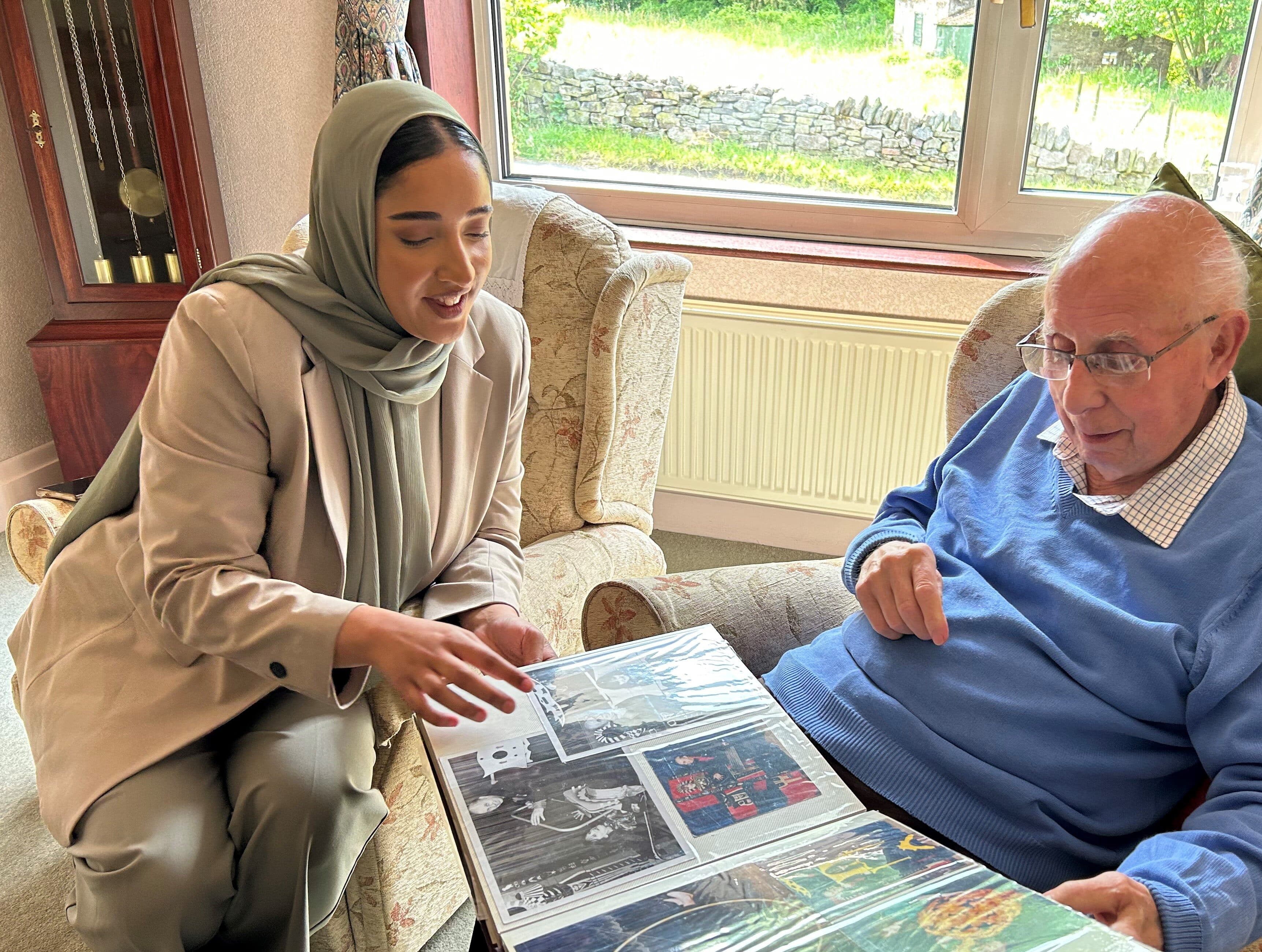
Dementia care in Bedfordshire works best when it fits naturally into everyday routines. We support people across Bedford, Luton, Dunstable, Leighton Buzzard and nearby villages, helping them stay settled in familiar surroundings. Our Care Professionals learn how each person prefers to organise their day and what helps them feel comfortable at home. It’s straightforward, practical support that keeps life enjoyable.
Enquire Now
Life with dementia can change from one day to the next, which is why our care across Bedfordshire focuses on understanding personal habits, preferences and what brings someone a sense of stability. We take time to learn how each person likes to start and end their day, whether that means a quiet morning routine, time in the garden, or a short trip to Wardown Park in Luton or the riverside in Bedford.
Care plans cover simple but important parts of the day, such as preparing meals that suit individual tastes, providing hydration reminders and supporting safe movement around the home. Activities are chosen based on what feels achievable and enjoyable, whether that’s folding laundry, listening to a favourite singer or tending to houseplants.
Every Care Professional completes City & Guilds-assured dementia training, learning communication techniques that reduce frustration and help someone stay engaged. We stay alert to changes in mood or concentration and adjust support when needed. As a CQC-regulated provider, Home Instead offers steady, dependable dementia care across Bedfordshire.

Our dementia care is personalised by getting to know the individual and understanding how they experience their day. Care Professionals note the small details that matter most, such as how someone likes their home arranged, when they prefer to rest, and the types of conversation they find comforting. This familiarity helps every visit feel natural rather than disruptive.
Communication is adapted thoughtfully. Some people follow short, simple explanations, while others need extra time to process information. We adjust the pace and tone accordingly, making interactions calmer and easier to follow. A small team of familiar Care Professionals visits regularly, building trust and allowing us to recognise changes early.
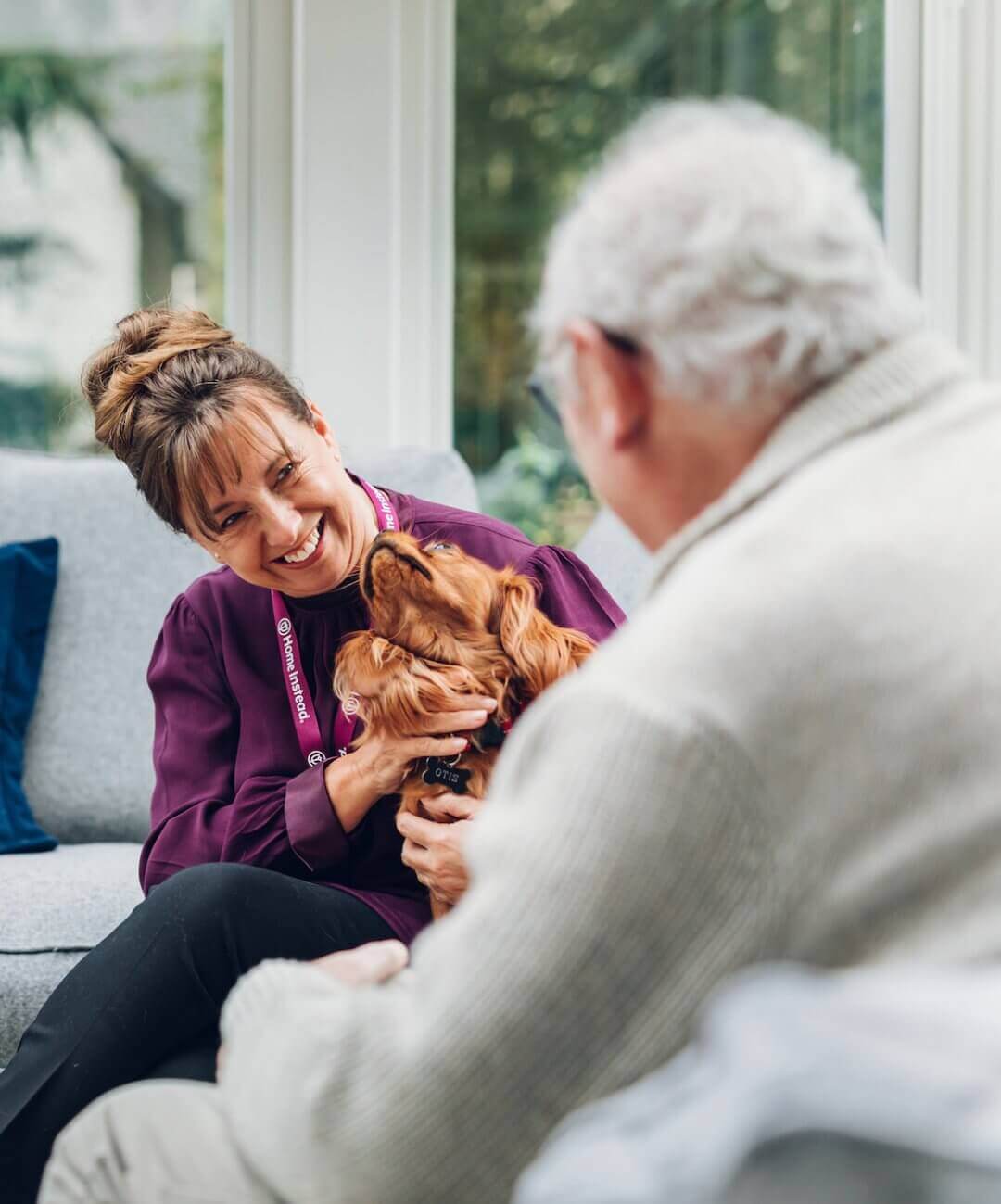
Activities are kept purposeful and manageable – perhaps organising household items, completing a simple puzzle, listening to local radio or sitting outside for some fresh air. Our focus remains on comfort, dignity and support that works with someone’s own rhythm, not against it.
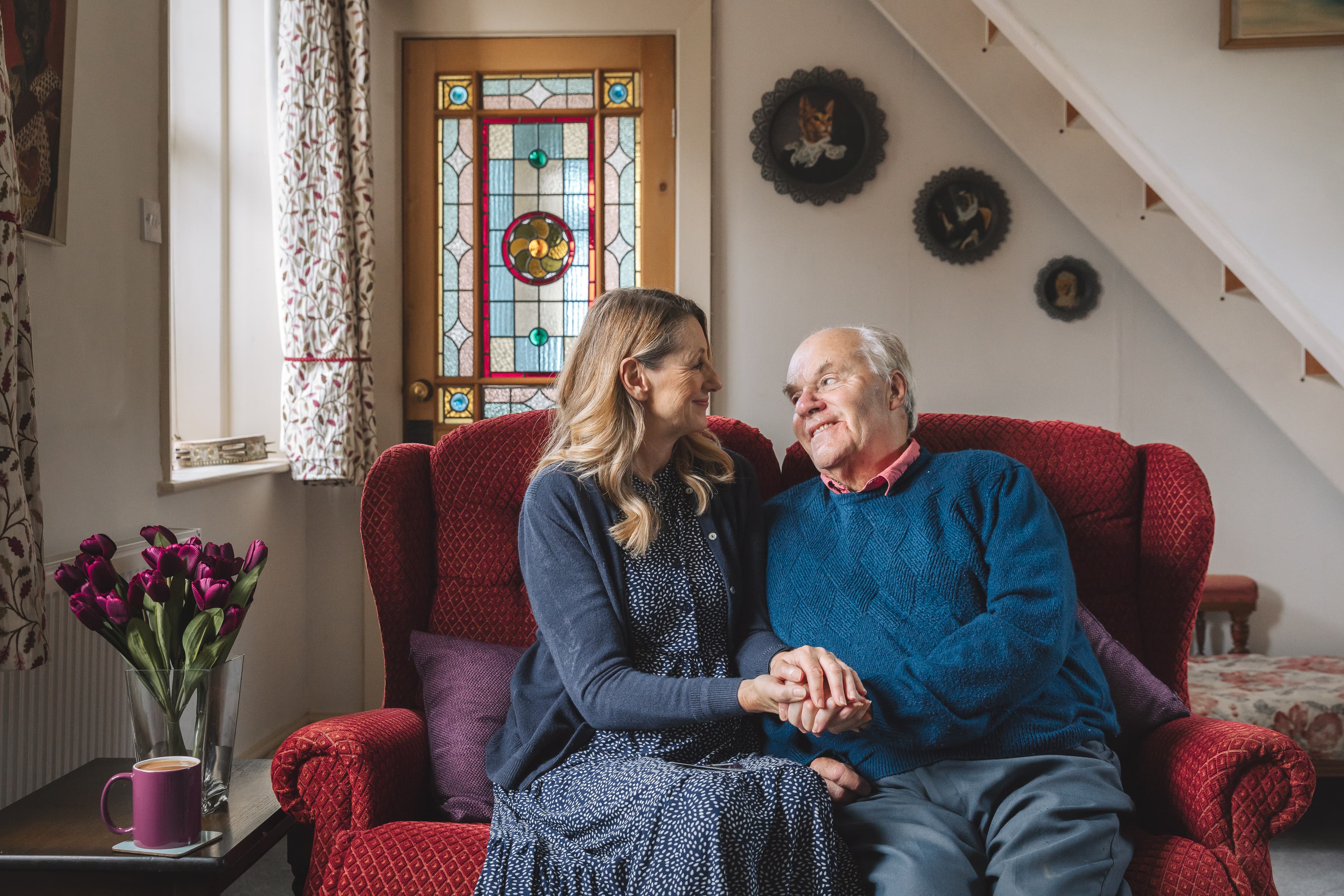
Supporting a relative with dementia can feel overwhelming, so our home care in Bedfordshire includes practical help for families as well. We stay in regular contact, sharing updates after visits and making it straightforward for relatives to understand how things are going day to day. The local office team is always available to talk through concerns or adjust care arrangements as needs evolve.
Because the same Care Professionals visit consistently, they notice subtle shifts over time, such as changes in behaviour, mobility or alertness. These observations help families plan ahead with more confidence.
We also offer advice on making the home easier to navigate, from clearing walkways to improving lighting. Many families tell us they value having people to speak to who understand dementia well and can guide them through difficult decisions. We’re here to support both clients and relatives throughout the dementia journey.
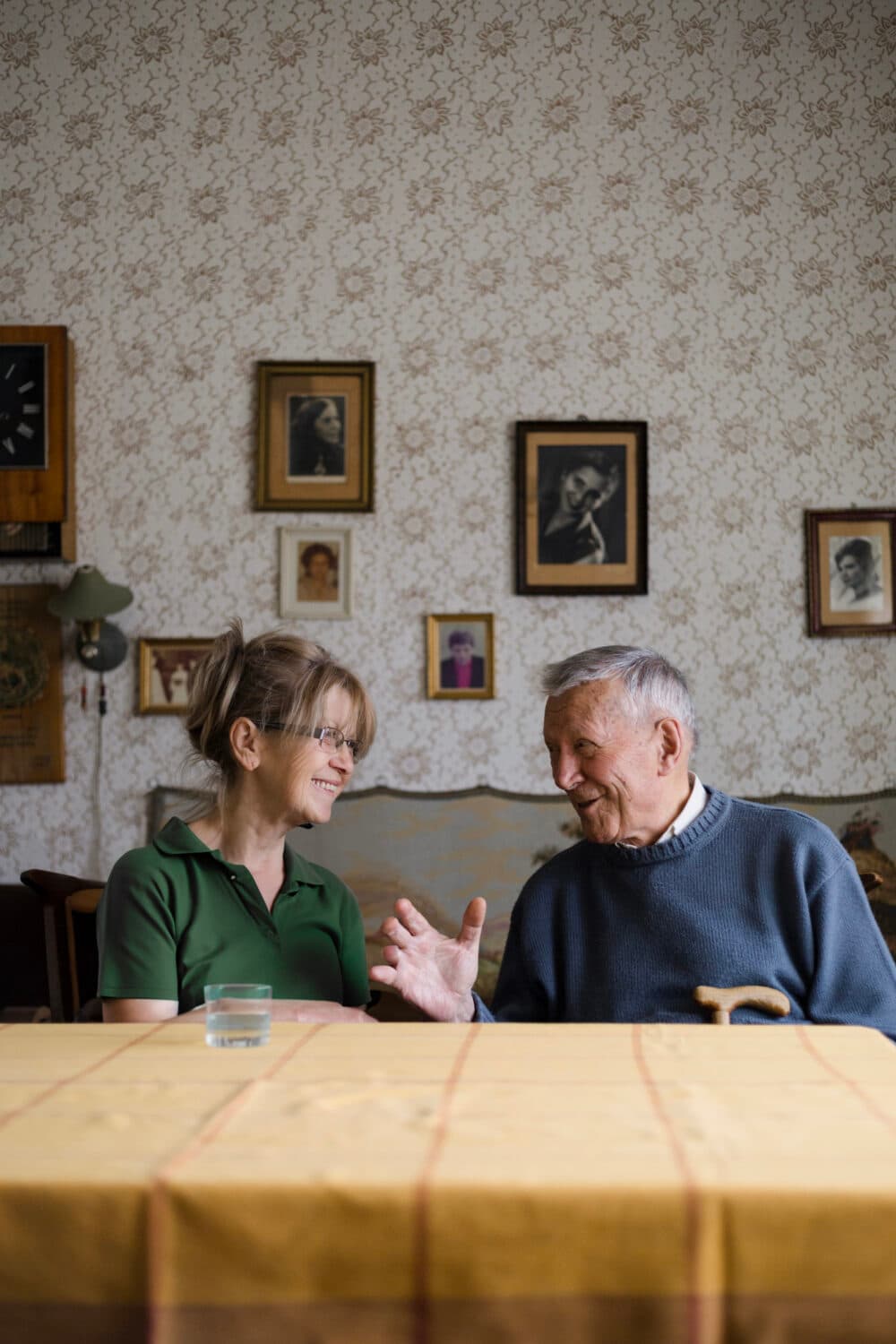
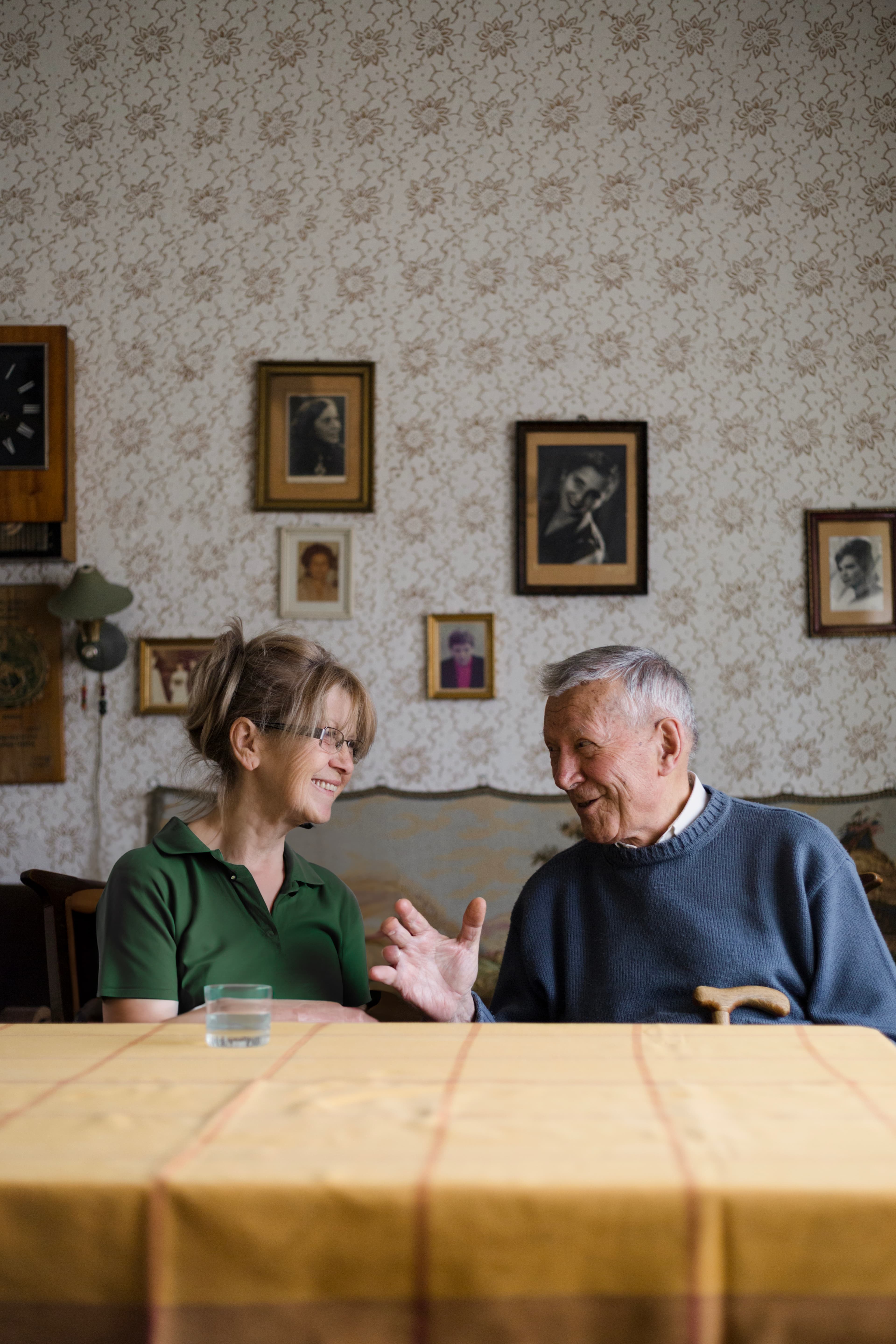
My mum receives excellent care from Home Instead. They are all very caring, friendly, organised and help my mum to feel happy, safe and well cared for in her own home. The carers are very good at communicating with the office and in turn the office are great at communicating any concerns to me as situations arise.
Jane, Client's Family

From day one Home Instead has given us a first-class professional caring service. Office staff and carers very helpful and understanding.
Paul and Sandra, Clients
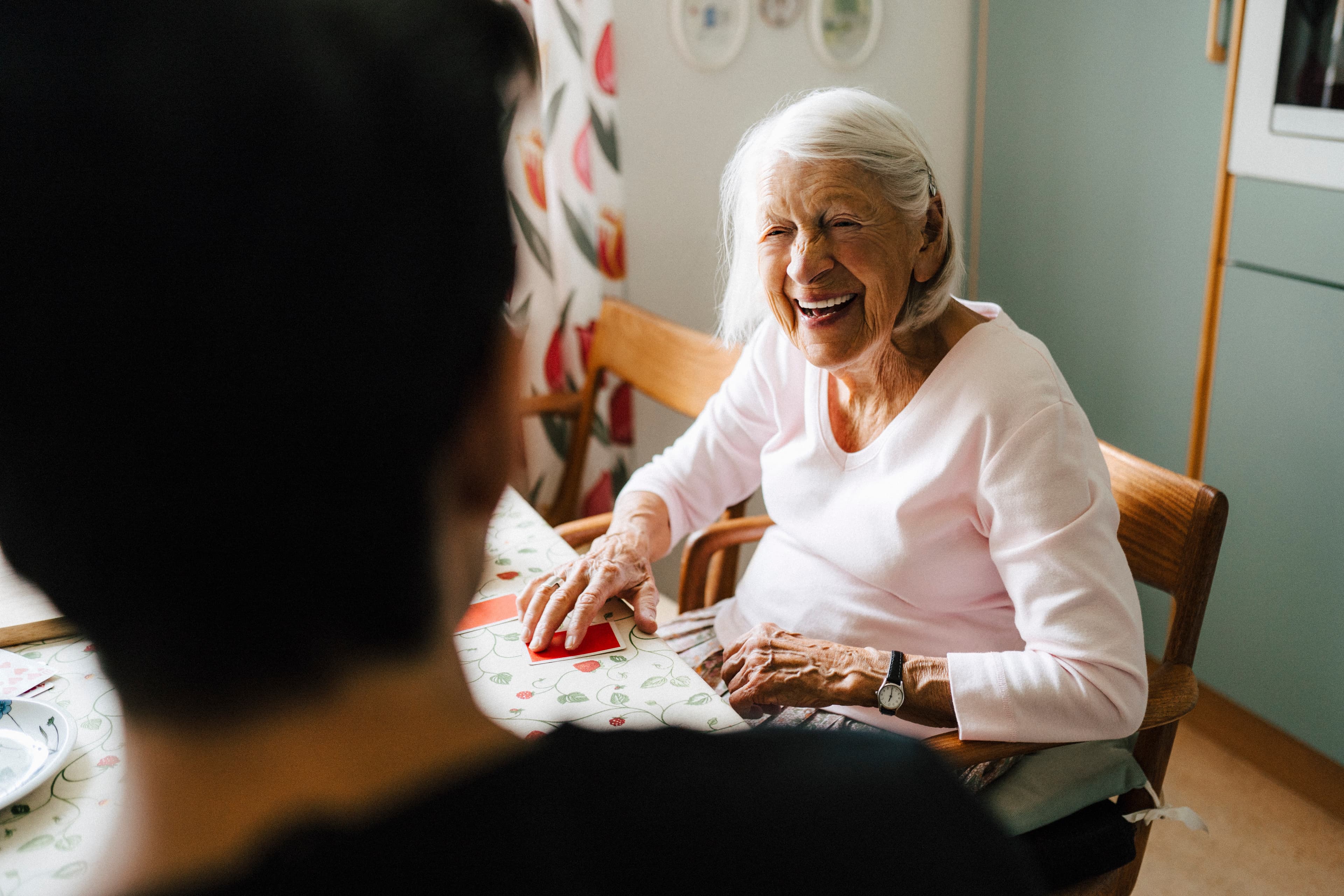
I have had my care from Home Instead for almost ten years and things just keep getting better. I can’t praise them enough.
Kevan, Client