Lifting the Winter Blues: Companionship and Emotional Wellbeing in Dartford
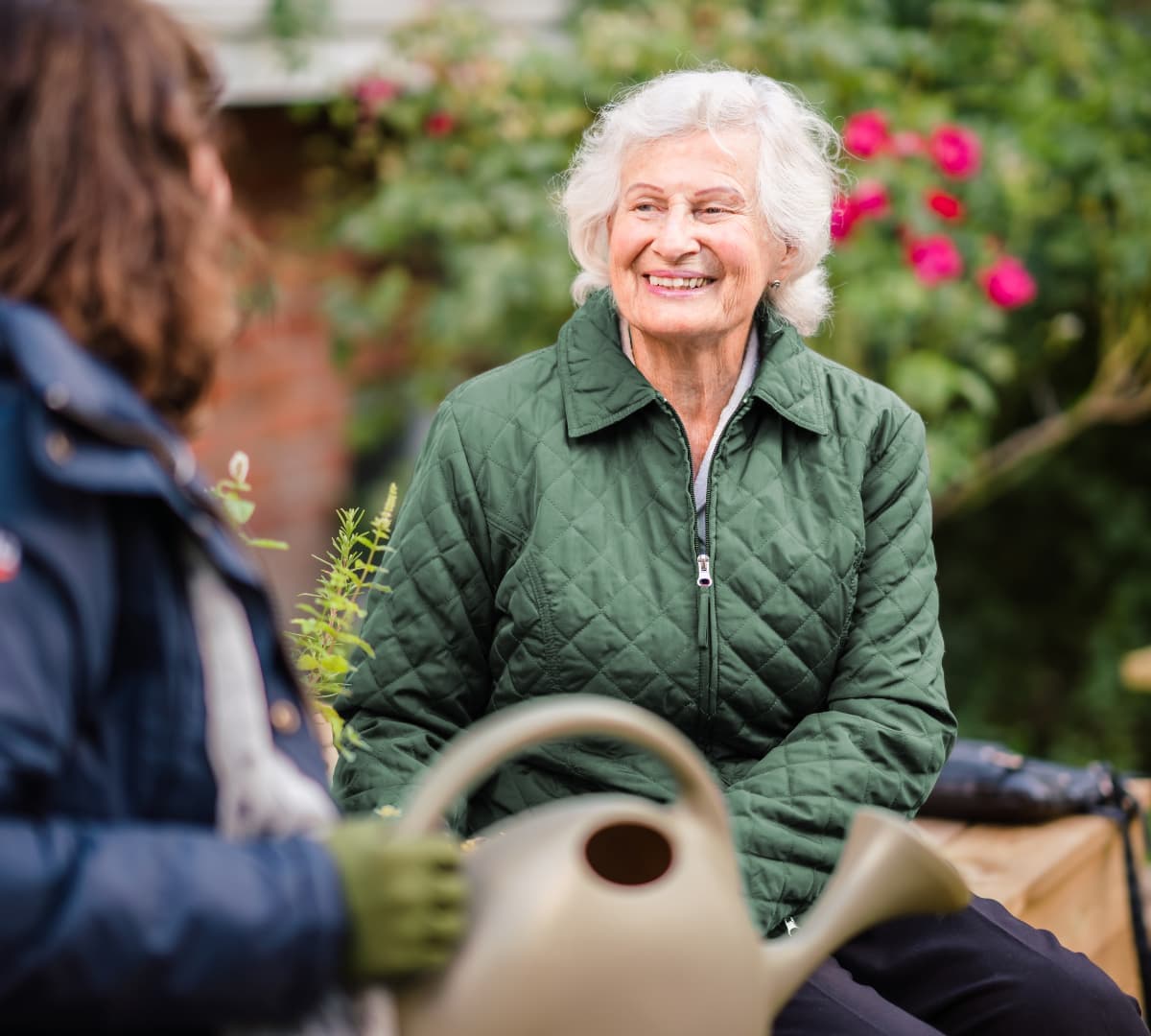
Winter can be a difficult time emotionally for many older people living in Dartford. Shorter days, colder weather, and reduced social contact can all contribute to low mood. For some people, this shows up as feeling more withdrawn, talking about loneliness, or feeling low or unmotivated, often described as the “winter blues”.
These feelings are common, but they shouldn’t be ignored. Regular companionship and meaningful social connection can play a vital role in supporting emotional well-being during the colder months.
Recognising the signs of winter blues
Low mood during winter doesn’t always look the same for everyone. Some older adults may openly talk about feeling lonely or down, while others may seem quieter, less engaged, or less interested in activities they once enjoyed.
Common signs can include:
- Talking about feeling lonely or low
- Loss of interest in hobbies
- Reduced motivation to go out
- Spending long periods alone without conversation
Noticing these changes early allows gentle, supportive action before feelings deepen.

How companionship supports emotional well-being
Companionship Care focuses on human connection. It’s about spending time with someone who listens, shares moments, and offers reassurance, rather than simply completing practical tasks.
Care Professionals support emotional well-being by:
– Talking with clients about their lives, memories, and stories
– Finding activities that distract, entertain, and lift mood
– Offering conversation and companionship on quieter days
– Encouraging small routines that give structure to the week
For many people, having someone to talk to regularly can make a real difference to how winter feels.
Getting out and about, even in winter
Fresh air and a change of scenery can help improve mood, even during colder months. When weather allows, Care Professionals can support clients to:
- Go for a gentle walk
- Enjoy a hot drink in a café
- Visit a garden centre or other familiar local place
These outings provide something to look forward to and help maintain confidence in getting out of the house, even when motivation is low.

Social activities that bring people together
Shared activities can be especially powerful in lifting the winter blues. In Dartford, Home Instead Dartford runs regular social opportunities designed to bring people together in a relaxed, welcoming setting.
These include:
– A monthly lunch club, offering conversation, company, and a reason to get out
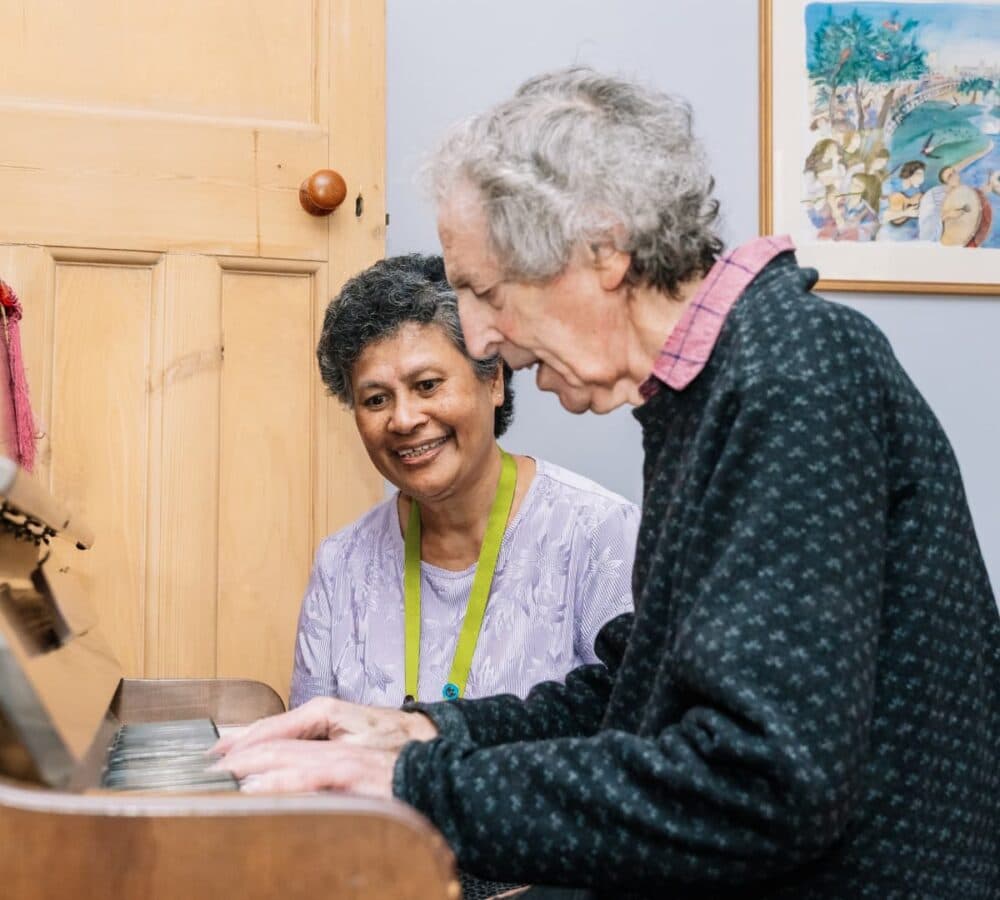
– Two singing groups, where music, shared laughter, and familiar songs help lift mood and create connection
For many older adults, these activities become highlights in the calendar, helping them feel part of a community rather than spending winter days alone.
The importance of familiar, regular contact
Seeing familiar Care Professionals regularly helps build trust and emotional security. Over time, this consistency makes it easier for clients to talk openly about how they’re feeling, allowing support to be shaped around their emotional needs as well as practical ones.
Regular companionship helps by:
– Reducing feelings of loneliness
– Supporting confidence and routine
– Providing reassurance during low periods
– Helping families feel confident their loved one is supported
Rather than waiting for low mood to escalate, companionship offers steady, preventative support throughout winter.
At Home Instead Dartford, companionship is recognised as an important part of supporting emotional wellbeing during the colder months. Whether through one-to-one time at home, gentle outings, or shared social activities like lunch clubs and singing groups, the focus is on helping people feel connected, listened to, and supported.
If you’re concerned about an older loved one experiencing low mood or loneliness this winter, a conversation with the local team can be a helpful first step. They’re always happy to talk through companionship options and offer guidance tailored to individual needs. Enquire today.
FAQs
What are the ‘winter blues’ in older adults?
Winter blues can include low mood, loneliness, reduced motivation, and withdrawal from activities, often linked to shorter days and reduced social contact.
How can companionship help with low mood in winter?
Regular companionship provides conversation, distraction, routine, and social connection, all of which can help lift mood and reduce feelings of loneliness.
What types of activities support emotional well-being in winter?
Simple activities such as conversation, gentle walks, outings for a hot drink, lunch clubs, and singing groups can all help improve mood and connection.