


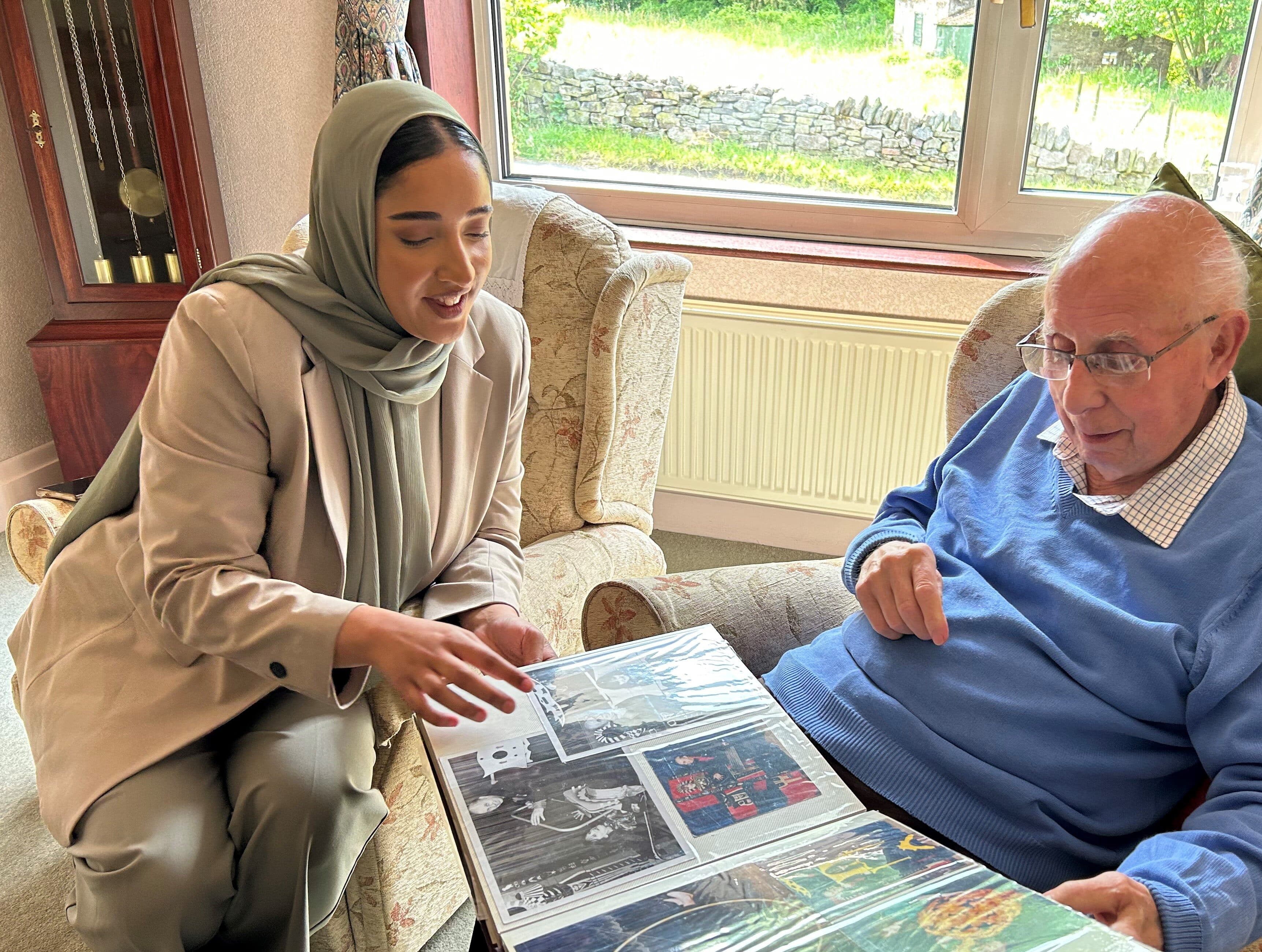
Meet our magical client, Mr P
Discover more
Dementia comes with many emotional and physical challenges, and in some cases, seizures can occur. Here, we are exploring why this happens, and what support may be needed.

Around 900,000 people in the UK live with dementia, which is a progressive neurological disorder causing symptoms like memory loss and communication issues. Dementia is most prevalent in those over 65, and different types of dementia cause unique symptoms. Every person is affected in their own way, but in most cases, specialist dementia care will eventually be required due to behavioural and physical symptoms like mobility loss.
“While most people think of memory problems when they hear the word dementia, the condition encompasses a range of complex symptoms…”
– Dr Sara Imarisio, Head of Research from Alzheimer’s Research UK
One lesser-known symptom is seizures, which studies suggest are 6-10 times more prevalent in older people with dementia.
Clinical evidence has discovered the comorbidity of epilepsy and Alzheimer’s disease, and it is believed dementia and seizures both result from damage to cells in the brain which impact its function. While seizures were once considered a symptom of late-stage dementia only, researchers now believe they can occur in the early stages too, sometimes before memory loss.
A 2020 study suggested that dementia contributes to a twofold risk of developing epilepsy, and vice versa. This is thought to be due to brain shrinkage, or the buildup of proteins amyloid and tau which impact how nerve cells communicate, causing them to behave uncontrollably. Not everyone with dementia has seizures, but those who do may find them frustrating and frightening.
According to a 2021 study, generalised or focal seizures are the two most common in dementia:
The confusion that occurs in dementia can sometimes make seizures difficult to recognise, and slower to diagnose and treat. If you suspect you or an older loved one has experienced one or multiple seizures, speak to a GP as soon as possible.
We've helped thousands of families to stay safe, comfortable and happy at home. Whatever situation you're facing, or whatever the question is, Home Instead is here to help.
Are you in need of a little guidance right away?
03300 583450
I have had my care from Home Instead for almost ten years and things just keep getting better. I can’t praise them enough.
Kevan, Client

Knowing that mum has caring and genuine people to help take care of her gives me peace of mind and mum looks forward to seeing the Care Professionals. Thank you for making such a big difference to both of our lives.
Rebecca, Client's Family

From day one Home Instead has given us a first-class professional caring service. Office staff and carers very helpful and understanding.
Paul and Sandra, Clients
Managing dementia-related seizures may require:
In some cases, seizures can cause cognitive decline to speed up, so taking anti-seizure medications could help prevent this. Other treatments may be available, so you may be referred to a specialist to learn more options.

A GP or specialist will need to check and treat an older person’s dementia-related seizures. However, while they find the best medications or treatments, you may still need to manage seizures in the meantime, which can be distressing for families.
Professional home care can make this easier, and at Home Instead, our Care Professionals are trained in person-centred dementia care that includes knowledge on how to manage seizures. We use a programme that is City & Guilds Assured, and we are rated 9.6 on Homecare.co.uk. Plus, many of our locations are deemed “outstanding” by the Care Quality Commission (CQC), so you can feel comfortable leaving your older loved one with dementia in our capable hands without worrying about potential seizures.



Yes. While not everyone with dementia experiences seizures, certain types – such as Alzheimer’s disease or vascular dementia – can increase the risk. Seizures may occur as the condition progresses and are often linked to changes in brain activity.
Seizures can vary from noticeable shaking or loss of consciousness to more subtle signs like brief staring spells, confusion, or sudden unresponsiveness. Because symptoms can be hard to spot, it’s important for carers and family members to be observant and report changes to a GP.
Stay calm and make sure the person is safe. Clear the area of anything that could cause injury, place something soft under their head, and do not try to restrain them. After the seizure, stay with them until they are fully alert and contact a healthcare professional for advice.
Trained Care Professionals can provide close monitoring, ensure medication is taken correctly, and help create a safe environment to reduce risk. They also offer reassurance and comfort during and after an episode, supporting both the individual and their family.
You should always inform a GP after a seizure, especially if it’s the first one, lasts more than five minutes, or happens repeatedly. A medical professional can review medication, assess any changes in condition, and advise on ongoing care needs.
You should call 999 if a seizure lasts longer than five minutes, if the person does not regain consciousness afterwards, or if multiple seizures occur close together without recovery in between. Emergency help is also needed if the individual is injured during the episode, such as from a head injury or severe fall, if their breathing becomes difficult or stops, or if it is their first ever seizure. If you feel unsure or unsafe managing the situation, seeking immediate assistance is always the safest option.