



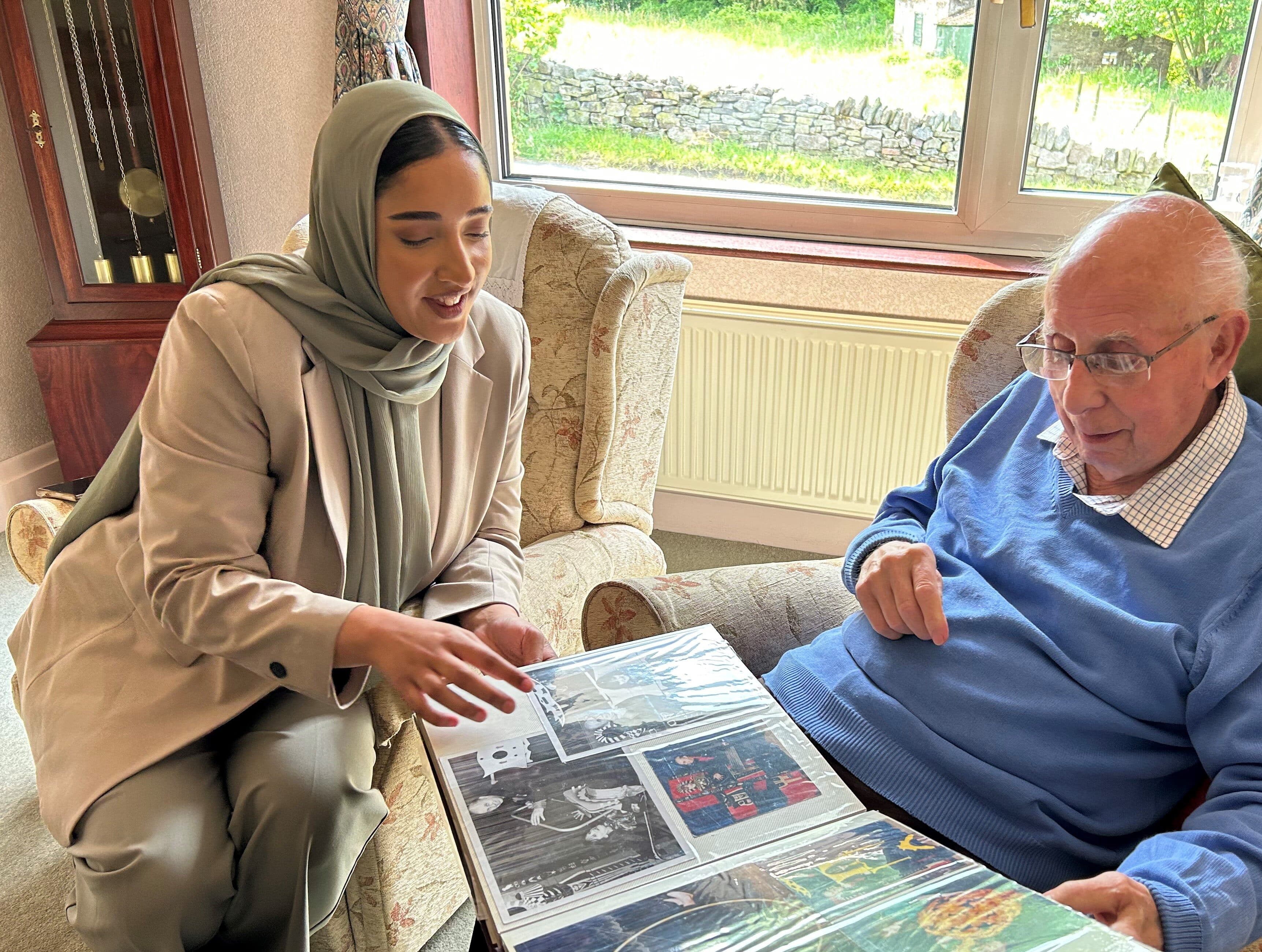
Meet our magical client, Mr P
Discover more
Vital health and wellness checks for vulnerable older adults living alone, from experienced, trained Care Professionals who can help keep them safe and comfortable at home.

A “health and wellbeing” check for an older person is a check-in to make sure they are safe and getting their medical and care needs met. This is typically a comprehensive assessment with an NHS scoring system that enables local healthcare professionals to monitor the physical health, mental health and care needs of an older person living alone. A health and wellbeing check might include a review of their:
The goal of this check-in is to identify any risks before they become worse problems, offer advice and guidance, and connect the person and their family to the appropriate support or services to better meet their needs.
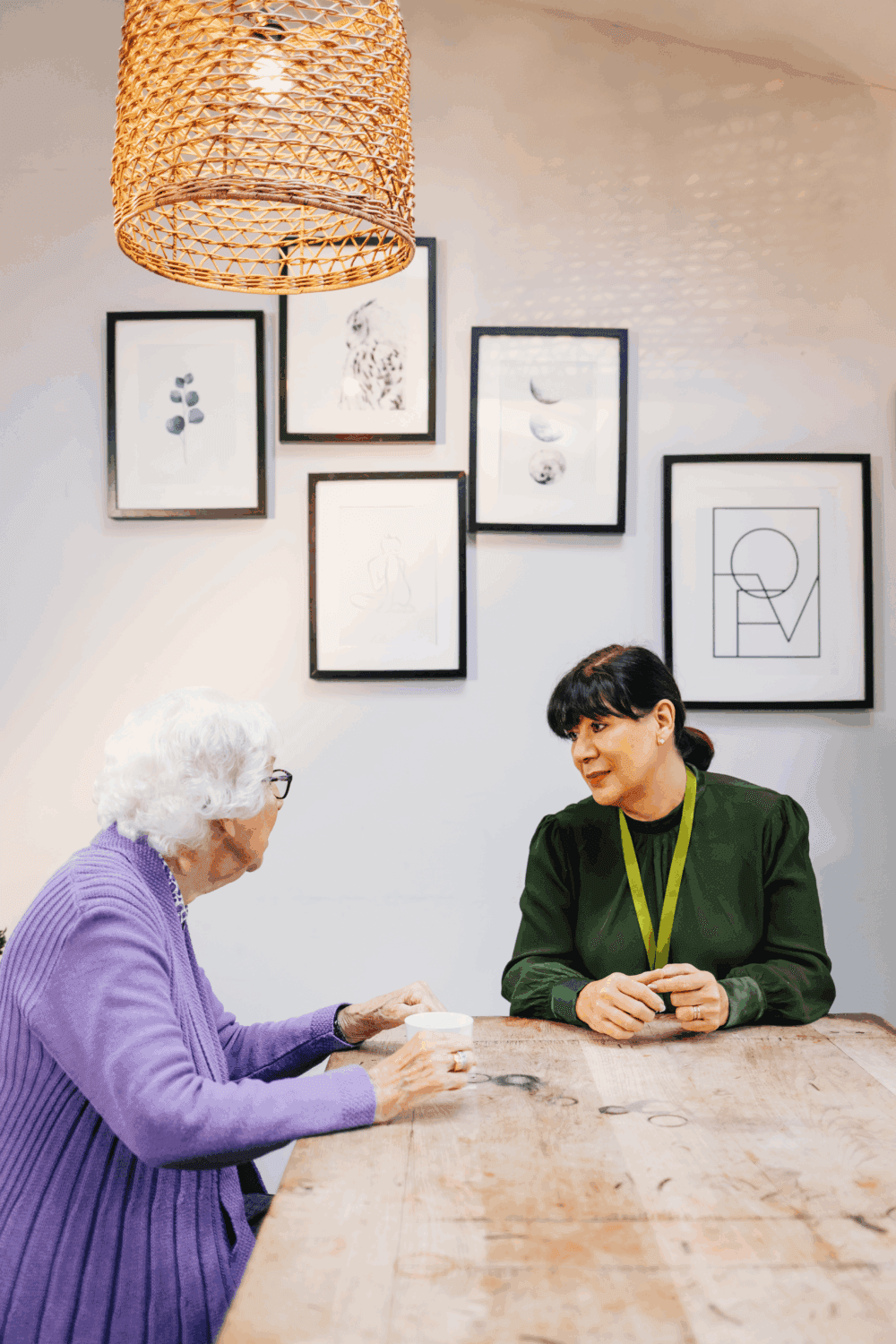
Age UK recommends several check-ups for those over 50, including blood pressure tests, cholesterol tests, and taking part in the NHS Health Check programme. These checks can identify a person’s needs before they become more challenging or dangerous, and might uncover things like fall risks, loneliness, or cognitive decline. A health and wellbeing check might be offered if they:
“Ageing in place” means it is recommended that older people remain in their own home for as long as possible, and a health and wellbeing check could support this.
While some people believe these checks are a precursor to being placed in a care home, they are merely a way to determine whether there are other care services needed, and to provide access to these services. During a health and wellbeing check, several assessments may be carried out depending on the person’s health conditions, all with the purpose of identifying areas with room for improvement. These may include:
They may also perform specific health checks if relevant, such as blood tests, vaccination needs, cognitive function or dementia risk.
We've helped thousands of families to stay safe, comfortable and happy at home. Whatever situation you're facing, or whatever the question is, Home Instead is here to help.
Are you in need of a little guidance right away?
03300 583450
Home Instead have been looking after my father for a few years now, without them we would not be able to manage having him living in his own home. They are always bright and cheerful and Dad enjoys seeing them.
Bridget, Client's Family
As I got older, I realised that this service had made me happy in my own home.
Elisie, Client
Home Instead have an experienced caring team that far exceeds in quality anything we experienced from other agencies at this point of service.
Steve, Client
The NHS check-up can be performed by a professional who will assess an older person’s cardiovascular health for signs of heart disease, diabetes, kidney disease and stroke. If you are concerned about of a loved one aged 40-74, you can arrange this through their GP. The NHS Health Check programme is linked to increased detection of heightened cardiovascular disease risk, so arranging this could be life-saving.
The NHS Health Check can be performed by a pharmacist, GP surgery nurse, or healthcare assistant. Alternatively, a comprehensive check-up of both health and wellbeing may be done by a private care company like Home Instead. Our trained carers can visit the person at home and provide similar health, mental health and wellbeing checks.
Our knowledgeable Care Professionals offer health and wellbeing check-ups for older people living alone, by assessing their health needs, mental health, social engagement, and more — we take a holistic approach to ensure their safety, comfort, health and ability to live independently. We are proudly rated 9.6 on Homecare.co.uk and many of our locations are rated “outstanding” by the Care Quality Commission (CQC).
Our no-strings checks offer further insight on how you could help your loved one yourself, or receive a comprehensive Care Plan to highlight areas of care that we could support you with. From occasional companionship visits to daily personal care or live-in support, we can provide the bespoke, personalised care your loved one needs.


A health and wellbeing check is a regular visit where a trained Care Professional monitors an older person’s general health, comfort, and safety at home. It can include checking vital signs, medication reminders, hydration, nutrition, and overall mood or wellbeing.
Regular checks help spot small changes before they become serious health concerns. They can prevent hospital admissions, support early intervention, and provide reassurance for both the elderly person and their family.
A wellbeing check may involve monitoring weight, appetite, hydration, mobility, and medication routines. Care Professionals also look for changes in mood, cognition, or physical condition, and ensure the home environment remains safe and comfortable.
Checks are completed by our fully trained Care Professionals with experience in monitoring elderly health. They work closely with family members and healthcare providers, keeping everyone informed of any concerns.
The frequency depends on individual health and circumstances. Some people benefit from daily visits, while others may only need weekly or monthly check-ins. Get in touch to discuss the best schedule that suits your loved one’s needs.
