



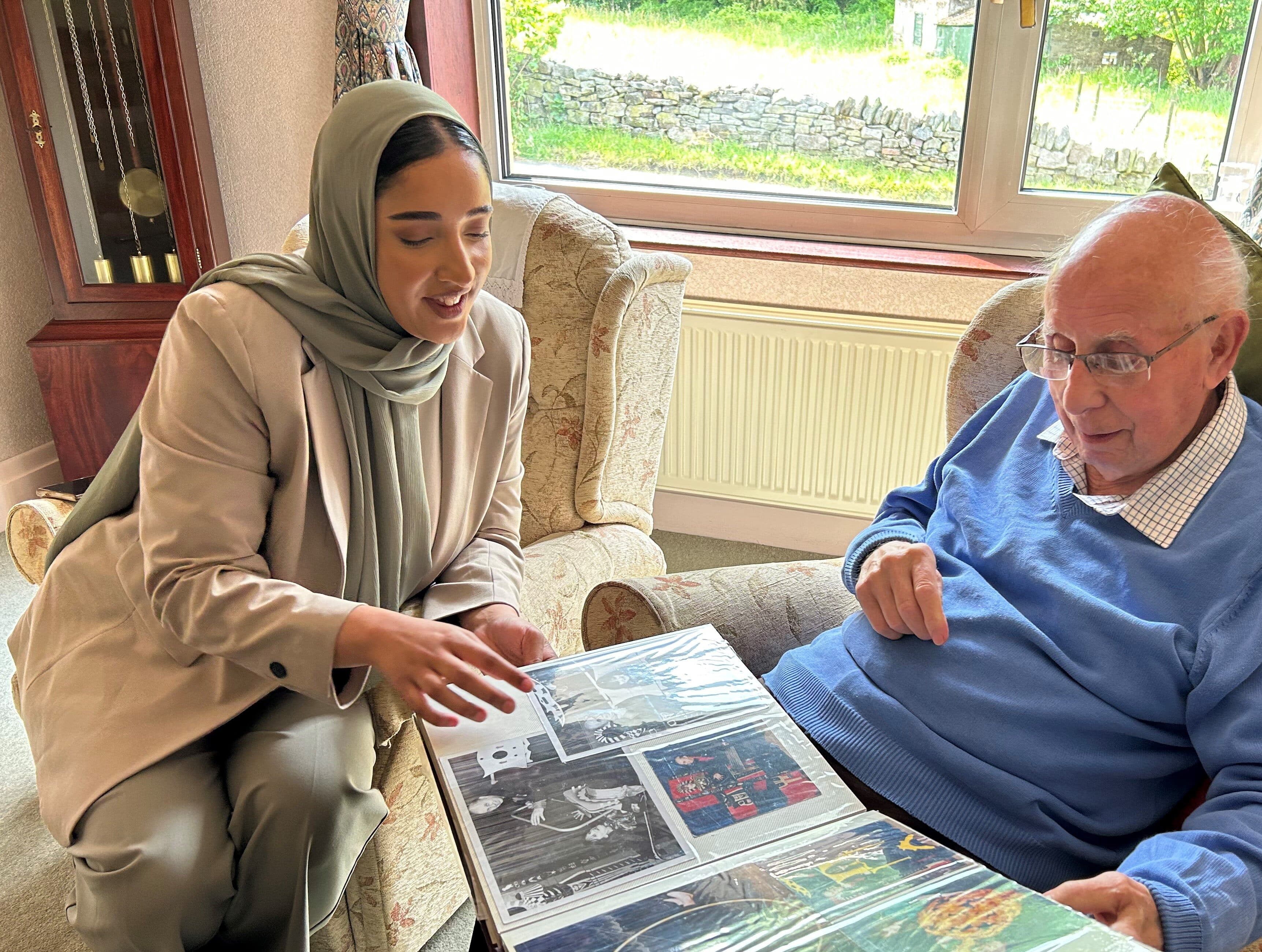
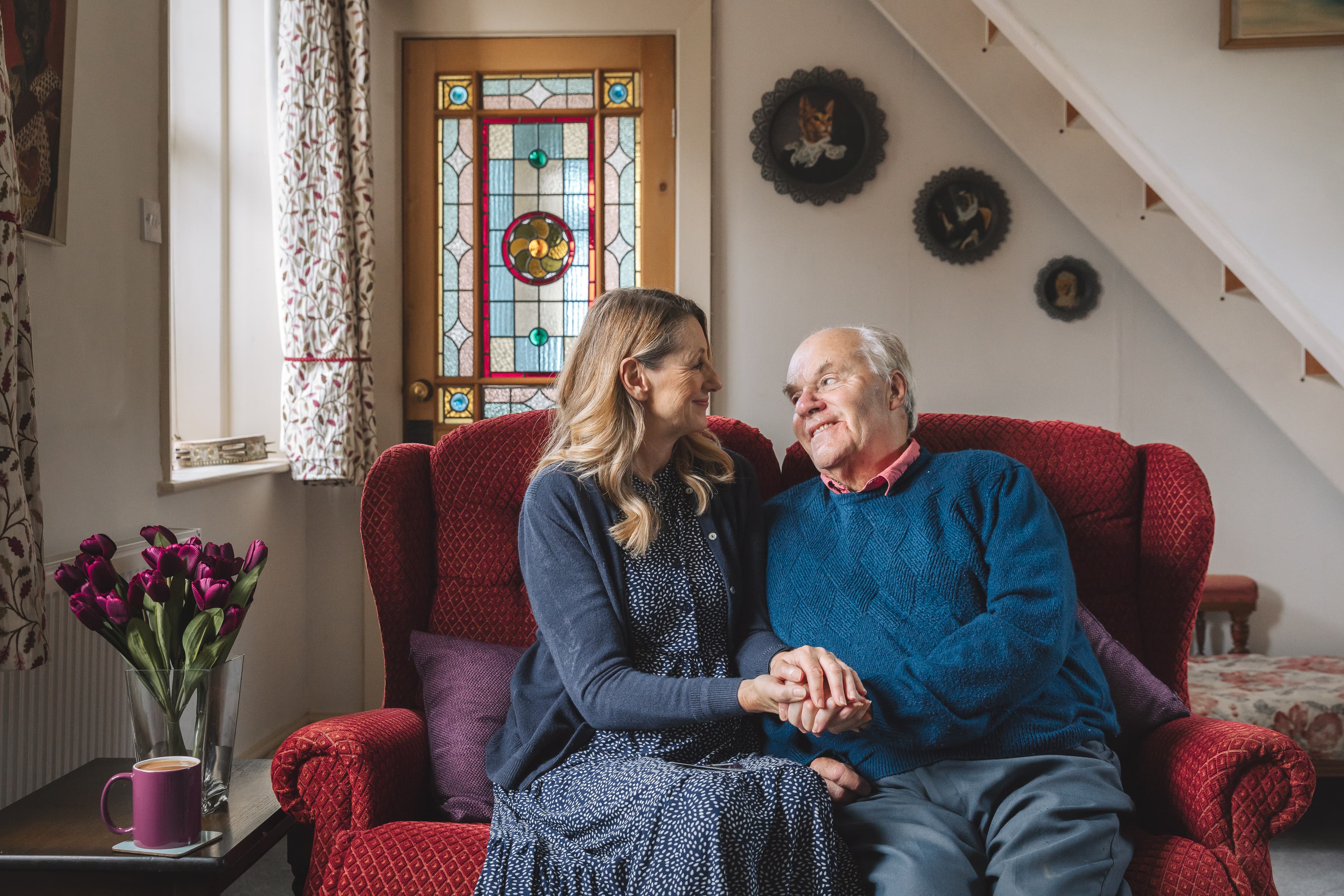
Meet our magical client, Mr P
Discover more
Helpful advice on what to look for in a private carer, how to make sure you are employing the very best carers, and why our trusted Care Professionals could be exactly what you need.

Private home care is usually one-on-one, personalised care for older people delivered in the comfort of their own home. This could be visiting care or live-in care, and will focus on providing the support they need to live safely and comfortably in the home they know and love. The job of a private caregiver will depend on the specific health and care needs of the individual, but might include:
Companionship to avoid loneliness and support emotional wellbeing
There are many reasons older people might want help at home with daily needs, including mobility issues, loneliness, and complex health conditions that make living alone harder. Unlike home care arranged through local councils, private care can be designed to support your bespoke needs, and will never be limited to what is available in your area – you design a care package that works for you.
Private home care offers vulnerable older adults one-to-one attention that respects their preferences, offers continuity of care, and remains adaptable as needs change. Carers can also provide specialist expertise for complex issues like Parkinson’s disease or neurological conditions, allowing older adults to stay at home no matter their health needs.
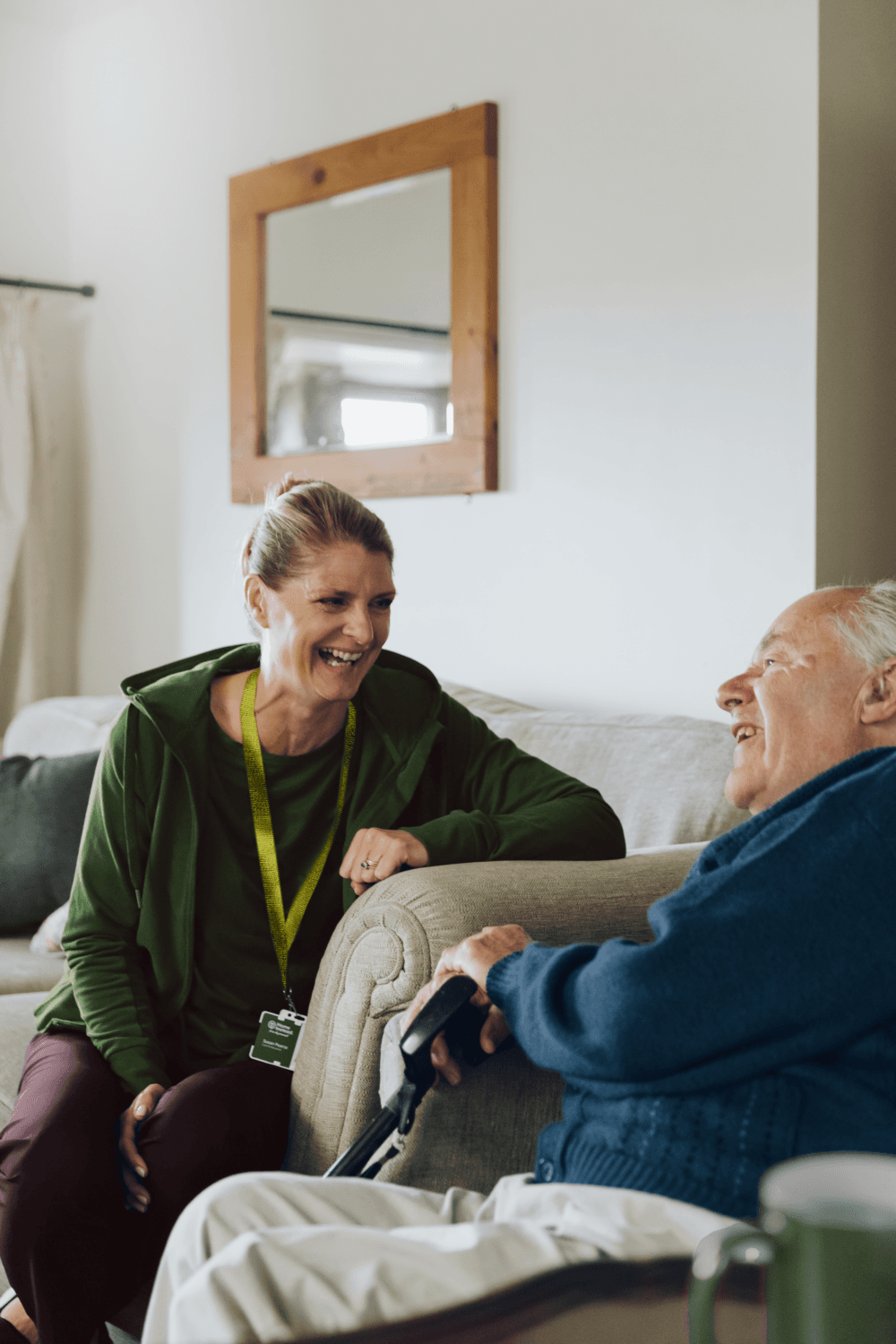
When considering whether or not private home care is for you, it helps to begin by determining the type of care you need, what skills your private carer might need, and the potential costs related to this.
Our friendly Care Professionals offer flexibility, so you can choose whether you need visiting care to pop in several times a week, or live-in care so there is always someone around for companionship and in case of emergencies. Whether you are struggling to maintain your hygiene practices and need daily personal care, have been diagnosed with a complex health condition that requires medication management, or have mobility issues and need assistance getting around safely, we can design a care plan that suits your needs and preferences.
Finding the best private home carer involves assessing the specific needs of the individual, such as mobility support, personal care, or companionship, to ensure the carer can provide the right level of assistance.
Look for those with relevant qualifications, experience, and training, particularly if specialised care is required for conditions like dementia or mobility challenges. It’s also important to choose someone with a compassionate and caring approach to build trust and create a positive environment.
Many home care providers, including Home Instead, offer consultations to match carers to your needs, giving you peace of mind in selecting the best support.
We've helped thousands of families to stay safe, comfortable and happy at home. Whatever situation you're facing, or whatever the question is, Home Instead is here to help.
Are you in need of a little guidance right away?
03300 583450
I am very happy with the support, care and kindness I receive from all the staff of Home Instead.
B.M, Client

Home Instead provide first class care. My care professionals are patient, kind and very reliable. I am very happy with the service they provide.
Paul, Client

Knowing that mum has caring and genuine people to help take care of her gives me peace of mind and mum looks forward to seeing the Care Professionals. Thank you for making such a big difference to both of our lives.
Rebecca, Client's Family
Organising a Care Needs Assessment through your GP or local council is often the best way to start when it comes to arranging care. This helps determine what kind of care is recommended for your needs, how often you require it, and how much of the fees might be covered for you. Whether you are looking to arrange care through your local council or private care through a service like Home Instead, a Care Needs Assessment is a great way to learn more about your own needs and see what options are available to you.
If you have concerns, are unsure about where to begin, or are curious to learn more, our friendly team is always happy to discuss the details of arranging home care on a no-pressure phone call, and can talk you through the process.
With Home Instead, you never need to worry about the elements of hiring a private carer. We take care of checking carer qualifications, doing DBS checks, finding respite care if your usual carer is off, and other recruitment tasks that could cause you stress. We go the distance to understand your unique needs and pair you with a Care Professional who has the experience to help you, and a personality to complement yours.
We are proudly rated 9.6 on Homecare.co.uk, with many of our locations also rated “outstanding” by the Care Quality Commission (CQC). Our experienced, dedicated Care Professionals can work with you to design a private, bespoke care routine that prioritises the things that are most important to you.


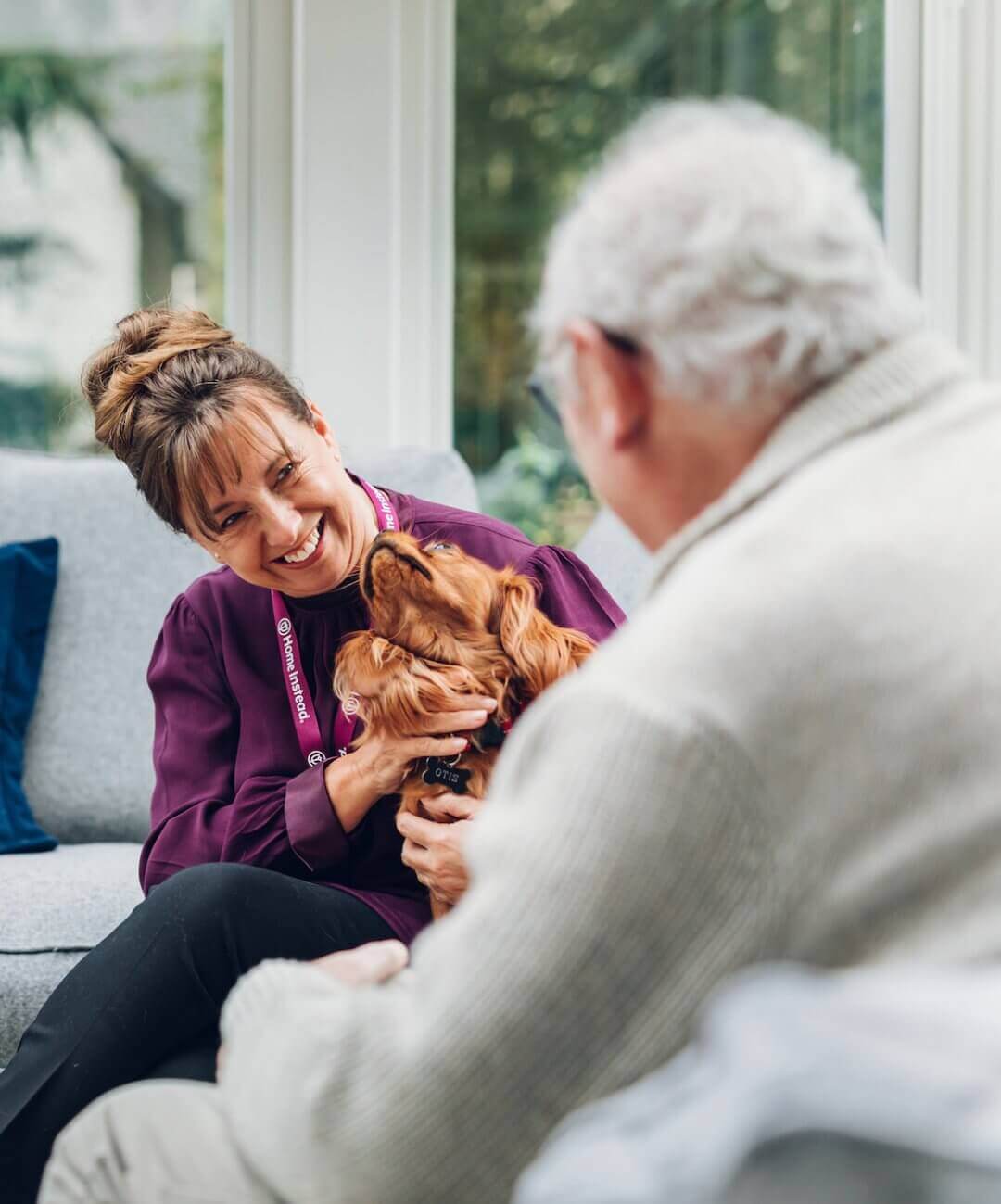
A private home carer provides personalised support to individuals in their own homes, helping with daily tasks such as personal care, meal preparation, medication management, and household chores. They also offer companionship and emotional support, ensuring the individual’s comfort and well-being.
Private home carers offer tailored, one-to-one care in the comfort of your own home, allowing individuals to maintain their independence and routines. They provide flexible support that adapts to changing needs, offering peace of mind for both the individual and their family
Choosing the right carer involves assessing your specific needs, such as personal care, mobility assistance, or companionship. Look for carers with relevant experience, qualifications, and a compassionate approach. Many home care providers, including Home Instead, offer consultations to match you with a carer who suits your requirements.
Yes, private home carers are trained in areas such as personal care, first aid, medication management, and safeguarding. Many also have specialised training to support individuals with specific conditions, such as dementia or mobility challenges, ensuring high-quality care.
Yes, many private home carers offer live-in care, providing round-the-clock support for individuals who need continuous assistance. This option is ideal for those with complex needs or who prefer the reassurance of having a carer available at all times.
