



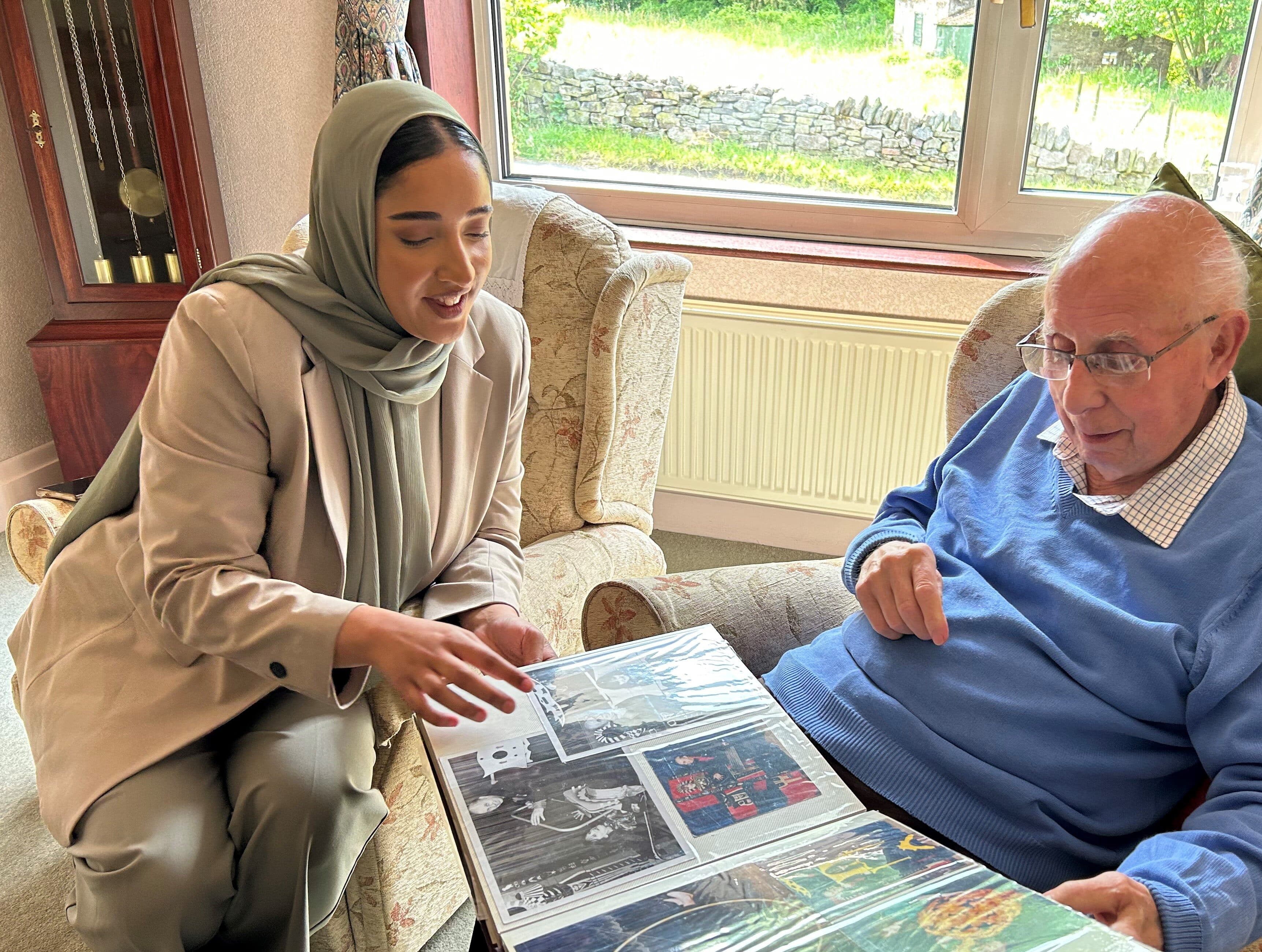
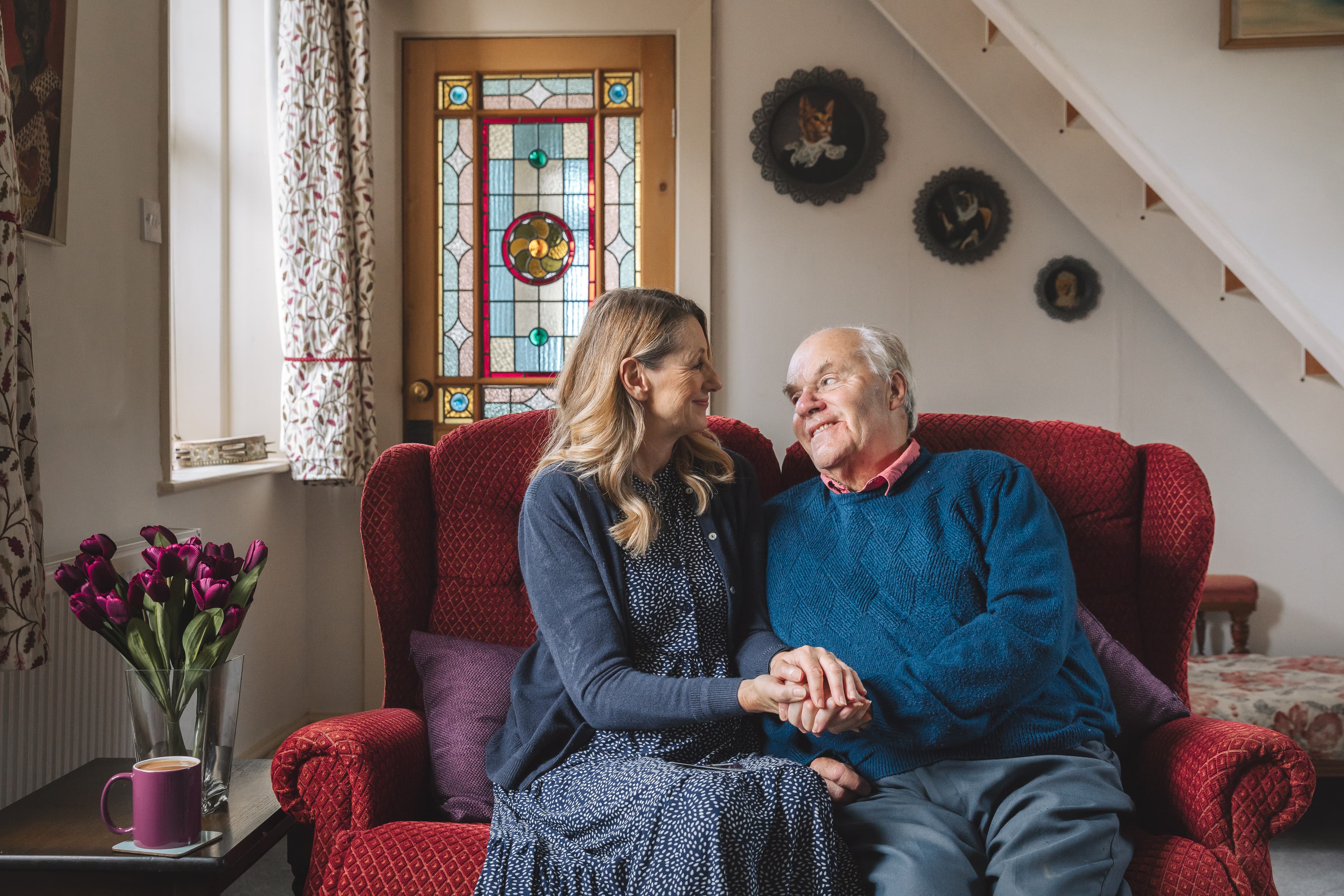
Meet our magical client, Mr P
Discover more
We can offer a trusted alternative to care homes for older adults who require care services to remain safe, healthy and comfortable, including home care options from dedicated Care Professionals.
An estimated half a million people live in care homes in the UK, and this is often the go-to option when an older person begins to need more help. However, care homes are not always the best option depending on the person’s medical conditions, mobility issues or mental health concerns. The downsides of care homes include:
It is important to be aware of alternatives to care homes to ensure your loved one is in the best place to support their needs.
Moving to a care home is sometimes necessary, but often an older person’s needs can be met in other environments. Some of the best alternatives to care homes include:
Assisted living – A specially designed home where older people with light care needs can continue living mostly independently in their own space

The World Health Organization recommends older adults remain in their own home for as long as possible, and home care is an excellent alternative to a care home for many reasons:
You can learn more about the benefits in our article:The benefits of Home Care vs a Care Home
We've helped thousands of families to stay safe, comfortable and happy at home. Whatever situation you're facing, or whatever the question is, Home Instead is here to help.
Are you in need of a little guidance right away?
03300 583450
My mum receives excellent care from Home Instead. They are all very caring, friendly, organised and help my mum to feel happy, safe and well cared for in her own home. The carers are very good at communicating with the office and in turn the office are great at communicating any concerns to me as situations arise.
Jane, Client's Family

From day one Home Instead has given us a first-class professional caring service. Office staff and carers very helpful and understanding.
Paul and Sandra, Clients
The process of arranging home care shouldn’t be stressful, so we do our best to make arranging this simple and efficient. With personalised, attentive support tailored to your loved one’s exact needs, and adaptable as needs change, home care is a flexible option that helps many families avoid having to place their older loved one in a care home.
To get started, you can arrange a Care Needs Assessment with your local council to determine what kind of care is best, and how much of it you will have to pay for yourself. If you would prefer private care options like Home Instead, you can learn more about how to choose and arrange home care from our dedicated team who will discuss your circumstances and find you a Care Professional who can help.
We understand you have many options when it comes to care for your older loved one, so ensuring you select the best option takes time and research. We aim to make sure our person-centred care is perfectly tailored to the needs of your older relative, whether that means a few hours of visiting care or full-time live-in care.
We are proudly rated 9.6 on Homecare.co.uk, and many of our locations are rated “outstanding” by the Care Quality Commission (CQC). Whether your loved one needs help with personal care, occasional respite care when you are absent, or something more specialised, we can design a personalised package of care to suit your family, and help keep your loved one in the home they know and love.



One of the most popular alternatives is home care, where Care Professionals provide support in the comfort of your loved one’s own home. Other options include sheltered housing, extra care housing, or live-in care, depending on individual needs.
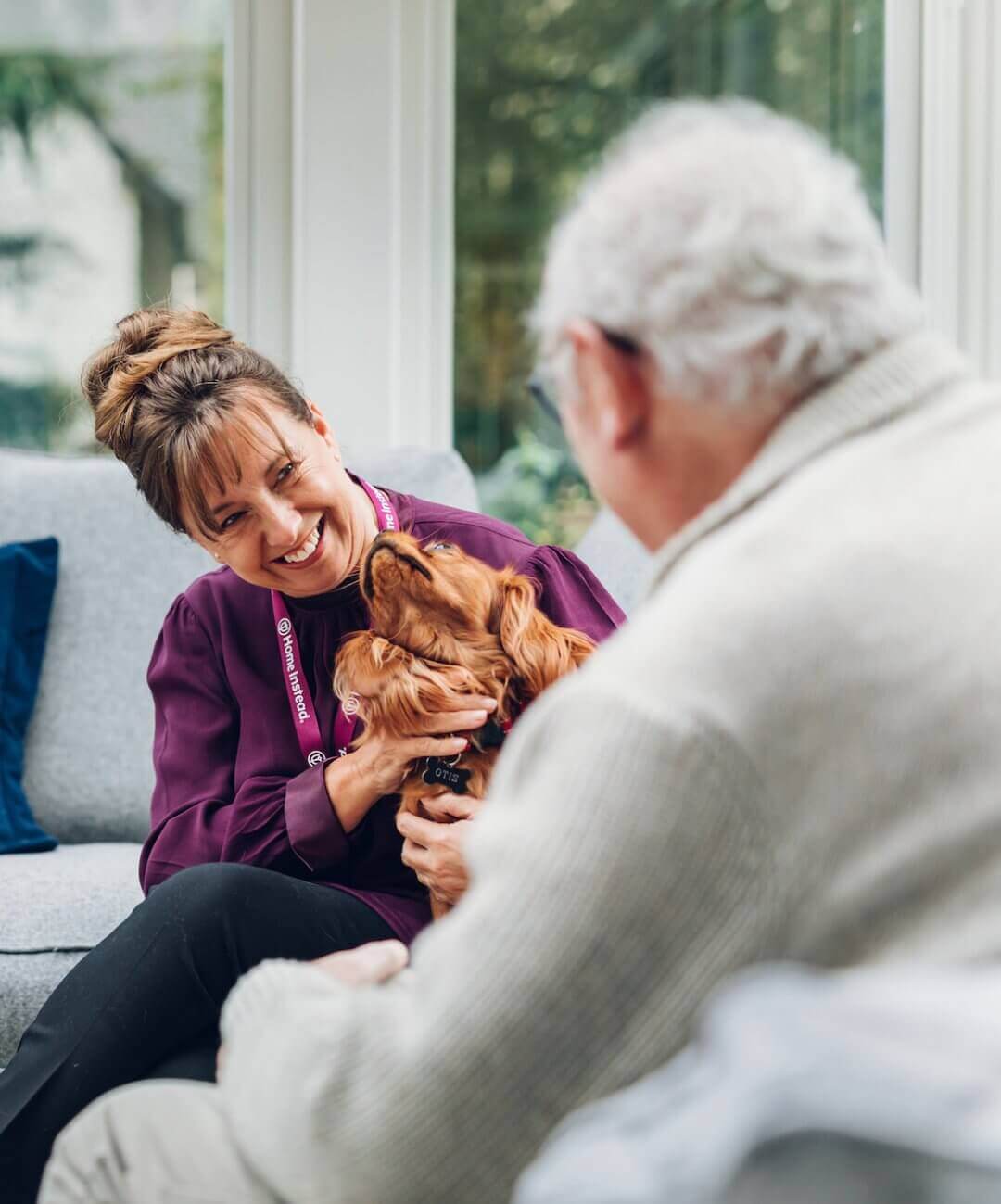
Home care allows your loved one to stay in familiar surroundings while receiving personalised one-to-one support from Care Professionals. Unlike care homes, routines, meals, and activities can be tailored to their preferences, helping them remain independent for longer.
Our home care services can include personal care, medication support, meal preparation, housekeeping, companionship, and even 24/7 live-in support. This makes it a flexible option that adapts as needs change over time.
Absolutely. We can provide Care Professionals trained in supporting conditions such as dementia, Parkinson’s, mobility issues, and other complex care needs. Care plans can be designed around both everyday tasks and more advanced needs or health challenges, including postoperative and recovery care.
Think about your loved one’s wishes, their health needs, and how much independence they want to keep. Get in touch today with your local Home Instead office for support to help you explore personalised options that balance your loved one’s safety, comfort, and quality of life.
