Why Small Daily Support Can Make a Big Difference to Health and Safety

When someone you love is getting older, it is natural to focus on the bigger moments: hospital appointments, changes in medication, or whether they can still manage at home. Yet, for many older adults, it is the smaller, everyday parts of life that can have the biggest impact on health and safety over time.
Private care at home often works best when it supports daily routines gently and consistently. A little help at the right time can make meals more regular, reduce strain, keep the home environment comfortable, and bring reassurance for the person and their family.
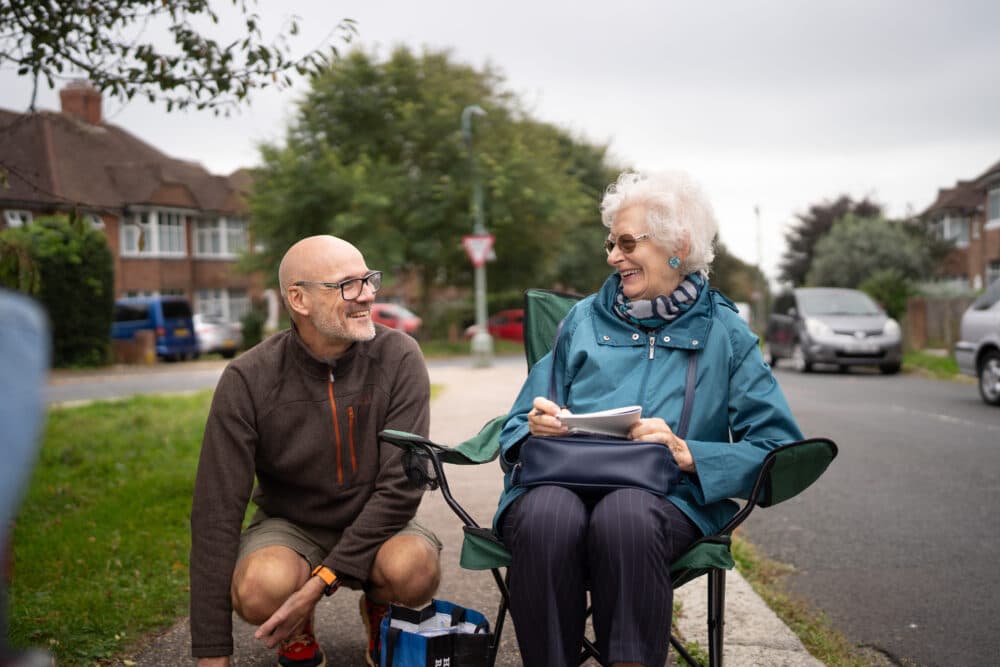
Why Day-to-Day Routines Matter More Than People Realise
Health and safety are not only shaped by major events. They are also influenced by what happens on an ordinary Tuesday morning. Small things, repeated each day, can add up.
For example, staying hydrated, eating balanced meals, moving regularly, and taking medication as prescribed all support wellbeing. When someone lives alone, or when tasks start to feel tiring, these routines can become harder to keep up. That does not mean someone cannot cope. It may simply mean they would benefit from steady support.

What Small Daily Support Can Look Like
Daily support does not have to feel intrusive. In many homes, it is practical help that fits around a person’s preferences and their usual way of doing things.
Mealtimes That Feel Manageable
Cooking can become more tiring with age, especially if standing for long periods is uncomfortable. Support might include preparing simple meals, helping with shopping, or making sure there is something appealing in the fridge.
Regular meals can help with strength and energy, and they can also make the day feel more structured. Even sharing a cup of tea and a snack can lift mood and encourage better habits.
Gentle Prompts and Reminders
Many people appreciate discreet reminders that help them stay on track, such as prompts to drink water, take medication at the right time, or attend an appointment. This type of support can feel reassuring because it helps someone stay independent, while reducing the chance of missed routines.
Help With Personal Care and Getting Ready for the Day
A calm, unhurried start to the day can make a real difference. Support with washing, dressing, or grooming can help people feel comfortable and confident. It can also reduce the risk of overexertion, especially on days when energy is lower.
Keeping the Home Environment Comfortable
A tidy, safe home does not need to be spotless, but it should feel easy to move around in. Small help around the house might include changing bed linen, doing laundry, or keeping key areas such as the kitchen and hallway clear and organised.
This kind of support can reduce stress, particularly for older adults who want their home to remain welcoming and familiar.
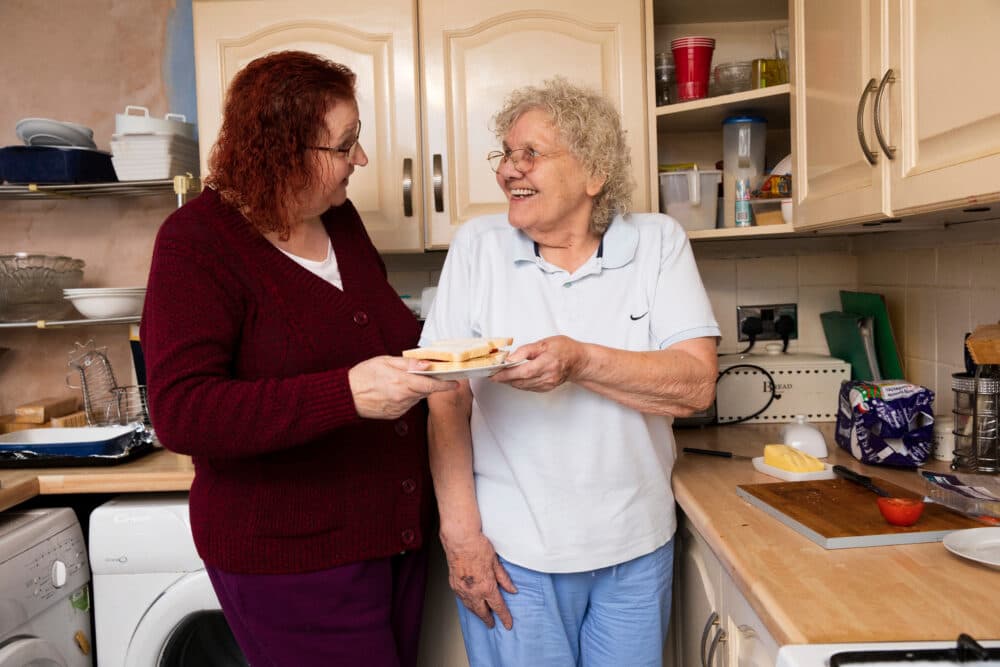
How Small Support Can Improve Safety in Practical Ways
Safety at home is often about reducing the everyday risks that come with tiredness, rushing, or trying to do too much at once. Small care visits can help in ways that feel natural.
Reducing Strain During Daily Tasks
Lifting, bending, and reaching can be tiring. Support with household tasks or personal routines can reduce physical strain and help people conserve energy for the things they enjoy.
Encouraging Steady Movement
Many older adults feel better when they keep moving, even in small amounts. A Care Professional can support light movement as part of daily life, such as a short walk, gentle stretching, or simply encouraging someone to move around the home in a safe, unhurried way.
Supporting Safer Routines in the Kitchen
The kitchen is an important part of independence, but it can also be tiring. Support might mean helping with meal preparation, checking food dates, or making sure mealtimes are not skipped. It can also be as simple as being present while someone cooks, so they do not feel they have to rush.
Helping Someone Feel Less Alone
Feeling isolated can make people less likely to eat properly, go out, or ask for help. Regular visits can provide companionship and a sense of continuity, which can support wellbeing and confidence. Many families also find comfort in knowing that someone trusted is checking in.
Why Consistent Support Can Be Better Than Occasional Big Help
Families often do as much as they can. Visits at weekends, phone calls, and help with bigger tasks all matter. However, gaps between visits can feel long for someone living alone.
Regular, planned support can help in a different way. It keeps routines steady and reduces the need for last-minute problem-solving. It can also prevent care from feeling rushed or reactive, because support is already in place.
This is one of the reasons private care at home can be so helpful. It offers a flexible way to support daily life while keeping someone settled in familiar surroundings.

Choosing Support That Still Feels Respectful and Personal
Support works best when it fits around the person, not the other way around. If you are exploring care, it can help to think about:
- Which parts of the day feel hardest, such as mornings, mealtimes, or evenings
- Which tasks cause the most fatigue or worry
- What the person wants to keep doing for themselves
- What would make life feel calmer and more comfortable at home
Starting with small, manageable steps is often reassuring. Support can then adjust over time, depending on what is needed.
Local Life in Romford and Havering: Friendly Support Beyond the Home
Many older adults have strong ties to their neighbourhoods. Familiar routines, local shops, and the comfort of home can matter a great deal. Care at home can help someone keep those connections while making daily life feel more manageable.
Alongside care at home, local groups can also offer valuable support—especially for people living with memory changes or dementia, and for family carers who may benefit from a friendly place to talk, listen, and socialise.
Home Instead Memory Café (Hornchurch)
A friendly and relaxed drop-in for people living with memory changes or dementia, and their carers. There is no need to have a memory diagnosis, and new members are very welcome.
Expect fun activities, refreshments, and a chance to socialise, with support on hand from Home Instead’s experienced care professionals.
-
When: Monthly, on the first Tuesday (01 January 2024 – 31 December 2029)
-
Time: 13:00 – 15:00
-
Location: Hornchurch Library, 44 North Street, Hornchurch RM11 1TB
-
Cost: Free
-
More information: visit www.homeinstead.co.uk/romford or call 01708 395040
-
Note: All drop-ins and care consultations are free of charge.
Havering Dementia Café (Harold Wood)
A music and social group for people with dementia and their carers. This friendly group includes professional entertainers, refreshments, and a prize draw.
-
When: Last Saturday of every month (30 October 2021 – 28 October 2029)
-
Time: 14:00 – 16:00
-
Location: St Peter’s Church, Gubbins Lane, Harold Wood RM3 0QA
-
Cost: £5
-
First-time attendees: contact Ben Hawley on 07836 236374 or email hawley1234@virginmedia.com
Havering Singing for the Brain (Wednesdays)
A music and social club for people with dementia and their carers, with music, refreshments, and advice. These sessions can be especially helpful for both carers and those they support, offering a chance to socialise in a welcoming setting. New members are very welcome, and the first session is free.
-
When: Weekly, Wednesdays (23 June 2021 – 14 February 2029)
-
Time: 13:00 – 15:00
-
Location: Tweed Way Hall, Tweed Way, Romford RM1 4AZ
-
Cost: £5
-
Further details: see the Singing for the Brain Facebook page
Havering Singing for the Brain (Thursdays)
A music and social group for people living with dementia and their carers. Enjoy live music, singing, and dancing (in line with any current guidance), alongside advice and support from others with lived experience. New members are very welcome, and the first session is free.
-
When: Weekly, Thursdays (15 July 2021 – 25 January 2029)
-
Time: 14:00 – 16:00
-
Location: St John’s Church Hall, Southend Road RM13 7XT
-
Cost: £5
-
Note: Please let the organisers know if you are attending for the first time. Details can be found via the Singing for the Brain Facebook page.
The Dementia Music and Social Club (Rainham)
A friendly music and social club for people living with dementia and their carers, run by experienced volunteers. Sessions include singing and dancing with a professional musician, a quiz, refreshments, and support. New members are very welcome, and the first session is free.
-
When: Weekly, Mondays (27 March 2023 – 26 March 2029)
-
Time: 13:00 – 15:00
-
Location: St John’s Church Hall, Southend Road RM13 7XT
-
Cost: £5 per person (including refreshments)
The Dementia Music and Social Club (Romford)
A welcoming club for people living with dementia and their carers, run by experienced volunteers. Sessions include singing and dancing with a professional musician, a quiz, a singalong, refreshments, and support. New members are very welcome, and the first session is free.
-
When: Weekly, Wednesdays (29 March 2023 – 28 March 2029)
-
Time: 13:30 – 15:30
-
Location: United Reformed Church, 58–60 Western Road, Romford RM1 3LP
-
Cost: £5 per person (including refreshments)
Your Local Home Instead Team
If you are considering private care at home, your local Home Instead team can talk you through options in a calm, practical way. Support can be shaped around what matters to your family, with care visits that fit naturally into day-to-day life.
Home Instead office name:
Home Instead Romford
Office phone number:
01708 989970
Office website URL:
http://homeinstead.co.uk/romford
Google Business Profile link:
https://maps.app.goo.gl/SxoyAuD5w24X2JDc8
Areas Covered (Towns, Villages, Communities):
Romford, Hornchurch, Rainham, Dagenham, Harold Wood, Gidea Park, Rise Park, Emerson Park, Becontree, Rush Green
Postcodes Served:
RM1 1, RM1 2, RM1 3, RM1 4, RM10 7, RM10 8, RM10 9, RM11 1, RM11 2, RM11 3, RM12 4, RM12 5, RM12 6, RM13 7, RM13 8, RM13 9, RM2 5, RM2 6, RM3 0, RM3 7, RM3 8, RM7 0, RM7 7, RM7 9, RM6 6, RM8 1, RM8 2, RM8 3, RM9 4, RM9 5, RM9 6
Ratings and Compliance
Homecare.co.uk rating: 9.9 out of 10
Profile link:
https://www.homecare.co.uk/homecare/agency.cfm/id/65432235515
CQC rating:
Outstanding
CQC report link:
https://www.cqc.org.uk/location/1-7916688733

A Simple Next Step
If you think small, regular support could make daily life feel safer and more manageable at home, it may help to explore the private care at home landing page and speak with the Home Instead Romford office. A friendly conversation can clarify what support might look like, and what could fit comfortably around existing routines.