When to Consider Home Care for Ageing Loved Ones in Newport

If you’re reading this, you may already have a quiet sense that something is changing. Perhaps Mum is forgetting appointments, Dad is struggling with the stairs, or your partner has become less confident going out alone.
Often, the shift is subtle at first: small lapses, a bit more tiredness, a few tasks that now feel like “too much.”
Then one day, it doesn’t feel small anymore.
For many Newport families, the question isn’t whether help is needed, but when to consider home care in Newport and what support could look like without taking away independence. The good news is that help at home doesn’t have to be “all or nothing”. With the right plan, elderly care at home in Newport can be flexible, respectful and built around what your loved one wants most: staying in familiar surroundings, keeping routines, and continuing to live life on their terms.
In this article, we’ll cover the most common signs that extra support could be beneficial, how to start the conversation, and the types of home care services available in Newport, especially for people who want reassurance, companionship and practical help at home.
Why “the right time” often comes earlier than families expect
Many people wait until a crisis happens: a fall, a hospital admission, a sudden decline, or family carer burnout. But in reality, the most positive outcomes often come when support is introduced before things become urgent.
Choosing in-home care for older adults in Newport early can:
- Reduce avoidable accidents and hospital visits
- Support confidence and independence
- Ease pressure on family members
- Help detect changes in health and wellbeing sooner
- Provide companionship and routine (two things that can decline quietly)
In short, home care can be preventative as well as supportive.

Signs a loved one needs home care in Newport
Every person’s needs are different, but there are common patterns families notice. If several of these feel familiar, it may be time to explore private home care in Newport.
1) Daily tasks are being skipped or becoming unsafe
Look for signs such as:
- Unwashed dishes piling up, laundry going undone
- Out-of-date food, unopened post, clutter creating trip hazards
- Difficulty preparing meals or using the cooker safely
- Wearing the same clothes repeatedly or dressing inappropriately for the weather
These can indicate that everyday routines are becoming difficult or tiring, even if your loved one says they’re “fine.”
2) Personal hygiene changes
One of the most sensitive indicators is a shift in personal care:
- Less frequent bathing or showers
- Struggling with hair washing, shaving, dental care, or nail care
- Wearing soiled clothing or smelling of urine
- Skin irritation, pressure areas, or worsening mobility making washing harder
This is where personal care at home can be life-changing: providing dignified support while protecting comfort and health.
3) Mobility is reduced, or falls become a worry
You might notice:
- Furniture-walking or holding onto walls
- Avoiding stairs or going upstairs less often
- Unexplained bruises, “near misses,” or falls
- Fear of leaving the house
Even when someone hasn’t fallen, fear can lead to reduced activity, which can then weaken muscles and balance. Gentle support at home can help maintain mobility and confidence.
4) Memory lapses or confusion are increasing
Some forgetfulness can be normal, but consider support if you notice:
- Missed medication doses or confusion about prescriptions
- Getting lost in familiar places in Newport
- Leaving doors unlocked or forgetting to turn appliances off
- Struggling with finances, bills, or unusual spending
- Repeating stories frequently or difficulty following conversations
When memory changes are present, routines matter. Consistent visits from a trained Care Professional can be reassuring for the person and their family.
5) Nutrition and hydration are slipping
Common clues include:
- Weight loss, low appetite, or relying on biscuits/toast
- Dehydration signs (headaches, dizziness, confusion, constipation)
- Difficulty shopping or carrying groceries
- Loss of interest in cooking, or forgetting to eat
A carer can support meal prep, prompt hydration, and help with shopping—small steps that can make a big difference.
6) Health conditions are becoming harder to manage
If your loved one lives with arthritis, COPD, diabetes, heart conditions or frailty, they may start needing:
- Support with medication routines
- Help attending appointments
- Monitoring for changes (swelling, breathlessness, fatigue)
- Support after illness or hospital discharge
Home care can work alongside NHS services by providing practical, day-to-day support in the home.
7) Loneliness, low mood, or withdrawal
This is often overlooked—yet it’s one of the most common reasons families seek companionship care in Newport. Look for:
- Fewer phone calls, cancelled plans, reluctance to go out
- Loss of interest in hobbies
- Low mood, irritability, or anxiety
- Saying things like “There’s no point” or “I’m a burden”
Companionship isn’t “just a chat.” For many people it’s a lifeline; bringing routine, connection, and confidence back into the week.
8) The family carer is stretched too thin
Sometimes the biggest sign isn’t your loved one’s health. It’s the pressure on the family. If you or other relatives are:
- Constantly worried, checking in multiple times a day
- Missing work, losing sleep, or feeling guilty and overwhelmed
- Arguing about what to do or who should help
- Feeling resentment alongside love (very common, and human)
That’s a clear signal to explore support for families caring for elderly relatives in Newport. Home care can share the load while keeping family relationships healthier.
When home care can be a smart step even without “big” needs
You don’t have to wait for personal care needs to appear. Many people start with light-touch support such as:
- Help with shopping and errands
- Companionship visits and wellbeing checks
- Support with meal preparation
- Light housekeeping
- Help getting out and about in Newport—walks, cafés, appointments
Starting early allows your loved one to build trust with a Care Professional, and it can make later support feel far more natural.
How to start the conversation (without a row)
Talking about care can be emotional. People may hear “home care” and assume it means losing independence. A better approach is to focus on goals and quality of life.
Try:
- “What would make things a bit easier at home?”
- “I want you to feel confident and safe. Can we look at some extra support?”
- “Let’s try a little help for a few weeks and see how it feels.”
- “It’s not about taking over, it’s about keeping you in control.”
Avoid leading with fear (“You can’t cope”) and instead highlight choice, independence, and practical benefits.
A helpful mindset: home care is support, not surrender.
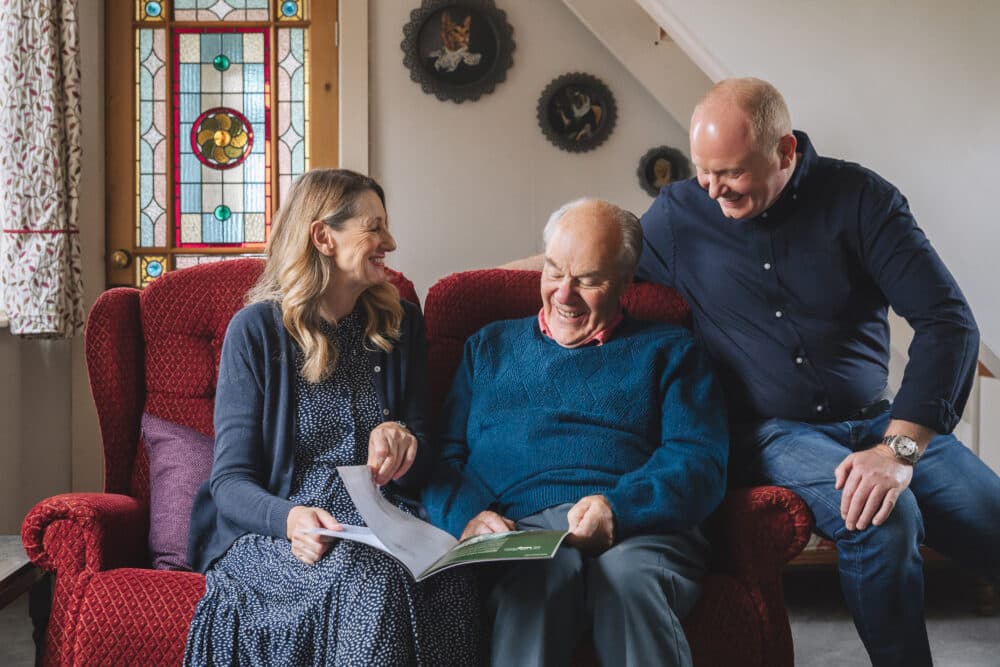
What types of home care services in Newport are available?
Here are common options families consider. Many people use a combination, adjusting as needs change.
Companionship care in Newport
Ideal if the main need is social connection, reassurance, or help getting out and about. Visits might include:
- Conversation and shared activities
- Walks, cafés, gardening, hobbies
- Shopping support
- Encouragement to keep routines
Personal care at home in Newport
This supports daily living with dignity, such as:
- Washing and bathing
- Dressing
- Toileting support
- Grooming and hygiene
- Morning and bedtime routines
Help around the home
Practical support that keeps the home environment comfortable and safe:
- Meal preparation
- Light housekeeping
- Laundry
- Medication reminders
- Safety checks and routine support
In-home care for older adults in Newport after hospital
After discharge, the first days and weeks can be the most fragile. Short-term support can help with:
- Regaining confidence and mobility
- Medication routines
- Meal prep and hydration
- Reducing the risk of readmission
Private home care in Newport: flexible and tailored
Many families prefer private home care in Newport because it can be arranged around:
- Visit times that suit the person’s routine
- Consistency with Care Professionals
- Support that adapts as needs change
- A personalised plan built around what matters most
How much care is “enough”? (The flexible approach)
Care can start small and grow with your loved one. Examples:
- 30–60 minutes a few times a week for companionship or practical help
- Daily morning visits for personal care and breakfast
- Twice-daily visits for morning and evening routines
- More intensive support during recovery after illness
The right plan is the one that improves quality of life without overwhelming your loved one.
A simple checklist: when to consider home care in Newport
You may be ready to explore care if:
- You’re worried about safety at home (falls, cooking, medication)
- Your loved one is struggling with personal care or hygiene
- Meals are being skipped or nutrition is poor
- Loneliness is affecting mood and motivation
- Memory issues are causing day-to-day risks
- Family carers are exhausted or constantly anxious
- There has been a recent hospital stay or health change
If two or more apply, it’s worth having a conversation and learning your options.
Why families in Newport choose Home Instead
At Home Instead Newport, Cwmbran, and Chepstow, we understand that inviting someone into your home is a big step. Families often come to us wanting support that feels personal, calm, and respectful, not rushed or clinical.
Whether you need companionship care, personal care at home, or broader home care services, our aim is to help older adults stay safe, well, and connected while also providing support for families caring for elderly relatives in Newport.
Next steps: getting help without pressure
If you’re wondering about care for ageing parents in Newport, the best first step is simply talking it through. You don’t need to decide everything today. Exploring options early gives you more choice, more control, and more time to plan around what your loved one truly wants.
When you’re ready, you can contact Home Instead Newport, Cwmbran, and Chepstow via our website to discuss elderly care at home in Newport and what a supportive, flexible care plan could look like for your family.