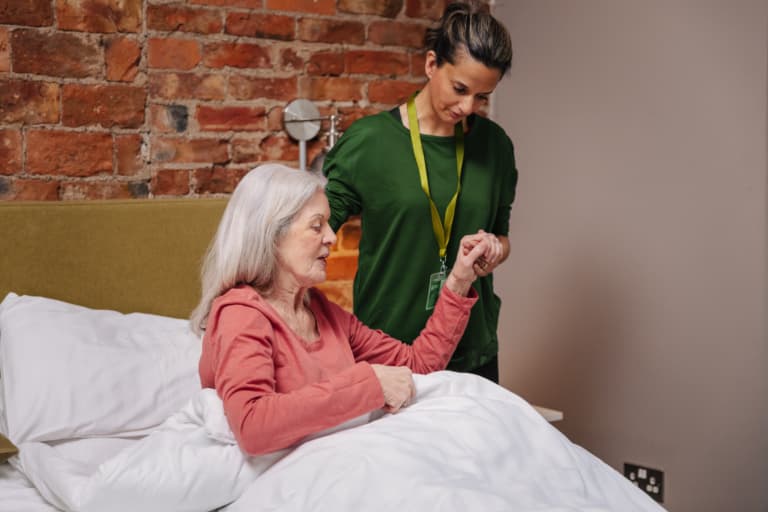
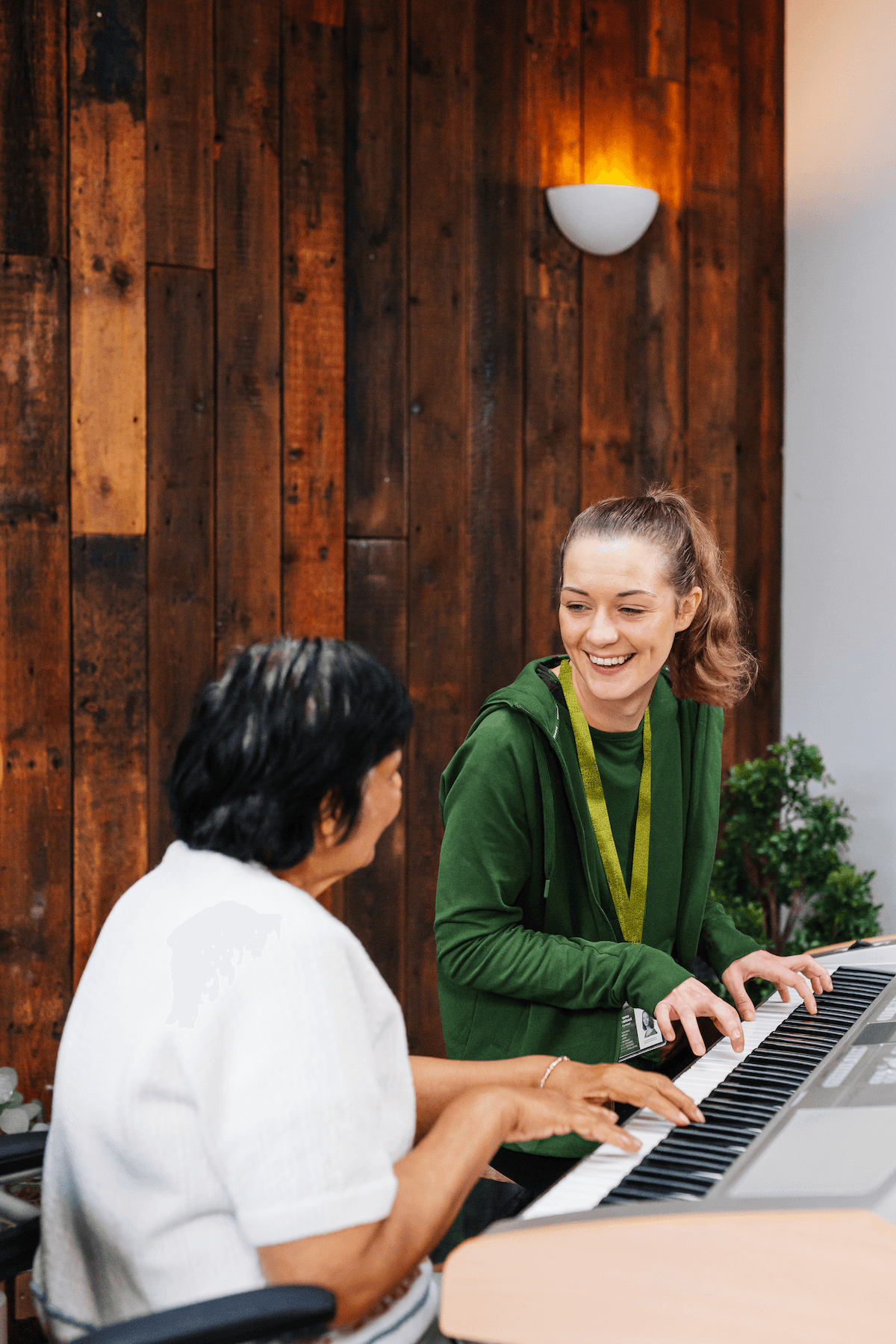
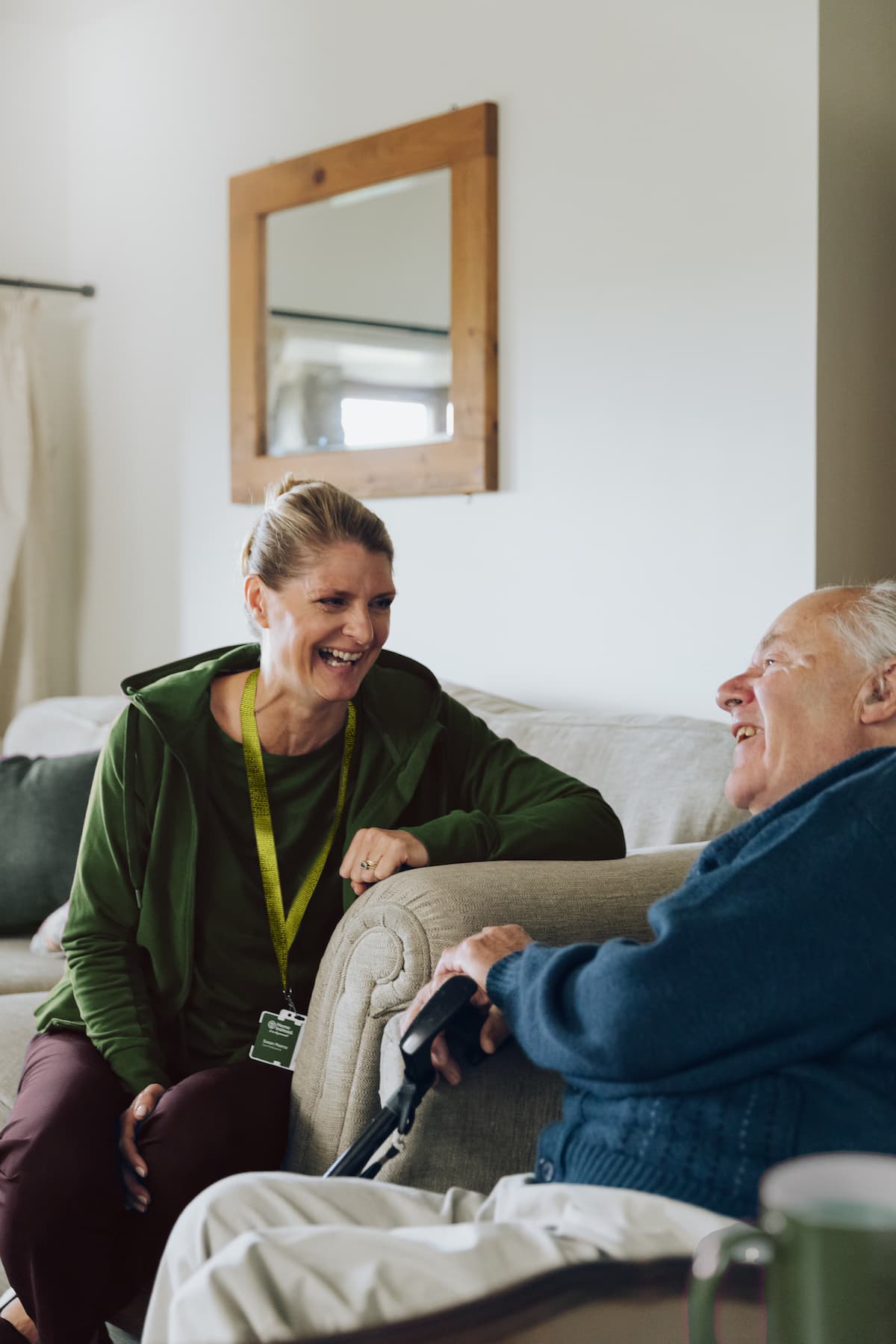
For someone living with dementia, staying in familiar surroundings with a routine that already makes sense helps them feel settled and secure. Our approach to dementia care in Yorkshire and the Humber centres on one-to-one support that fits around each person's life, their preferences, and their pace. We get to know what someone enjoys, how they like their day to run, and what helps them feel at ease.
Highest regulatory ratingsCare for 18,000+ older peopleRecommended by 95% of our clients 10,000 trained Care ProfessionalsHomecare.co.uk rating 9.6/10
Highest regulatory ratingsCare for 18,000+ older peopleRecommended by 95% of our clients 10,000 trained Care ProfessionalsHomecare.co.uk rating 9.6/10
Why Home Instead?
Personalised dementia care that starts with listening
Your situation is unique – your care should be too. We match our Care Professionals based on their dementia training, interests and personality, so care is always tailored to you.
20 years of trusted experience
We exceed UK regulatory standards, rank highly on Homecare.co.uk, and our qualified Care Professionals are trained to the highest standard so you can have complete peace of mind.
City & Guilds Assured dementia training
Our programme was created exclusively for Home Instead, and developed alongside key dementia specialists. We focus on caring not just for the condition, but for the person behind it.
Compassionate support for complex behaviours
We work to understand your loved one's world so we can join them in it - this helps us keep them safe and calm, provide stimulating activities, and effectively soothe challenging and complex behaviours.
Loading map...
Home care in Yorkshire and the Humber
Home care in Yorkshire and the Humber supports people to live independently and comfortably in the place they know best - home. Enter postcode of the person to find your nearest office and local care team.
Trusted, Personalised Home Care in Yorkshire and the Humber
Keeping to a familiar daily pattern can make the day easier to follow. Our Care Professionals learn how a client prefers their morning to begin, what they like to eat and when, and which evening routines help them settle. Medication prompts can sit within that structure, with Care Professionals keeping to agreed schedules and liaising with pharmacies or GPs when needed.
We are regulated by the CQC, and every Care Professional completes specialist dementia training before supporting clients. They also look at practical details around the home, such as poor lighting, cluttered walkways or items that are difficult to reach, and suggest straightforward changes that may make daily tasks easier.
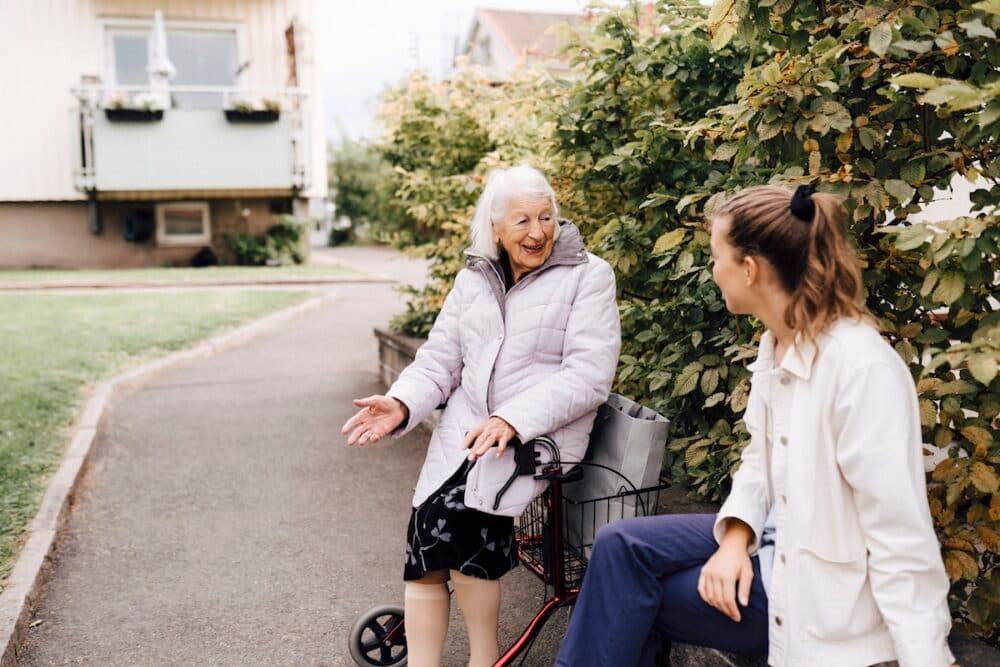
Outings are planned around the person rather than added for the sake of filling time. Someone in Hull might enjoy a familiar walk through East Park, while a client in York may prefer a quiet stroll beside the River Ouse. The Care Professional follows their pace and steps in only where support is needed.
Whatever your situation, Home Instead can provide quality care to enable your loved one to stay where they belong: at home. Share your details here and one of our friendly advisors will reach out to answer your questions.
Thanks again for the great care you all are giving Mum, from someone so reluctant to accept care now looks forward daily to her Care Professionals. BIG achievement!
Janet, Client's Family
Loading form...
By submitting this form, you consent to Home Instead contacting you about our care services. Your data is handled in accordance with our Privacy Policy. We will never share your information with third parties for marketing purposes.
Our Care Starts With Connection
Regular visits help a Care Professional understand how someone usually communicates, which subjects hold their attention and when they need more time to respond. That familiarity reduces the need to explain routines repeatedly and helps the Care Professional adjust their approach without making the person feel watched or corrected.
Each Care Professional is matched to the client based on personality and shared interests as well as practical needs. Visits are informal, and the same person attends wherever possible so the relationship has time to develop.
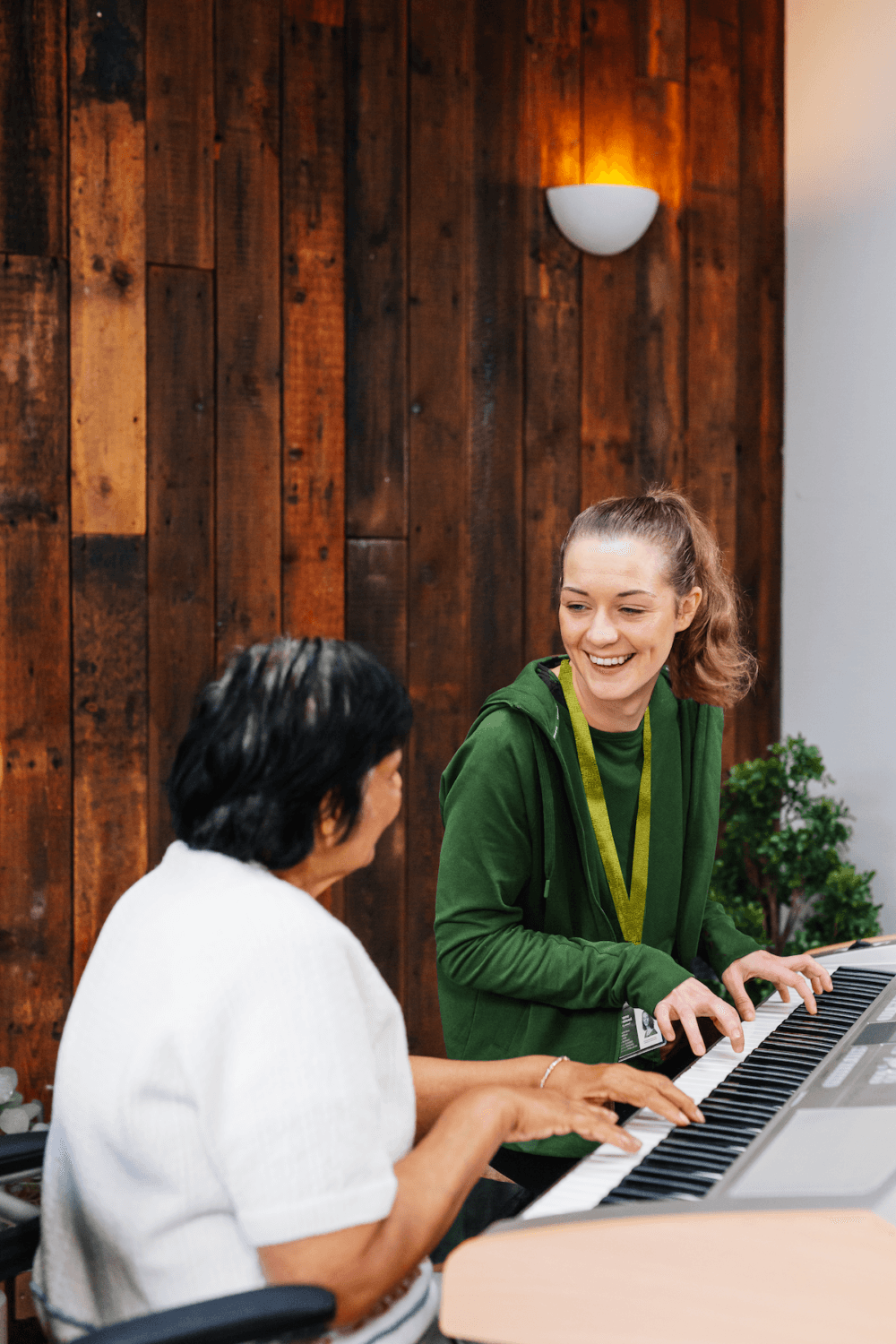
Care Professionals use clear, unhurried language, offer one prompt at a time and allow pauses without filling them too quickly. If a conversation becomes frustrating, they may turn to music, photographs or a familiar task instead. City & Guilds assured dementia training gives them practical ways to respond to changes in communication, mood and confidence while keeping the person involved in what they can still manage.
Our Home Care Services
We're ready to help you make an informed, confident choice for your loved one, with bespoke and easily-adapted packages designed around their needs.
Hourly Home Care
When your loved one begins to need more frequent support, our flexible home care solutions help them stay safe and independent at home. We don't take a one-size-fits-all approach. Instead, we personalise your experience with responsive, attentive, and genuinely compassionate care, so you can feel reassured they are in capable hands.
We understand how overwhelming it can be to leave your loved one if they live with a condition like dementia, arthritis, or diabetes. Our highly experienced Care Professionals are matched based on their specialist knowledge and expertise, so you can feel content knowing your loved one's health conditions are carefully monitored and managed.
We are proud to be the benchmark for exceptional care, so all of our qualified Care Professionals receive training that goes above and beyond the industry standard. When it comes to complex health conditions, you can rest assured that your loved one's safety and wellbeing is always a top priority.
Our live-in care provides round-the-clock support and offers a welcome alternative to residential care, empowering your loved one to remain independent in the environment they know. With person-centred care from someone they recognise, older individuals can benefit from familiarity, friendship, and a consistent care plan.
Thanks again for the great care you all are giving Mum, from someone so reluctant to accept care now looks forward daily to her Care Professionals. BIG achievement!
Janet, Client's Family
Home Instead provide first class care. My care professionals are patient, kind and very reliable. I am very happy with the service they provide
Paul, Client
As I got older, I realised that this service had made me happy in my own home.
Elisie, Client
Our Yorkshire and the Humber Team is With You Through Every Step
Dementia brings changes, sometimes gradually and sometimes quickly. We stay ahead of those changes through regular care plan reviews, adjusting the level and type of support so it keeps pace with what's happening now.
We keep families informed with honest, specific updates about what we've observed: how someone's eating, whether their sleep pattern has shifted, any changes in mood or behaviour. We'll also share practical advice on what to expect and how to plan for what comes next. Our team coordinates with GPs and other health professionals too, passing on relevant information and making sure nothing gets missed.
As part of our dementia care in Yorkshire and the Humber, we're available for questions between visits. If something comes up or a family member wants to talk through a concern, they can speak to someone who knows their relative and understands the full picture.
Our home help services in Yorkshire and the Humber provide compassionate assistance with daily tasks, ensuring comfort and independence for your loved ones.
Our dementia care in Yorkshire and the Humber is designed by experts and is City & Guilds Assured, so you know your loved one is receiving only the very best care. Our Care Professionals focus on creating an environment that's calm and consistent, while maintaining dignity and familiar routines to reduce confusion and keep clients comfortable.
Having someone stay in your home to provide care can feel daunting, but our live-in care solutions help to bring older adults more independence and enjoy a greater sense of wellbeing. If you value the peace of mind that comes with knowing there is always someone nearby, live-in care in Yorkshire and the Humber could be an excellent alternative to a care home.
The right support is crucial when managing pain and end-of-life care. Our palliative care focuses on dignity and enables your loved one to remain in the place they feel happiest. We provide considerate palliative care in Yorkshire and the Humber, so you can spend more meaningful moments together while we carefully manage their pain and comfort.
Taking a break from caring can feel impossible if your loved one is lonely or has challenging health conditions, but our respite care in Yorkshire and the Humber is designed to step in with dependable care at any time. Whether you're recharging your batteries or managing other commitments, our Care Professionals can provide reliable support, so you can take time to yourself without disrupting routines.
Discover personalised, flexible personal care for older adults in Yorkshire and the Humber, from compassionate Care Professionals focused on encouraging independence.
Discover personalised, flexible overnight care for older adults in Yorkshire and the Humber, from compassionate Care Professionals focused on encouraging independence.
Discover personalised, flexible nail care for older adults in Yorkshire and the Humber, from compassionate Care Professionals focused on encouraging independence.
Discover personalised, flexible arthritis and mobility care for older adults in Yorkshire and the Humber, from compassionate Care Professionals focused on encouraging independence.
Discover personalised, flexible stoma care for older adults in Yorkshire and the Humber, from compassionate Care Professionals focused on encouraging independence.
Discover personalised, flexible cancer care for older adults in Yorkshire and the Humber, from compassionate Care Professionals focused on encouraging independence.
Discover personalised, flexible catheter care for older adults in Yorkshire and the Humber, from compassionate Care Professionals focused on encouraging independence.
Discover personalised, flexible overnight care for older adults in Yorkshire and the Humber, from compassionate Care Professionals focused on encouraging independence.
Discover personalised, flexible Parkinson's care for older adults in Yorkshire and the Humber, from compassionate Care Professionals focused on encouraging independence.