Finding A New Daily Routine After A Neurological Diagnosis at Home

Receiving a neurological diagnosis often brings a lot of information at once, but it does not mean that everyday life needs to lose its sense of familiarity or balance. Many people continue living well at home, supported by routines, relationships and the things that make each day feel settled and comfortable.
Whether you are the person who has received the diagnosis or someone close to them, it can be reassuring to know that independence can still be respected and daily life can continue in a way that feels natural. Home remains a place of comfort, where preferences, habits and personal rhythms are understood and valued, and where families can feel confident that the right support is in place.
This article shares practical, reassuring ideas for maintaining familiar routines at home and making day-to-day life more comfortable. It explores how thoughtful support, including from Care Professionals, can fit seamlessly around existing ways of living, offering peace of mind for families while allowing life at home to continue in a steady, supportive way.

What a Neurological Diagnosis Can Mean Day To Day
“Neurological” simply means that the brain, spinal cord or nerves are affected. This can show up in many different ways in everyday life. For some people, movement becomes slower or more unsteady. For others, speech, memory, concentration or mood are affected.
At home, you might notice changes such as getting dressed taking longer, more difficulty getting up from a chair, feeling very tired after simple tasks, or finding it harder to plan and organise your day. Even things you have always done without thinking, like making a cup of tea or using the phone, might now need more time and focus.
These changes can be gradual or can come quite quickly after a hospital stay or health event. There is no right or wrong way to experience them. What matters is noticing what is different for you or your loved one, so that you can start to adapt your routines and environment in a way that feels calmer and safer.
Giving Yourself Time To Adjust Emotionally
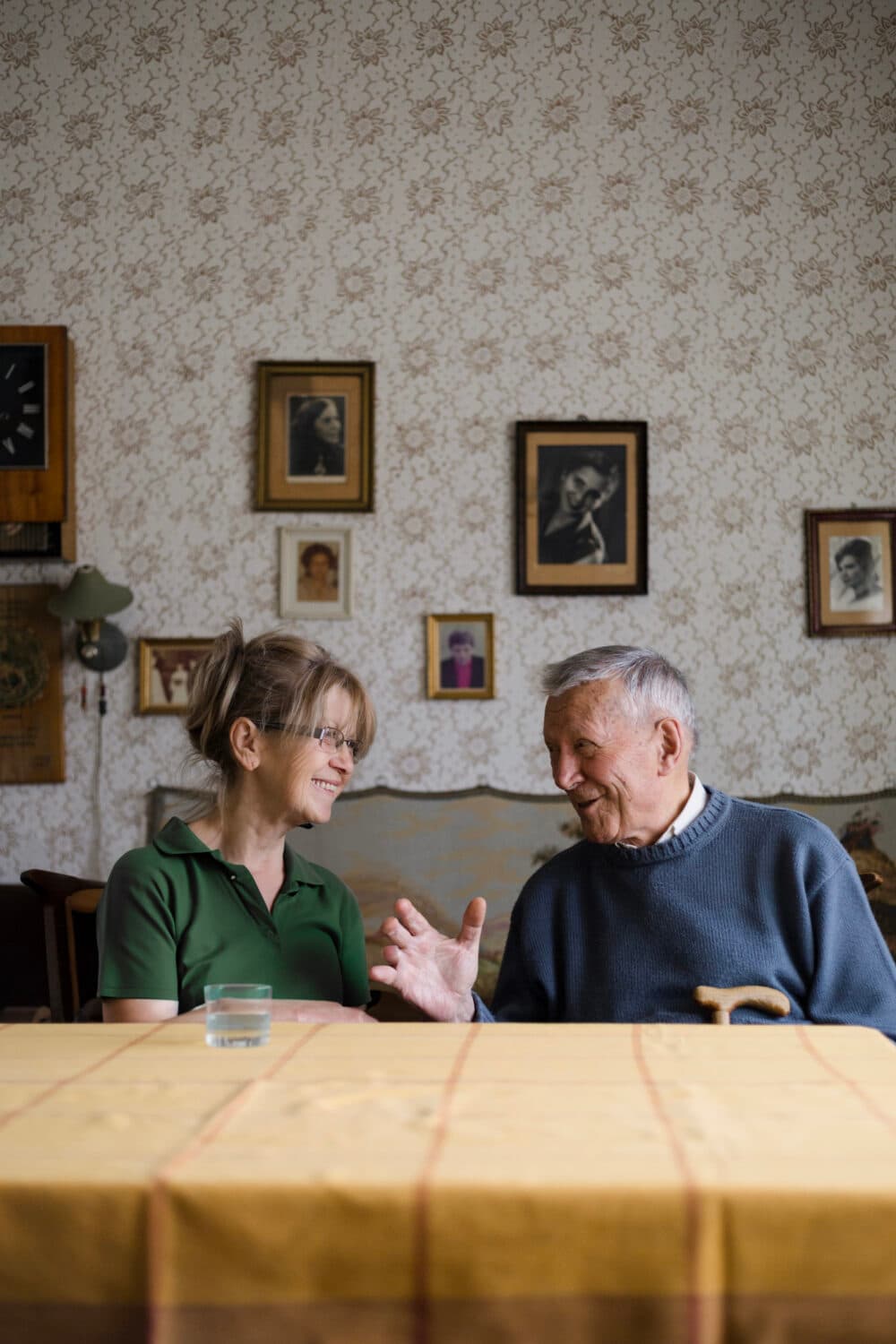
A diagnosis not only affects the body. It affects how you feel about yourself, your relationships and your plans for the future. You might move between anger, sadness, worry and hope, sometimes all in the same day. Partners and family members often experience their own mixture of emotions, too.
Try to remember that there is no “correct” reaction. It is perfectly normal to feel unsettled or to grieve for the life you expected to have. Talking about this with someone you trust can make a real difference, whether that is a friend, a family member, a health professional or a trained Care Professional who visits regularly.
It can also help to give yourself some structure around medical information. Keeping a notebook or notes on your phone for questions before appointments and writing down what is said afterwards can make things feel more manageable. You do not have to remember everything at once, especially when you are tired or overwhelmed.
We know that living with a long-term condition can make everyday tasks more tiring, both physically and emotionally. Being kind to yourself, and accepting that you may need extra rest or help some days is an important part of finding your new normal.

Practical Ways To Create A New Routine At Home
Once the first shock has settled a little, many people find it useful to look at how their day is organised. A few small changes can make home life feel more predictable and less rushed.
You might start by mapping out a typical day as it is now. Notice when symptoms are better or worse. For example, mornings may be when energy levels are higher, while afternoons might be when fatigue, pain or brain fog show up more strongly. Try to fit the most effortful tasks into your “better” times of day and allow space for rest at more difficult times.
Think about your environment, too. Simple changes like keeping frequently used items in easy reach, adding a sturdy chair in the kitchen, or rearranging furniture to reduce trip hazards can make moving around at home safer and less stressful. Keeping pathways clear and having good lighting can be especially helpful if balance or vision is affected.
A written daily routine can also support memory and reduce anxiety. This might be a simple checklist on the fridge, or a calendar with regular visits and appointments marked clearly. When Care Professionals, friends or relatives visit, you can share this routine so everyone understands what matters most to you or your loved one.
Support at home can slot into this routine. For example, a Care Professional might visit in the morning to help with getting up, washing and dressing, then later in the day to prepare a meal, prompt with medication in line with the agreed care plan, or support with an evening wind-down.

How Family And Friends Can Share The Load
If you are supporting a loved one after a neurological diagnosis, it is easy to slip into doing everything yourself. You may feel that you are the person who understands them best, or that asking for help is “too much” to expect of others.
In reality, caring is far more sustainable when it is shared. Family members and friends can often play different roles depending on their time, skills and distance. One person might handle phone calls and paperwork, another might visit regularly for company, while someone else might take on shopping or lifts to appointments.
Having an honest conversation as a family, if possible together with the person who has been diagnosed, can help to set realistic expectations. It is important to talk about what you can and cannot manage, especially if you are also working or looking after children. Being open about your limits is not selfish. It is a way of protecting your own health so that you can continue to be there in the long term.
It can also be reassuring to agree on some backup arrangements. For example, who could step in if you are unwell or need a break, and when might you consider extra support at home from trained Care Professionals?

How Support At Home Can Fit Around Your New Normal
Support at home does not have to replace what families and friends already do. Instead, it can sit alongside your efforts, filling the gaps that are harder to cover and allowing you to spend your time together as a family rather than only as “carer” and “patient”.
Companionship Care can offer regular company, conversation and social contact, so that visits are not only about practical tasks. A Care Professional might share a cup of tea and a chat, help with hobbies, support gentle walks or outings where these are safe, or assist with letters, phone calls and simple technology to keep in touch with others.
Home Help can make the home environment easier to manage. This might include light housework, laundry, changing bed linen, help with shopping or collecting prescriptions, and preparing meals and drinks. When living with fatigue or mobility changes, having these jobs taken care of can free up energy for the things that bring more joy and comfort.
For those who need hands-on support, Care at Home visits can include respectful Personal Care such as help with washing, bathing, dressing and using the toilet, always at a pace that feels dignified and unhurried. Where memory or confusion is part of the picture, specialist Dementia Care can offer consistent routines, calm explanations and activities that draw on long-term memories, such as music or photos.
Because every neurological condition is different, support at home can be adjusted over time. You might start with one or two visits a week and then increase or change them as needs change, always to stay as independent as possible in familiar surroundings.
Support From Your Local Home Instead Team
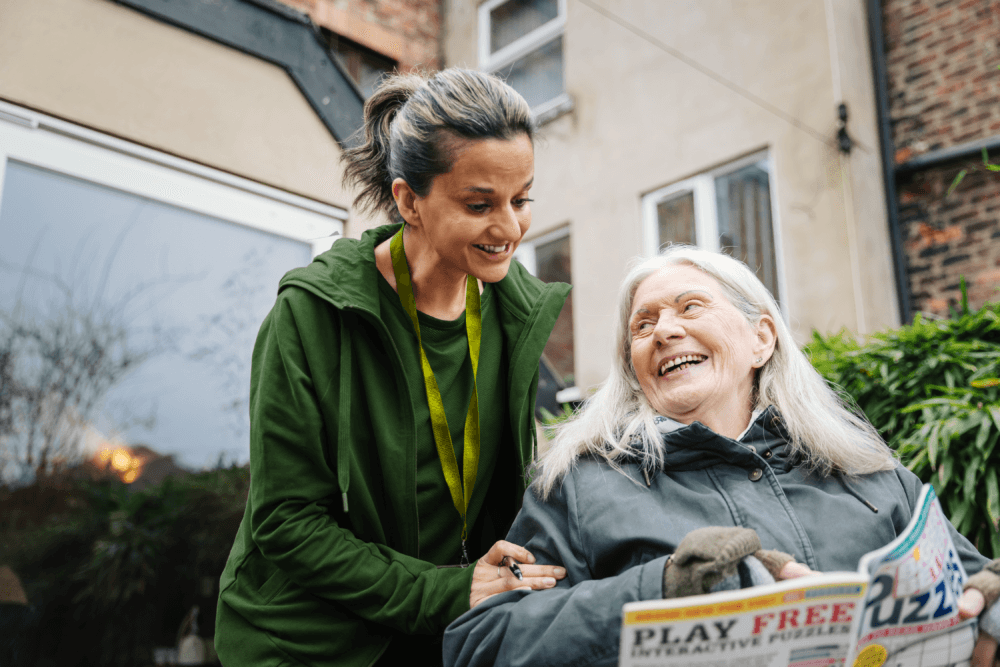
At Home Instead Enfield, our team of Care Professionals supports older adults and their families to live safely and comfortably at home after all sorts of health changes, including neurological diagnoses. We have been part of the local community for many years, supporting people across Enfield as well as areas such as Bush Hill Park, Winchmore Hill and Southgate.
Our office is rated Good by the Care Quality Commission, and you can read the latest report on the Care Quality Commission website. We are also rated 10 out of 10 on homecare.co.uk, where you can see feedback from people we support and their families on our profile.
Visits are carefully planned so that the same familiar faces come at agreed times, with enough time to provide unhurried, person-centred care. Whether the focus is Companionship Care, Home Help or more personal, hands-on support, our Care Professionals are trained to work alongside you, not take over the things you can and want to do.
If you would like to know more about how we work or see where we are based, you can find our office at Unit 22, 26-28 Queensway, Ponders End, Enfield EN3 4SA, and look us up on our Google business listing for directions and reviews.

A Gentle Reminder To Take Things One Step At A Time
Adjusting to life after a neurological diagnosis is a journey, not a single decision. Routines may change, relationships may shift, and there will almost certainly be good days and tougher days. It is okay to take things slowly, to change your mind, and to ask for help as you go.
What matters most is that you and your loved one feel as safe, understood and supported as possible at home. That might mean small tweaks to your day, or it might involve bringing in extra support so that you can focus on being a partner, son, daughter or friend again.
When you feel ready to explore care at home in Enfield and the surrounding areas, you are very welcome to get in touch with Home Instead Enfield on 0203 6418851. We are always happy to listen and talk through what might help you or your loved one, whether now or in the future.

How can we help?
We've helped thousands of families to stay safe, comfortable and happy at home. Whatever situation you're facing, or whatever the question is, Home Instead is here to help.
Are you in need of a little guidance right away?
03300 583450Other non-care-related enquiries
Areas We Serve
Enfield, Palmers Green, Winchmore Hill, Bush Hill Park, Southgate, Cockfosters, Edmonton, Brimsdown and the surrounding areas
EN1 1, EN1 2, EN1 3, EN2 0, EN2 6, EN2 7, EN3 4, EN3 5, EN3 6, EN3 7, N13 4, N13 5, N13 6, N14 4, N14 5, N14 6, N14 7, N21 1, N21 2, N21 3, N9 0, N9 7, N9 8, N9 9
Unit 22, 26-28 Queensway, Ponders End, Enfield EN3 4SA, UK