Adjusting to Life at Home After a Diagnosis Without Losing Independence
A neurological diagnosis can bring a lot of change at once. Even when the plan is clear medically, daily life can feel less certain. Many people worry about losing independence, routines, and the small freedoms that make home feel like home.
The reassuring truth is that independence is not all-or-nothing. For most people, it is about finding practical ways to keep doing what matters, safely and confidently, with the right support around you. This article offers calm, realistic guidance for adjusting to life at home after a diagnosis, while protecting your choice, dignity, and day-to-day control.
Independence Can Look Different, and Still Be Yours
After a diagnosis, it is common for energy levels, balance, mobility, memory, or speech to vary from day to day. Some tasks may take longer or feel more tiring than they used to. That does not mean you have to give up the things you value.
Independence often means:
- making your own decisions
- keeping your usual routines where possible
- doing the parts of a task you can manage
- having support with the parts that are harder
- feeling safe at home without feeling restricted
A gentle shift in how you do things can make a big difference. Many people find it helpful to focus on what you want life to look like at home, then work backwards to identify the small adjustments that help you get there.
Start With What Matters Most to You
In the early days after a diagnosis, it can help to choose a few priorities rather than trying to solve everything at once. Think about what makes you feel most like yourself.
For example:
- getting washed and dressed in a way that feels private and unhurried
- preparing simple meals, or enjoying a familiar cup of tea in peace
- staying connected with friends, neighbours, or local community routines
- keeping up with hobbies, light outings, or short walks
- feeling confident moving around your home
Once you know what matters most, you can plan support around those goals. This approach helps you stay in control, rather than feeling that life is being organised for you.

Make Home Feel Easier, Not “Clinical”
Small changes at home can reduce effort and improve confidence, without making your space feel medical. Often, the best adjustments are the ones that blend into daily life.
Helpful examples include:
- creating clear walking routes by reducing clutter and trailing wires
- using good lighting in hallways and on stairs
- placing everyday items at waist height so you do not have to bend or reach
- adding a sturdy chair in the bathroom or bedroom for rest breaks
- using reminders for medication, appointments, or daily tasks if memory is affected
If you are unsure where to start, a simple room-by-room review can highlight what is getting in the way. The aim is comfort and safety, while keeping the home familiar and personal.
Build Routines That Work With Your Energy
Many neurological conditions involve fatigue or changes in stamina. A routine that once felt easy may now seem overwhelming. This is not a failure; it is a sign you may need to pace things differently.
A steadier rhythm can include:
- doing one bigger task in the morning and keeping afternoons lighter
- planning rest breaks before you feel exhausted
- spreading household jobs across the week rather than doing them all at once
- choosing consistent times for medication, meals, and personal care
It can also allow flexibility. If mornings are harder, no rule says you must shower before breakfast or do chores at a certain time. The best routine is the one that supports your wellbeing.

Keep Doing Tasks, With Support in the Right Places
One of the most effective ways to maintain independence is “supported doing”, not “taking over”. That means you stay involved in daily tasks, with another person stepping in only where needed.
This might look like:
- help with steadying and safety while you wash, while you remain in control of your personal care
- prompting and reassurance when memory or concentration dips
- support with meal preparation, while you choose meals and stay involved
- assistance with safe movement around the home, especially on stairs or when transferring from chair to bed
- gentle support getting out for fresh air or local errands, without rushing
The goal is to protect confidence. When support is introduced thoughtfully, many people find they can keep skills for longer and feel more comfortable trying things rather than avoiding them.

Talk Openly About Changes, Without Letting Them Define You
A diagnosis often affects the whole household. Partners and family members may want to help, but may not know what is useful or how much support to offer. Clear, calm conversations can reduce tension and help everyone feel more secure.
It may help to agree:
- what you prefer to do for yourself
- what support feels helpful, and what feels too much
- how to handle difficult moments, such as fatigue, frustration, or low confidence
- who to contact if you feel unwell or unsure
Many people also find it useful to write down key information, such as medication timings and daily preferences, so support is consistent and less stressful.

Planning for “Wobbly Days” Can Bring Peace of Mind
Some days may feel straightforward, while others take more effort. Planning for those harder days can help you feel prepared, not worried.
A practical plan might include:
- keeping a simple list of symptoms or signs that mean you should rest more
- having easy meals available for low-energy days
- setting up reminders for medication and hydration
- deciding who to call if you need extra help
- arranging extra care visits when needed, even temporarily
Having a plan does not mean you expect things to go wrong. It simply means you are supported, whatever the day brings.

How Neurological Care at Home Can Support Independence
Neurological care at home is not just about practical help. It is about supporting the person you are, your preferences, and the life you want to live in your own space.
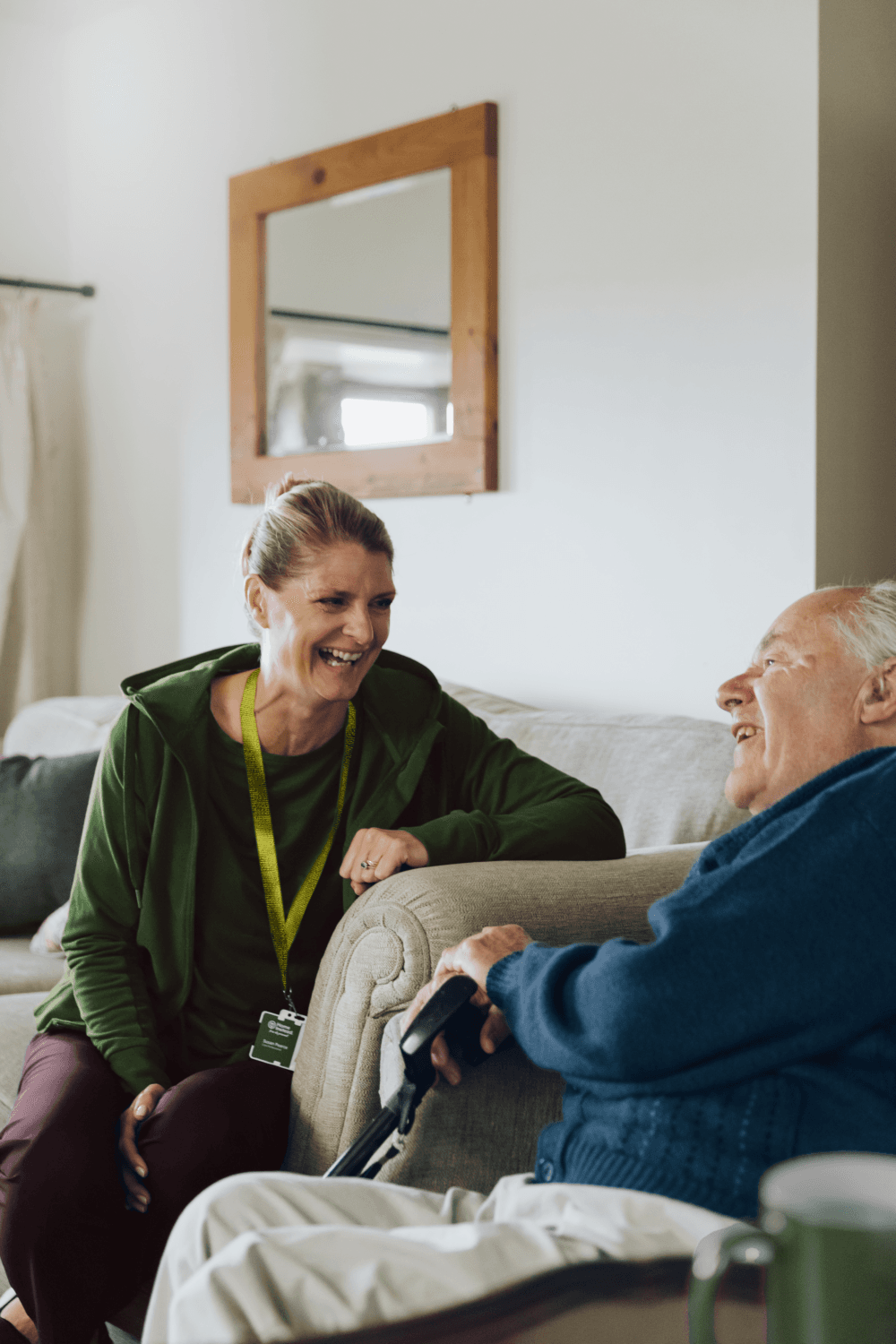
Home Instead Care Professionals can provide personalised support that may include:
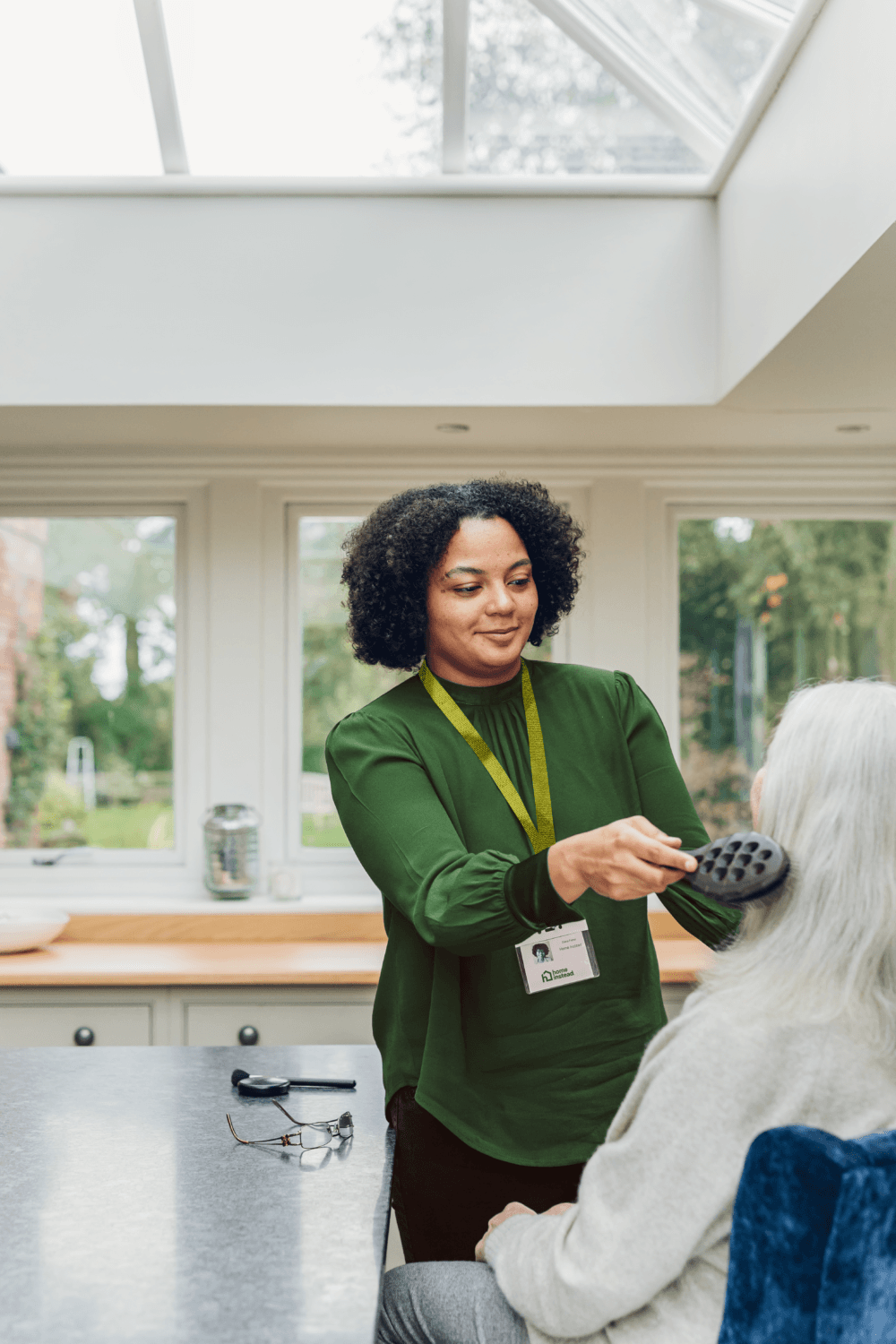
- help with washing, dressing, grooming, and continence care, delivered with dignity and privacy
- mobility support around the home, including transfers and safe movement
- mealtime support and hydration prompts
- medication reminders and routine support
- companionship and gentle encouragement to stay connected with day-to-day life
- support for family members, so care feels consistent and reassuring
Care can be adjusted as needs change, and built around your routines, not the other way around.
Your Local Home Instead Team
When you are adjusting to life at home after a neurological diagnosis, it helps to know there is local, familiar support available. Home Instead Enfield offers personalised home care that respects your independence and focuses on what matters to you day to day.
Home Instead office name:
Home Instead Enfield
Office phone number:
0203 6418851
Office website URL:
https://www.homeinstead.co.uk/enfield/
Google Business Profile link:
https://maps.app.goo.gl/Z198nAFpdMWaNxxa6
Areas covered (towns/villages/communities):
Enfield, Bush Hill Park, Palmers Green, Grange Park, Southbury, Upper Edmonton, Southgate, Winchmore Hill, Worlds End, Oakwood
Postcodes served:
EN1 1, EN1 2, EN1 3, EN2 0, EN2 6, EN2 7, EN3 4, EN3 5, EN3 6, EN3 7, N13 4, N13 5, N13 6, N14 4, N14 5, N14 6, N14 7, N21 1, N21 2, N21 3, N9 0, N9 7, N9 8, N9 9
If you would like to understand what neurological care at home could look like for you or a loved one, you can explore the local landing page and contact the team for a calm, no-pressure conversation about support at home.
Ratings and Compliance
Homecare.co.uk rating:
10 out of 10
Profile link:
https://www.homecare.co.uk/homecare/agency.cfm/id/65432217897
CQC rating:
Good
CQC report link:
https://www.cqc.org.uk/location/1-3770098265/contact

A Gentle Next Step
Adjusting after a diagnosis can take time, and it is normal to want reassurance about what life at home can look like. With the right routines and the right support, many people continue to live independently at home in a way that feels safe, familiar, and dignified. If you are considering neurological care at home, take a look at neurological care at home landing page and get in touch with Home Instead Enfield to talk through the options.
Areas We Serve
Enfield, Palmers Green, Winchmore Hill, Bush Hill Park, Southgate, Cockfosters, Edmonton, Brimsdown and the surrounding areas
EN1 1, EN1 2, EN1 3, EN2 0, EN2 6, EN2 7, EN3 4, EN3 5, EN3 6, EN3 7, N13 4, N13 5, N13 6, N14 4, N14 5, N14 6, N14 7, N21 1, N21 2, N21 3, N9 0, N9 7, N9 8, N9 9
Unit 22, 26-28 Queensway, Ponders End, Enfield EN3 4SA, UK