




Meet our magical client, Mr P
Discover more
Managing dementia in an older loved one can be challenging for families, and this is especially difficult if OCD is a factor. Here, we explore the link between OCD and dementia.

Dementia is a progressive neurological disorder that is most common in those over 65 years old, and causes symptoms like memory loss and communication issues. Most people with this condition will eventually need help with things like personal care and mobility, and may need specialist dementia care to manage complex behaviours. The exact symptoms will depend on the type of dementia they have.
Dementia is thought to be caused by changes in certain areas of the brain which can negatively impact neurons and their connections, leading to symptoms like confusion or forgetfulness.
Some research has suggested possible connections between dementia and obsessive compulsive disorder (OCD), but more research is needed to find out to what extent.
Obsessive compulsive disorder (OCD) is a mental health condition in which a person has obsessive and unwanted thoughts, and feels the need to perform compulsive behaviours to alleviate them. Obsessions can exist independently, but compulsions are the repetitive behaviours that can sometimes be seen by others. For example, a person with OCD might compulsively clean surfaces for fear of germs, or carry out actions in even numbers due to anxiety.
OCD and dementia share some symptoms, making this difficult to diagnose. However, OCD cases rarely develop after 50, so new OCD could indicate cognitive decline. In an older person, symptoms might include:

OCD and dementia can sometimes appear similar from the outside. For example, someone experiencing memory issues might appear to be repeatedly checking the oven is off, but in reality, they simply forgot they already checked.
In other instances, someone with memory issues might become obsessed with things that cause them anxiety in order to feel in control. Research suggests that developing OCD later in life may be a sign of early dementia; one study found OCD symptoms to be connected to frontotemporal dementia, while another found hoarding tendencies had elevated risk of Alzheimer’s disease. A further review found obsessive compulsive symptoms in 21-100% of those with frontotemporal dementia, and 10-45% of those with Alzheimer’s.

I am very happy with the support, care and kindness I receive from all the staff of Home Instead.
B.M, Client

Home Instead have been looking after my father for a few years now, without them we would not be able to manage having him living in his own home. They are always bright and cheerful and Dad enjoys seeing them.
Bridget, Client's Family

Knowing that mum has caring and genuine people to help take care of her gives me peace of mind and mum looks forward to seeing the Care Professionals. Thank you for making such a big difference to both of our lives.
Rebecca, Client's Family
Becoming angry or frustrated by OCD-related behaviours could make older people more anxious, as could forcing them to stop before finishing any rituals or behaviours. Instead, create a safe space for them to talk about what is worrying them, identify triggers like anxiety or confusion, provide plenty of reassurance, create structured routines, and gently redirect their actions (if possible).
Depending on how advanced their dementia is, their GP might recommend talking therapies or medications like low-dose antidepressants. With regular support from specialists and caregivers, older people with dementia and OCD can maintain their quality of life for longer. If you notice signs of OCD in an older loved one, visit their GP for assistance.

Some dementia-related compulsions are harmless, and you may not need to take any action. However, if they are likely to cause damage to themselves or others, step in and speak to their GP if you believe they need help. If the behaviours are becoming a problem, professional care could offer a listening ear, help to create a healthy, structured routine, and intervene if any of their compulsions are likely to harm them.
At Home Instead, our Care Professionals are trained in person-centred dementia care using a programme accredited by City & Guilds, and we are rated 9.6 on Homecare.co.uk. Plus, many of our locations are deemed “outstanding” by the Care Quality Commission (CQC), so we can ensure your loved one gets the support they need.
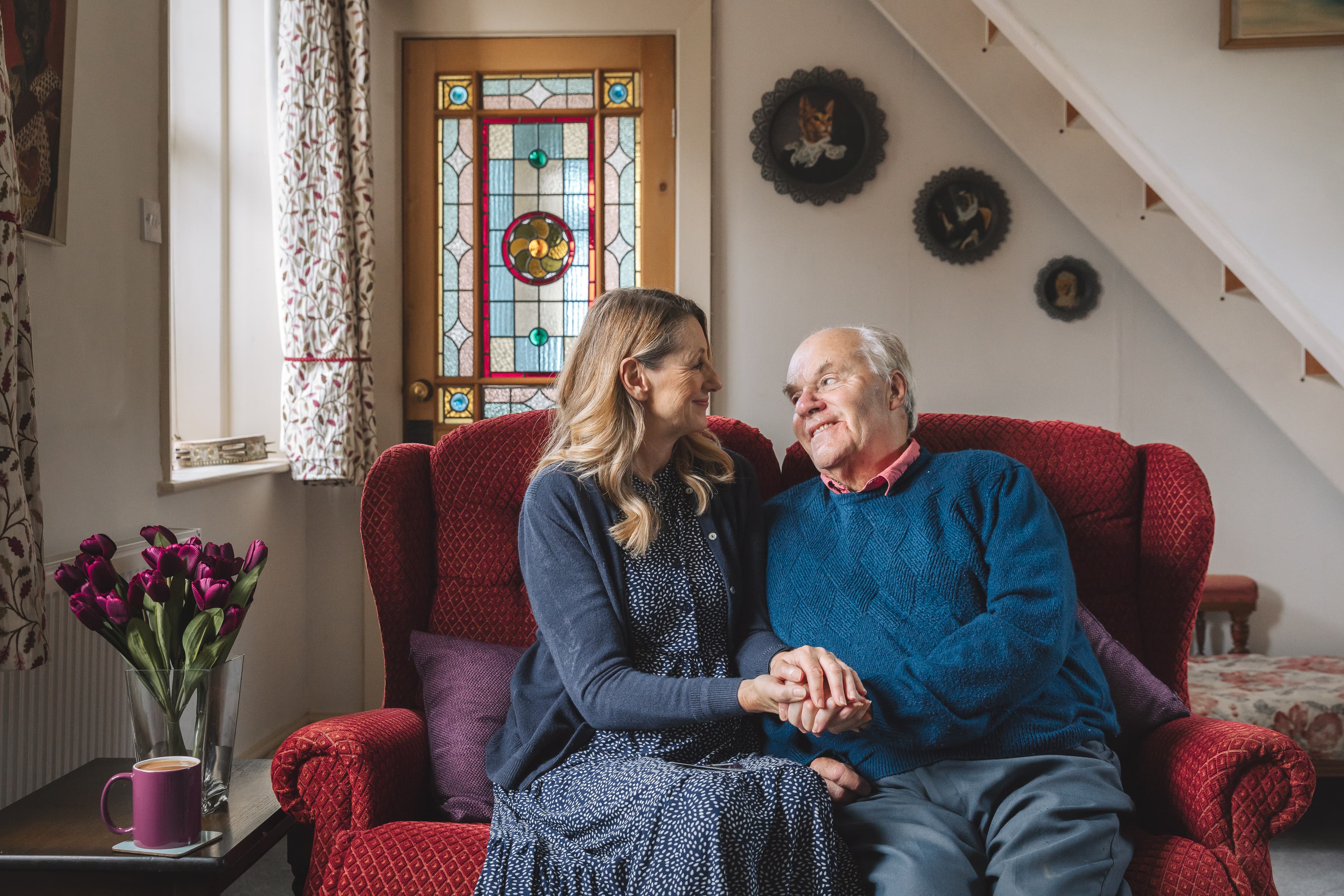




Yes. It’s possible for someone to live with both obsessive-compulsive disorder (OCD) and dementia. In some cases, people with dementia may also develop repetitive or obsessive behaviours that resemble OCD symptoms.
OCD can make dementia symptoms feel more intense, especially if the person becomes anxious or distressed when routines are disrupted. Obsessive thoughts or compulsive actions can increase confusion and make daily care more challenging without proper support.
It can be difficult to tell the difference. OCD is driven by anxiety and a need to reduce fear or discomfort, while repetitive actions in dementia are often linked to memory loss or confusion. A GP or specialist can help assess the cause of these behaviours.
Trained Care Professionals provide calm, structured support to reduce anxiety and maintain routines. They use gentle reassurance and consistency to help your loved one feel safe, respected, and in control of their environment.
Keeping to predictable routines, reducing stress, and creating a peaceful environment can help manage symptoms. Working with specialist dementia carers can also make a big difference by ensuring compassionate, patient care at home.