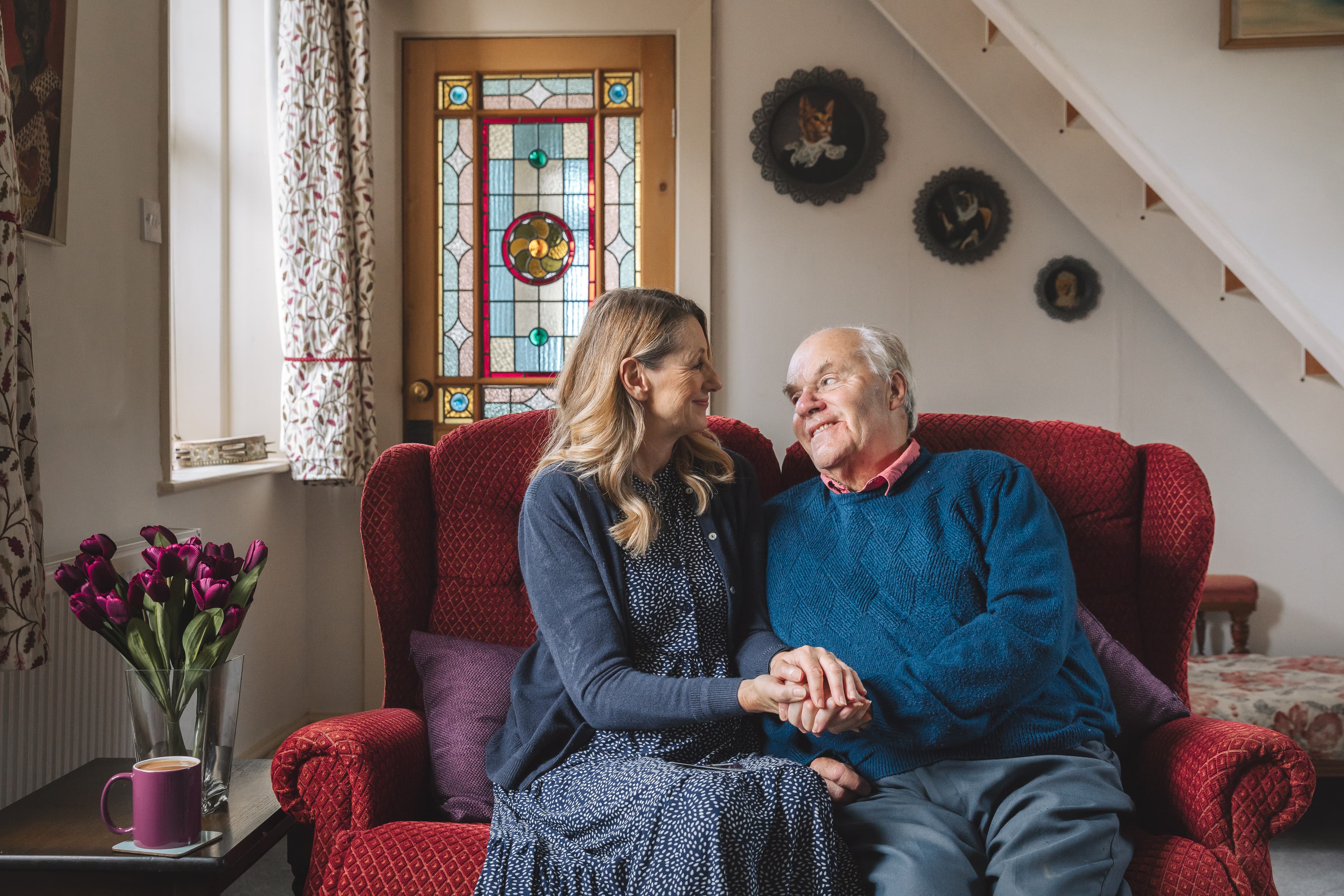



Meet our magical client, Mr P
Discover more
It can become more challenging to choose gifts for someone with dementia as their condition progresses. This is your handy guide to selecting the ideal gift for a loved one with dementia.
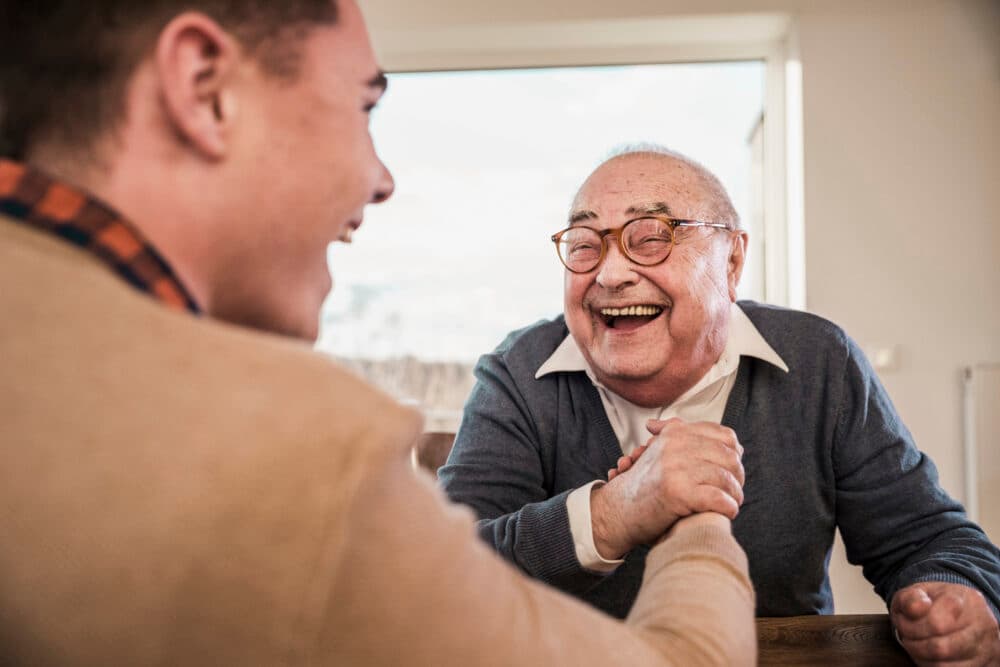
Dementia is a progressive neurological disorder causing symptoms like memory loss and communication issues, so although people with this condition may not respond to gifts as they once did, many still enjoy receiving them and feel loved and appreciated when they do.
Fun and practical items can put a smile on their face during special occasions, but when choosing a gift, it is important to focus on what brings them comfort, independence, or reminds them of happy times. Despite their memory issues, they may still recognise the feeling of being cared for and valued. Studies have shown the importance of friendships and social interaction for those with dementia, so spending quality time with them could be one of the best gifts you give them.
If your loved one has mild dementia, some great gifts may include:
“Creating art, in whatever form that is, takes me to such a joyful place. I’m totally absorbed in what I’m doing, and for a brief time, my dementia seems to disappear.”
– Dementia patient, via Dementia UK
Moderate and advanced dementia makes gift-giving trickier, but there are still helpful presents they might enjoy, such as:
Home care to provide practical help, a sense of safety, and companionship
We've helped thousands of families to stay safe, comfortable and happy at home. Whatever situation you're facing, or whatever the question is, Home Instead is here to help.
Are you in need of a little guidance right away?
03300 583450
I am very happy with the support, care and kindness I receive from all the staff of Home Instead.
B.M, Client

From day one Home Instead has given us a first-class professional caring service. Office staff and carers very helpful and understanding.
Paul and Sandra, Clients
We have been relying on Home Instead for nearly five years now and they have been wonderfully helpful and flexible throughout. I don’t know what we’d do without them.
Carol, Client
In the UK, most dementia-friendly gifts (like puzzles or clothing) are bought in stores with VAT already added on, but if you are purchasing an eligible disability aid from a VAT-registered supplier that is designed to provide practical help with daily living, you may not need to pay VAT if you sign a disability declaration.
You can check the items that are eligible for VAT relief through the UK government, but these items must be bought for a person who is “chronically sick or disabled”, and be bought or acquired for their personal or domestic use.
If you have additional questions about VAT on a dementia gift, you can reach out to HM Revenue & Customs (HMRC) by calling their VAT Disabled Reliefs Helpline on 0300 123 1073.
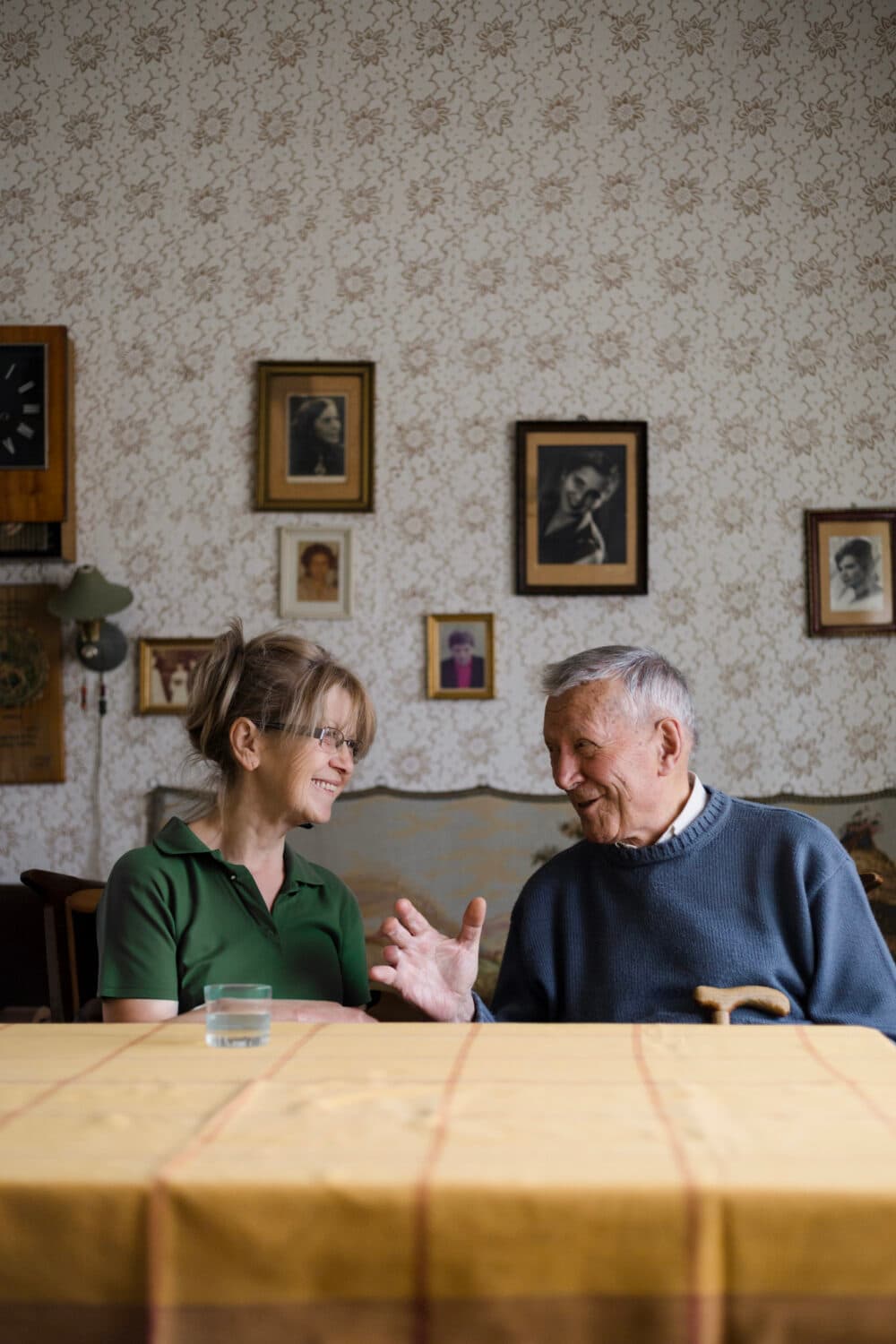
Practical tools for daily life are often the most valuable gifts you can give a loved one with dementia, along with quality time to help them avoid feeling isolated. If you worry about a loved one who lives alone, it may help to consider specialist dementia home care (either visiting or live-in care) to help with their practical and emotional needs.
At Home Instead, our Care Professionals are trained in person-centred dementia care using a programme that is City & Guilds Assured, and we are rated 9.6 on Homecare.co.uk. Also, many of our locations are deemed “outstanding” by the Care Quality Commission (CQC), so you can trust that our dedicated Care Professionals can provide the compassionate, comfort-focused support your loved one needs.