



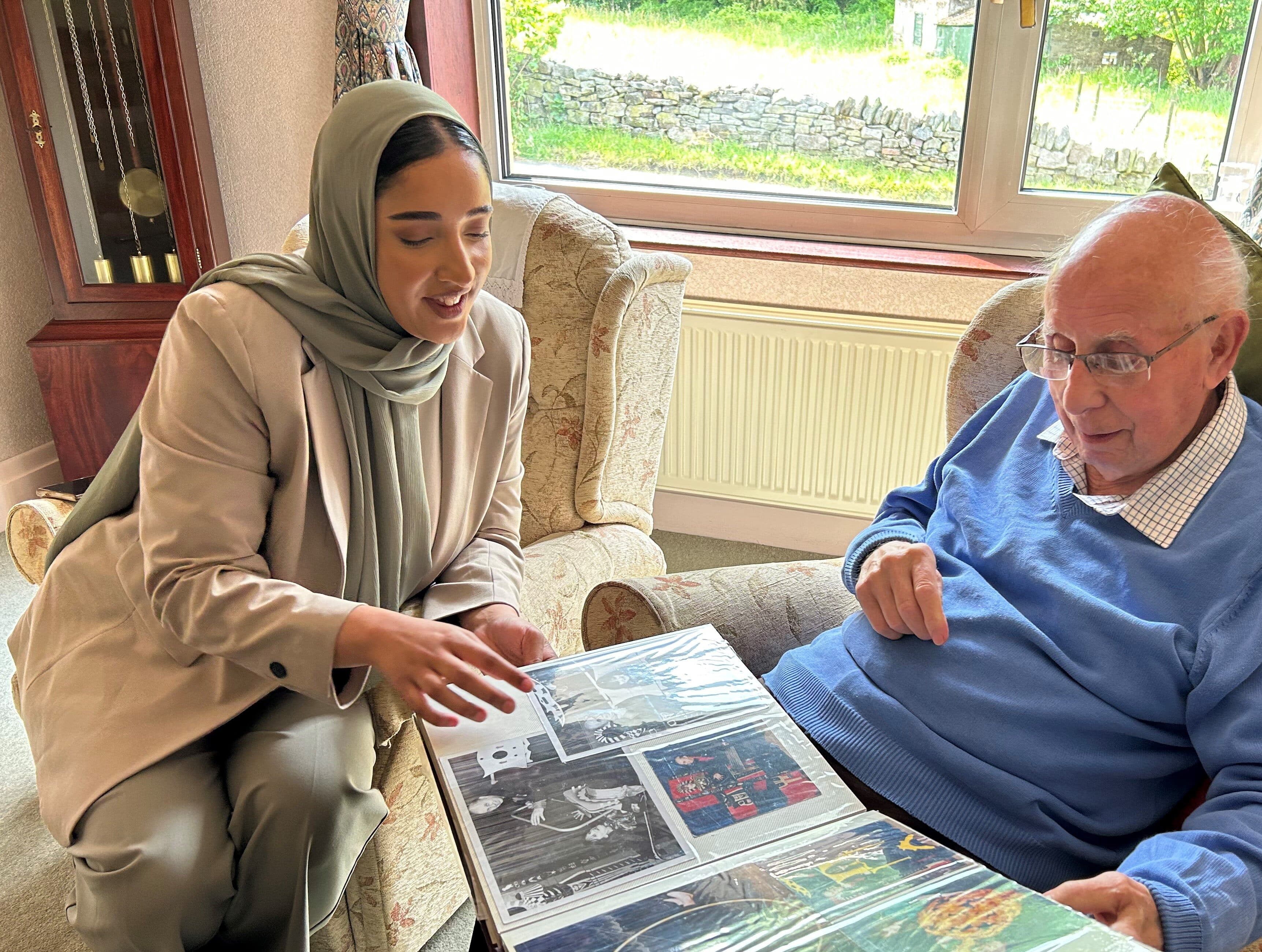
Meet our magical client, Mr P
Discover more
Cognitive behavioural therapy (CBT) to help ease challenging mental health symptoms of the early stages of dementia, such as anxiety and depression.

Dementia is a progressive neurological disorder causing symptoms like memory loss, communication issues, and mental health struggles. It is most common in those aged 65+, and the specific symptoms depend on the type, such as Alzheimer’s or frontotemporal dementia.
In the middle and late stages, specialist dementia care is often needed to manage behavioural issues and physical symptoms like mobility loss, but in the early stages, a person might only have mild symptoms, including mental health issues like anxiety or depression.
Alternative therapies may be used to ease these symptoms, such as aromatherapy or music therapy. Cognitive behavioural therapy (CBT) is a well-recognised intervention that could positively impact those with dementia.
Cognitive behavioural therapy (CBT) is a type of talking therapy structured in a way that helps people identify and reframe unhelpful thought patterns and behaviours, based on the concept that how we think and act influences how we feel. In CBT, participants work to recognise negative thoughts and steer them towards more constructive ones.
CBT helps treat mental health issues like anxiety and depression, and research from 2019 shows around 67% of those who do at least two CBT sessions show reductions in anxiety/depression.
Although people with dementia have diminished mental capacity, it is believed that an adapted version of this therapy could be helpful in providing tools for managing mental health issues associated with the early stages.

CBT can be adapted for those with mild to moderate dementia, since cognitive stimulation is thought to help improve memory, thinking skills, and quality of life. One 2024 study found CBT had a positive impact on mild Alzheimer’s patients.
By helping them develop coping strategies, emotional regulation, and structured routines, people with dementia may begin to notice a boost in their mood, including less anxiety, which is thought to affect around 71% of people with dementia.
While CBT cannot treat dementia, it can improve accompanying mental health symptoms. A 2008 study suggested some helpful adaptations could include keeping sessions short, asking memory questions at regular intervals, and practising only one or two skills each session.
We've helped thousands of families to stay safe, comfortable and happy at home. Whatever situation you're facing, or whatever the question is, Home Instead is here to help.
Are you in need of a little guidance right away?
03300 583450
This is a company whose staff really do care on a personal level and who are client orientated, providing stimulative activities, conversation and going the extra mile to help client and family.
Eileen, Client
We have been relying on Home Instead for nearly five years now and they have been wonderfully helpful and flexible throughout. I don’t know what we’d do without them.
Carol, Client

Knowing that mum has caring and genuine people to help take care of her gives me peace of mind and mum looks forward to seeing the Care Professionals. Thank you for making such a big difference to both of our lives.
Rebecca, Client's Family
CBT can affect people with dementia differently, so it is best to start this as early as possible in older people with dementia who also suffer from anxiety or depression, so they get used to this being part of their routine and develop trust with their therapist.
Someone with dementia and depression/anxiety can request a GP referral, or they can self-refer. You can receive CBT free via the NHS, but often the wait times are long. While you wait, you may find more helpful information and resources on the NHS Every Mind Matters website.
Another option is to seek private CBT therapy, which can be costly, but could provide faster access to a service and more tailored treatment. You can find an accredited CBT therapist on the official register.




Cognitive behavioural therapy (CBT) is a type of talking therapy that helps people manage negative thoughts and emotions. While dementia affects memory and cognition, adapted forms of CBT can still help with anxiety, depression, and confusion in the early or middle stages of the condition.
Yes, in some cases. CBT can help people with mild to moderate dementia understand and manage emotional distress, develop coping strategies, and improve quality of life. It may also benefit family carers coping with stress or anxiety related to caregiving.
CBT is most effective for individuals in the earlier stages of dementia, when they can still engage with conversation and reflection. It may be less suitable for advanced dementia, where communication and comprehension are more limited.
CBT can reduce feelings of frustration, fear, and sadness by focusing on the link between thoughts, feelings, and actions. It helps build emotional resilience and supports a calmer, more positive daily experience for the person receiving care.
Absolutely. Care Professionals can reinforce techniques introduced in therapy sessions, helping to create a calm and supportive environment at home. They can also assist with routines, provide companionship, and help ensure continuity between therapy and daily life.