



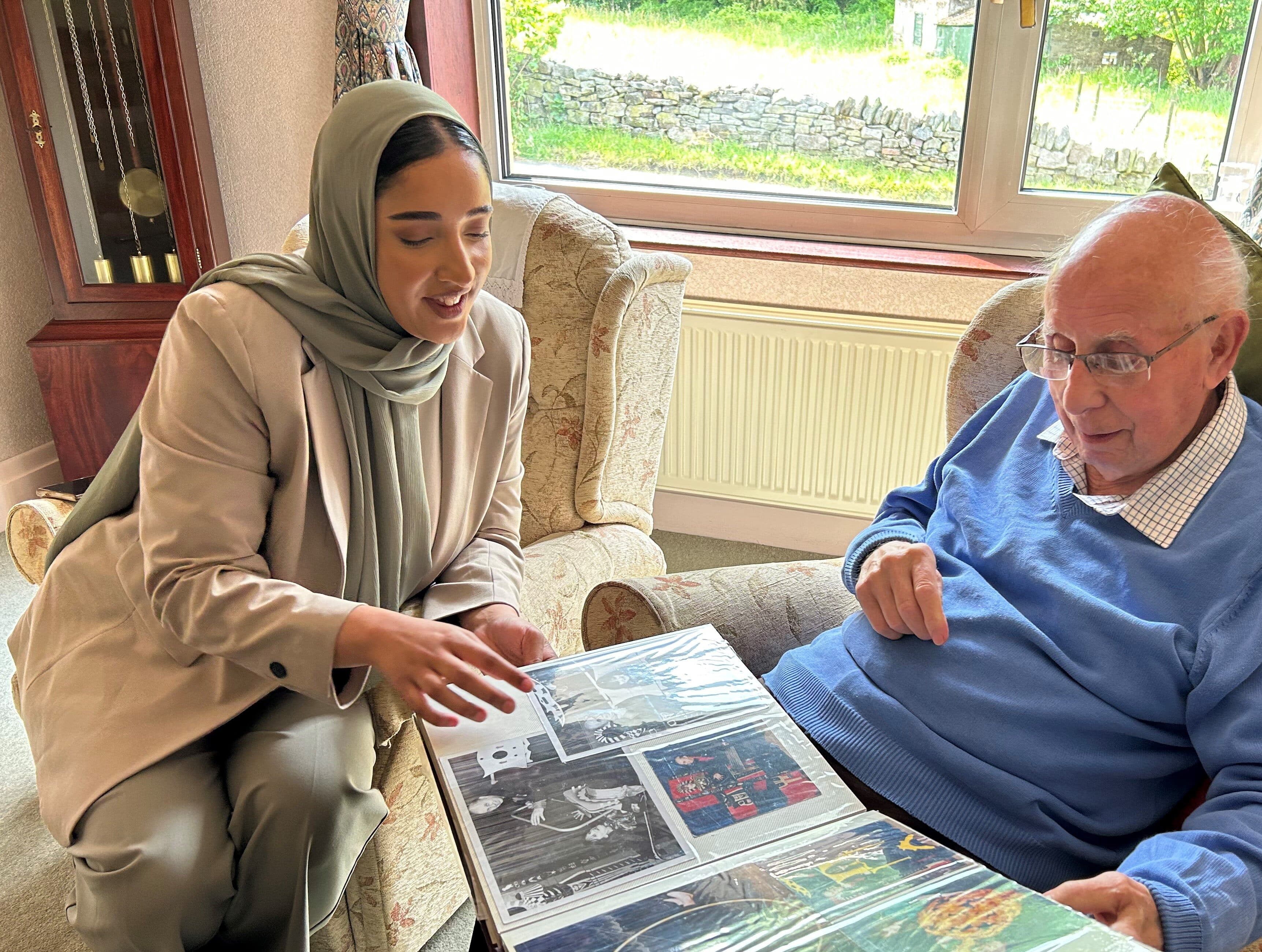
Meet our magical client, Mr P
Discover more
Enjoyable and engaging hobbies for the elderly, encouraged by friendly Care Professionals with experience in helping older adults arrange physical and cognitively stimulating activities.
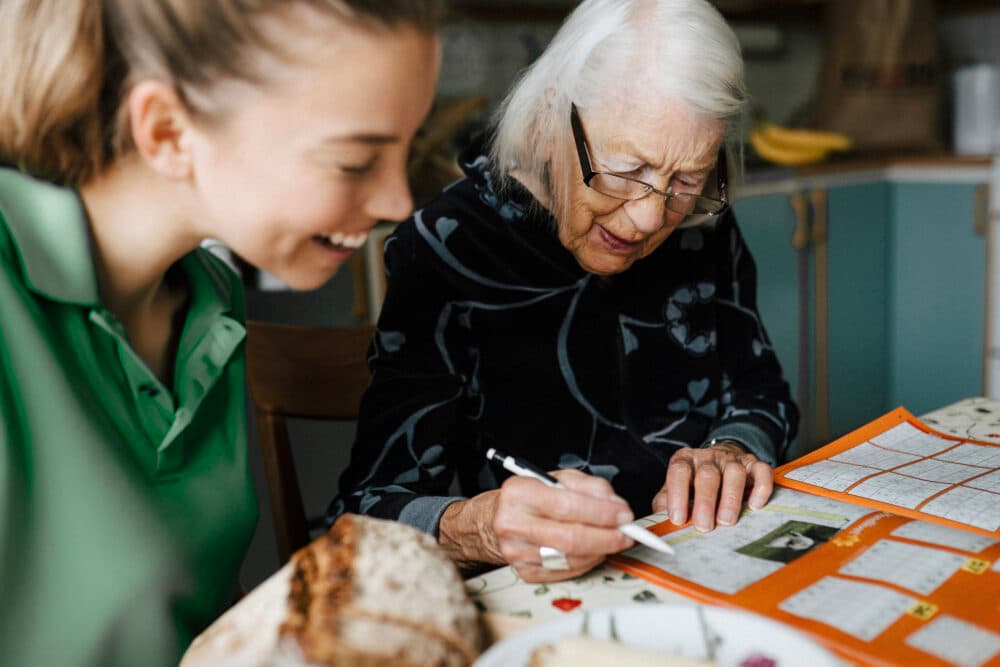
Many elderly people have a smaller social circle, live with a disability, or have multiple health conditions that can lead to isolation, loneliness, boredom, or a general lack of fulfilment. The answer could lie in their daily activities and regular hobbies.
A 2022 study found that leisure activities in retirement can help to create structure, connection and personal value for older adults. This might look like staying active to manage chronic health conditions, remaining social to avoid loneliness, and pursuing activities and goals to provide a sense of purpose.
Hobbies can benefit many age groups, but a 2023 study found that for those aged 65+, hobbies were linked to lower depression, and better health, happiness and life satisfaction.
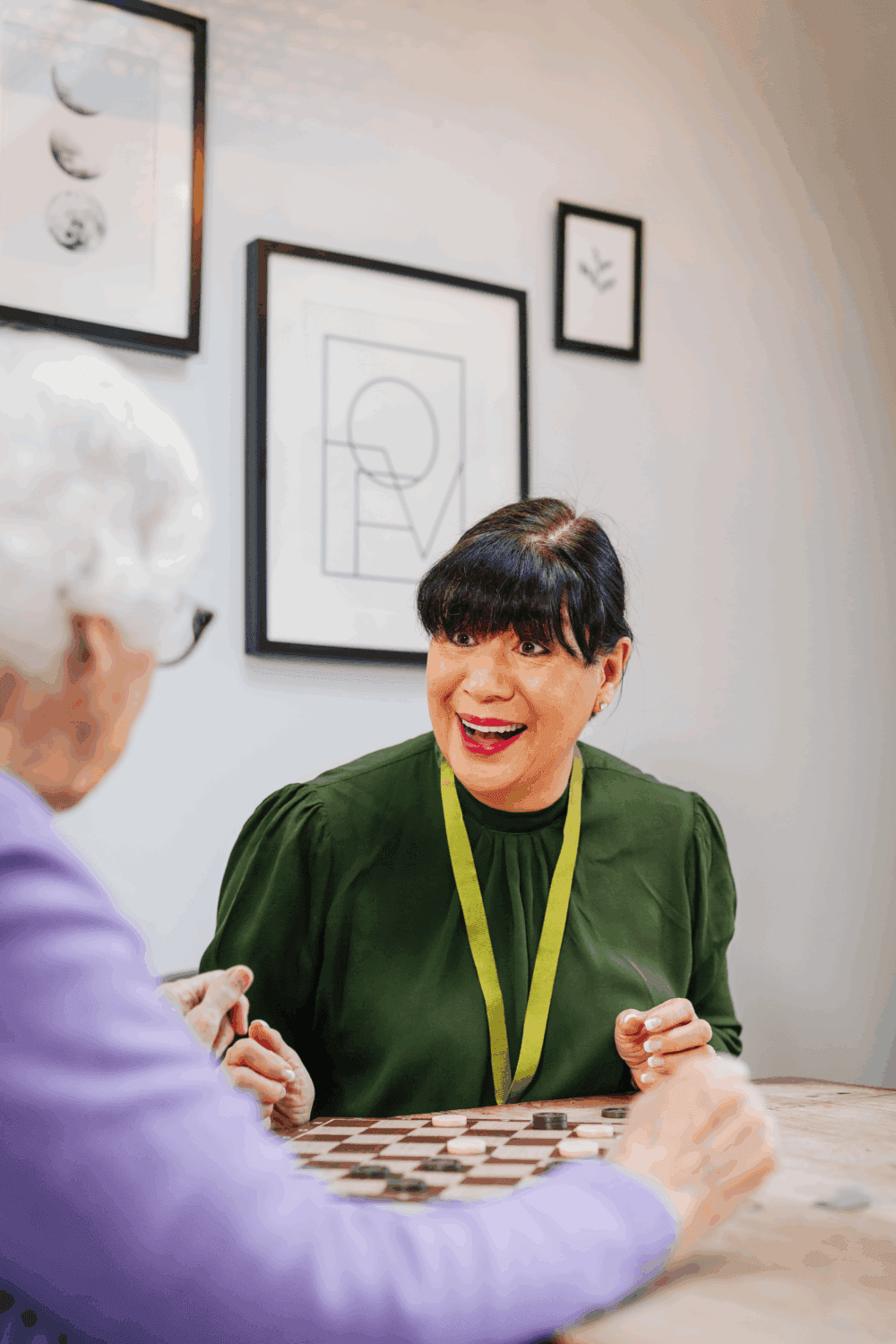
Data from Age UK found that 1 in 5 older adults say active hobbies help them to feel younger. For example:
Creative hobbies can also help to provide cognitive stimulation, such as:
Older adults can also benefit from doing regular social hobbies, such as:
Learning-based hobbies for older adults might include:
Home care is designed to assist with whatever areas of life an older person needs help with, from personal care to housework to companionship. Encouraging hobbies is part of providing a well-rounded service that prioritises an older person’s mental health just as much as their physical health.
As well as more intensive specialist care for health conditions, there are many services that can help to facilitate hobbies in a more casual way, such as companionship and befriending services, sitting services, and more. Caregivers can help with things like transportation to local events or classes, mobility support if help is needed for physical hobbies, helping to plan social gatherings, and setting up activities to make hobbies more accessible.
We've helped thousands of families to stay safe, comfortable and happy at home. Whatever situation you're facing, or whatever the question is, Home Instead is here to help.
Are you in need of a little guidance right away?
03300 583450
Home Instead have an experienced caring team that far exceeds in quality anything we experienced from other agencies at this point of service.
Steve, Client
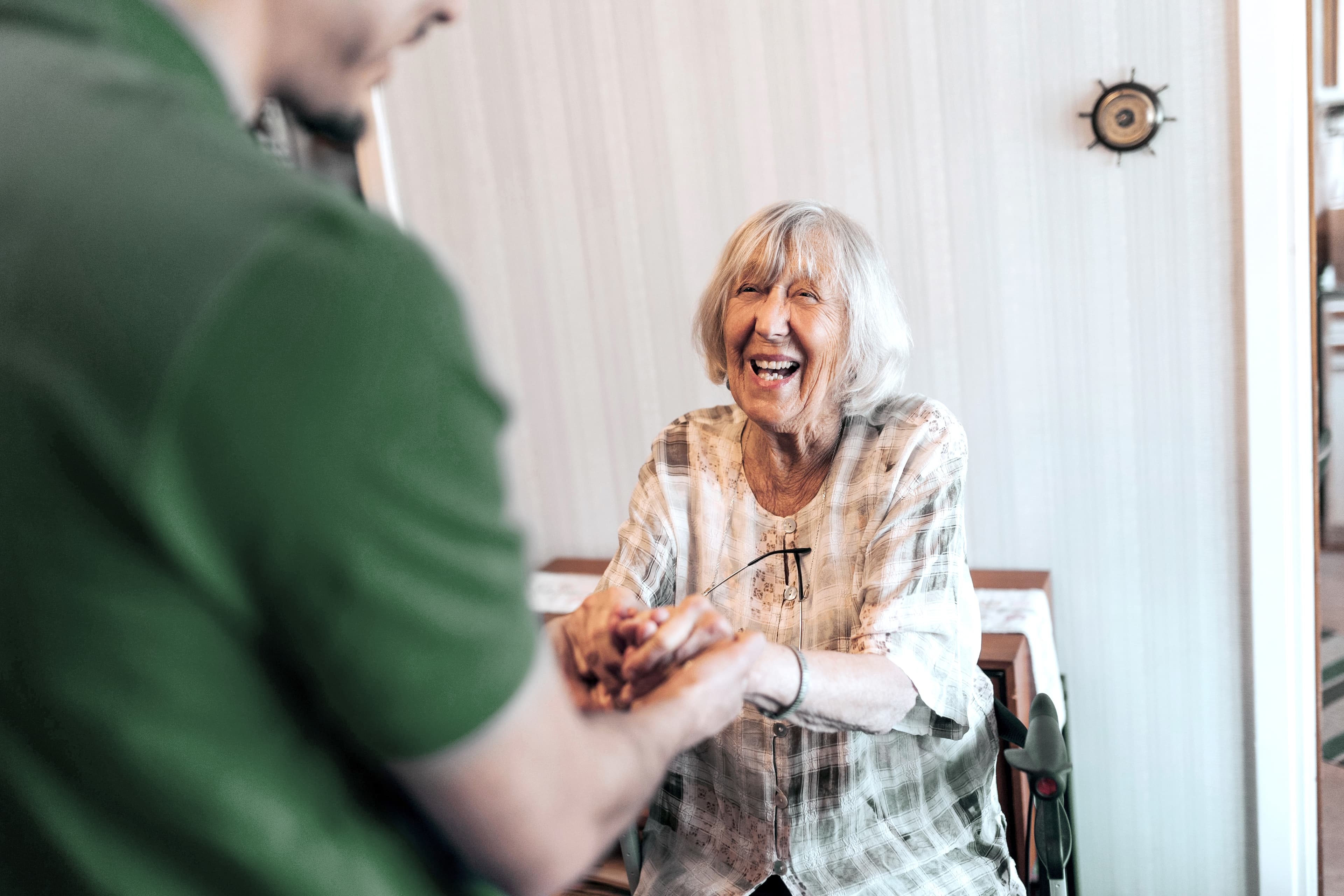
Home Instead provide first class care. My care professionals are patient, kind and very reliable. I am very happy with the service they provide.
Paul, Client
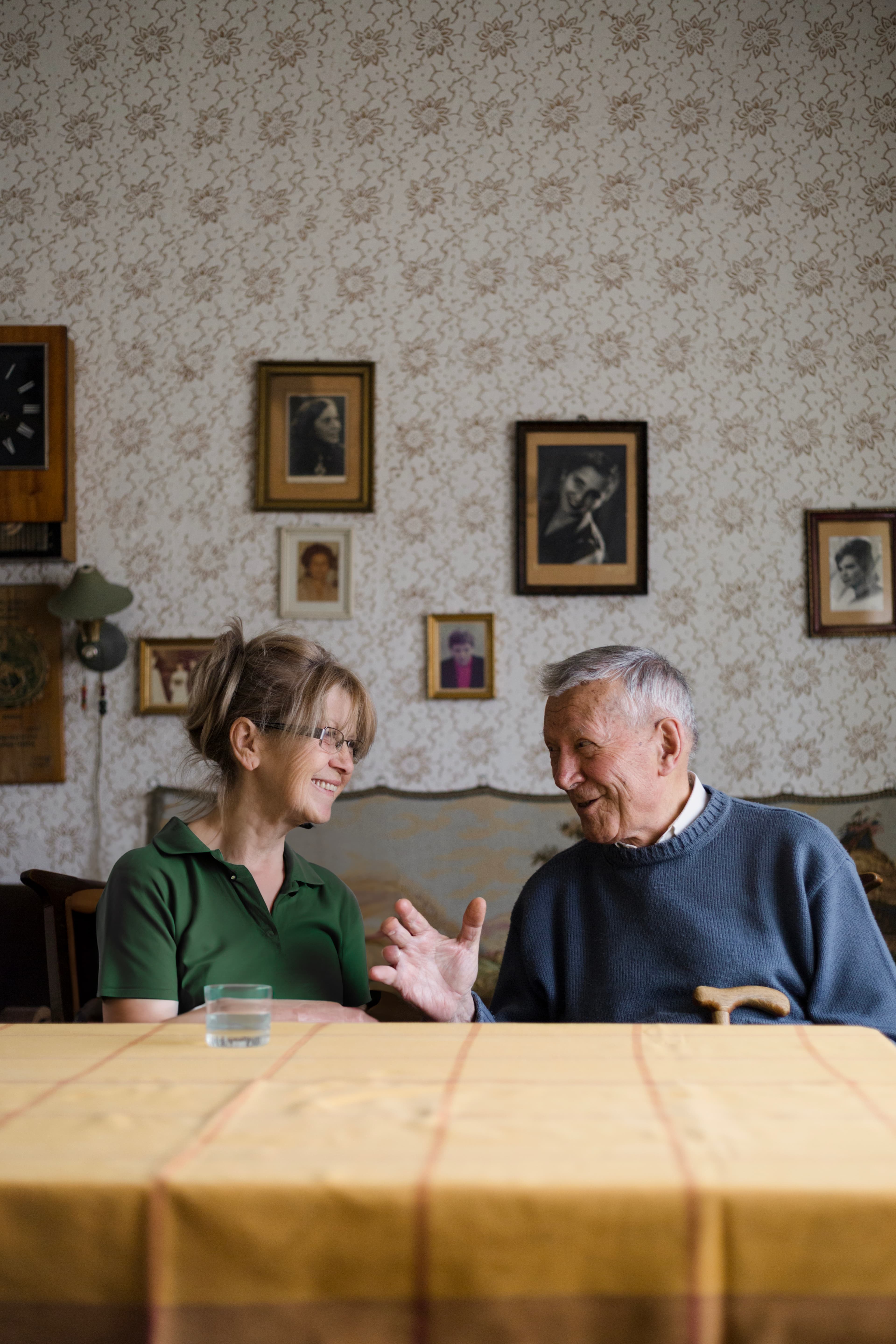
My mum receives excellent care from Home Instead. They are all very caring, friendly, organised and help my mum to feel happy, safe and well cared for in her own home. The carers are very good at communicating with the office and in turn the office are great at communicating any concerns to me as situations arise.
Jane, Client's Family
Whether you are looking to bring in occasional visiting care or full-time live-in care, at Home Instead, your Care Professional will get to know your personality, likes, dislikes and preferences to best support you with fun and engaging hobbies. The first step to arranging this is to organise a Care Needs Assessment with your local council, who will determine what kind of care is best depending on what you need.
If you decide to pursue private care options, such as Home Instead, you can learn more about how to choose and arrange home care from our team who can discuss the hobbies you would like to take part in, and pair you with a friendly Care Professional who can not only help with this, but who has similar interests.
We are proudly rated 9.6 on Homecare.co.uk, and many of our locations are rated “outstanding” by the Care Quality Commission (CQC), so our Care Professionals go the extra mile to make sure every client has their physical, mental and emotional needs met – oftentimes this means matching caregivers based on shared interests and complementary personalities, which makes taking part in hobbies more enjoyable for everyone involved. Our person-centred, bespoke care can tailor a package of home care that fits your needs and preferences, whether that means a few hours of companionship to play games or work in the garden together, or specialist care for health conditions that supports your ability to continue taking part in the hobbies you love.


Hobbies help older adults maintain mental stimulation, physical activity, and social interaction. They can reduce loneliness, boost mood, and improve overall wellbeing, making them an essential part of healthy ageing.
Popular hobbies include gardening, painting or drawing, knitting, puzzles, reading, gentle exercise like yoga or tai chi, music, and light DIY projects. The best hobby depends on the individual’s interests, mobility, and cognitive abilities.
Start by exploring their past interests or trying new activities together. Offer gentle encouragement, celebrate small achievements, and provide the materials or resources needed. Avoid pressure—focus on enjoyment rather than performance.
Yes. Care Professionals can plan and facilitate activities, provide companionship during hobbies, assist with setup or mobility, and encourage participation in social or group-based activities. This helps ensure hobbies remain enjoyable and safe.
Many community centres, libraries, senior clubs, and charities like Age UK offer hobby groups, workshops, and classes designed for older adults. Our local Care Professionals can help connect your loved one with suitable local opportunities.
