



Staying safe in the heat
Discover more
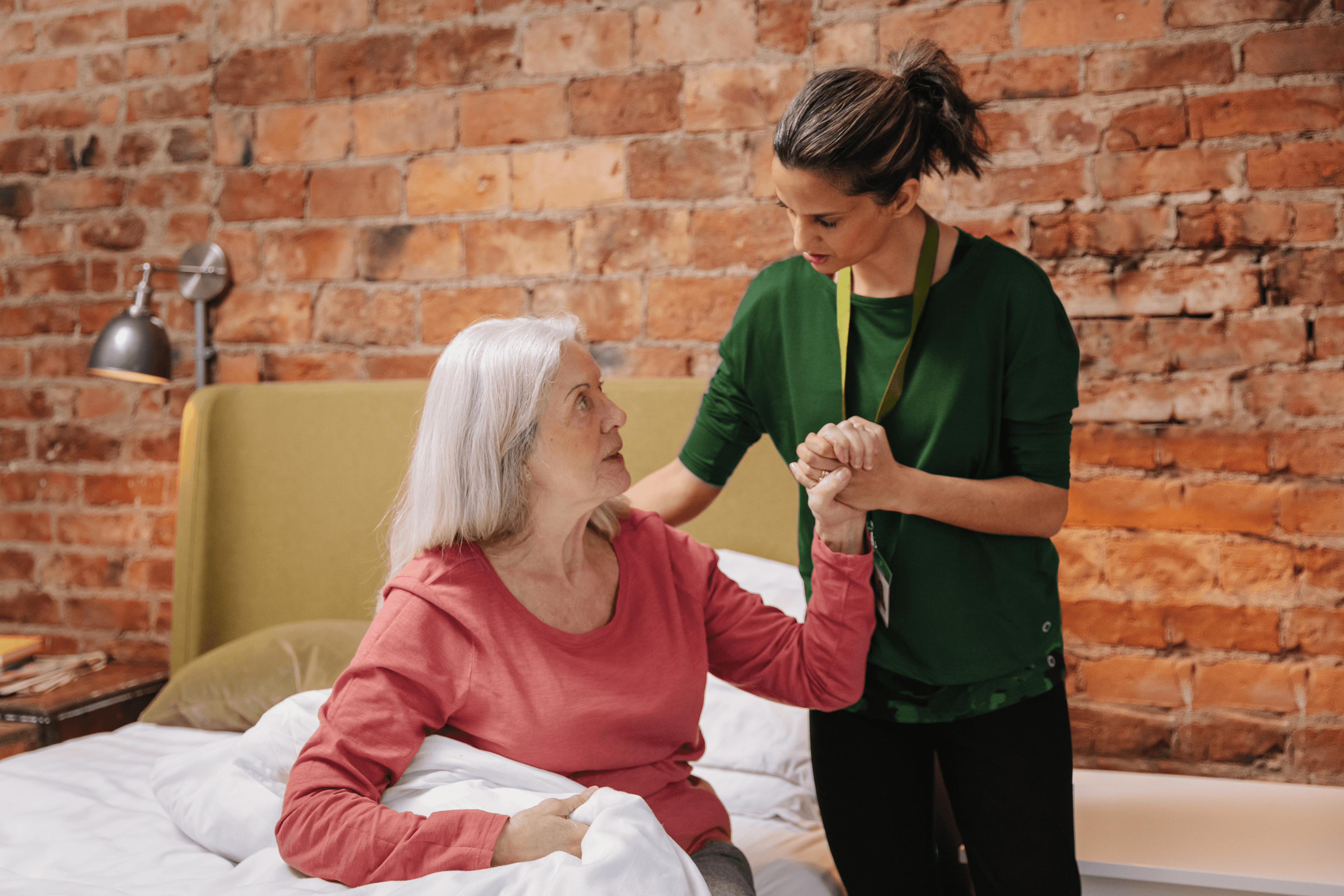
Lifting aids to help older adults stay safe at home during lifts and transfers, with assistance from experienced Care Professionals who can help to prevent falls and injuries.
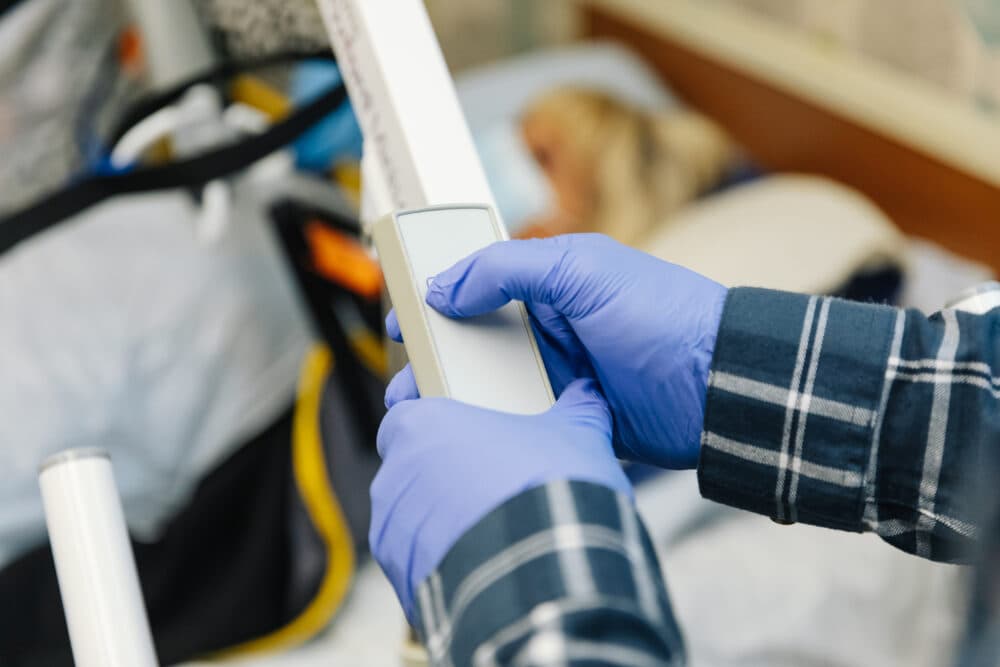
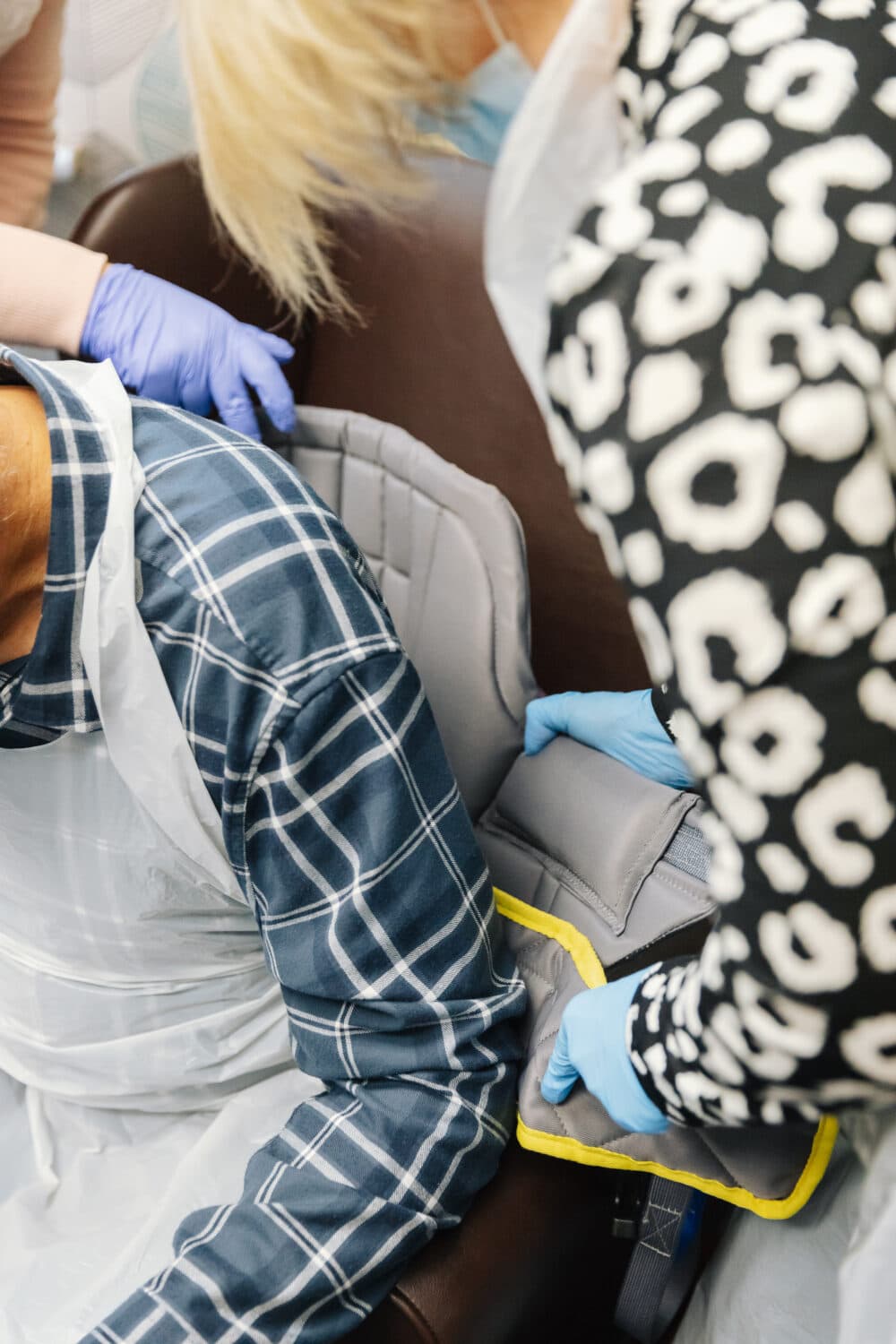
Lifting aids are devices designed to make moving safer and more comfortable for older adults, particularly those with mobility issues or disabilities. These aids can prevent falls and reduce strain during lifts and transfers to other areas of the home, and also protect caregivers from injury. Common lifting aids that can help include:
Lifting aids can offer stability and a sense of safety for older adults to increase their independence, reduce the likelihood of falls and make lifting safer for caregivers.
45% of older adults in the UK have some form of disability which makes simple movements more risky and dangerous for them. More than 1 in 4 people aged 65+ falls each year, and many older people are unable to get themselves off the floor when this happens.
Studies show falls can lead to a loss of functionality, independence and confidence, so having appropriate lifting aids is vital for older adults to help to prevent injuries, protect caregivers from back issues, reduce stress on muscles and joints, promote independence, and maintain an older person’s dignity, comfort and quality of life. Training in effective moving and handling can keep everyone safe, so having an experienced caregiver around is often the best option.
You may need to consider lifting aids for an older loved one if they are finding it difficult to move around their home, worry about doing so, or have experienced a fall in the past. Some common places people need lifting include while bathing or showering, getting in and out of bed, turning over in bed to avoid bedsores, standing, or getting into a chair or car.
Your loved one may need lifting aids if they have frequent falls, grimace when being lifted, require help to do basic movements, or if a caregiver’s health is being impacted. If you have questions about lifting aids, speak to the person’s GP or an occupational therapist who can assess and recommend suitable equipment. You can also reach out to our team to find out how we can help.
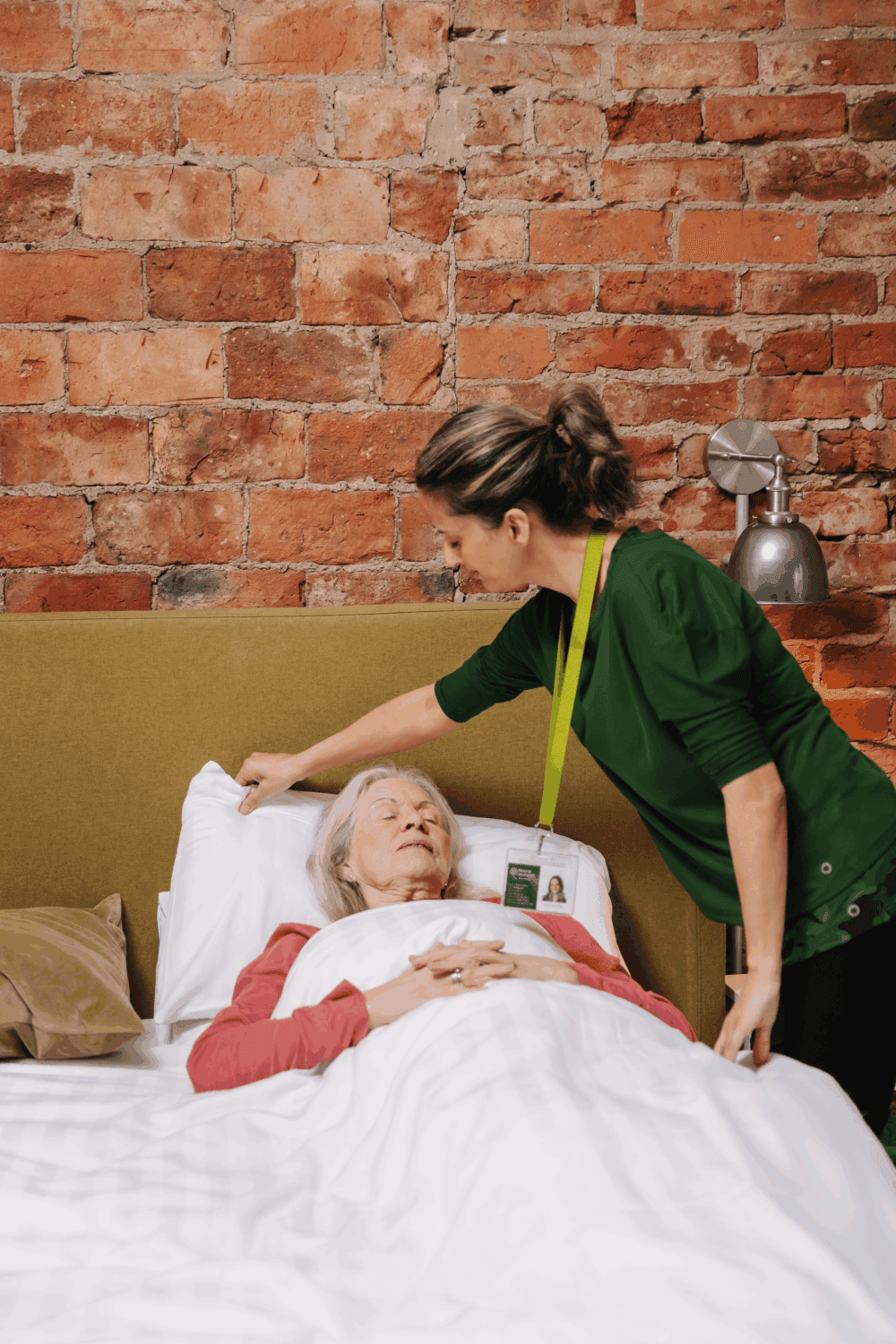
We've helped thousands of families to stay safe, comfortable and happy at home. Whatever situation you're facing, or whatever the question is, Home Instead is here to help.
Are you in need of a little guidance right away?

Home Instead have an experienced caring team that far exceeds in quality anything we experienced from other agencies at this point of service.
Steve, Client

My mum receives excellent care from Home Instead. They are all very caring, friendly, organised and help my mum to feel happy, safe and well cared for in her own home. The carers are very good at communicating with the office and in turn the office are great at communicating any concerns to me as situations arise.
Jane, Client's Family

From day one Home Instead has given us a first-class professional caring service. Office staff and carers very helpful and understanding.
Paul and Sandra, Clients
If lifting aids could benefit you or a loved one, speak to their GP for NHS advice and a referral to an occupational therapist, or arrange a Care Needs Assessment with the local council who can advise on what’s needed, how to order this, and any home adaptations that could make things easier. Your local council can advise on applying for equipment, possible grants like those available through Independence at Home, or affordable options like Age UK’s range.
If your relative is in hospital, the discharge team may offer a temporary loan of necessary equipment, or advise on where to find permanent lifting aids. You could also explore options from local charities or private suppliers who may offer installation and training on proper use.
It can feel overwhelming to start looking for lifting aids to make a loved one’s life easier, but professional caregivers trained in essential lifting manoeuvres can help you decide what lifting aids will make the biggest difference, and where to find them.
We are proudly rated 9.6 on Homecare.co.uk, with many of our locations also rated “outstanding” by the Care Quality Commission (CQC). With expertise in practices like lifting in confined spaces, moving wheelchair users in an emergency situation, and lifting outside, we can assist by demonstrating how to operate equipment, and be a helping hand as you get to grips with new lifting aids. Our Care Professionals are here to help your loved one feel more confident and safe moving at home.
Lifting aids are devices designed to assist elderly individuals with mobility and transfers, such as moving from a bed to a chair or standing up from a seated position. They help reduce the physical strain on both the individual and their caregiver, making daily tasks safer and more comfortable. Lifting aids can also help prevent injuries, improve independence, and enhance the overall quality of life for elderly individuals.
There are several types of lifting aids suitable for home use, including:
Each type is designed for specific needs, so it’s important to choose the right one based on the individual’s mobility and care requirements.
Choosing the right lifting aid depends on several factors, including:
Consulting with a healthcare professional or occupational therapist can help ensure you select the most appropriate device.
Yes, lifting aids are designed with safety in mind, but proper use is essential to ensure safety. Most devices come with features like non-slip bases, secure harnesses, and easy-to-use controls. To maximize safety:
If you’re unsure, seek advice from a healthcare professional or supplier to ensure safe and effective use.
Yes, there are several options for financial assistance in the UK:
Contact your local council or healthcare provider to explore these options and find the best solution for your needs.