How Live-in Care Can Support Someone Returning Home After Rehabilitation
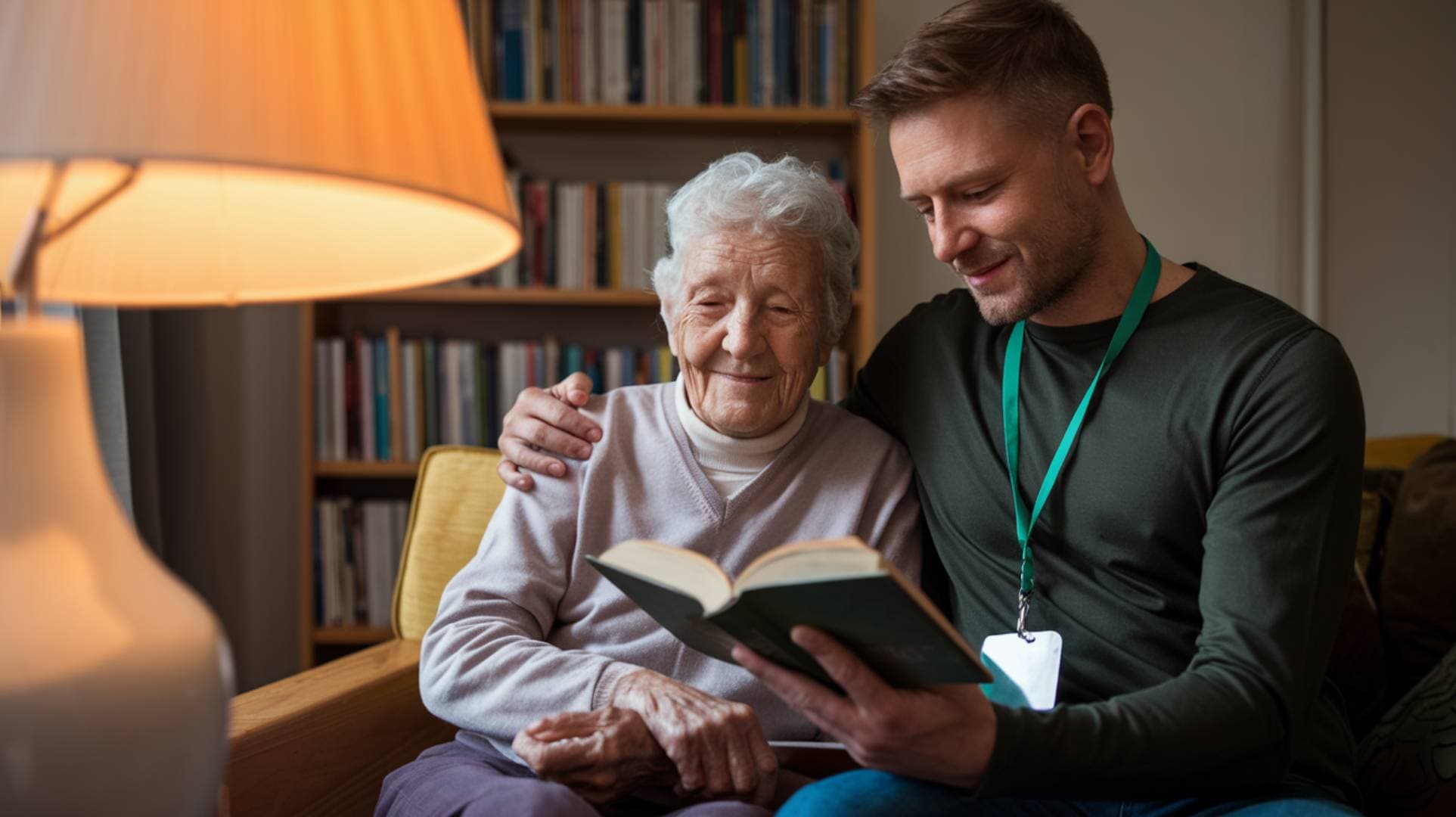
Returning home after a period of rehabilitation can be an important and positive step. Whether rehabilitation has followed a hospital stay, surgery, illness, or injury, many people look forward to being back in familiar surroundings and reconnecting with their usual routines.
At the same time, the transition home can bring new challenges. Everyday tasks may feel more demanding than before, and some people may need additional support while they continue to regain confidence and independence.
Live-in care can provide reassurance during this period, offering personalised support in the comfort of home while allowing someone to maintain their usual lifestyle and routines.

Understanding the Transition Home
Rehabilitation is designed to help people recover and regain abilities following a health event. Progress made during rehabilitation often continues after a person returns home, making ongoing support especially valuable.
Family members may feel relieved that their loved one is returning home, but they may also wonder how best to support them. Practical tasks, personal care needs, medication routines, and mobility requirements can all require additional attention during the recovery period.
Having a dedicated live-in Care Professional can help make this transition smoother and more comfortable.
What Is Live-in Care?
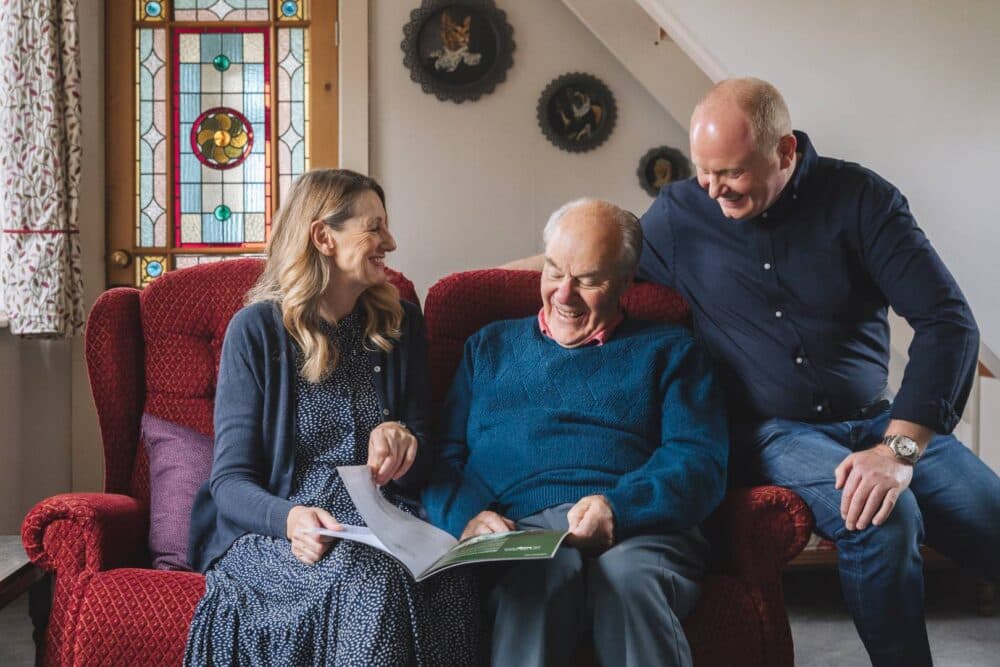
Live-in care involves a Care Professional living in a person’s home to provide personalised support throughout the day.
The level of support is tailored to individual needs and can adapt as recovery progresses. This means care can be adjusted over time, helping people maintain as much independence as possible while receiving the assistance they need.
For someone returning home after rehabilitation, this can provide valuable continuity and reassurance.
Supporting Daily Routines and Independence
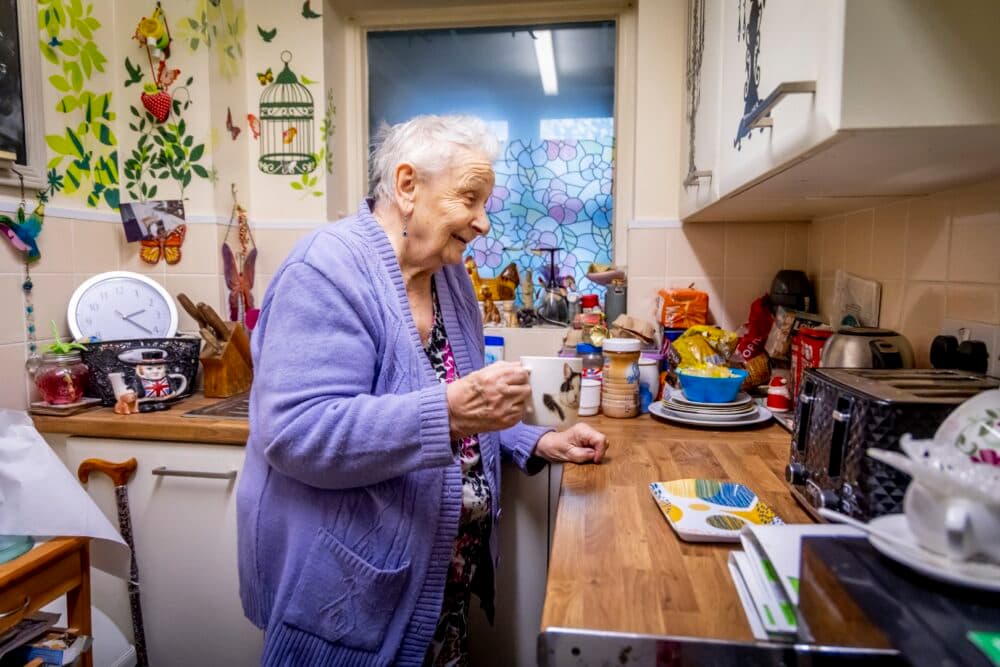
One of the benefits of live-in care is that support is built around the individual’s established routines.
After rehabilitation, people often benefit from maintaining a regular daily structure. Familiar routines can support confidence and help make everyday life feel more manageable.
A live-in Care Professional may assist with:
- Personal care and dressing
- Meal preparation
- Household tasks
- Medication reminders
- Mobility support
- Attending appointments
- Companionship and conversation
The aim is not to take over but to provide the right level of support while encouraging independence wherever possible.
Encouraging Continued Recovery at Home
Many rehabilitation programmes include exercises, mobility goals, or practical activities that continue after discharge.
A live-in Care Professional can provide gentle support with these routines, helping individuals remain consistent with recommendations provided by healthcare professionals.
This might include encouraging regular movement, assisting with safe mobility around the home, or helping to establish routines that support wellbeing.
Being able to continue recovery in familiar surroundings often helps people feel more relaxed and comfortable as they regain confidence.
Providing Reassurance for Families
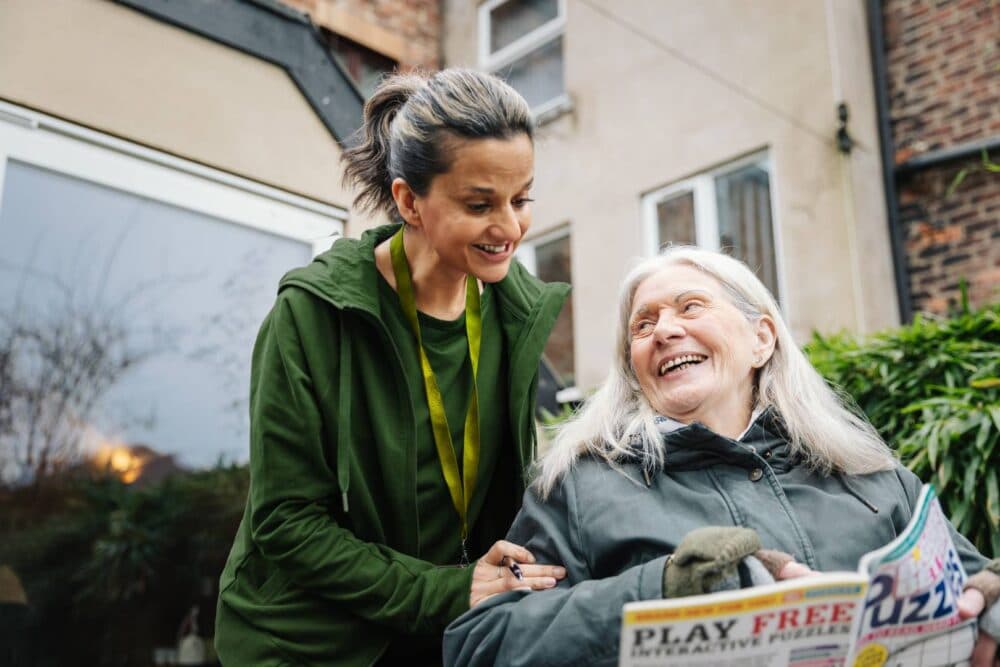
Family members often play an important role during recovery, but balancing care responsibilities with work, family life, and other commitments can sometimes feel challenging.
Live-in care can provide reassurance that someone is available to offer support throughout the day and night when needed.
This can allow family members to spend more quality time together without feeling solely responsible for managing every aspect of care.
Knowing that a trusted Care Professional is present can help reduce uncertainty and provide peace of mind during an important stage of recovery.
Adapting Support as Needs Change
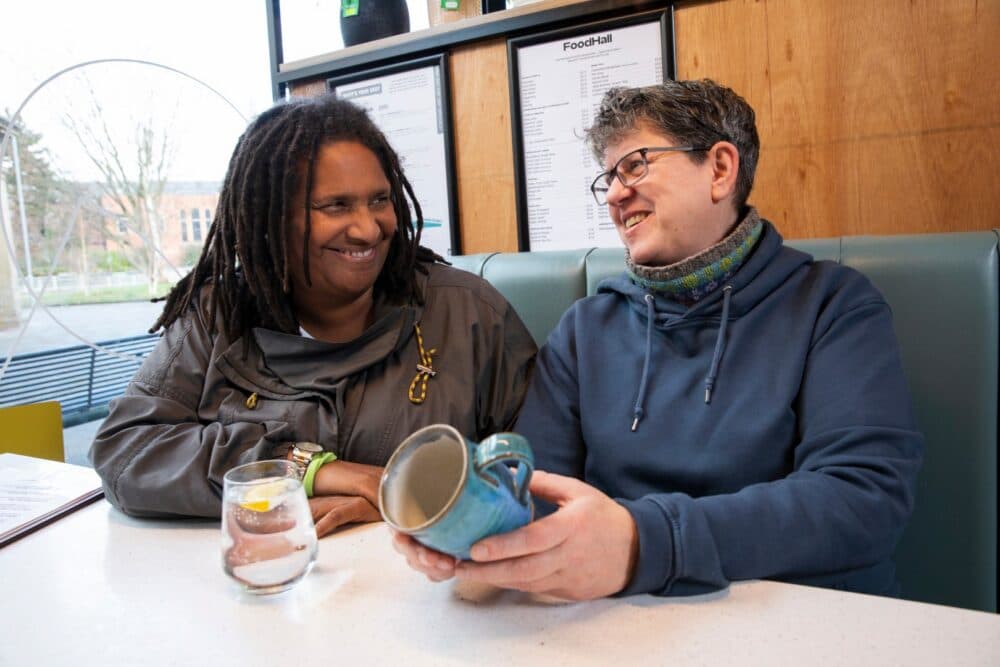
Recovery does not always follow a fixed timetable. Some people progress quickly, while others benefit from longer periods of support.
A key advantage of live-in care is its flexibility. Care plans can be reviewed and adjusted as circumstances change.
As confidence grows and abilities improve, support can evolve accordingly. This personalised approach helps ensure that care remains appropriate and focused on individual needs.
Remaining Comfortable in Familiar Surroundings
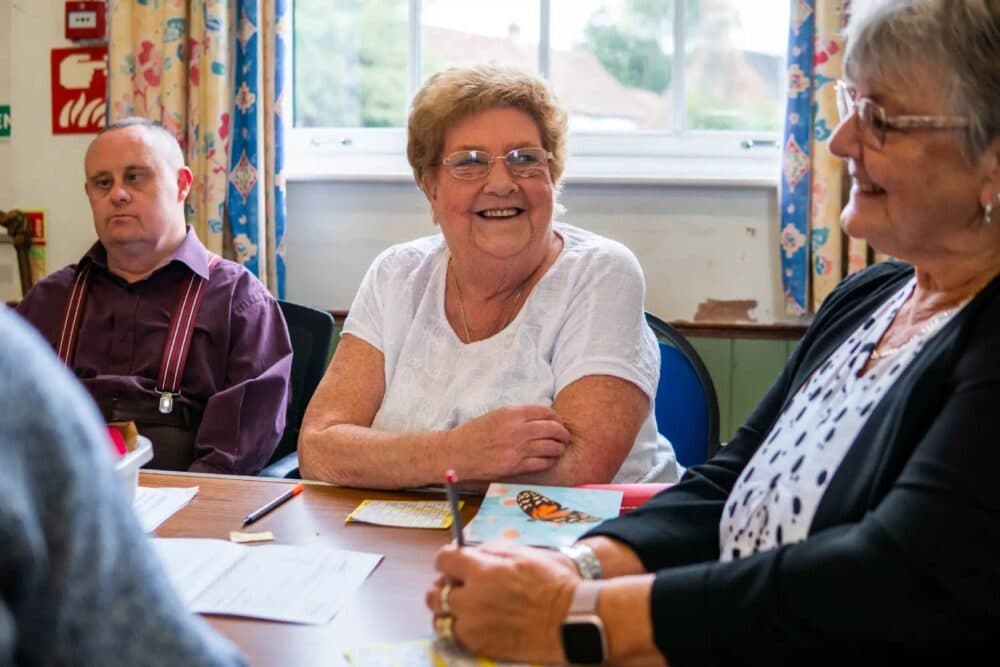
Home is often where people feel most comfortable. Familiar furniture, treasured belongings, local neighbours, and established routines can all contribute to emotional wellbeing.
Returning home after rehabilitation allows people to continue their recovery in an environment they know and enjoy.
Live-in care helps make this possible by providing practical support while enabling individuals to remain connected to the life they value.
Your Local Home Instead Team
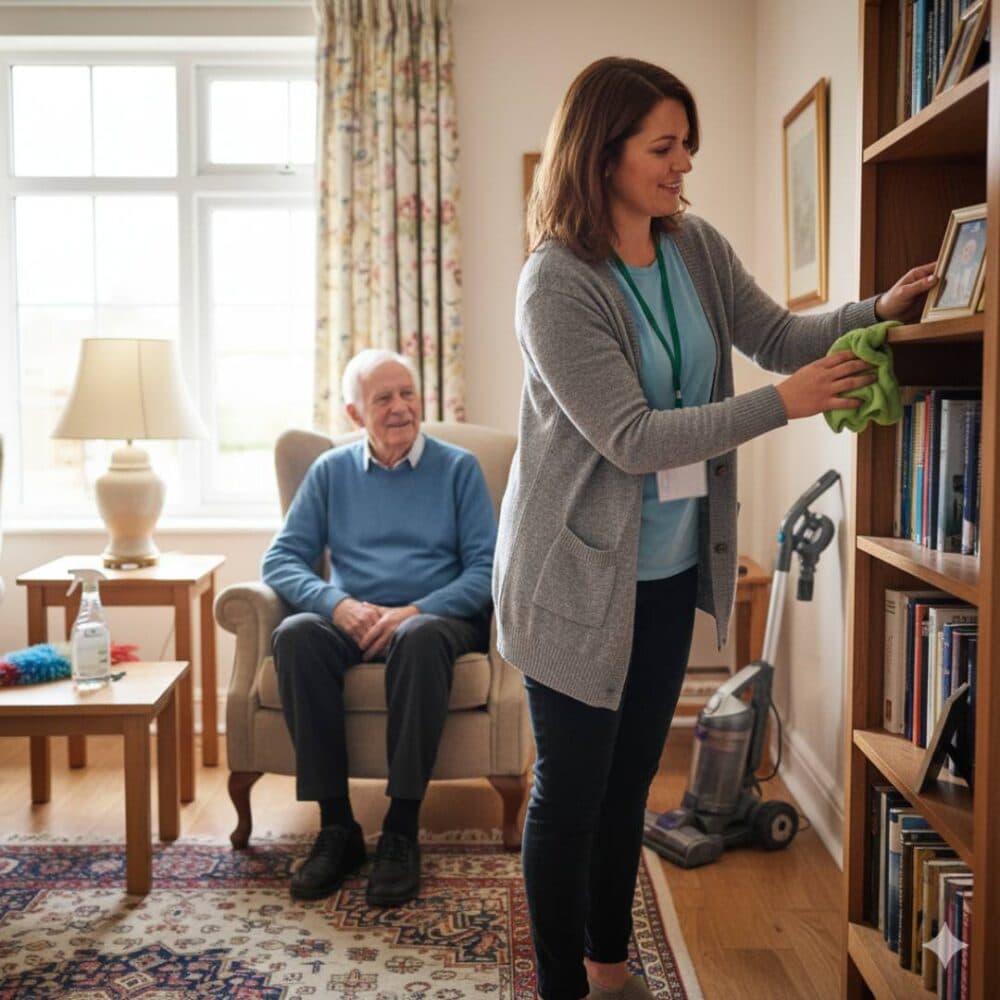
At Home Instead Bedford, we understand that returning home after rehabilitation can be a significant milestone. Our team provides personalised live-in care designed around individual needs, helping people remain comfortable, supported, and independent in familiar surroundings.
Home Instead office name:
Home Instead Bedford
Office phone number:
01234 677693
Office website URL:
https://www.homeinstead.co.uk/bedford/
Google Business Profile link:
https://maps.app.goo.gl/irB78bpcPK6wLSRj9
Areas covered (towns/villages/communities):
Brickhill, Biddenham, Bromham, Clapham, Putnoe, Kempston Church End, Wixams, Wootton, Goldington, Ampthill
Postcodes served:
MK40 1, MK40 2, MK40 3, MK40 4, MK41 0, MK41 6, MK41 7, MK41 8, MK41 9, MK42 0, MK42 6, MK42 7, MK42 8, MK42 9, MK43 0, MK43 8, MK43 9, MK44 2, MK44 3, MK45 2, MK45 3, SG17 5
If you would like to learn more about live-in care in Bedford and the surrounding communities, our local team is available to answer questions and discuss the support that may be suitable for your family.

Ratings and Compliance
Home Instead Bedford is committed to providing high-quality care and operates in line with relevant regulatory standards.
Homecare.co.uk rating:
10 out of 10
Profile link:
https://www.homecare.co.uk/homecare/agency.cfm/id/65432218199
CQC rating:
Outstanding
CQC report link:
https://www.cqc.org.uk/location/1-1713899328

Learn More About Live-in Care in Bedford
If you are exploring support options for someone returning home after rehabilitation, visit our Live-in Care Bedford page to learn more about how personalised care at home can provide reassurance, comfort, and practical support. You can also contact the Home Instead Bedford team for a friendly conversation about your circumstances and the care available in your area.
How can we help?
We've helped thousands of families to stay safe, comfortable and happy at home. Whatever situation you're facing, or whatever the question is, Home Instead is here to help.
Are you in need of a little guidance right away?
Other non-care-related enquiries