How to Introduce Support Gradually at Home
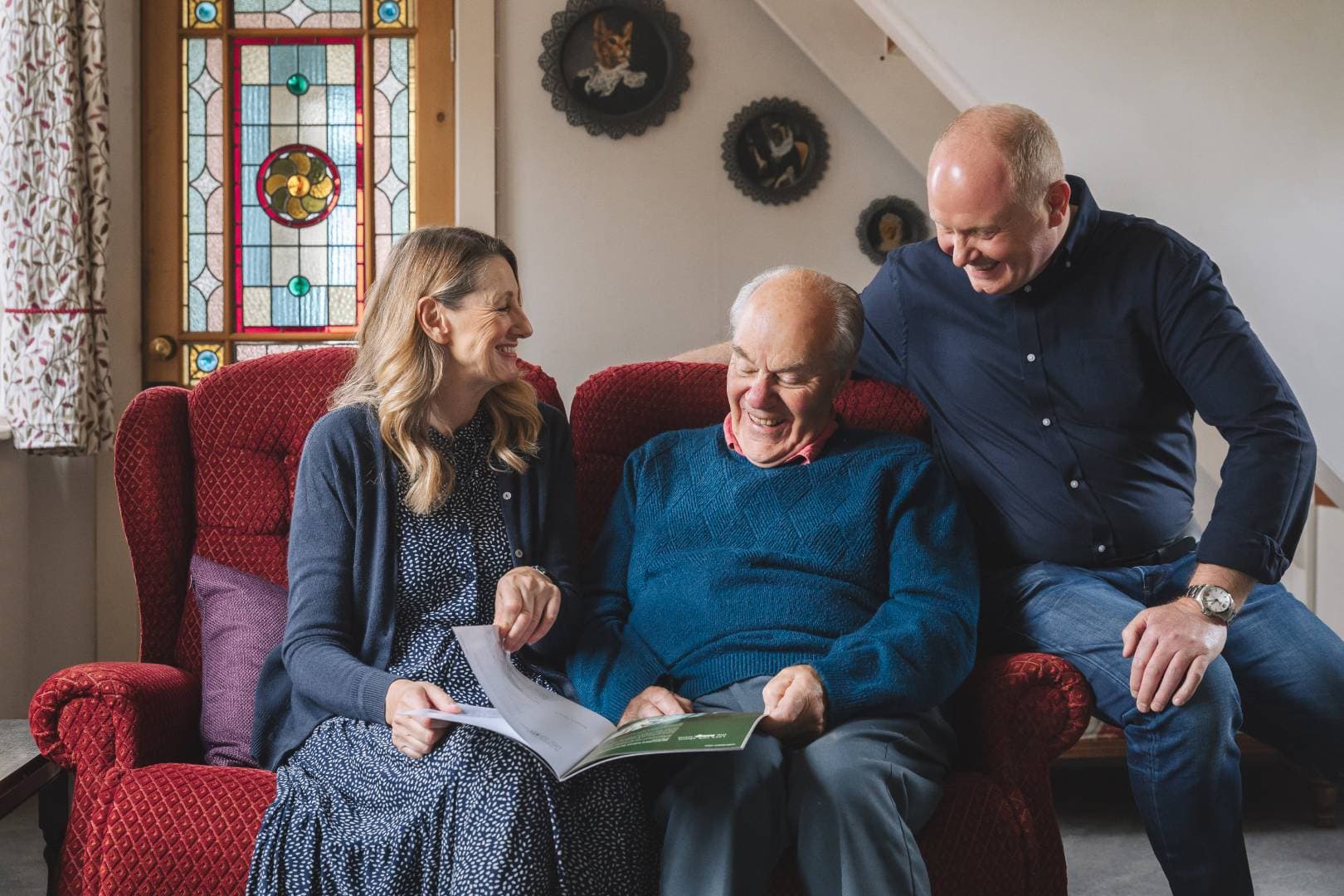
Bringing support into the home is a significant step for any family. It often comes at a time when routines are changing, and emotions are mixed. You may feel relief that help is available, alongside uncertainty about how your loved one will respond.
If you are considering live-in care, it can be reassuring to know that support does not have to begin all at once. Introducing help gradually at home can make the transition feel natural, respectful, and manageable for everyone involved.
This guide offers gentle, practical advice on how to take those first steps with confidence.

Why a Gradual Approach Can Help
When someone has lived independently for many years, even small changes can feel unfamiliar. Introducing support gradually allows time to adjust. It helps preserve dignity, routine, and a sense of control.
A slower introduction can:
- Build trust between your loved one and their Care Professional
- Reduce anxiety about change
- Allow support to develop around existing routines
- Give families time to feel confident and reassured
Live-in care is designed to fit around the person, not the other way round. Taking time at the beginning often leads to a more settled and positive experience in the long term.

Start With Open Conversations
Before any support begins, honest and respectful conversations are important. Try to involve your loved one as much as possible. Ask how they are feeling and what matters most to them.
You might gently explore questions such as:
- Are there certain tasks that are becoming more tiring?
- Would some extra company during the day feel helpful?
- Is there anything that would make daily life easier?
Focus on comfort and wellbeing rather than problems. Framing support as a way to stay independent at home often feels more reassuring than describing it as “needing care”.
Listening carefully at this stage sets the tone for everything that follows.

Introduce Small Changes First
Support does not have to begin with full-time care straight away. Many families start with smaller, familiar forms of help before moving towards live-in care.
For example, you might begin with:
- A few hours of companionship each week
- Help with meal preparation
- Support with shopping or light household tasks
- Assistance with personal care at specific times of day
This gentle introduction allows your loved one to get to know their Care Professional in a relaxed way. Over time, as comfort grows, the level of support can naturally increase if needed.
When the time comes to consider live-in care, the relationship is already established, which can make the transition much smoother.

Maintain Familiar Routines
One of the greatest advantages of live-in care is that daily life continues at home. Favourite chairs, treasured photographs, and familiar surroundings all remain unchanged.
When introducing support gradually, try to keep routines as consistent as possible. Mealtimes, hobbies, television programmes, and social visits can stay just as they are. The Care Professional fits around these existing patterns.
Maintaining continuity provides reassurance and helps your loved one feel in control.

Focus on Relationship Building
Trust grows through small, everyday interactions. A shared cup of tea, a conversation about local memories, or a walk around the garden can be just as important as practical support.
Encourage your loved one to spend time getting to know their Care Professional beyond tasks. Live-in care is not only about assistance. It is about companionship, understanding, and presence.
When a positive relationship develops, the idea of ongoing support often feels far more comfortable.

Reassure Without Pressure
It is natural for someone to feel hesitant at first. Try to avoid rushing decisions or presenting support as the only option. Instead, offer reassurance.
You might say:
- “Let’s just try this and see how it feels.”
- “We can review things together.”
- “You are still in charge.”
Giving space for adjustment helps prevent resistance and keeps communication open.
If concerns arise, they can be addressed calmly with the support team. Care plans are flexible and designed to adapt.
Recognise When More Support Is Helpful
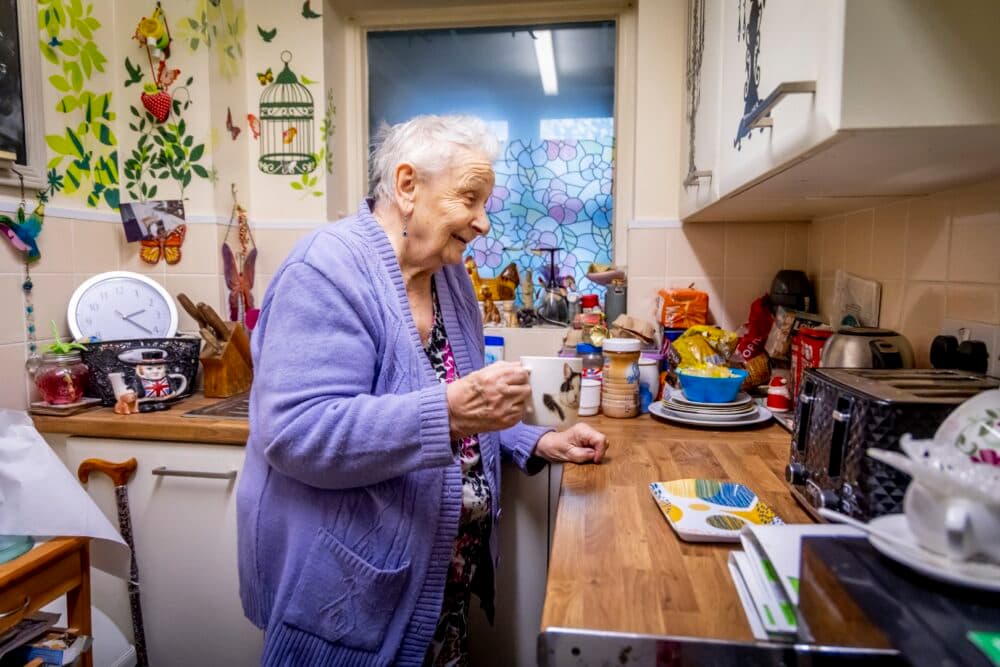
Gradual introduction works best when everyone remains attentive to changing needs. If daily tasks become more difficult or if safety becomes a concern, increasing support may bring greater peace of mind.
Live-in care can provide a consistent, round-the-clock presence while still maintaining independence at home. For many families in Bedford and surrounding areas, this offers reassurance without the disruption of moving away from familiar surroundings.
The key is to move at a pace that feels right, with guidance from experienced professionals who understand the importance of dignity and respect.

Involve the Wider Family
Family members often have different feelings about introducing support. Some may feel protective, while others may be concerned about coping alone.
Keeping everyone informed and involved can ease tension. Regular updates and shared conversations ensure that decisions are thoughtful and balanced.
A collaborative approach helps your loved one feel supported rather than directed.

Your Local Home Instead Team
If you are considering live-in care in Bedford or simply want to talk through your options, your local team is here to listen and guide you.
Home Instead office name:
Home Instead Bedford
Office phone number:
01234 677693
Office website URL:
https://www.homeinstead.co.uk/bedford/
Google Business Profile link:
https://maps.app.goo.gl/irB78bpcPK6wLSRj9
The team supports families across:
Brickhill, Biddenham, Bromham, Clapham, Putnoe, Kempston Church End, Wixams, Wootton, Goldington, Ampthill
Postcodes served include:
MK40 1, MK40 2, MK40 3, MK40 4, MK41 0, MK41 6, MK41 7, MK41 8, MK41 9, MK42 0, MK42 6, MK42 7, MK42 8, MK42 9, MK43 0, MK43 8, MK43 9, MK44 2, MK44 3, MK45 2, MK45 3, SG17 5
Whether you would like advice, an informal chat, or a home visit to discuss live in care, you can contact the office directly by phone or through the website. The team understands the local community and will take time to explore what feels right for you and your family.

Ratings and Compliance
Home Instead’s quality is reflected in the following ratings:
Homecare.co.uk rating:
10 out of 10
Profile link:
https://www.homecare.co.uk/homecare/agency.cfm/id/65432218199
CQC rating:
Outstanding
CQC report link:
https://www.cqc.org.uk/location/1-1713899328
These ratings provide reassurance that care is delivered to a high standard, with professionalism and respect.

Taking the First Step
Introducing support gradually at home is not about making sudden changes. It is about creating a steady, thoughtful path towards greater comfort and reassurance.
If you are exploring live-in care in Bedford, consider starting with a conversation. The right guidance, taken at your own pace, can make all the difference.
For more information about live-in care and how it can be introduced gently and respectfully, you are welcome to explore the local Home Instead page or contact the team directly for friendly advice.

How can we help?
We've helped thousands of families to stay safe, comfortable and happy at home. Whatever situation you're facing, or whatever the question is, Home Instead is here to help.
Are you in need of a little guidance right away?
Other non-care-related enquiries