Protecting Elderly Mental Health
Later life can bring profound changes. Resulting loss of purpose and lack of activity can be detrimental to mental health. We look at how we can provide vital support.

Home Instead Basingstoke provides home care in Basingstoke and the surrounding areas of north Hampshire. Our various home care services provide social interaction and mental stimulation, and can include physical activity and practical support for an ongoing happy, fulfilled and independent life at home.
Our objective is to protect and enhance the mental health of our elderly clients, helping them to address the mental challenges that many face in later life.
Look out for the signs
While ageing can bring wisdom, resilience and new opportunities, it can also bring periods of loneliness, anxiety and low mood. Mental health difficulties in older people are all too often mistaken for a normal part of ageing.
Family, friends, neighbours and carers need to look out for signs, which could include neglect of personal care, loss of interest in social activities or hobbies, changes in appetite or sleep patterns, worry, tearfulness, irritability or confusion.
A good first step might be a gentle conversation along the lines of “How have you been feeling recently?” or “Would you like some company this week?” to try to open the door without pressure.

Getting out and about
Social connections
The impact of loneliness on mortality is sometimes compared with that of smoking or obesity. However, regular contact with family, friends, faith gatherings and community groups, even small weekly interactions, helps maintain a sense of belonging which can buffer against depression and anxiety.
Beware technophobia
Technology can be very helpful in helping older adults to remain connected through video calls with friends and family, online groups and sharing of family photos, especially when in-person contact is difficult.
Physical activity
Physical activity can also be very important. Just gentle activity, like walking, swimming or gardening, can stimulate the release of endorphins which relieve stress and create a sense of wellbeing; it can also help support cognitive function and improve sleep. Key is finding physical activities which are easily accessible and fun.

All in the mind
Cognitive stimulation
The brain needs challenge to remain in good health. That can be provided through opportunities to learn and explore, which could range from reading and puzzles to learning a new language, creative writing or mastering new technology; organisations like the University of the Third Age (U3A) offer some great opportunities to combine learning with social interaction.
Emotional expression
Discussing your feelings may be somewhat frowned upon by the older generation, but creating opportunities to chat about subjects like grief, fear or uncertainty, eg with peer support groups or loved ones, can reduce emotional burden and strengthen resilience.
Communities can help
Accessible activities, safe transport, signposting and a culture of kindness – remembering birthdays, offering lifts and checking on wellbeing, all contribute to a sense of a supportive and inclusive environment.

Something to get up for
Routines
Simple routines – morning personal care, regular meals, tasks around the house and consistent sleep, can all help mood and energy.
Sense of purpose
Loss of a sense of purpose can be a strong negative sentiment amongst the elderly. Finding new purpose, whether volunteering in community projects, pursuing a new hobby or just tending the garden, can fulfil an important emotional need. Small responsibilities can help someone feel valued and important again – even just reading to grandchildren.
Practical support
Let’s not overlook practical support. Managing finances, navigating healthcare, coping with reduced mobility and accessing clear information can feel overwhelming; help here can reduce stress and enhance independence.
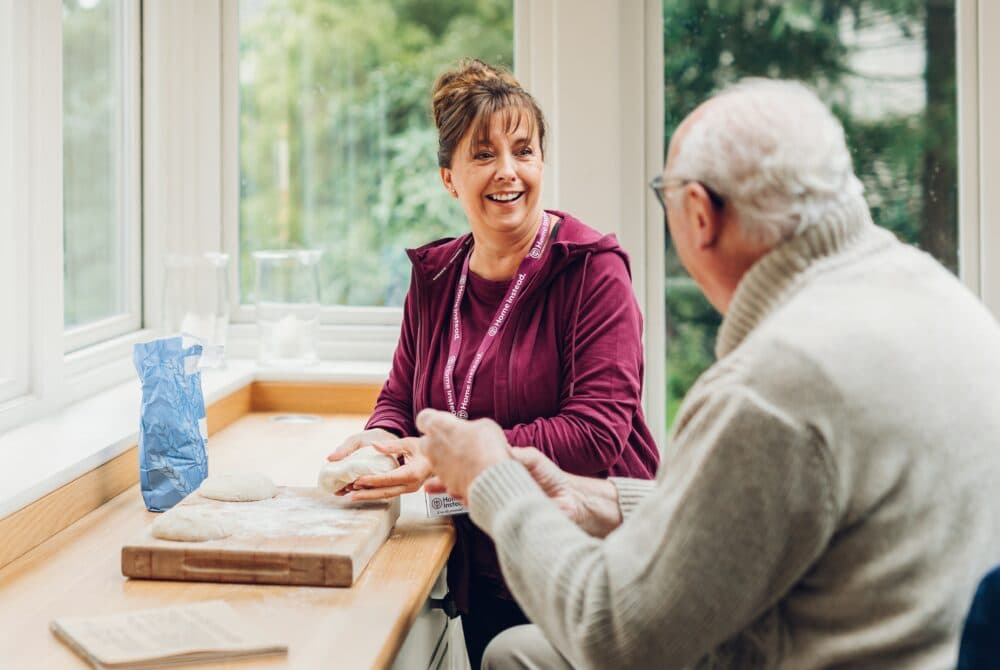
Help and ideas
Our community activities
For physical activity we offer our Let’s Move community-based seated exercise sessions; these are not only opportunities to exercise but also to have a bit of fun and a good natter with other members of your local community.
Our Let’s Sing sessions provide monthly opportunities to meet up, have some fun, and take part in an hour of therapeutic singing.
Other ideas for getting out and about in Basingstoke
These articles may be of interest:
Exercise and Wellness Activities for the Elderly
Senior Friendly Games And Activities
Ideas for Craft Activities around Basingstoke
Historic Outings in North Hampshire
Home care by Home Instead Basingstoke
Our range of home care services includes companionship visits. With a primary objective of providing social interaction and mental stimulation, they can include taking clients out walking or to social events, and can support our clients in achieving most of the objectives discussed above. Our approach is always to build a rapport and help our clients to feel connected, respected and empowered.

Experience home care that’s personalised, compassionate and dedicated to enhancing your life.
To find out more about our home care services please give us a ring on 01256 840 660,
email us at basingstoke@homeinstead.co.uk,
visit: Home Care in Basingstoke
or click on the enquiry button above.