Knowing When To Seek Extra Help With Family Caring Responsibilities

Family care often grows naturally from everyday moments of support. A helping hand, shared routines, and familiar ways of doing things can quietly become part of daily life at home. For many families, this care sits alongside work, family life, and other commitments, all woven together with the aim of keeping home life feeling settled and comfortable.
There may come a point where having a little extra support feels like a helpful addition. This is not about changing what already works, but about complementing it. The right support can help maintain independence, keep familiar routines in place, and ensure that day-to-day life continues in a way that feels natural and reassuring.
This article is here to offer clarity and confidence. Extra support can provide balance, continuity, and peace of mind for families, while allowing loved ones to remain at home with comfort, dignity, and a sense of control over their daily lives.
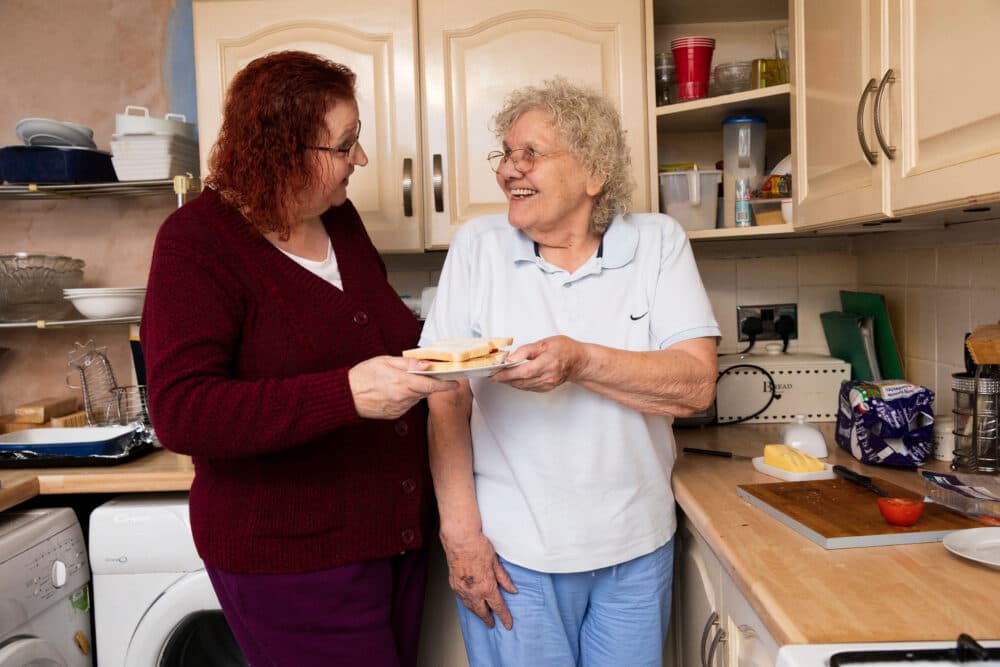
Why caring for a loved one can start to feel heavy
Caring often creeps up gradually. At first you may only be doing a little more than usual, such as helping with shopping or cleaning. Then perhaps you start managing medication, supporting with washing and dressing, or staying overnight because you worry about falls.
Alongside the physical tasks, there is also the emotional weight of seeing someone you love change. You may be grieving the life you once shared, or feel pulled between being a son or daughter, and being a carer. It is common to feel as if you are on alert all the time, even when you are not with your loved one.
When caring becomes such a big part of life, it can be hard to see where you end and the caring role begins. That is often the point where extra help at home can make a big difference.

Signs that caring responsibilities are becoming too much to manage
Every family situation is different, but there are some common signs that caring might be taking too much from you.
You might notice that:
- You are often exhausted, short tempered or tearful
- You wake in the night worrying about your loved one’s safety
- Your own health appointments keep being pushed to one side
- Friends and hobbies have faded into the background
- You feel that nothing you do is ever quite enough
You may also see changes in your loved one. They might be more anxious if you are late, hesitant about everyday tasks such as getting to the bathroom, or reluctant to tell you when something is wrong because they do not want to be a burden.
If several of these signs feel familiar, it is a gentle nudge that you do not have to keep carrying everything on your own.

Talking openly with your loved one about getting extra help
Starting a conversation about extra help can feel daunting. Many older people worry that accepting support at home means losing independence, or that it is the first step towards moving away from home. They may also feel guilty about how much you are already doing.
It can help to focus on how support could help both of you. You might say that you want to remain their son, daughter or partner, not just their carer. Extra help could give you more time to enjoy simple things together, such as a cup of tea and a chat, without always rushing to the next task.
Choose a calm, unhurried moment to talk, and try to listen carefully to their worries as well as sharing your own. You do not have to reach a final decision straight away. Often these are ongoing conversations, taken one small step at a time.

Different ways extra help at home can look in practice
Support at home does not have to be all or nothing. It can be as flexible as you need it to be, fitting around the care you and your family already provide.
Support with everyday routines
A Care Professional can visit to help with day to day tasks that have become more tiring or difficult. This might include support with washing and dressing, help to prepare simple meals, or gentle prompts with medication.
For some families, this kind of Personal Care feels most helpful first thing in the morning or in the evening, when moving safely and calmly can be harder. Knowing that a trained Care Professional is there at these key times can ease pressure and give you more breathing space.
Companionship and getting out of the house
Caring is not only about practical tasks. Loneliness and loss of confidence can make life feel much smaller for older people, especially if they no longer drive or have lost touch with friends.
Companionship Care is all about having regular, unhurried time with a Care Professional who gets to know your loved one well. They might share a hobby, go for gentle walks, pop to local shops, or simply sit together and talk. This kind of support can lift mood, rebuild confidence and give you reassurance that your loved one has friendly company on days when you cannot be there.
Help with home life and keeping on top of chores
Home Help can make the day feel smoother for everyone. Light housework, laundry, changing bedding and keeping on top of the washing up can all be part of a visit. Some families find this especially useful if they live further away from Bridport, Yeovil, Sherborne or Crewkerne and cannot always get to their loved one’s home as often as they would like.
Knowing the house is tidy, clean and comfortable can take a weight off your mind and allow you to focus more on the emotional support you want to give.
Specialist support if your loved one lives with dementia
If your loved one is living with dementia, caring can bring extra challenges. Changes in memory, mood and behaviour can be upsetting for everyone, and it can be hard to predict what each day will bring.
Dementia Care at home is designed to support the person as an individual, working with their routines, interests and history. A consistent Care Professional can use reassuring prompts, help with familiar activities and support safe movement around the home. This can help your loved one feel calmer and more settled, and can also give you a chance to rest and recharge.

Looking after your own wellbeing as a family carer
It is very common for family carers to put their own needs at the bottom of the list. You might feel selfish for wanting time off, or worry that nobody else will understand your loved one’s little quirks and preferences.
In reality, caring for yourself is part of caring well for someone else. Regular breaks, time for your own appointments and space to see friends can all help you feel more patient and resilient. Extra help at home can give you that breathing room, while you remain closely involved and informed.
Some families choose planned time away each week, while others prefer occasional longer breaks. Whatever you choose, it should feel like support, not a replacement for the love you give.

How local support at home can work alongside family caring
Working with a local, trusted team can make it much easier to build support that fits your family. Home Instead Yeovil, Sherborne & Bridport can provide Care at Home that is tailored around your loved one’s routines, preferences and what you and other family members want to keep doing yourselves.
Visits might blend Companionship Care, Home Help and Personal Care, with flexibility to adapt as needs change. The same familiar Care Professionals aim to visit wherever possible, which helps build trust and reassurance for everyone.
The office has been rated Good by the Care Quality Commission, and you can read the latest report on the Care Quality Commission website. Home Instead Yeovil, Sherborne & Bridport is also rated 9.8 out of 10 on homecare.co.uk, where you can see feedback from clients and families in Bridport, Yeovil, Sherborne, Crewkerne and surrounding areas.

Taking the next small step when you feel ready
Realising that family caring has become too much can be painful, but it is also an opportunity to create a more sustainable balance for you and your loved one. Extra help at home does not replace the care and love you give. Instead, it can sit alongside what you already do, so that you can keep being family first and carer second.
When you feel ready to explore what support could look like, you are very welcome to contact Home Instead Yeovil, Sherborne & Bridport for a warm, straightforward conversation about your options. You can call the team on 01935 577030, visit them at Yeovil Innovation Centre, Copse Rd, Lufton Trading Estate, Lufton, Yeovil BA22 8RN, or find directions and more details on their Google profile.
Areas We Serve
Yeovil, Bridport, Sherborne, Crewkerne, Weston, Martock, Somerton, Langport, Eastfield, Castle Cary, Bruton, South Petherton, Beaminster, Milborne Port and surrounding areas.
DT6 3, TA18 7, TA12 6, BA22 9, TA14 6, DT6 6, TA11 7, TA11 6, BA21 3, DT9 6, DT6 5, TA10 0, BA22 8, BA7 7, DT9 5, DT6 4, DT2 0, BA21 4, TA17 8, DT8 3, BA22 7, TA10 9, TA13 5, BA10 0, BA9 8, TA15 6, DT9 3, BA20 2, BA21 5, BA20 1, TA16 5, DT9 4, TA18 8
Office Address: Somerset Yeovil Innovation Centre, Barracks Close,
Copse Road, Yeovil,
Somerset – BA22 8RN
Phone: 01935 577030