How to recognise when daily check-ins are no longer enough
Spot the signs that daily check-ins are no longer enough and how home care can help.

Recognising when daily check-ins are no longer enough usually comes through patterns rather than one big moment: more tasks to do on every visit, more reliance on reminders, and a loved one who seems less settled between calls. This April, many families across Bishops Lydeard and the wider Taunton and West Somerset area are quietly noticing these signs and wondering whether a little more regular support at home would help.
This blog looks at the signs that a daily check-in may no longer be enough, how to approach the conversation, and why adding a small amount of care at home can ease pressure for everyone involved.
For many families, daily check-ins begin as a simple and caring way to stay close to an older loved one. A phone call in the morning, a quick visit after work, or a message to make sure everything is alright can bring comfort and reassurance. For a time, that may be exactly what is needed.
But there can come a point when those regular check-ins no longer feel like quite enough. This can be a difficult change to notice and an even harder one to admit. Families often want to do all they can themselves, and it is not always easy to tell when a little more support at home would help. Recognising this shift is not about giving up responsibility. It is about responding thoughtfully to changing needs and making everyday life feel safer, calmer, and more manageable.

Why daily check-ins can stop being enough
A daily check-in can be helpful when someone is mostly independent and simply benefits from a little reassurance. It works well when routines are steady, everyday needs are limited, and a loved one feels confident at home between visits or calls.
Over time, however, needs can change. A person may begin to need more support with meals, medication prompts, personal routines, or simply feeling settled through the day. The issue is not always one major change. More often, it is a series of small signs that gradually suggest more regular help would be useful.
Private care at home can provide that extra layer of support while allowing the person to remain in familiar surroundings and keep hold of the routines that matter to them.

Signs to look out for
Families often notice changes before they fully understand what they mean. Paying attention to patterns can help you decide whether a daily check-in still feels appropriate or whether more regular support would bring reassurance.
Everyday tasks may be becoming harder to manage, with meals being skipped, laundry building up, or the house feeling less organised than usual. There may also be more reliance on reminders, and if your loved one increasingly needs prompting for appointments, medication, meals, or routines, it may mean they would benefit from more structured support during the week.
You may also find yourself doing more on every visit, as a check-in that used to be a short visit begins to include shopping, tidying, preparing food, making calls, and sorting out day-to-day tasks, which can be a sign that needs are growing beyond what occasional contact can comfortably cover. A loved one may also seem less confident between visits, feeling unsettled or unsure when alone even if they are managing some tasks themselves, and a little more companionship and hands-on help can often make the day feel much steadier.
Increasing family worry is another clear sign. If you are finding it hard to switch off, worrying between visits, or constantly wondering how someone is coping, it may be time to think about more regular care at home.

The emotional side of this decision
It is very common to feel mixed emotions when thinking about extra support. Family members may feel guilty, uncertain, or concerned that they should be managing everything themselves. Older adults may also hesitate, especially if they are proud of their independence or do not want to inconvenience anyone.
This is why gentle conversations matter. Support at home does not have to mean a dramatic change. In many cases, it simply means bringing in a little extra help before things begin to feel too difficult. The aim is to reduce pressure, not create it.
Approaching the conversation calmly can help. Focus on what would make life easier, more comfortable, and more reassuring day to day. Often, people are more open to support when it is framed around staying well at home rather than losing independence.
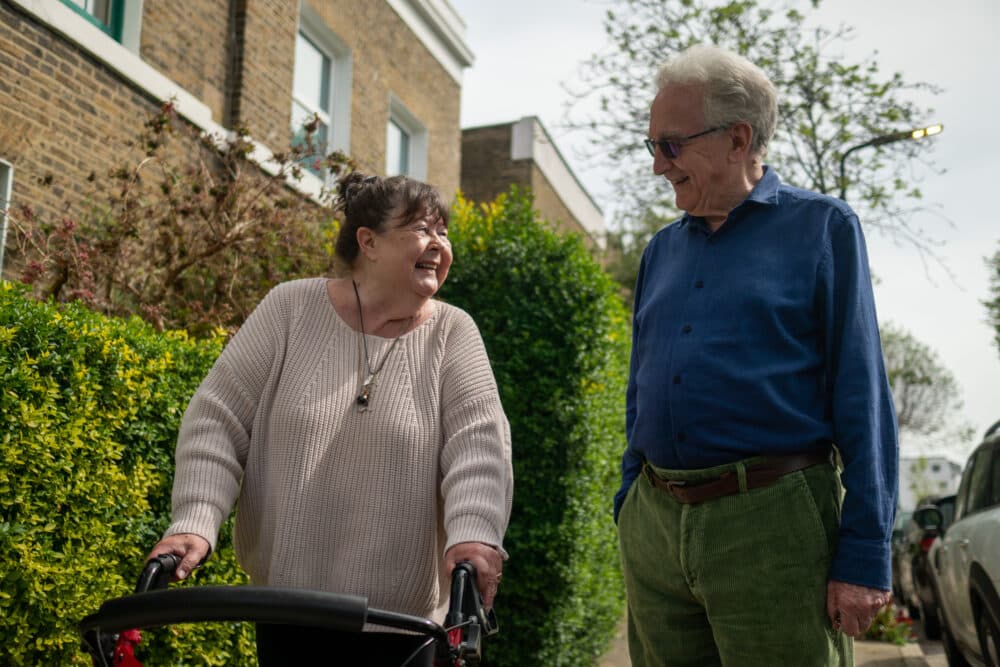
Why private care at home can help
When daily check-ins are no longer enough, private care at home can offer a reassuring next step. It allows support to be shaped around the person’s routine, preferences, and pace of life.
That might mean help with morning routines, support at mealtimes, companionship during the week, or regular visits that provide structure and continuity. Care at home can also ease pressure on family members, allowing them to spend more time simply enjoying being together rather than trying to fit in every routine task during each visit.
For people in Bishops Lydeard and the surrounding communities, remaining at home often brings comfort in itself. Familiar rooms, local routines, and the reassurance of home can all make a meaningful difference. Receiving care in that setting can help someone feel more relaxed and more like themselves.

A gradual approach can make things easier
One of the most reassuring things about home care is that support can begin gently. There is no need to move from a daily phone call to something much larger all at once. Sometimes one or two regular visits a week can make a real difference. From there, support can be adjusted over time as needs change.
This gradual approach can help everyone feel more comfortable. It gives the person receiving care time to get used to having support and helps families feel confident that the arrangement fits naturally into everyday life.
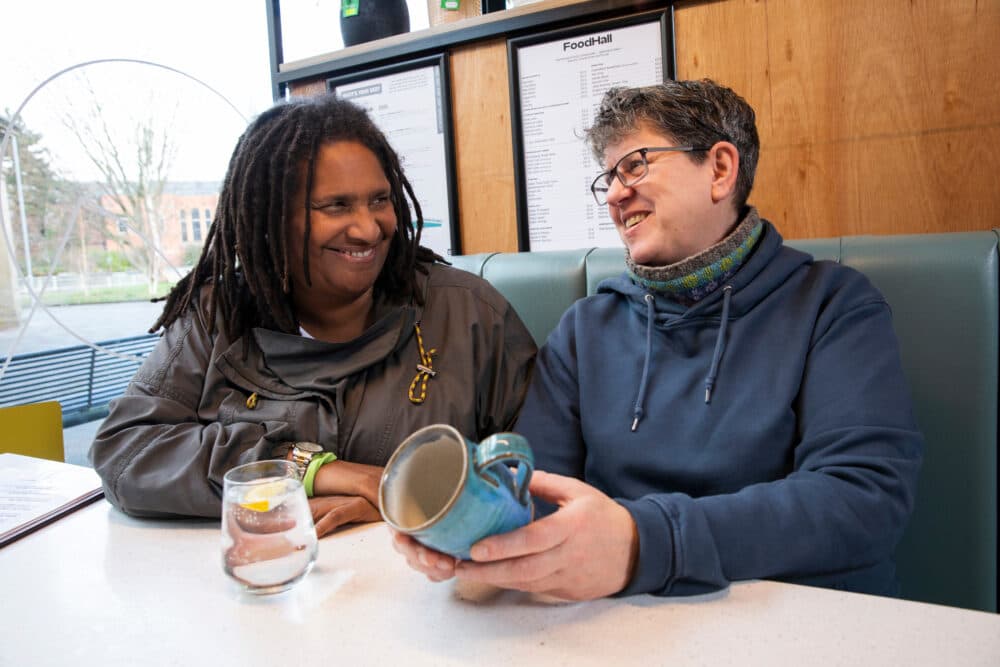
A calm next step for families
If you are beginning to feel that daily check-ins no longer provide enough reassurance, it may help to talk through what extra support could look like. Often, the right care is not about doing everything differently. It is about adding the right help at the right time.
Home Instead provides private care at home that is shaped around each individual, with a focus on comfort, dignity, and familiar routines.
Noticing small changes? Let’s work together to find the right level of support before challenges become crises.
Visit our care conversations page to download our ‘Let’s Talk Care’ Guide below or take a look at our practical tips on conversation starters for sensitive subjects or Download our Spot the Signs Checklist to help guide you.

Your Local Home Instead Team
Home Instead Taunton & West Somerset offers local home care across Bishops Lydeard and the wider surrounding area, helping older adults remain comfortable and supported in familiar surroundings. With local knowledge and a calm, approachable team, support is close at hand for families who would value guidance and reassurance.
Home Instead office name:
Home Instead Taunton & West Somerset
Office phone number:
01823 211 121
Office website URL:
http://homeinstead.co.uk/taunton-west-somerset
Google Business Profile link:
https://maps.app.goo.gl/8jU3ZTxzymHWFsUs7
Areas covered (towns/villages/communities):
Bishops Lydeard, Bridgewater, Trull, Monkton Heathfield, Wrantage, West Bagborough, Fitzhead, Bishops Hull, North Curry, Wellington
Postcodes served:
TA1 1, TA1 2, TA1 3, TA1 4, TA1 5, TA2 6, TA2 7, TA2 8, TA21 0, TA21 8, TA21 9, TA23 0, TA24 5, TA24 6, TA3 5, TA3 6, TA3 7, TA4 1, TA4 2, TA4 3, TA4 4
If you would like to talk through care at home for yourself or someone close to you, the local office can provide clear information and a reassuring first point of contact.

Ratings and compliance
Homecare.co.uk rating:
9.9 out of 10
Profile link: https://www.homecare.co.uk/homecare/agency.cfm/id/65432201734
CQC rating:
Outstanding
CQC report link: https://www.cqc.org.uk/location/1-988855301
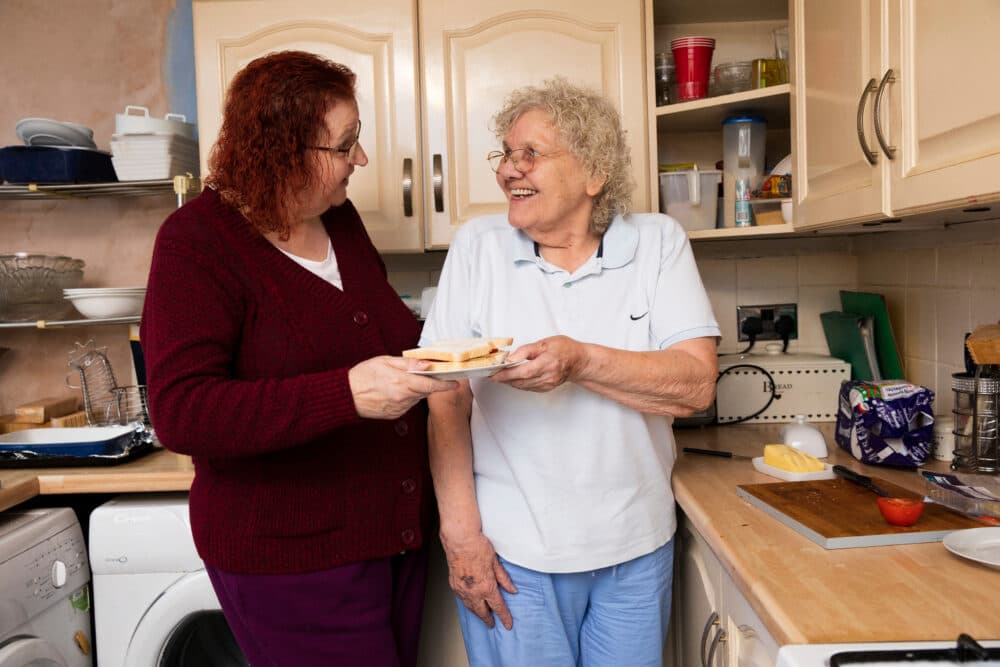
Areas We Serve
Taunton, Bridgwater, Monkton Heathfield, Pitminster and the surrounding areas
TA1 1, TA1 2, TA1 3, TA1 4, TA1 5, TA2 6, TA2 7, TA2 8, TA21 0, TA21 8, TA21 9, TA23 0, TA24 5, TA24 6, TA3 5, TA3 6, TA3 7, TA4 1, TA4 2, TA4 3, TA4 4
Comeytrowe Centre, Home Instead The, Pitts Cl, Taunton TA1 4TY, UK