How Familiar Routines and Faces Support People Living with Dementia

When someone is living with dementia, everyday life can start to feel less predictable. Tasks that once felt simple may take longer, and changes to routine can feel unsettling. For families, it is common to want care that feels calm, respectful, and consistent, especially when a loved one values their home and familiar surroundings.
One of the most supportive things you can offer is continuity. Familiar routines and familiar faces can help people living with dementia feel more settled day to day. Private live-in care at home can play a steady role here, providing reliable support while keeping life at home as normal and comfortable as possible.
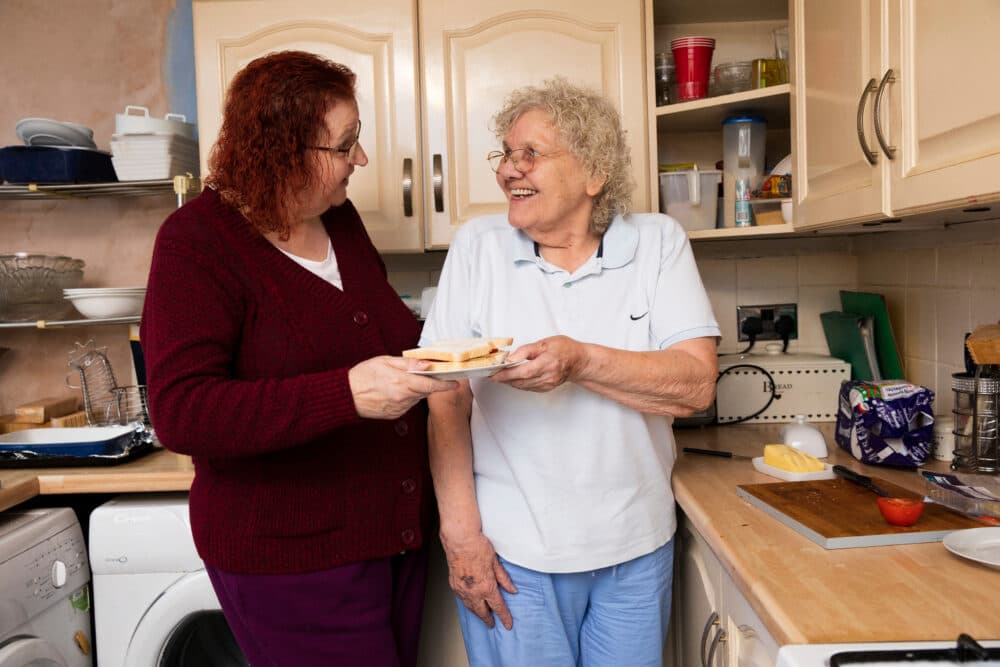
Why familiarity matters for dementia care
Dementia affects memory and thinking in different ways. Many people find it harder to process new information, adjust to unexpected changes, or remember what is happening next. Familiarity can help because it reduces the number of decisions and surprises a person needs to manage.
When routines stay similar and the same people are involved, it can support:
- A sense of safety and comfort at home
- Better orientation through the day, such as knowing what usually happens in the morning
- Greater confidence with personal care and daily tasks
- A calmer environment for both the person and their family
Familiarity is not about doing everything the same way forever. It is about creating steady patterns that make life feel easier.
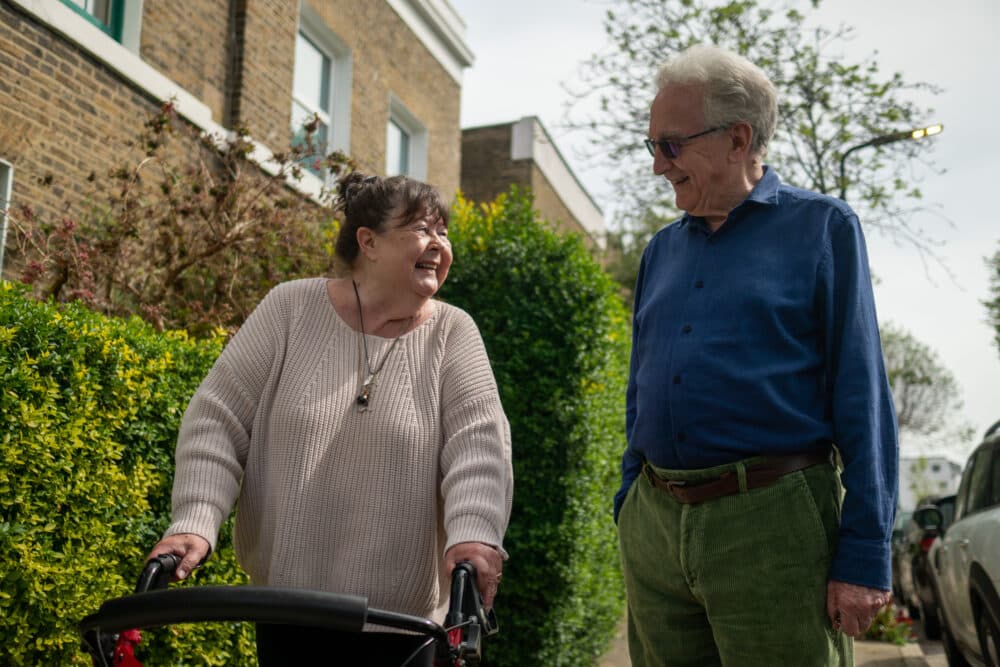
The quiet power of a predictable routine
A good routine is not strict. It is gentle and flexible, built around the person’s habits and preferences. Over time, it can become a helpful anchor.
Mornings that start calmly
Many families notice that mornings set the tone for the day. A calm start might include washing and dressing at an unhurried pace, a familiar breakfast, and a few simple steps in the same order. This can reduce confusion and help someone feel more in control.
Mealtimes that feel familiar
Regular meals can support wellbeing and reduce anxiety. People living with dementia often do better with familiar foods, familiar crockery, and a consistent mealtime routine. Simple support with shopping, preparation, and gentle prompts can make it easier to keep meals regular.
Comforting cues through the day
Small cues can help with orientation, such as opening curtains in the morning, a short walk at a usual time, or a cup of tea after lunch. These patterns can make the day feel more understandable and less tiring.
Evenings that feel settled
As the day winds down, a familiar evening routine can support comfort. This might include a light meal, a preferred TV programme, or a calm bedtime routine. The aim is to keep evenings steady and reassuring.
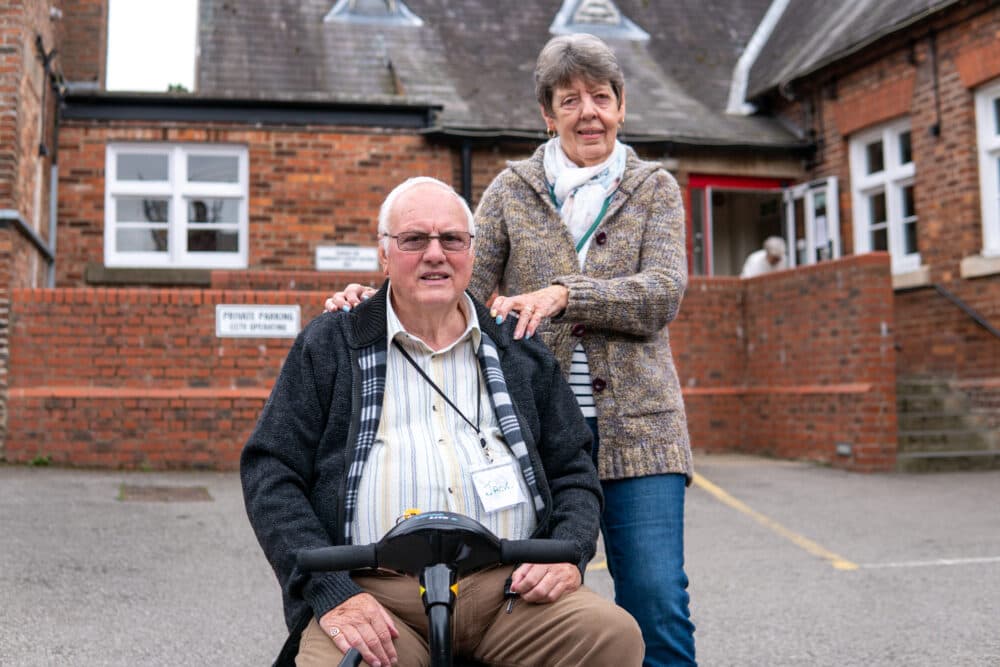
Why familiar faces can reduce worry and build trust
Care is not only about tasks. It is also about relationships. When someone living with dementia sees the same Care Professionals regularly, they are more likely to feel comfortable and relaxed. Over time, trust grows. That trust can make personal care feel less daunting, and day-to-day support feel more natural.
Familiar faces can help because:
- The person does not have to keep adjusting to someone new
- Communication tends to become easier over time
- Care can follow the person’s preferences more closely
- Small changes in mood or routine are easier to notice
For families, continuity can also be reassuring. It helps to know that care is consistent, and that support is being provided by people who understand the person well.

How care at home supports familiarity in a practical way
Private live-in care at home can be shaped around what the person already does, rather than replacing it. This helps protect independence and keeps routines recognisable.
Supporting the person’s usual habits
A Care Professional can work with the person’s preferred routine, whether that is getting dressed in a certain order, having breakfast in a particular chair, or taking a short walk at a familiar time. These details may seem small, but they often matter a great deal.
Gentle prompts rather than rushing
People living with dementia may need a little more time. Calm prompts and step-by-step support can help someone feel capable, without feeling hurried. This can protect confidence and reduce frustration.
Familiarity in the home environment
Remaining at home means the person stays surrounded by familiar possessions, photos, and the layout they know. Care at home supports that comfort, while also helping with practical tasks that keep the home environment manageable.
Companionship that reduces isolation
Dementia can make people feel withdrawn, especially if they feel unsure in social situations. Regular visits from a familiar Care Professional can provide gentle conversation and companionship, helping someone feel connected without pressure.
Helping routines stay consistent when families are busy
Family members often do a great deal, but it can be hard to provide consistent routines every day, especially alongside work and other responsibilities. This is where Private live-in care at home can help. It can provide dependable support at key times, such as mornings, mealtimes, or evenings.
Many families find this also protects their relationship with their loved one. When professional care covers the practical tasks, family visits can feel more like time together again, rather than a list of chores.

Making changes in a way that feels gentle
Sometimes routines do need to change, perhaps because care needs increase or because a person’s abilities shift. When changes are introduced slowly and with reassurance, it can feel less unsettling.
Helpful approaches can include:
- Introducing one new change at a time
- Keeping language calm and simple, focusing on the next step
- Maintaining familiar cues, such as the same mealtime or bedtime pattern
- Using the same Care Professionals wherever possible
Care at home can adapt gradually, increasing support while still keeping familiar routines at the centre.
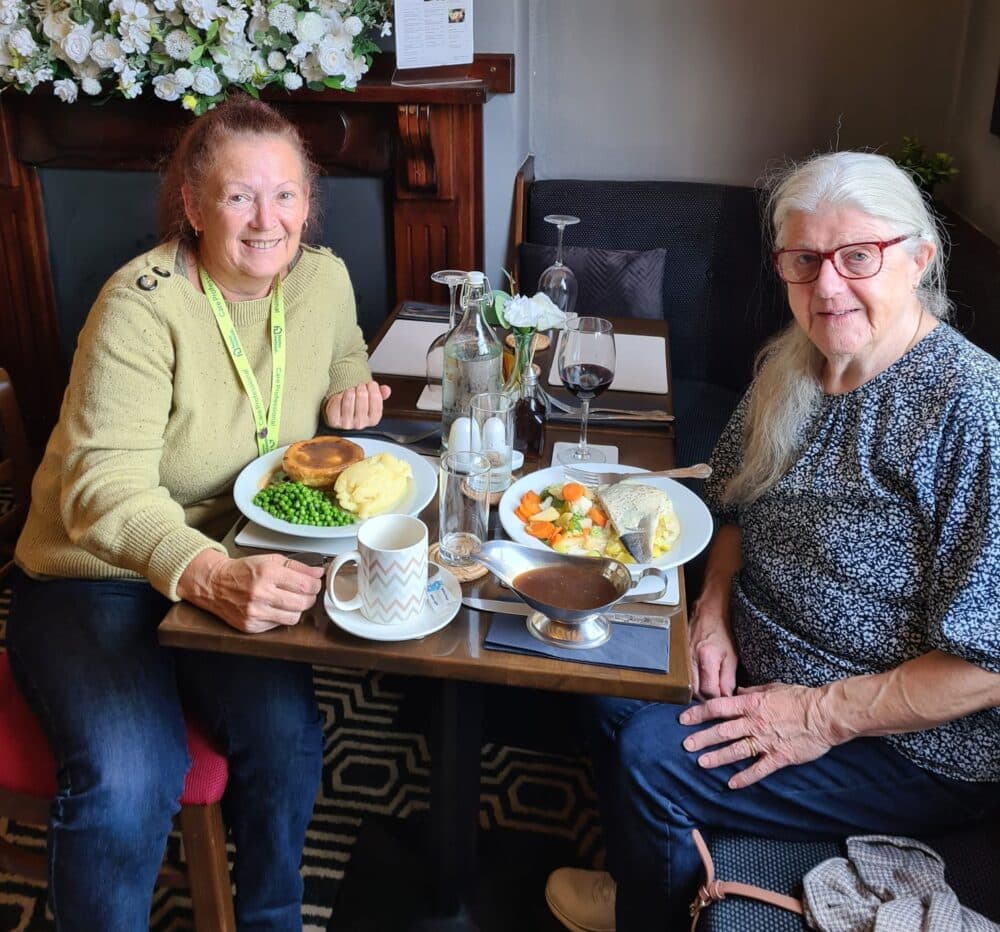
Your Local Home Instead Team
If you are supporting someone living with dementia, your local Home Instead team can help you explore Private live-in care at home in a calm, practical way. They understand the value of continuity and can work with you to build support that feels familiar, respectful, and centred on the individual.
At Home Instead Taunton, we understand that familiar routines and trusted faces bring reassurance and calm to people living with dementia. That is why we incorporate programmatic care and personalised behaviour management plans, tailored to each individual’s needs and preferences. Our Care Professionals receive City & Guilds accredited dementia care training, equipping them with the skills and confidence to provide consistent, compassionate support. We have also introduced small but effective dementia name badges to help reinforce familiarity and reduce anxiety, and we actively signpost families to trusted professional networks for additional guidance and support. Together, these thoughtful approaches help create a sense of stability, dignity and connection at home.
Home Instead office name:
Home Instead Taunton & West Somerset
Office phone number:
01823 211 121
Office website URL:
http://homeinstead.co.uk/taunton-west-somerset
Google Business Profile link:
https://maps.app.goo.gl/8jU3ZTxzymHWFsUs7
Areas covered (towns/villages/communities):
Taunton, Creech, Bishops Lydeard, Bridgewater, Trull, Monkton Heathfield, Wrantage, West Bagborough, Fitzhead, Bishops Hull, North Curry, Wellington
Postcodes served:
TA1 1, TA1 2, TA1 3, TA1 4, TA1 5, TA2 6, TA2 7, TA2 8, TA21 0, TA21 8, TA21 9, TA23 0, TA24 5, TA24 6, TA3 5, TA3 6, TA3 7, TA4 1, TA4 2, TA4 3, TA4 4
Ratings and compliance
Homecare.co.uk rating:
9.9 out of 10
Profile link:
https://www.homecare.co.uk/homecare/agency.cfm/id/65432201734
CQC rating:
Outstanding
CQC report link:
https://www.cqc.org.uk/location/1-988855301
A simple next step
If you would like support that prioritises familiar routines and familiar faces for someone living with dementia, it may help to explore our private live-in care page and contact the Home Instead Taunton & West Somerset office. A friendly conversation can clarify what care at home could look like, and how it can be shaped around your loved one’s daily life.

Areas We Serve
Taunton, Bridgwater, Monkton Heathfield, Pitminster and the surrounding areas
TA1 1, TA1 2, TA1 3, TA1 4, TA1 5, TA2 6, TA2 7, TA2 8, TA21 0, TA21 8, TA21 9, TA23 0, TA24 5, TA24 6, TA3 5, TA3 6, TA3 7, TA4 1, TA4 2, TA4 3, TA4 4
Comeytrowe Centre, Home Instead The, Pitts Cl, Taunton TA1 4TY, UK