Encouraging Safe Activity at Home
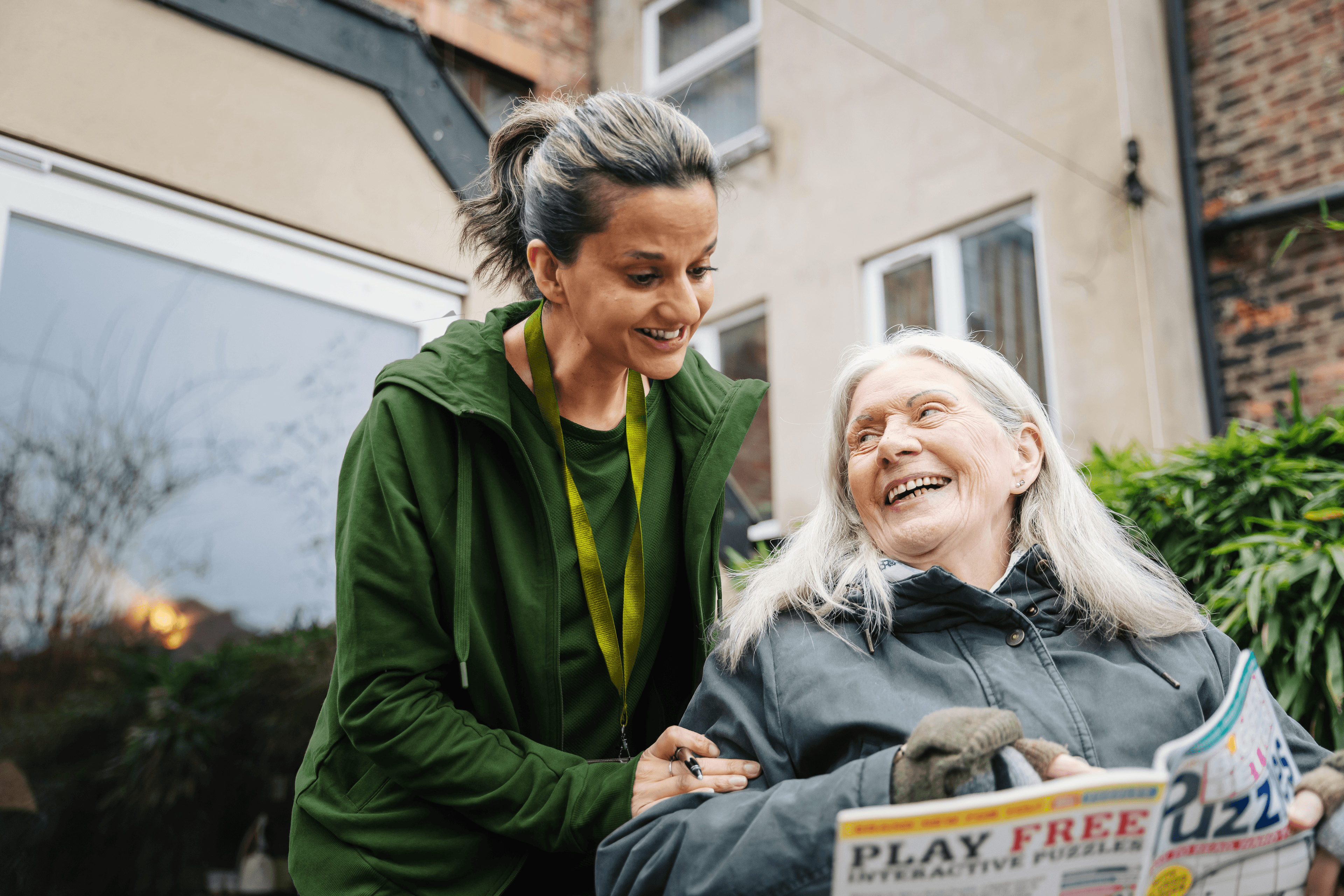
Staying active at home can support confidence, comfort, and a sense of routine, especially as someone gets older or starts to need a little more help day to day. In and around Taunton and Wellington, many families find that the right kind of movement and gentle activity can make a real difference to mood and wellbeing. It’s also important to remember just how common mobility challenges can become with age — around a third of people aged 65+ and around half of those aged 80+ experience at least one fall each year. This makes safe, supported activity even more valuable in maintaining strength, balance, and overall confidence at home.
If you are supporting a parent, partner, or relative, you may be wondering what “safe activity” looks like in practice. The aim is not to push anyone beyond what feels comfortable. It is to encourage small, steady actions that fit the person’s abilities, interests, and energy levels, while keeping the home environment calm and supportive.
Private care at home can help by providing encouragement, structure, and a reassuring presence, so activity feels more achievable and less daunting.
What safe activity means in everyday life
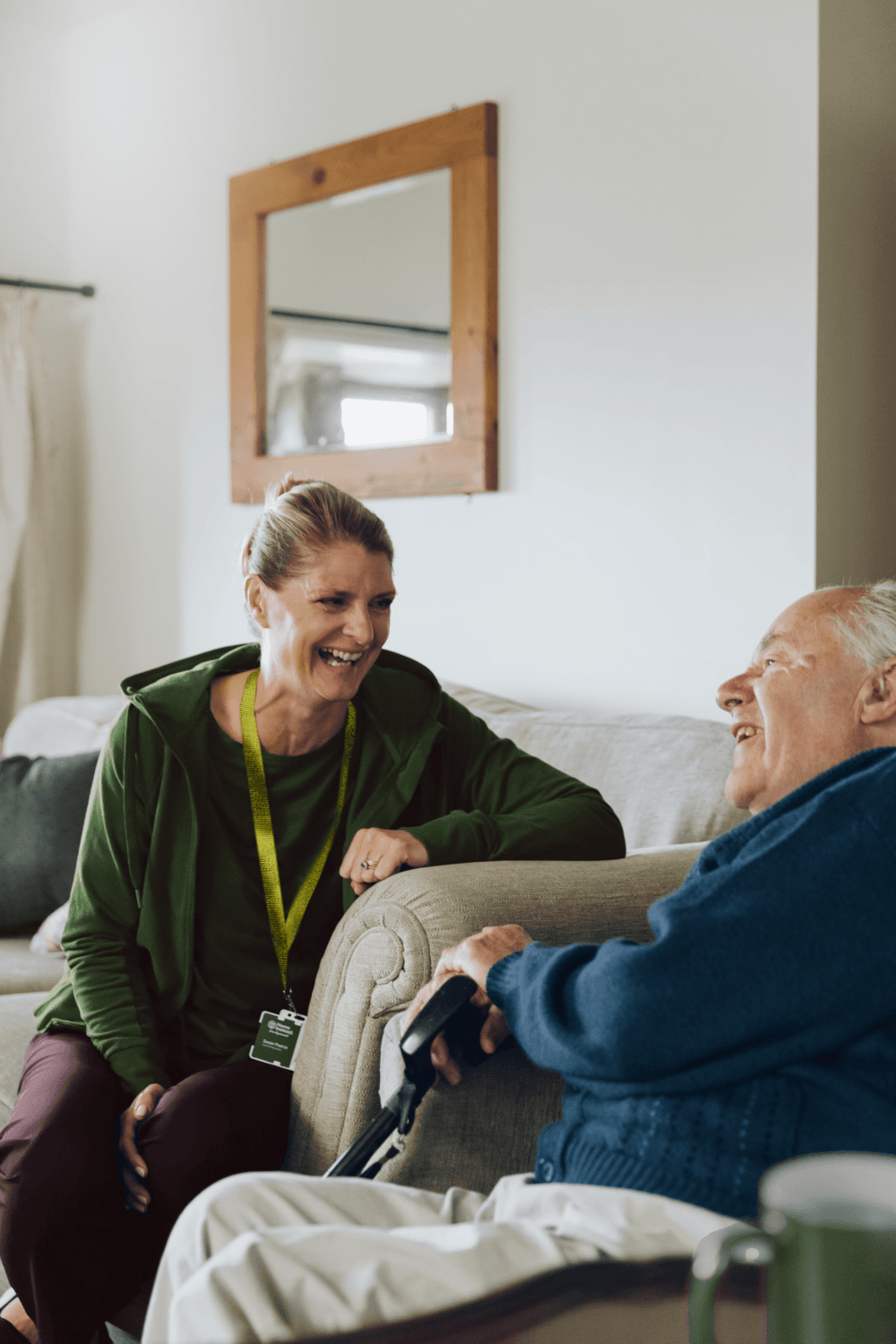
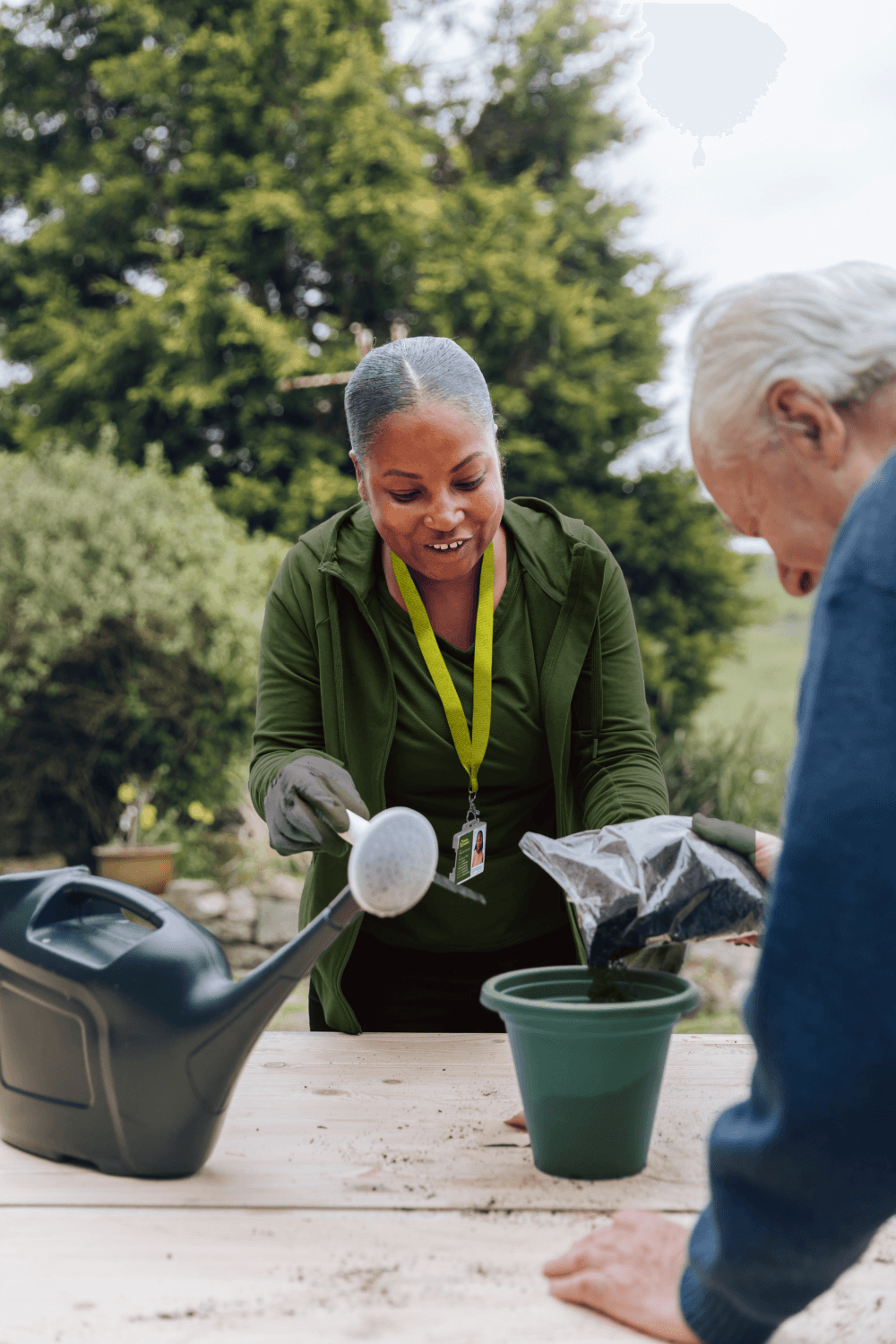
Safe activity is simply moving and doing things in a way that feels manageable. It does not have to involve exercise plans or anything complicated. For some people, safe activity might mean walking around the house a few times a day. For others, it might be standing to make a cup of tea, watering plants, or doing a few gentle stretches after breakfast.
It often helps to think about activity in three areas:
- Movement: light walking, standing, stretching, or chair-based exercises
- Everyday tasks: simple household activities that keep someone involved, such as folding laundry or setting the table
- Meaningful hobbies: activities that support enjoyment and concentration, such as reading, music, puzzles, crafts, or gardening
The safest activity is usually the activity a person is happy to do regularly. Consistency matters far more than intensity.
Start with what the person enjoys
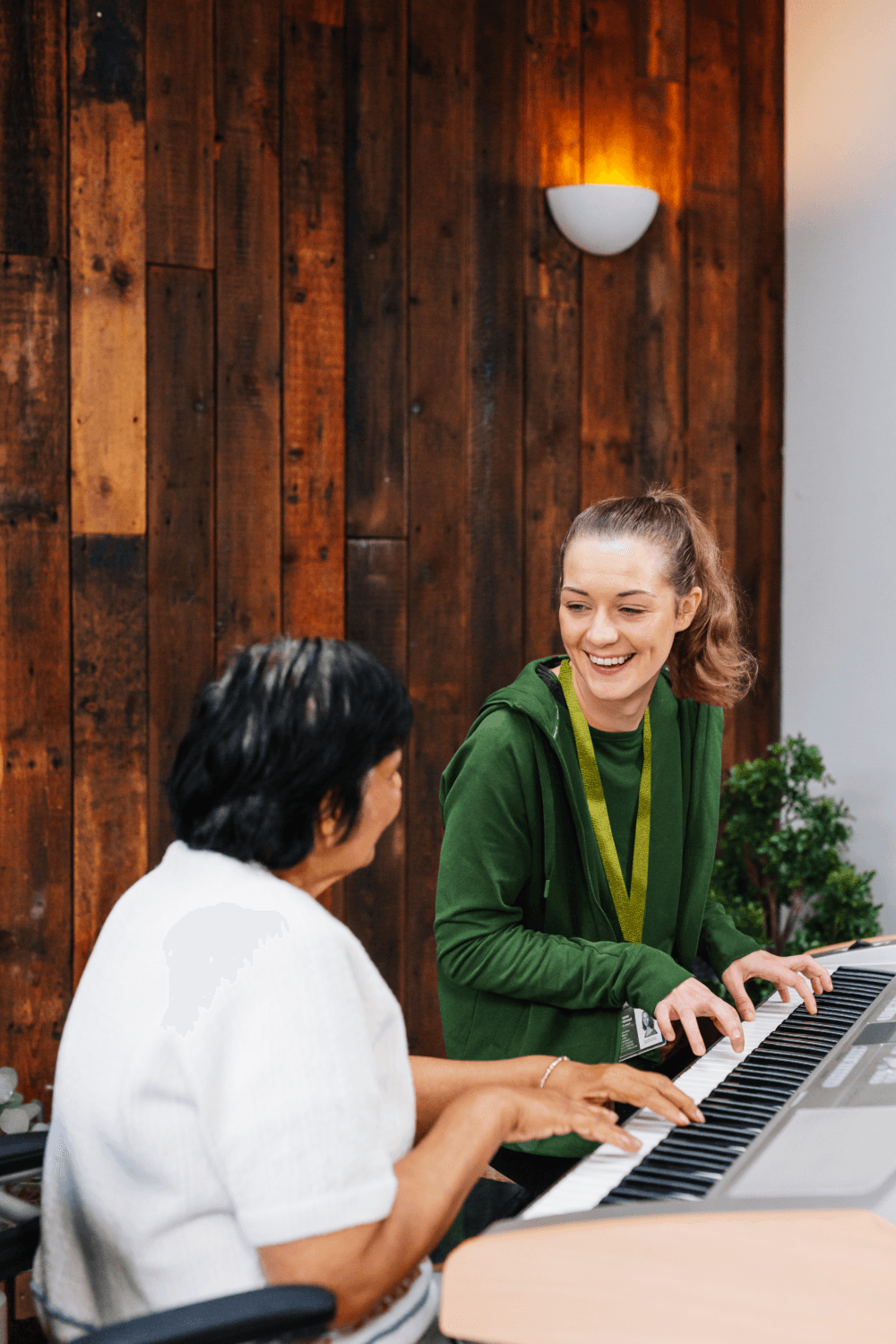
Motivation tends to be easier when an activity feels familiar and enjoyable. If someone has always liked being outdoors, a short walk in the garden or sitting outside for a few minutes can be a gentle starting point. If they enjoy music, putting on a favourite playlist and doing light movement while listening can feel natural.
If you are unsure where to begin, try asking:
- What feels like a good time of day to do a little more?
- What activities have they enjoyed in the past?
- What feels tiring, and what feels manageable?
- Would they prefer company or quiet support nearby?
When activity feels like part of normal life, it is often easier to keep going.
Simple, safe activities to try at home
The best activities are the ones that suit the person’s mobility, balance, and confidence. Here are some ideas families often find helpful.
Gentle movement options
- A short walk through the house or along the garden path
- Standing and sitting a few times from a sturdy chair, at a pace that feels comfortable
- Light stretching for shoulders, ankles, and legs
- Simple balance practice while holding a kitchen worktop or the back of a chair
- Chair-based movement, such as lifting heels and toes, or slowly raising arms
Everyday tasks that encourage movement
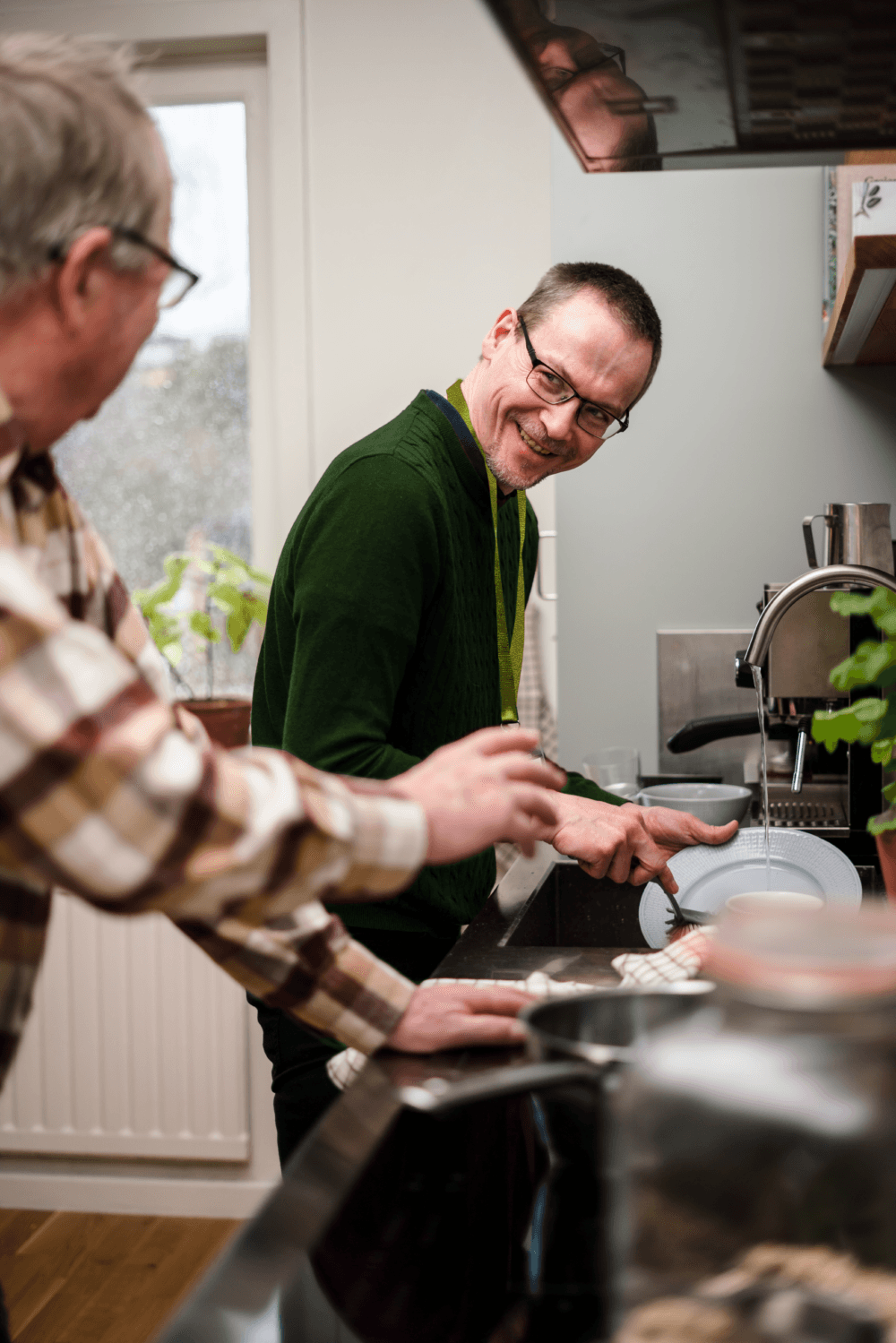
- Making a warm drink together
- Tidying one small area, such as a drawer or side table
- Folding towels or sorting laundry while seated
- Wiping a surface or watering indoor plants
- Setting out plates and cutlery for a meal
Activities that support focus and wellbeing
- Reading aloud, listening to audiobooks, or talking through the day’s plans
- Easy puzzles, crosswords, or word games
- Simple crafts, such as knitting, colouring, or card-making
- Looking at photos and sharing stories
- Light cooking tasks, such as stirring, peeling, or preparing a sandwich, if safe and supervised
The key is to keep activities short, with plenty of rest. A few minutes at a time can be enough.
Making the home environment feel safer for activity
A calm, clutter-free space makes it easier to move around with confidence. Small changes can also help someone feel steadier as they walk and carry out daily tasks.
You might consider:
- Keeping walkways clear of bags, loose rugs, and trailing wires
- Ensuring good lighting in hallways, stairs, and bathrooms
- Placing frequently used items within easy reach to reduce stretching
- Using sturdy chairs with armrests for sitting and standing
- Encouraging supportive footwear that fits well and feels comfortable
If someone uses a walking aid, make sure it is easy to access and used consistently. Gentle reminders can help, especially if routines are changing.
Supporting confidence without pressure
It is understandable if someone feels hesitant about moving more, particularly after illness or a change in mobility. Confidence often returns gradually, especially when there is reassurance and a steady routine.
Helpful approaches include:
- Choosing one small activity to repeat daily, rather than trying many things at once
- Using encouraging language, such as “Let’s try a little walk to the kitchen together”
- Allowing plenty of time, without rushing
- Celebrating the effort, not the outcome
- Stopping before someone feels overly tired
If the person has good and not-so-good days, that is normal. A flexible approach can help activity remain a supportive part of the day.
How private care at home can help with safe activity
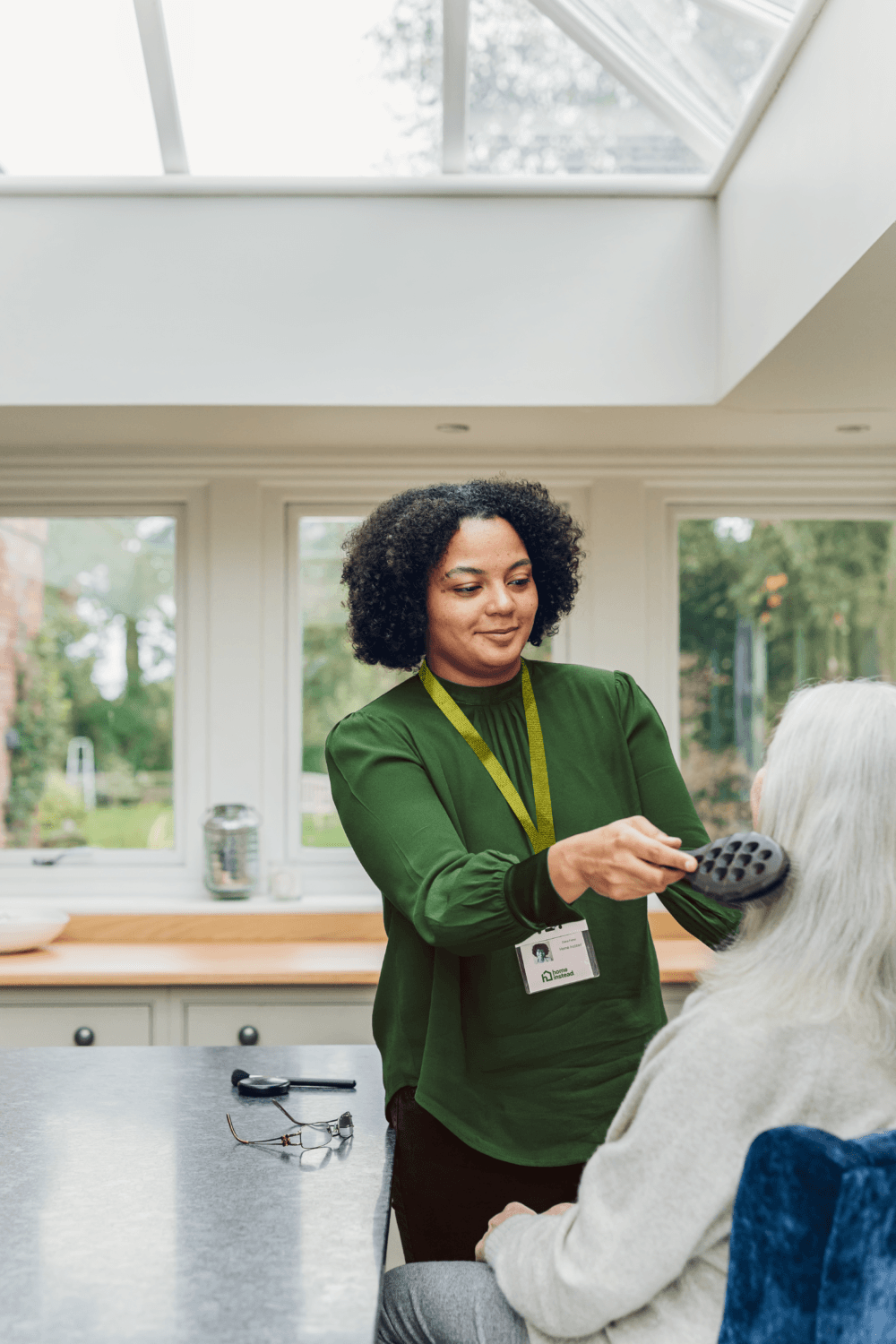
Private care at home can provide practical support while also encouraging gentle movement and involvement in daily life. A Care Professional can offer reassurance, help someone feel steady as they move around the home, and support activities that match their comfort level.
This might include:
- Encouraging short, safe walks around the home or garden
- Supporting morning and evening routines so the day begins and ends calmly
- Helping with meal preparation in a way that keeps the person involved where possible
- Offering companionship so activities feel less lonely and more enjoyable
- Providing a consistent routine, which can be especially reassuring over time
For families, this support can also reduce pressure and help you feel less alone in planning day-to-day care.
Local strength & balance classes (Age UK Somerset):
If a loved one would benefit from gentle, evidence‑based exercise to build confidence and reduce falls risk, Age UK Somerset runs Strong & Steady strength and balance classes across the county plus a Get Strong Get Steady 16‑week programme for those with more limited mobility. You can explore the Falls Prevention overview, check the Ageing Well class timetable, or go straight to Stay Strong, Stay Steady to see locations (including Yeovil) and how to join.
Falls Prevention (Age UK Somerset): https://www.ageuk.org.uk/somerset/our-services/falls-prevention/
Ageing Well—Activities & Exercise classes + timetable: https://www.ageuk.org.uk/somerset/activities-and-events/exercise-sessions/
Stay Strong, Stay Steady classes & referral details: https://www.ageuk.org.uk/somerset/activities-and-events/stay-strong-stay-steady/
For wider falls‑prevention resources in Somerset (including council guidance and local class listings), see:
Somerset Council—Falls prevention & support: https://www.somerset.gov.uk/care-and-support-for-adults/falls-prevention-and-support/
Healthy Somerset—Preventing falls & activity tips: https://healthysomerset.co.uk/ageing-well/preventing-falls/

Your Local Home Instead Team
If you are supporting someone in Bishops Lydeard or nearby and would like guidance on private care at home, your local team can talk you through options in a calm, practical way.
Home Instead office name:
Home Instead Taunton & West Somerset
Office phone number:
01823 211 121
Office website URL:
http://homeinstead.co.uk/taunton-west-somerset
Google Business Profile link:
https://maps.app.goo.gl/8jU3ZTxzymHWFsUs7
Areas covered (towns/villages/communities):
Bishops Lydeard, Bridgewater, Trull, Monkton Heathfield, Wrantage, West Bagborough, Fitzhead, Bishops Hull, North Curry, Wellington
Postcodes served:
TA1 1, TA1 2, TA1 3, TA1 4, TA1 5, TA2 6, TA2 7, TA2 8, TA21 0, TA21 8, TA21 9, TA23 0, TA24 5, TA24 6, TA3 5, TA3 6, TA3 7, TA4 1, TA4 2, TA4 3, TA4 4

Ratings and compliance
Homecare.co.uk rating:
9.9 out of 10
Profile link:
https://www.homecare.co.uk/homecare/agency.cfm/id/65432201734
CQC rating:
Outstanding
CQC report link:
https://www.cqc.org.uk/location/1-988855301
A short next step
If you would like help encouraging safe activity at home, private care can provide steady support, reassurance, and a routine that feels manageable. You can explore the Private Care at Home Bishops Lydeard landing page and contact your local Home Instead office to talk through what would feel most helpful for your family.