Is Home Care Right for Your Family in Swansea? Key Questions Answered
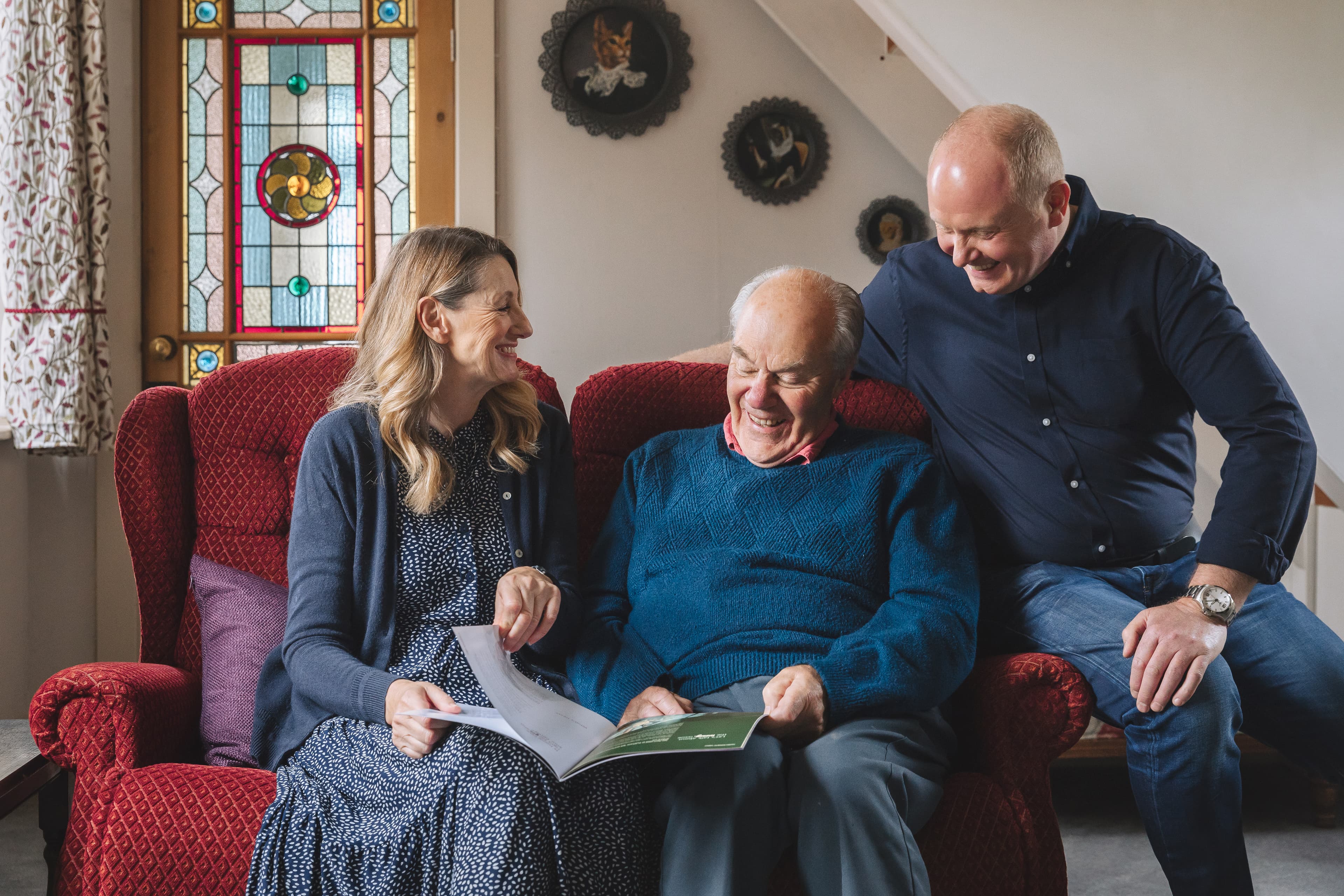
Deciding whether to arrange care for yourself or a loved one is one of the most important decisions a family can make. For many Swansea families, the question doesn’t come with a clear answer. Instead, it builds gradually:
“Are we managing okay?”
“Is this just part of ageing?”
“Is home care right for us?”
These questions are completely natural. Whether you’re supporting ageing parents, planning ahead for your own future, or responding to recent changes, understanding your options can make all the difference.
This blog is designed to help Swansea-based older adults and their families explore whether home care in Swansea is the right choice, what to consider, and how to move forward with confidence.
What Is Home Care and Who Is It For?
Home care (also known as domiciliary care) is support provided in a person’s own home. It’s designed to help older adults remain independent while receiving assistance with everyday tasks.
Home care can include:
- Help with personal care (washing, dressing)
- Meal preparation
- Medication reminders
- Light housekeeping
- Companionship
- Support with outings or appointments
For many families, in-home care for elderly in Swansea provides a balance between independence and safety — allowing loved ones to stay in familiar surroundings while receiving the support they need.
Is Home Care Right for Us? Key Questions to Consider
If you’re asking “is home care right for us?”, you’re already taking a thoughtful first step. Here are some key questions to help guide your decision.
1. Are daily tasks becoming more difficult?
One of the earliest signs you need home care is difficulty managing everyday activities.
Ask yourself:
- Is cooking becoming tiring or unsafe?
- Is personal care becoming more challenging?
- Is the home becoming harder to maintain?
If daily routines feel overwhelming, even small amounts of support can make a big difference.
2. Is safety becoming a concern?
Safety is often the tipping point for families.
Look out for:
- Falls or near misses
- Difficulty with stairs
- Forgetting to turn off appliances
- Mobility struggles
Swansea’s wet and windy weather can increase risks outdoors, while colder months can make joints stiffer and movement more difficult indoors.
If safety is a concern, it may be time to explore home care in Swansea.
3. Is loneliness or isolation affecting wellbeing?
Social isolation is more common than many people realise.
If a loved one:
- Spends long periods alone
- Has stopped attending social activities
- Seems withdrawn or low
Then companionship-based care could help. Regular visits can improve mood, confidence, and overall wellbeing.
4. Are family members feeling overwhelmed?
Providing care for a loved one is rewarding, but it can also be exhausting.
If you’re feeling:
- Stressed or anxious
- Physically tired
- Struggling to balance responsibilities
You’re not alone. Many families seek respite care in Swansea to share the responsibility and protect their own wellbeing.
5. Would support help maintain independence?
One of the biggest misconceptions about care is that it reduces independence.
In reality, domiciliary care in Swansea is often what preserves independence — helping people stay in their own homes for longer.
Home Care vs Residential Care: What’s the Difference?
A common question families ask is how home care vs residential care compares.
Home Care
- Support provided in your own home
- Flexible, tailored to your routine
- One-to-one attention
- Maintains independence and familiarity
Residential Care
- Moving into a care home
- Structured environment
- Shared staff support
- Less personal control over routines
For many Swansea families, home care is the preferred first option because it allows loved ones to stay in a familiar and comfortable environment.
Signs You Need Home Care
Recognising the signs you need home care early can prevent stress later.
Common signs include:
- Changes in hygiene or appearance
- Weight loss or poor eating habits
- Missed medications
- Increased forgetfulness
- Clutter or untidy living spaces
- Reduced mobility or confidence
- Withdrawal from social activities
If you’ve noticed several of these signs, it may be time to explore options.

What Is a Care Needs Assessment in Swansea?
If you’re unsure what level of support is required, a care needs assessment in Swansea can help.
This assessment looks at:
- Daily living needs
- Physical health
- Mental wellbeing
- Safety risks
It may be carried out by the local authority or a private care provider.
A care needs assessment provides clarity and helps families understand what type of care would be most beneficial.
Questions to Ask a Care Agency
When considering choosing home care in Swansea, asking the right questions is essential.
Here are some important questions to ask a care agency:
- How are care plans personalised?
- Will we have consistent caregivers?
- What training do staff receive?
- How flexible is the care schedule?
- How do you communicate with families?
- What happens if needs change?
The answers will help you determine whether the provider is a good fit for your family.
Starting Small: You Don’t Have to Commit to Everything
One of the advantages of home care in Swansea is flexibility.
You don’t need to commit to full-time care straight away. Many families begin with:
- A few hours per week
- Help with specific tasks
- Occasional companionship visits
This gradual approach allows everyone to adjust comfortably.
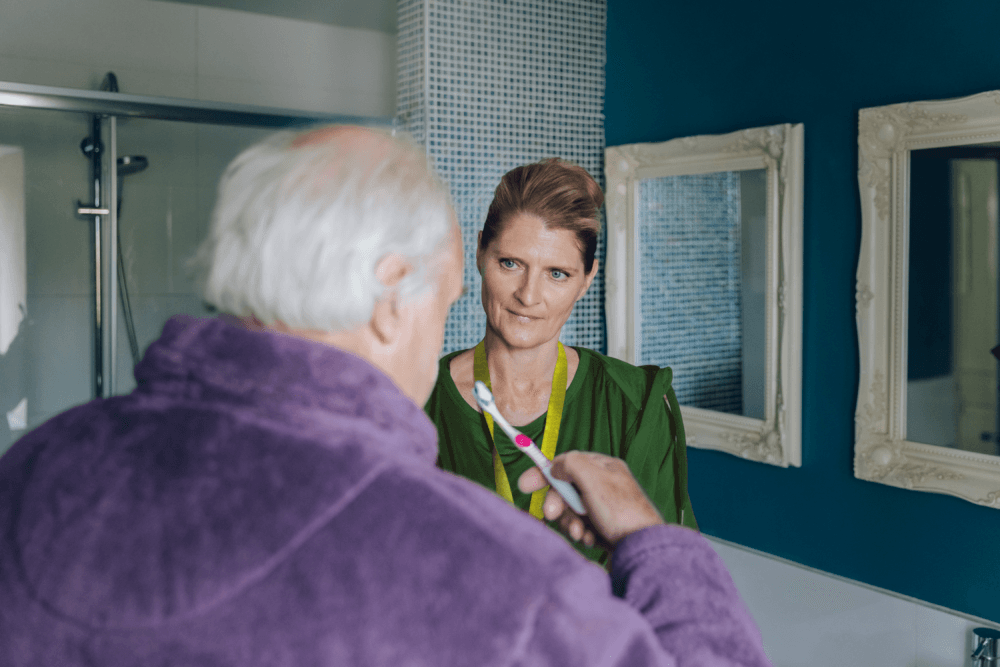
The Emotional Side of Accepting Care
It’s important to acknowledge that accepting care can feel emotional.
Older adults may worry about:
- Losing independence
- Being a burden
- Change in routine
Families may feel:
- Guilt
- Uncertainty
- Responsibility
Open, honest conversations can help. Framing care as support — rather than a loss of independence — often makes a positive difference.
How Home Care Supports Independence
The goal of in-home care for elderly in Swansea is not to take over — it’s to support.
Home care can:
- Reduce risks
- Improve confidence
- Maintain routines
- Encourage activity
- Support social connection
With the right support, many older adults continue living independently for years.
How Home Instead Swansea Can Help
At Home Instead Swansea, we understand that every family’s situation is unique.
Our approach to home care in Swansea focuses on:
- Personalised care plans
- Consistent, relationship-led care
- Flexible support options
- Respect for independence and dignity
We work closely with families to provide guidance, reassurance, and care that evolves as needs change.

When Is the Right Time to Decide?
There is no single “perfect” moment.
However, if you are asking:
- Is home care right for us?
- Are we starting to struggle?
- Would a little help make things easier?
Then it may already be the right time to explore your options.
Early decisions are often the best ones — allowing care to be introduced gradually, positively, and without pressure.
Final Thoughts
Choosing care is not about giving something up — it’s about gaining support, safety, and peace of mind.
For Swansea families, choosing home care in Swansea offers a flexible, compassionate way to support loved ones while preserving independence and quality of life.
If you’ve noticed the signs you need home care or are simply planning ahead, taking the time to ask questions and explore options can help you move forward with confidence.
Home Instead Swansea is here to support you every step of the way — helping you make informed decisions and ensuring your loved ones receive the care they deserve, right at home.