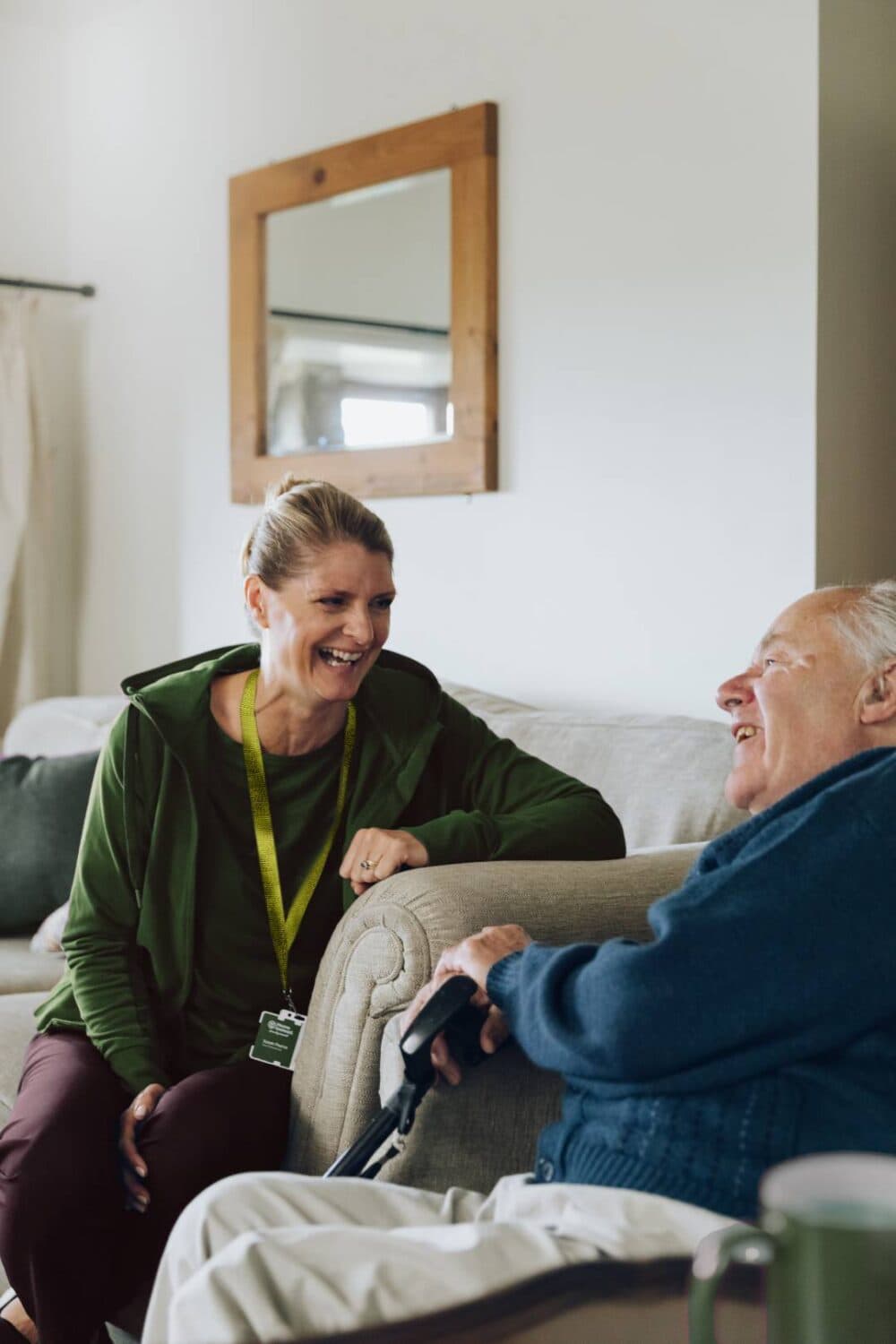
Simple home changes to keep everyday life safer for older people

Home is often where people feel most settled. It holds familiar routines, favourite rooms and a sense of comfort built up over many years. With the right support in place, it can continue to be a place where daily life feels manageable and reassuring.
Many families want to help a parent or loved one stay independent while enjoying the comfort of their own home. Simple, thoughtful adjustments can make everyday activities feel easier, allowing routines to continue much as they always have. These small steps can also offer quiet reassurance to family members, knowing their loved one is well supported without life needing to be disrupted.
This article explores practical ideas that can help make day-to-day living more comfortable at home, alongside gentle, flexible support that fits naturally around existing routines.
Noticing when everyday routines start to feel less steady
The first step is often simply noticing what has changed. You might hear your loved one say they feel unsteady when getting out of a chair, or that they avoid going upstairs unless they absolutely have to. You may see them shuffling rather than lifting their feet, or reaching for furniture to steady themselves.
Try to look at the home through their eyes. Are there areas that feel dark or cluttered, such as a hallway with shoes and bags along the floor, or a landing with piles of washing waiting to go downstairs? Is there a particular step or doorway where they hesitate?
It can help to gently ask about any “near misses”. Many older people will brush off slips or stumbles because they do not want to make a fuss, or they fear losing their independence. Reassure them that you are not trying to take over. You simply want to make the home work better for how life is now.
Simple changes to make moving around the home easier
A lot of falls happen when someone is moving from room to room. The aim is to make it as easy as possible to move around without obstacles or sudden changes.
Some ideas to consider include:
- Clearing everyday trip hazards, such as loose cables, low stools or piles of magazines on the floor
- Reducing the number of small rugs, or using non-slip backing to fix them in place
- Making sure there is a clear, wide path from the bedroom to the bathroom and from favourite chairs to the kitchen
- Checking that handrails on stairs are secure and, if needed, adding a second rail for extra support
- Placing sturdy, high back chairs in key spots so your loved one has somewhere safe to sit and rest
Lighting also makes a big difference. Brighter bulbs, an extra lamp near the bed or a plug-in night light on the landing can help your loved one see where they are putting their feet, especially during the night or on darker days.
If your loved one prefers to keep ornaments or furniture in certain places for sentimental reasons, try to work with that. Sometimes moving just one or two items can improve safety without changing the feel of the room.
Bathroom ideas to reduce slips and worries
Bathrooms are one of the most common places for slips and falls, especially when floors are wet and surfaces are hard. Small tweaks can make this space feel much safer without your loved one feeling that the room has turned into a clinical setting.
Helpful bathroom adjustments might include:
- Using non-slip mats in the bath or shower and on the floor just outside
- Adding grab rails near the toilet and in the bath or shower area so there is something solid to hold on to
- Keeping toiletries within easy reach so there is no need to stretch or bend awkwardly
- Making sure towels, flannels and clothes are laid out in the order they will be needed
- Using a bright towel or bath mat to show the edge of the bath more clearly
If balance is becoming more of an issue, a simple shower stool can help your loved one sit down while they wash. You might also have a chat about how they feel getting in and out of the bath. Being open about these worries can help you decide what changes would help most.
Try to keep the bathroom warm and well lit. Feeling cold or rushed can make anyone more likely to slip, especially if they are already worried about falling.

Little tweaks that keep the kitchen safer day to day
Kitchens hold many happy memories, but they can also bring new risks for older people. Heavy pans, hot kettles and high cupboards all demand strength, balance and concentration.
You could start by looking at what your loved one uses most often. Putting everyday items, such as favourite mugs, plates and cereal bowls, on the worktop or in lower cupboards can reduce the need to reach up high or stretch. Keeping heavier items, like casserole dishes, on a waist height shelf can also help.
Other ideas for a safer kitchen include:
- Moving the kettle close to the sink to avoid carrying it far when it is full
- Considering lighter pans with two handles rather than one heavy frying pan
- Checking that oven gloves are in good condition and within easy reach
- Using a simple timer to avoid food being forgotten on the hob
- Making sure smoke alarms are working and batteries are replaced when needed
If memory is a concern, clear labels on jars and containers can make it easier to find ingredients and avoid confusion. You might also simplify the contents of the fridge and cupboards, so there are fewer part-used items to keep track of.
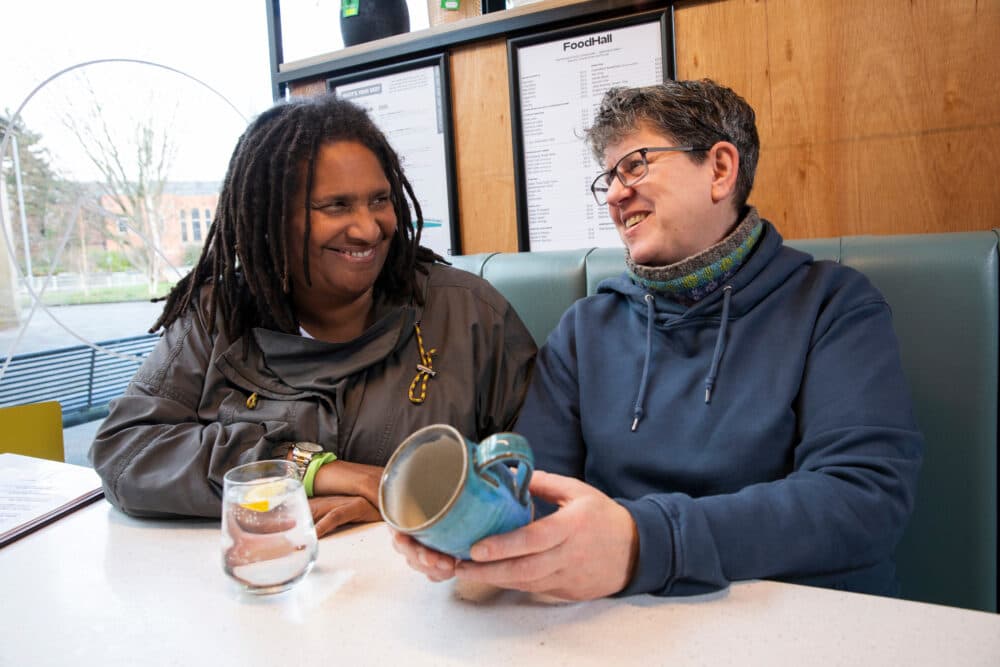
How support at home can fit around small home changes
Even with thoughtful adjustments, there may still be times when your loved one needs another person nearby. Support at home can sit alongside the changes you make, helping everyday life feel more manageable and less stressful.
Care Professionals from Home Instead Stockport can visit for planned calls that blend Companionship Care, Home Help and more personal support, depending on what your loved one is comfortable with. This might include time for a chat over a cup of tea, help with light housework and laundry, or support with washing and dressing as part of a calm morning or evening routine.
For someone living with memory loss, a familiar Care Professional can help keep to reassuring routines, gently remind them about drinks or meals and support safe movement around the home. The focus is always on working at your loved one’s pace, encouraging them to do what they can while offering a steady arm and a friendly face.
Home Instead Stockport has been rated Good by the Care Quality Commission, and you can read the latest report on the Care Quality Commission website. The office is also rated 9.8 out of 10 on homecare.co.uk, where you can see feedback from clients and families in Stockport, Bramhall, Cheadle Hulme, Cheadle Heath and nearby areas.
If you would like to know more about how local support at home could work alongside simple changes in the home, you are very welcome to get in touch with the team at Home Instead Stockport. You can call 0161 480 0646, visit the office at 179 Entrance & Car Park, Hall Street, Victoria House, off Turncroft Ln, Stockport SK1 4JG, or find directions and further details on their Google profile at the link above.
A gentle reminder that small steps still count
It is easy to feel that you have to solve everything at once when you start noticing new risks at home. In reality, even one or two small changes can make a real difference to how safe and confident your loved one feels.
Taking time to look around the home together, making gradual adjustments and accepting a little extra help can all add up to a calmer, more secure daily routine. When you feel ready, the team at Home Instead Stockport is here to talk through what support at home could look like for your family, in a way that fits your loved one’s life and priorities.