Planning Ahead for Progressive Health Conditions
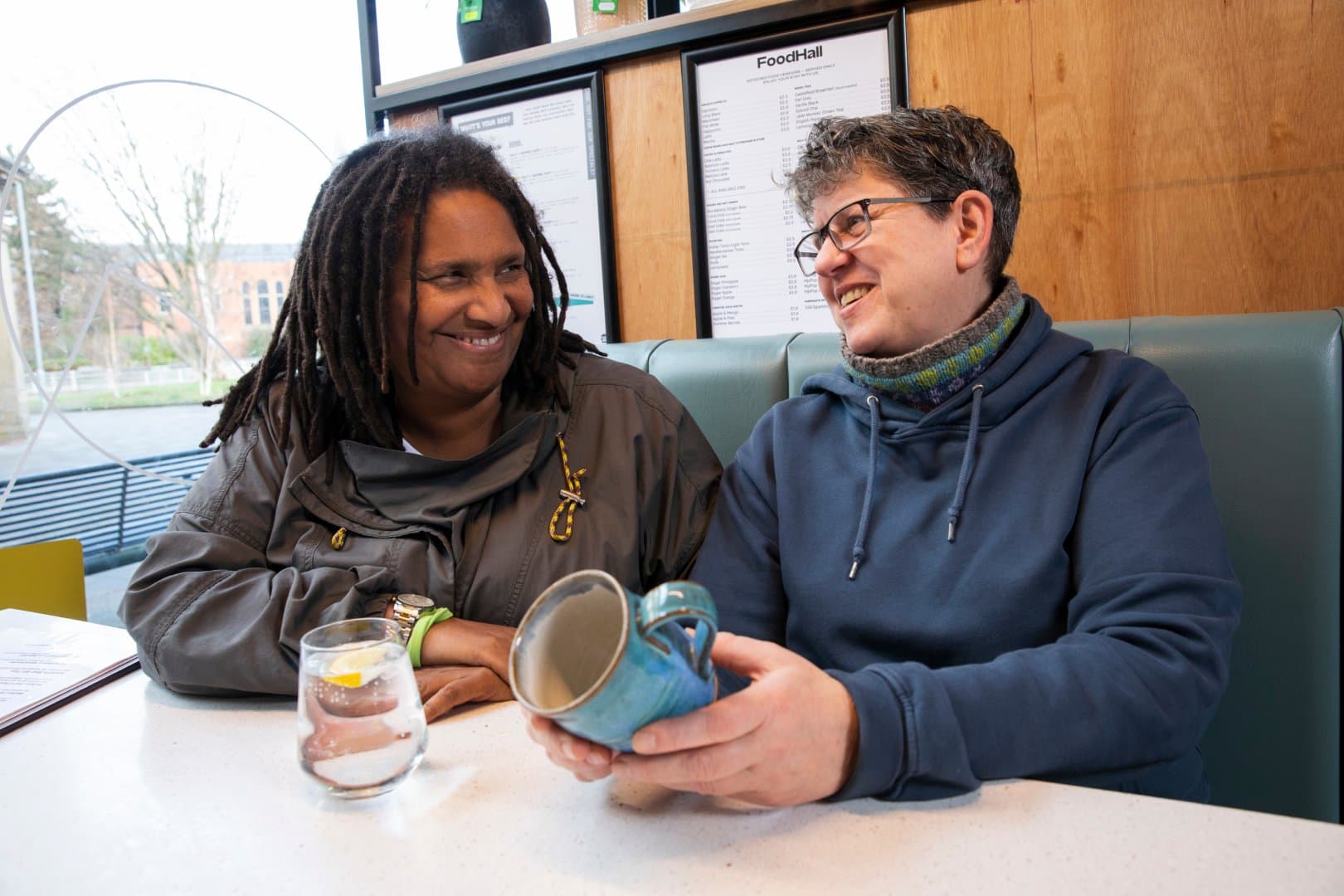
When someone is living with a progressive health condition, it is natural to have questions about what support might be needed in the months and years ahead. You may be helping a partner, parent, or relative while also trying to keep life feeling steady and familiar. Planning ahead is not about expecting the worst. It is about creating a calm, practical plan so you can respond to changes with more confidence and less stress.
For many families in and around Carluke, private care at home offers a flexible way to support independence, comfort, and routine, while adapting gently as needs change.

What “Planning Ahead” Can Look Like
Planning ahead does not need to be complicated. It often starts with a few simple conversations and a clearer view of what matters most to the person receiving care.
You might begin by considering:
- What helps them feel comfortable and settled at home
- Which daily tasks are becoming harder, even if only occasionally
- What kind of support feels acceptable and respectful
- Who is involved in decision-making, and how updates will be shared
Some families find it helpful to plan in stages. That might mean arranging a small amount of support now, then adjusting gradually if care needs increase.
Understanding Needs That May Change Over Time
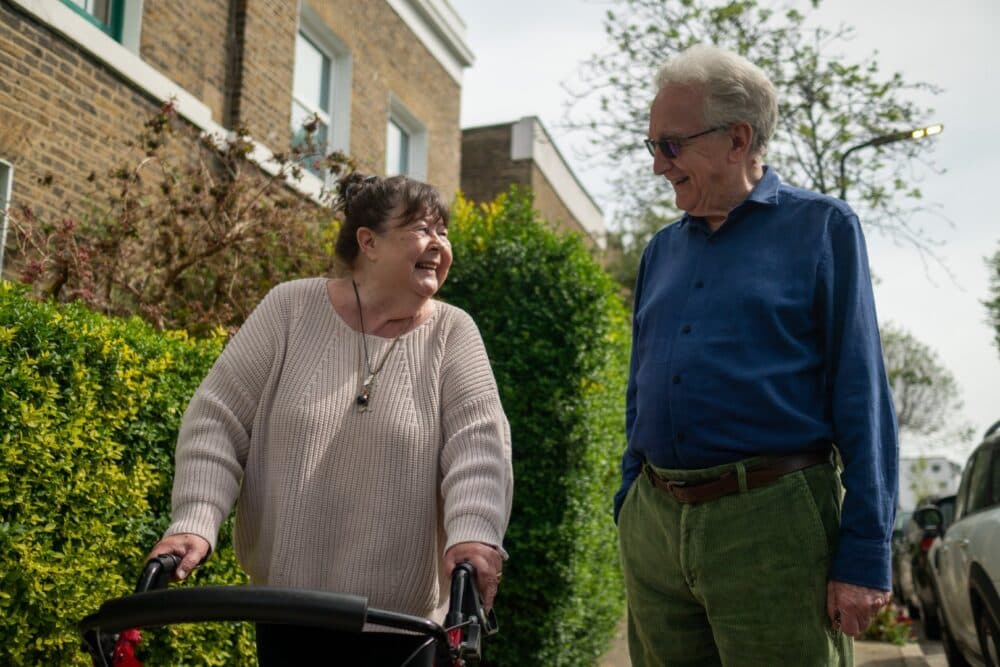
Progressive conditions can affect people in different ways. Some changes are physical, such as mobility and strength. Others affect memory, confidence, or energy levels. It can help to focus on how daily life is going, rather than trying to predict exact timelines.
Common areas where support may become helpful include:
- Morning and evening routines
- Personal care, such as washing and dressing
- Meal preparation and nutrition
- Medication prompts
- Safe movement around the home
- Companionship and emotional reassurance
- Support with appointments and local outings, where appropriate
Not everyone will need all of these. The aim is simply to notice what is changing and respond in a way that feels manageable.
Having Gentle Conversations Early
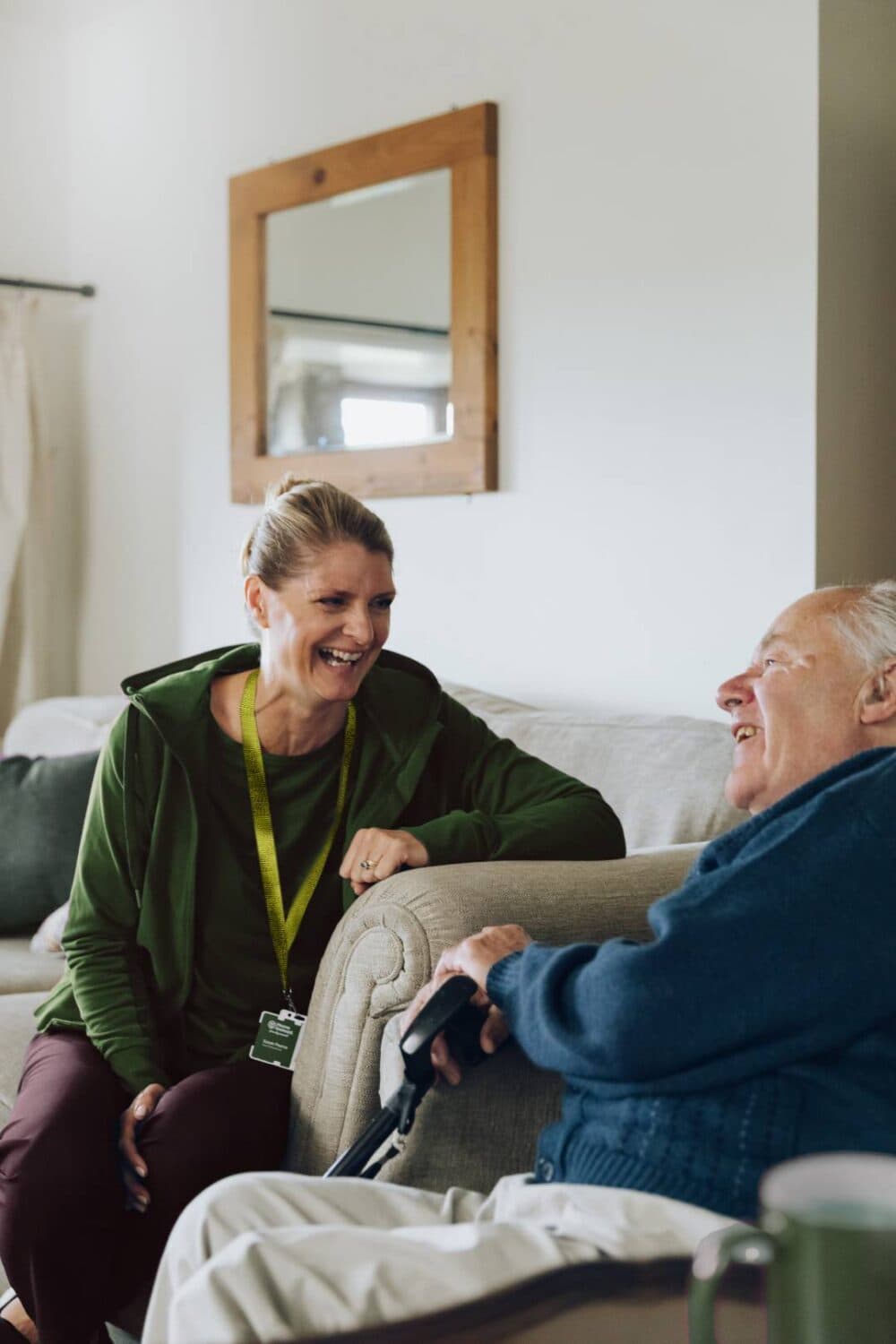
Families often find that the best time to talk about future support is before things feel urgent. A calm conversation can help everyone feel heard and respected, especially the person receiving care.
You might talk about:
- What they would like to keep doing for themselves
- Which parts of the day feel hardest
- What kind of help feels comfortable, and what does not
- What a good day looks like for them
- How they would like family members and Care Professionals to communicate
If your loved one finds change difficult, it can help to frame care at home as practical support, rather than a loss of independence.
Create a Simple Care Plan Around Routines
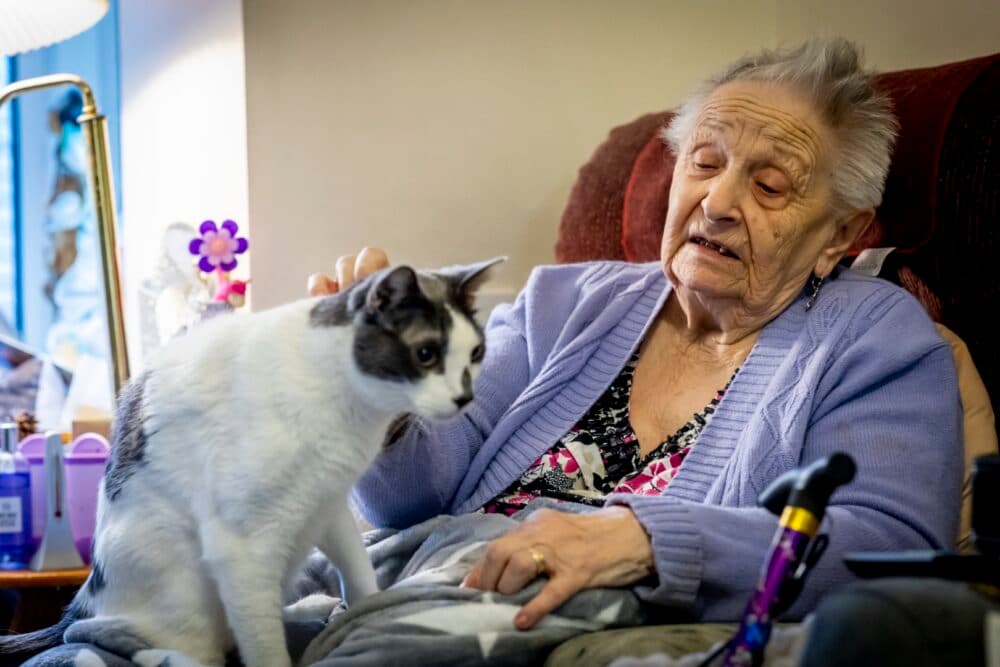
Routines can be reassuring, particularly when health needs are changing. Even a short written plan can help private care at home feel more consistent, especially if more than one person is involved.
A helpful care plan might include:
- Usual waking, meal, and bedtime patterns
- Mobility needs and any equipment used at home
- Preferred foods and drinks, plus any allergies
- Medication times and prompts, if required
- Personal preferences for washing, dressing, and privacy
- Hobbies, interests, and conversation topics that help them feel like themselves
- Important contacts and how to reach family members
This kind of detail helps care remain personal and respectful, rather than task-led.
Think About the Home Environment
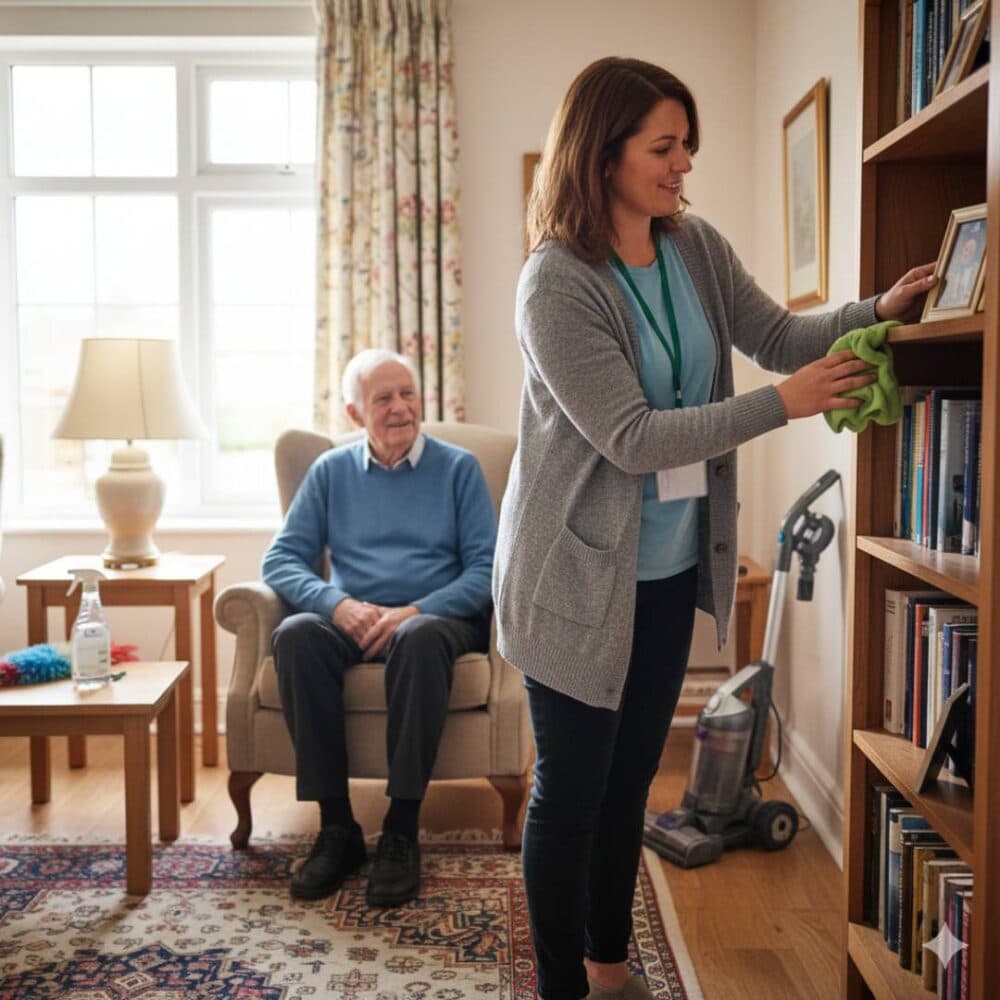
Small adjustments at home can make daily life easier, especially if mobility or confidence is changing. You do not need to change everything at once. Often, the goal is to make common routines feel smoother.
Consider:
- Keeping walkways clear and well lit
- Ensuring frequently used items are easy to reach
- Creating a safe, comfortable space for rest during the day
- Making the bathroom feel practical, with items placed where they are most useful
- Reviewing stairs, entryways, and flooring to support steady movement
A care team can also help you think through what would make routines easier at home.

Support For Family Carers Matters Too
Planning ahead is not only about the person receiving care. It is also about supporting family members who may be providing care day to day. Even when caring is done with love, it can be tiring to manage everything alone.
Private care at home can help family carers by:
- Providing consistent support at key times of day
- Reducing pressure around personal care routines
- Offering companionship so the person at home feels less isolated
- Giving family members time to rest, work, or manage their own health needs
Many families find that a small amount of regular support can make life feel calmer for everyone.
How Private Care at Home Can Adapt as Needs Change
One of the strengths of private care at home is flexibility. Care can begin with companionship or light help around the home, then increase gradually if more support is needed.
This might look like:
- Starting with a few visits each week for routine support
- Adding visits at times when energy is lower, such as mornings or evenings
- Adjusting the care plan after hospital appointments or changes in mobility
- Increasing support to keep routines stable and comfortable at home
Having a plan that can adapt may help you feel less worried about “getting it right” immediately. Care can change with you.

How Home Instead Can Help You Plan with Confidence
Home Instead provides private care at home that is shaped around the individual. Support can include personal care, meal preparation, medication prompts, companionship, and help with day-to-day routines. The focus is on dignity, familiarity, and care that fits into the person’s life at home.
If you are in Carluke or nearby communities, talking to a local team can help you understand what support could look like now and how it could adapt over time. Even if you are still exploring options, a calm conversation can bring clarity.

Your Local Home Instead Team
If you would like to discuss planning ahead for a progressive health condition and what private care at home could look like, your local team can guide you through the options in a supportive, practical way.
Home Instead office name:
Home Instead South Lanarkshire
Office phone number:
01555 666474
Office website URL:
http://homeinstead.co.uk/south-lanarkshire
Google Business Profile link:
https://maps.app.goo.gl/wZfFCAZdRREydkjq8
Areas covered (towns/villages/communities):
Carluke, Biggar, Abington, Lanark, Clyde Valley, Carstairs, New Lanark, Lesmahagow, Larkhall, Symington
Postcodes served:
ML11 0, ML11 7, ML11 8, ML11 9, ML12 6, ML3 0,ML8 4, ML8 5,

Ratings and compliance
Homecare.co.uk rating:
9.8 out of 10
Profile link:
https://www.homecare.co.uk/homecare/agency.cfm/id/65432221166

A short next step
If you are considering private care at home in Carluke, planning ahead can help you feel more prepared and supported as needs change. You can explore the Private care at home Carluke landing page and contact your local Home Instead office to talk through your situation and the next steps in a calm, reassuring way.
How can we help?
We've helped thousands of families to stay safe, comfortable and happy at home. Whatever situation you're facing, or whatever the question is, Home Instead is here to help.
Are you in need of a little guidance right away?
03300 583450Other non-care-related enquiries