Companionship care
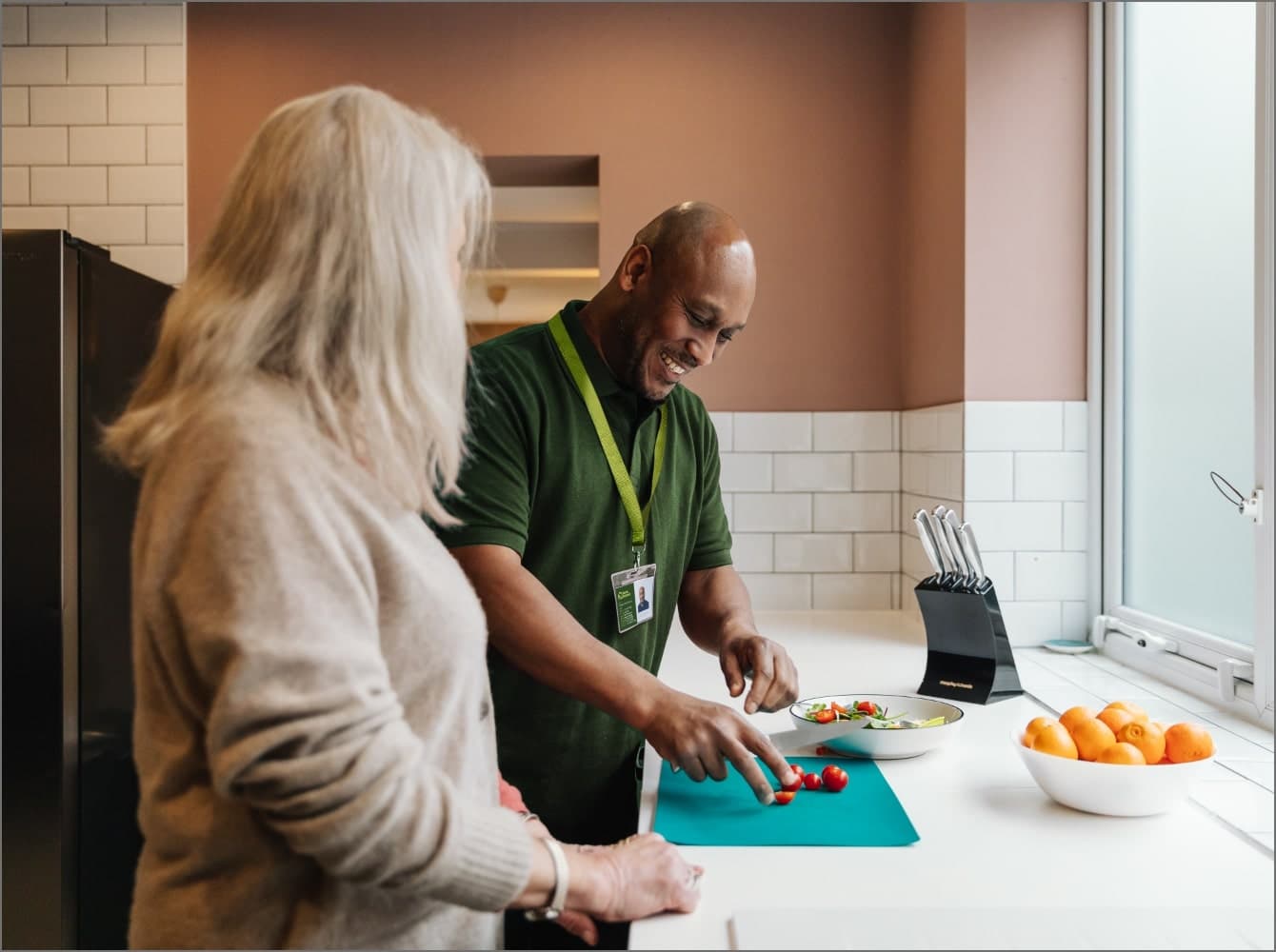
We carefully match Care Professionals with clients to ensure a meaningful bond is created.
Relationship-led and supportive Respite Care in South Lakes from compassionate and experienced home care professionals.
Enquire about care
Home Instead South Lakes offers expert respite care, providing much-needed support for family caregivers. Our team, with an Outstanding CQC rating and extensive experience, is highly qualified to step in and provide professional care for your loved one, allowing you to take a well-deserved break. Whether it’s for a few hours or longer, our compassionate Care Professionals offer tailored support to meet individual needs, from personal care to companionship. We understand the demands of caregiving and offer reliable respite services, ensuring your loved one is in safe hands while you recharge. Local to South Lakes, we are committed to meeting the unique needs of our community.



Home Instead South Lakes’ respite care is the ideal solution for family caregivers who need a break, offering professional, compassionate support for your loved ones. Our home care service ensures that individuals can remain in the comfort of their own home while receiving personalised care, from assistance with daily activities to companionship. With an Outstanding CQC rating and a team of highly trained professionals, we meet the evolving needs of each client, providing consistent, high-quality care. Our local expertise in South Lakes ensures that we understand the community’s unique needs, offering peace of mind for both clients and caregivers.
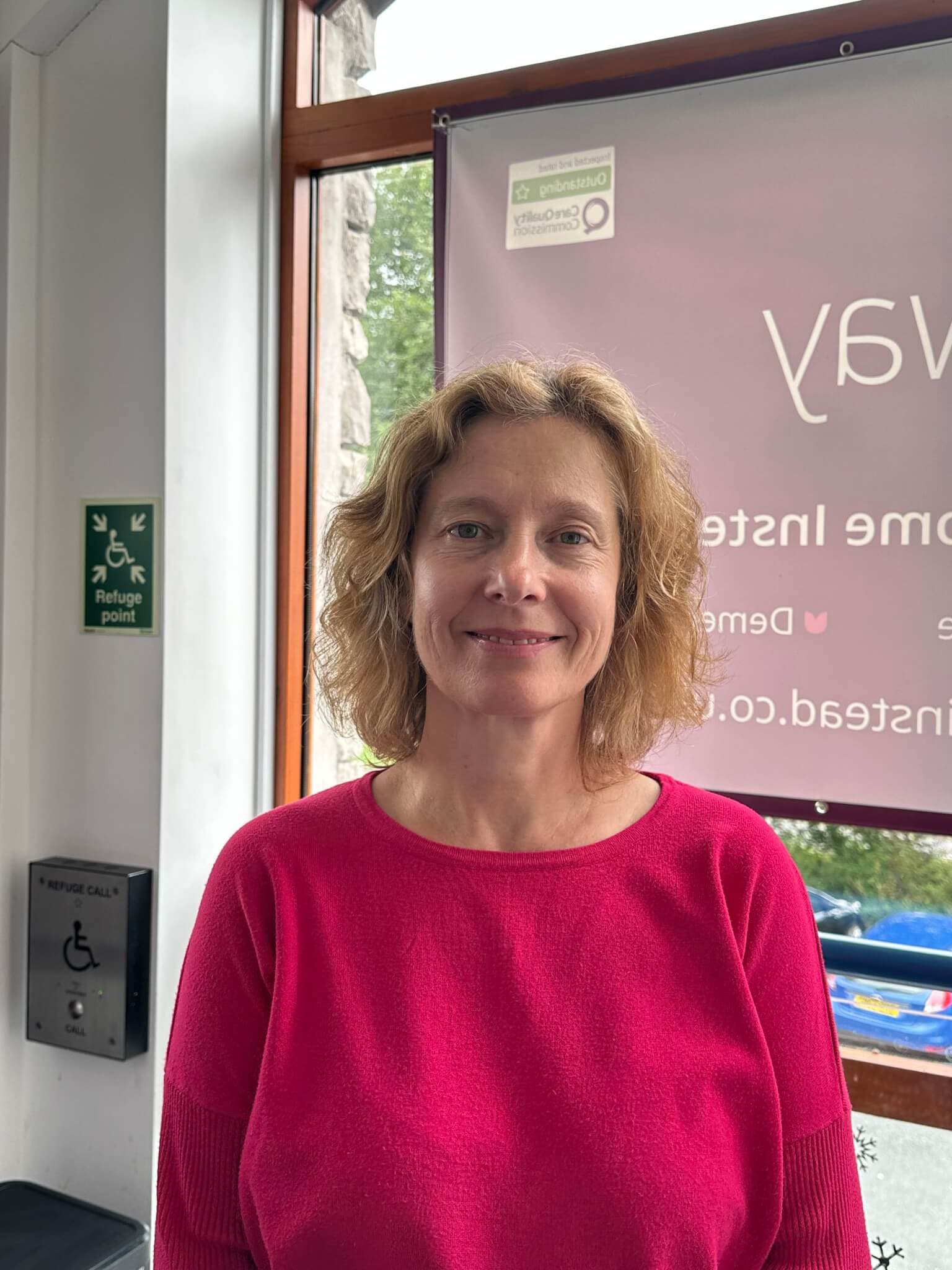
After working as a teaching assistant for over 20 years, I knew I needed a change for the last decade of my career. The light bulb moment came when I met a Care Coordinator discussing help and support with an elderly neighbor of mine.
I had also heard a glowing report about the respect and care given by Home Instead to a dear friend’s mother when she was very ill. All these factors led me to make the move. I now work with such kind and considerate people, and each day, the clients make me smile.
I love this role and would definitely recommend inquiring if you are interested in a rewarding career!
Kath (Care Professional)

“I cannot thank the whole team of Care Professionals enough! To say they all went above and beyond in their care for our family is an understatement and we are indebted to them for the way in which they made a very difficult time much more bearable. It felt as if each member of the team became not just someone who provided a service (which they did and very professionally), but a friend and I’ve missed seeing them since Dad’s passing. Each one is an absolute credit to Home Instead!”
Claire E (Daughter of Client)

My Home Instead experience so far has been amazing! From the interview process right through to the training, I was made to feel very welcome and supported! The training sessions were great, very informative. Coming from a retail background, it was a fantastic opportunity to learn and grow the skills I needed to become a Care Professional.
The role has been exactly what I expected. All of the clients I have met so far have been so lovely, and I love being there to support and help them stay in their own homes. It truly is a very rewarding job!
Sam (Care Professional)

I have been a chef for 15 years, and working for Home Instead gives me a feeling of freedom. I really enjoy traveling around and meeting with lovely clients. The job is rewarding, my work-life balance is a lot better, and my colleagues are great. I’m really looking forward to learning more and working with Home Instead for many years.
Thomas (Care Professional)

What a privilege it has been to work with Rachel and the team at Home Instead Kendal! We first met when we won the opportunity to have a ‘mini garden makeover’ in February 2022. From that moment on I have been most impressed with the determination and drive of Rachel and her team to get things done.
We continued our partnership when we invited Home Instead clients and their carers to come and work alongside Bee Team members to plant trees for the Queen’s Jubilee. What a beautiful and memorable afternoon that was with young and old working together across the generations, in the glorious sunshine, enjoying both gardening and companionship. A simple act but very special indeed!
Karen H, (Heron Hill Primary School)

“Home Instead have been visiting my Mum for about 6 months. This is the first time she has needed some extra support in her home and was anxious about it. The whole team are very professional and make my Mum feel special.
I know my Mum looks forward to their visits and is always happy to tell me about her time with the carers. Mum has Alzheimer’s and can become anxious. The care visits give her a plan for her week and something to look forward to. I know she is happy and safe when I can’t be there.”
Gillian W (Daughter of Client)
Our office provides care for people at home in the following areas:
Kendal, Hale, Ulverston, Barnoldswick, Old Town, Carnforth, Windermere, Grange-over-Sands, Chapel House, Sandylands, Heron Hill, Bowness on Windermere, Hallgarth, Arnside, Milnthorpe, Sedbergh, Ingleton, Kirkbarrow, Waterhead, Holme, Holme, Kirkby Lonsdale, Whittington, Flookburgh, Staveley, Silverdale, Burton-in-Kendal, Warton, Mintsfeet, Burneside, Storth, Levens, Oxenholme, Endmoor, Lindale, Woodhouse, Burton in Lonsdale, Kentrigg, Nether Kellet, Heversham, Natland, Cartmel, Over Kellet, Netherfield, Lowick, Backbarrow, Overtown, Penny Bridge, Summerlands, Tunstall, Sedgwick, Bardsea, Arkholme, Dent, Hawkshead, Crosthwaite, Yealand Redmayne, Underbarrow, Barbon, Casterton, Baycliff, Old Hutton, Low Wood, Slack Head, Grayrigg, Crook, Hutton Roof, Brigsteer, Meal Bank, Hincaster, Melling, New Hutton, Storrs, Beetham, Borwick, Yealand Conyers, Town End, Town End, Town End, Garth Row, Ings, Winster, Thornton in Lonsdale, Broughton Beck, Spark Bridge, Mansergh, Tewitfield, Troutbeck, Newby Bridge, Stainton, Priest Hutton, Lupton, Garsdale Head, Swarthdale, Meathop, Killington, Lowgill, Capernwray, Millthrop, Nook, Middleton, Selside, Troutbeck Bridge, Bowland Bridge, Lowick Green, Leck, Kearstwick, Witherslack, Far Sawrey, Bowston, Wrayton, Field Broughton, Mill Side, Garsdale, Langthwaite, Finsthwaite, Staveley-in-Cartmel, Farleton, High Casterton, Lakeside, Masongill, Newbiggin, Bouth, Ayside, Goose Green, The Common, Gawthrop, Milton, High Green, Near Sawrey, Low Biggins, Ireby, Garnett Bridge, Row, Howe, Nether Burrow, Kentmere, Gatebeck, Sandside, Barrows Green, Cartmel Fell, Satterthwaite, Whasset, Hale Green, Woodgate, Holker, Barber Green, Firbank, Crooklands, Arrad Foot, Stone House, Plumgarths, High Wray, Aldingham, Watchgate, Haverthwaite, Canal Foot, Newland, Skelsmergh, Water Yeat, Outgate, Beck Head, Lowick Bridge, Dalton, Hawkshead Hill, Force Forge, Cantsfield, Oxen Park, Cotes, Cowgill, Low Nibthwaite, Lea Yeat, Colthouse, Blawith, High Biggins, High Nibthwaite, Colton, Thwaite Moss, Bandrake Head, Grizedale, Newton, Pool Bank, Over Burrow, Crosslands, Millhead, Helsington, Cowan Bridge, Sadgill, Preston Patrick, Allithwaite, Crosthwaite Green, Rusland, Greenodd, High Newton, Cark, Uldale House, Green Quarter, Shepherd Yeat, Cleabarrow, Heaves, Scar End, Narthwaite, Chapel-le-Dale, Leasgill, Deepthwaite, Kents Bank, Beckside, Lower Westhouse, Yealand Storrs, Silverdale Green, Haverbrack, Ackenthwaite, Wood Broughton, Gearstones, Ferry House, Far Westhouse, Gale Green, Graythwaite, Low Newton, Lindeth, Mislet, Grassgarth, Heaning, Elfhowe, Borrowdale head, Briggflatts, High Brow Edge, Low Green, Eskrigg End, Tottlebank, Houkler Hall, Nibthwaite Grange, Brathay, Low Bowkerstead, High Bethecar, Low Bethecar, High Cunsey, Lake Bank, Low Ickenthwaite, High Ickenthwaite, Low Longmire, High Longmire, Birk Row Farm, Canny Hill, Mitchelland, Barngates, Crook Hall, High Cragg, Low Blakebank, Low Fold, Middle Blakebank, Bellgate, Fell Garth, Hole House, Low Bank House, Middleshaw House, Ingmire Hall, Marthwaite, Crooked Birch, Simpson Ground, Beckside, Barrow Wife, High Dale Park, Middle Dale Park, Troutbeck Park, High Borrans, Low Loanthwaite, Broom Farm, Hartbarrow, Preston Patrick, Middleton Hall
If your town doesn’t appear above please check the postcodes below to see if we cover your area:
LA22 0, LA8 0, LA12 8, LA23 2, LA9 4, LA9 7, LA10 5, LA5 0, LA11 7, LA11 6, LA8 9, LA8 8, LA7 7, LA6 2, LA9 6, LA9 5, LA12 9, LA12 7, LA5 9, LA6 3, LA23 3, LA6 1, LA23 1
Home Instead South Lakes is one of 250 locally owned offices that collectively form Home Instead UK. Together, we care for 16,000 clients, delivering one million hours of home care each month. This unique combination of community-focused local offices and the resources of a national network enables us to provide personalised, relationship-led care while leading research and innovation that is transforming the experience of aging. Our services include companionship care, personal care, specialist care (including dementia, palliative, and Parkinson’s), and live-in care.
Respite care provides temporary relief to primary caregivers by offering trained Care Professionals who care for elderly individuals who require care. This temporary support helps caregivers take breaks, manage burnout, and maintain their own well-being while ensuring the safety and comfort of the person receiving ongoing care.
Trained Care Professionals can step in to provide seamless care, allowing current caregivers a break to rest and recharge. Our respite care services take place in the home of the person receiving the care, making it great for giving a break to the primary caregiver while ensuring that the elderly person in care does not go without support in the meantime and can continue their normal life.
Just contact Home Instead and we will arrange a discussion with you to talk about the kind of support you need and how we can help. You can also reach out directly to our local office in your area, if you prefer.
All respite care is provided by our experienced and fully trained Care Professionals so both the elderly individual receiving care and their loved ones or existing caregivers can take a break while being confident that they have all the support they need.
At Home Instead we know about the challenges of being a carer and are here to help no matter what your timelines look like. Please contact us so that we can understand more about how we can provide you with the support you need.
Not at all! Existing caregivers don’t have to leave the home whilst we are supporting your loved one, so they can take breaks at home if that is their preference.
A respite period is a specific duration of time during which primary caregivers receive temporary relief from their caregiving responsibilities. This break allows them to rest, recharge, and attend to personal matters, while trained Care Professionals provide ongoing support for the elderly individuals who have been receiving care. The length of a respite period can vary, ranging from a few hours to several days, depending on the arrangement in place and the needs of the primary caregivers.
Respite care is crucial for family caregivers, offering them a much-needed break from their responsibilities in tending to elderly family members. This temporary relief prevents caregiver burnout, meaning the primary caregiver can maintain their wellbeing and ability to provide effective long-term care. Additionally, respite care enhances the quality of life for many elderly people by introducing them to new experiences and interactions with different Care Professionals, making for novel interactions while still in the comforts of their own home.
The cost of respite care can vary widely based on factors such as location, the level and complexity of care provided, and the duration. Generally, respite care expenses can range from hourly rates to daily or weekly fees. There may be financial assistance for respite care services, particularly for caregivers of elderly individuals with disabilities or special needs. It’s a good idea to contact the local NHS or your council to get a clear understanding of the potential sources of financial support available for your situation, if you have concerns.
Respite care funding comes from diverse sources; government initiatives, charitable organisations, insurance provision, or just personal payments. Family caregivers can investigate some or all of these avenues to identify the most fitting and cost-effective approach to support respite care for their specific needs and situation.
Respite Care Professionals can perform a range of tasks to ensure the well-being and comfort of elderly individuals while providing relief to primary caregivers. These tasks include all the normal things covered with ordinary domiciliary care; assisting with daily activities such as personal hygiene, meal preparation, medication management, and mobility support. Respite Care Professionals may also engage in social interactions, provide companionship, supervise recreational activities, and ensure safety. Their responsibilities are tailored to the care recipient’s specific needs, ensuring continuity of care and support during the temporary relief period for primary caregivers.
Respite care for dementia is a specialised service designed to provide temporary relief and support to caregivers of elderly people living with dementia or Alzheimer’s disease. Caregiving for someone with dementia can be physically and emotionally demanding, and respite care offers caregivers a chance to rest, recharge, and take care of their own needs. During respite care, trained Care Professionals offer supervision, assistance with daily activities, and a safe environment for those with dementia. The wellbeing of seniors with dementia or Alzheimer’s is often significantly improved by remaining in a familiar environment, so our domiciliary care approach to deliver respite care at home is often the best solution to keep them calm and comfortable.
Respite care is typically available to family caregivers and individuals providing support to elderly adults in need of care. Eligibility is determined by factors like caregiving intensity and the care recipient’s requirements, aiming to offer essential breaks and assistance to dedicated caregivers. If you’re a caregiver looking for respite support, please contact us to see how we can help you.
Respite care is needed for primary caregivers who are taking care of elderly family members, offering them essential breaks to prevent exhaustion and maintain their own health. Elderly individuals, whether living alone or with caregivers, can also benefit from respite care to ensure some companionship, assistance with daily activities, and medical supervision, for example for post-operative recovery periods or temporary feeding support.
In-home respite care is a valuable service designed to provide temporary relief and support to primary caregivers within the familiar setting of their own home. This type of respite care involves trained Care Professionals who come to the primary caregiver’s residence to care for their loved one. In-home respite care offers caregivers a chance to take a break, tend to personal matters, or simply recharge while knowing that their loved one is in capable hands. During these sessions, the respite care provider offers companionship, assistance with daily tasks, and, if necessary, medical supervision. In-home respite care not only benefits caregivers by preventing burnout but also helps maintain a sense of normalcy and comfort for the care recipient.
The purpose of respite care is to offer temporary relief and support to caregivers who are responsible for elderly family members. Caregiving can be emotionally and physically demanding, often leading to stress and burnout. Respite care provides caregivers with essential breaks, allowing them to rest, recharge, and tend to their own well-being, while ensuring that the elderly person receiving care still has all the support they need.
The duration of respite care can vary depending on the needs of the caregiver and the individual receiving care. Respite care can be as short as a few hours, providing caregivers with a temporary break to run errands or recharge. It can also extend to several days or even weeks, allowing caregivers to take a more extended break or address personal matters. Some caregivers may need emergency or crisis respite care for shorter periods, while planned or scheduled respite care may be for a more extended period of time.
You might need more than respite care if the care recipient’s needs become increasingly complex, you experience persistent caregiver burnout, safety concerns arise, your health deteriorates despite respite care, social needs go beyond the scope you can handle, specialist medical or complex care is required, or long-term planning becomes necessary such as, for example, situations necessitating palliative care.
Short-term respite care refers to a temporary break or relief provided to primary caregivers of elderly individuals in need of care. During short-term respite care, trained Care Professionals take over the caregiving responsibilities, allowing the primary caregiver to rest, recharge, and attend to personal matters. This type of care can range from a few hours to several days, offering caregivers a brief respite while ensuring the care recipient’s well-being and safety.
Respite care can be divided into two primary types: respite care at home and residential respite care. In the former, caregivers are supported by trained Care Professionals who provide assistance with daily tasks, such as personal care and meals, within the care recipient’s familiar environment. Residential respite care, on the other hand, involves the temporary relocation of the care recipient to a specialised facility, like a nursing home, where they receive comprehensive care and supervision from the facility’s staff. The choice between the two depends on the specific needs and preferences of the caregiver and the senior receiving the care.
To organise respite care for an elderly parent, start by evaluating the specific type and length of care required. Seek guidance from your parent’s healthcare provider for tailored recommendations around specific or complex care requirements, then just get in touch with us or your local office to discuss your needs. Consider a trial period to ensure compatibility and maintain ongoing communication during the care period to ensure your parent’s well-being while you take a caregiving break.
To organise respite care for a patient with dementia or Alzheimer’s, ensure you are dealing with a provider like Home Instead, who can offer specialist support with experienced carers who know how to support these conditions. Discuss the specific needs of the dementia patient, such as any medical requirements, daily routines, and preferences. It’s essential to communicate openly and provide relevant information to ensure a smooth transition and quality care for the individual with dementia while the primary caregiver takes a break.
To arrange emergency respite care with Home Instead, please get in touch with us on 03300 583450 or via our contact form. If you are a long term caregiver for an elderly loved one, it is a good idea to have a list of care providers and funding options researched and available early on so it is “ready to go” if an emergency arises, when time is of the essence.
To secure funding for respite care, you can explore various avenues. Start by researching government programs like the Carer’s Allowance, which provides financial support to those caring for someone in need. Additionally, local authorities often offer grants or support through social services departments. Charitable organisations like Carers UK and The Carers Trust may provide financial assistance or guidance. You can also consider seeking private funding through personal savings, local support groups, or seeking assistance from family and friends. Tailor your approach based on your specific circumstances and the resources available in your region.
Examples of respite care include in-home respite, such as the type we provide, where a trained Care Professional comes to the individual’s home to provide care while the primary caregiver takes a break. Another type is adult day care centres, offering structured programs and supervision for seniors or adults with disabilities during the day, giving caregivers time for work or personal activities. Finally, residential respite care involves temporary stays in facilities such as nursing homes or assisted living communities, allowing caregivers to take extended breaks.
Home respite care provides primary caregivers of elderly individuals receiving care the opportunity to take a temporary break while ensuring their loved ones still receive proper care. A trained Care Professional visits the person’s home to provide assistance, companionship, and support. During this time, caregivers can recharge, attend to personal matters, or simply take a moment to rest. Home respite care can include various activities such as medication management, meal preparation, light housekeeping, and engaging the care recipient in recreational or therapeutic activities. This service not only offers physical assistance but also emotional relief, knowing that their loved ones are in capable hands.
Respite care, while beneficial, can have some drawbacks. Disruption to routines can unsettle care recipients, especially those with cognitive issues such as dementia or Alzheimer’s. Finding reliable providers can be challenging, and costs can be high depending on the needs of the individual. Coordinating care logistics is time-consuming, and caregivers might feel guilty or anxious about handing over responsibilities. Caregivers should carefully consider these disadvantages when planning respite care.
Respite care serves as a crucial support system for family members caring for elderly loved ones. By providing temporary relief, it allows caregivers to take a break from their demanding responsibilities, reducing the risk of burnout and exhaustion. This time away can rejuvenate caregivers physically and emotionally, helping them maintain their own well-being. It also offers an opportunity for caregivers to attend to personal matters, socialise, or simply rest, which can contribute to improved mental health; caregivers who are less stressed and more rested are better equipped to offer effective care when they return, which actually improves the quality of care offered to the loved one overall.
Respite care contributes to providing quality care by ensuring that primary caregivers are in the best possible condition to deliver support. When caregivers are well-rested and less stressed due to the temporary relief provided by respite care, they can offer more focused attention and patience to their loved ones. This directly impacts the care recipient’s experience, as they benefit from a caregiver who is emotionally and physically available. Even better, our Care Professionals bring specialised training and expertise, enhancing the care provided during their temporary assistance. A multidimensional approach improves the overall quality of care received, enriching the care recipient’s daily life, and fostering a more positive caregiving environment for everyone involved.
Enable your loved ones to continue to live their life with the support of the South Lakes team. If you would like to hear what clients say about us please take a peek at our Home Care verified reviews. If you would like more information about our high quality Respite Care service, please call us on 01539 267220, or fill out the form below.

Make a world of difference to someone's life as you deliver outstanding care to keep our clients happy and thriving in their own homes.