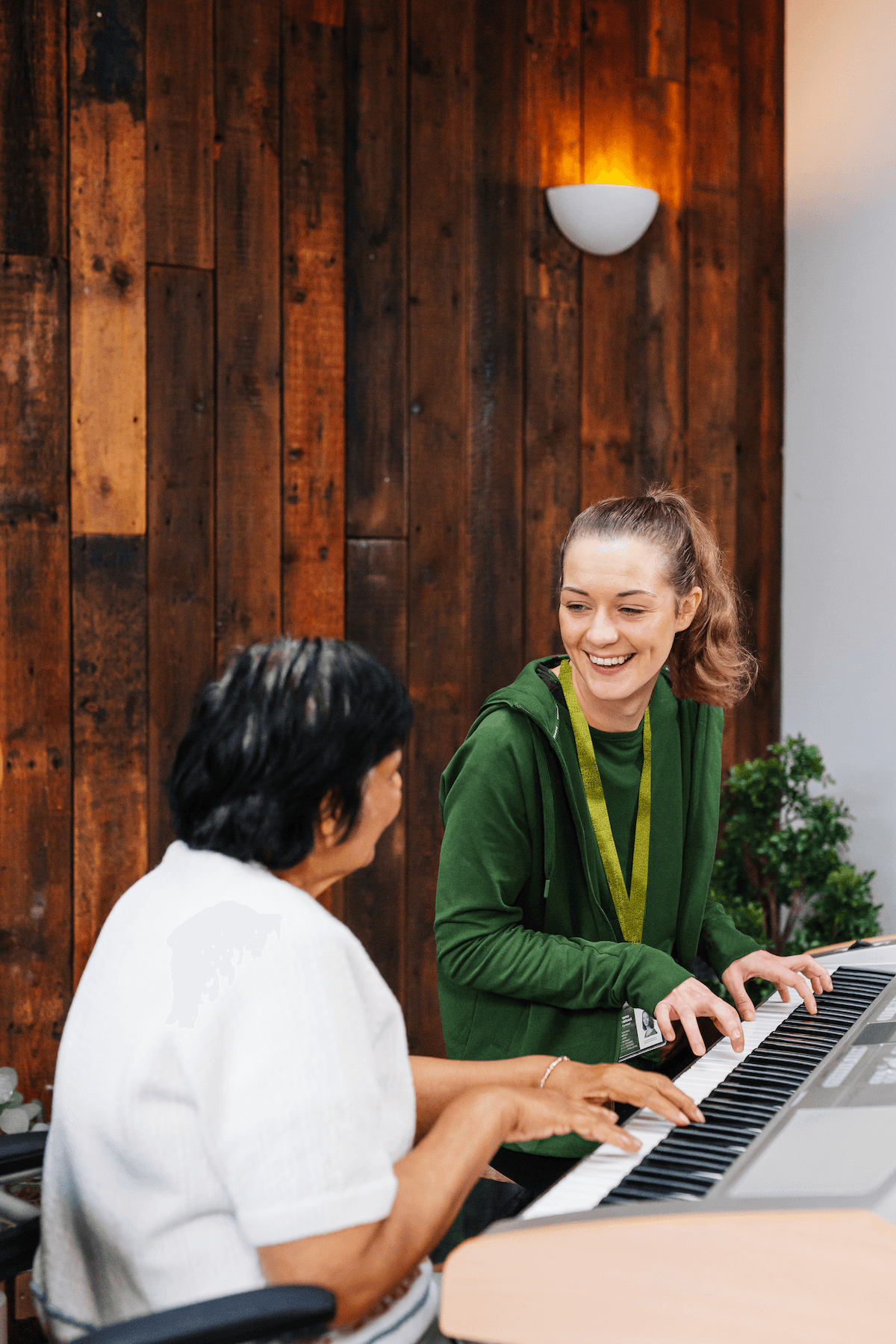
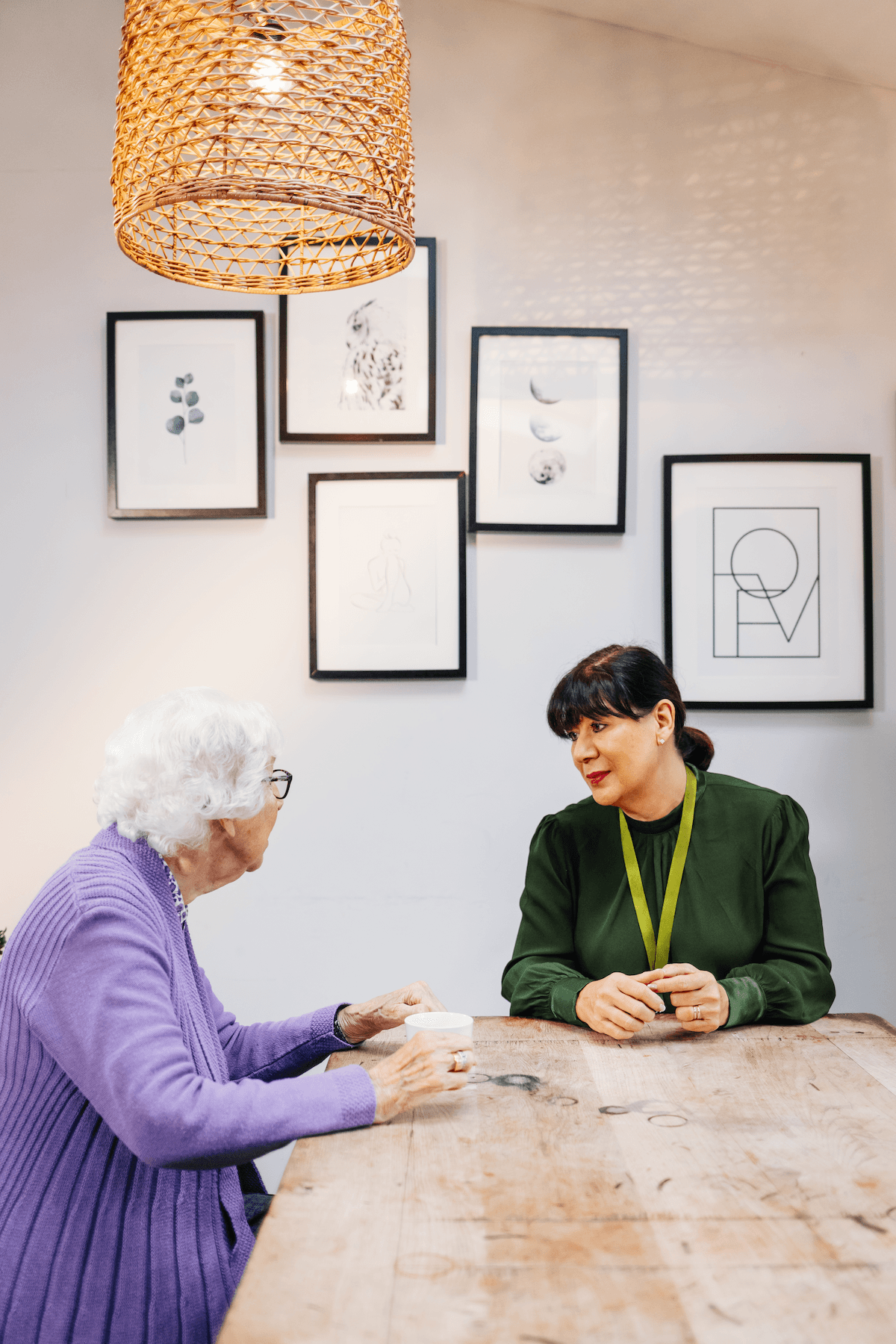
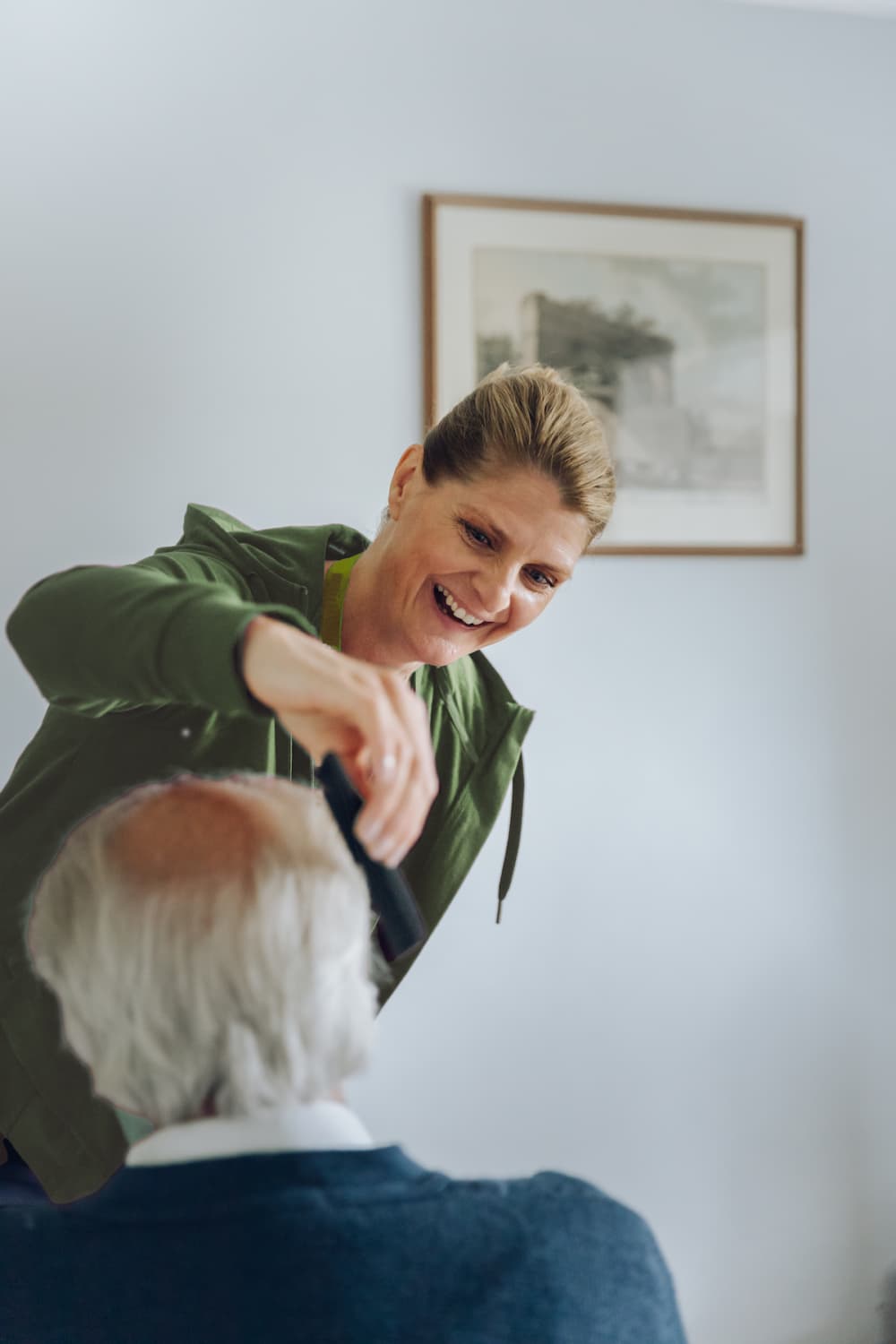
According to Wandsworth Council, 5% of people over 65 are living with dementia, 18.7% higher than the national average. As this number continues to rise, so does the need for high-quality, personalised support within our community. At Home Instead Richmond, we provide award-winning dementia care for older adults in Roehampton, helping your loved ones remain independent in the comfort of their own homes. Our care professionals combine specialist dementia training with hands-on experience to deliver support that adapts to each family’s unique needs. Whatever care looks like for you, we offer peace of mind that your loved ones can continue living well at home, on their own terms.
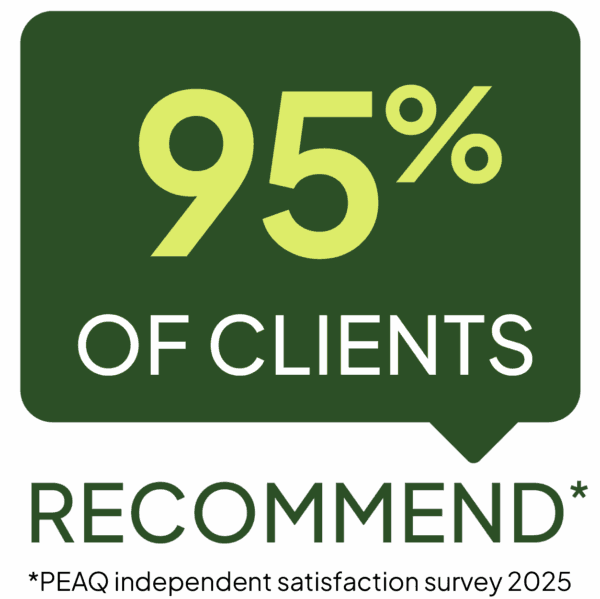
Highest regulatory ratingsCare for 18,000+ older peopleRecommended by 95% of our clients 10,000 trained Care ProfessionalsHomecare.co.uk rating 9.6/10
Highest regulatory ratingsCare for 18,000+ older peopleRecommended by 95% of our clients 10,000 trained Care ProfessionalsHomecare.co.uk rating 9.6/10
Why Home Instead?
Personalised dementia care that starts with listening
Your situation is unique – your care should be too. We match our Care Professionals based on their dementia training, interests and personality, so care is always tailored to you.
20 years of trusted experience
We exceed UK regulatory standards, rank highly on Homecare.co.uk, and our qualified Care Professionals are trained to the highest standard so you can have complete peace of mind.
City & Guilds Assured dementia training
Our programme was created exclusively for Home Instead, and developed alongside key dementia specialists. We focus on caring not just for the condition, but for the person behind it.
Compassionate support for complex behaviours
We work to understand your loved one's world so we can join them in it - this helps us keep them safe and calm, provide stimulating activities, and effectively soothe challenging and complex behaviours.
Your Local Office
Home Care in Roehampton
The team here at Home Instead Richmond are proud to provide expert home care in Roehampton. Get in touch to find out how we can help you or your loved ones.
We understand that dementia affects every family in its own way, which is why the support we offer in Roehampton is always tailored to the individual. At Home Instead Richmond, we take the time to get to know each client: their routines, preferences, and the small things that help them feel at ease. Support might include companionship on a walk through Roehampton Gate into Richmond Park, help with day-to-day tasks at home, or more specialist dementia care like cognitive stimulation or guidance through changes in behaviour. Whether your loved one needs regular domiciliary care or simply the comfort of a familiar face popping in, we’re here to support both clients and their families at every stage of the journey.
Whatever your situation, Home Instead can provide quality care to enable your loved one to stay where they belong: at home. Share your details here and one of our friendly advisors will reach out to answer your questions.
Thanks again for the great care you all are giving Mum, from someone so reluctant to accept care now looks forward daily to her Care Professionals. BIG achievement!
Janet, Client's Family
Loading form...
By submitting this form, you consent to Home Instead contacting you about our care services. Your data is handled in accordance with our Privacy Policy. We will never share your information with third parties for marketing purposes.
Our Home Care Services
We're ready to help you make an informed, confident choice for your loved one, with bespoke and easily-adapted packages designed around their needs.
Hourly Home Care
When your loved one begins to need more frequent support, our flexible home care solutions help them stay safe and independent at home. We don't take a one-size-fits-all approach. Instead, we personalise your experience with responsive, attentive, and genuinely compassionate care, so you can feel reassured they are in capable hands.
We understand how overwhelming it can be to leave your loved one if they live with a condition like dementia, arthritis, or diabetes. Our highly experienced Care Professionals are matched based on their specialist knowledge and expertise, so you can feel content knowing your loved one's health conditions are carefully monitored and managed.
We are proud to be the benchmark for exceptional care, so all of our qualified Care Professionals receive training that goes above and beyond the industry standard. When it comes to complex health conditions, you can rest assured that your loved one's safety and wellbeing is always a top priority.
Our live-in care provides round-the-clock support and offers a welcome alternative to residential care, empowering your loved one to remain independent in the environment they know. With person-centred care from someone they recognise, older individuals can benefit from familiarity, friendship, and a consistent care plan.
Thanks again for the great care you all are giving Mum, from someone so reluctant to accept care now looks forward daily to her Care Professionals. BIG achievement!
Janet, Client's Family
Home Instead provide first class care. My care professionals are patient, kind and very reliable. I am very happy with the service they provide
Paul, Client
As I got older, I realised that this service had made me happy in my own home.
Elisie, Client
Choosing Home Instead Roehampton for personalised home care
Dementia can often bring changes in mood and behaviour, causing our loved ones to drift away from their usual hobbies and routines. At Home Instead Richmond, our dementia care is shaped around each person’s interests, helping them return to the activities they’ve always loved. One of our clients had always enjoyed hands-on projects and working with tools, but after his diagnosis, he became disconnected from his toolbox. With his care professional, he now attends the Roehampton Community Shed, a dementia-friendly space for members to share skills and work on practical projects. Getting back to this routine has given him a new lust for life and a regular opportunity to spend time with others, all in a way that still feels like him.
Our Roehampton Team is With You Through Every Step
In Roehampton, we're committed to supporting older adults living with dementia to remain in the comfort of their own homes, surrounded by the things that matter most to them. Our care professionals and office team work closely together toward a shared goal, delivering care that feels personal and well-matched. Every team member receives specialist dementia training, along with ongoing opportunities to develop their skills and respond to changing needs. We also take the time to carefully match each client with a care professional whose personality and interests align with their own, leading to friendships along the way.
This personal matching carries through into how we help clients stay active across Roehampton. For those who enjoy staying active, the Manresa Sheltered Housing Clubroom offers seated yoga classes, while an age-friendly walking group meets monthly at Roehampton Library. For those with a more creative streak, the Grosse Way Club runs a Make and Mend club every Wednesday, providing a welcoming space to make something new while making new friends over a cup of tea.
We deliver tailored home care to the Roehampton community to nurture wellbeing and independence.
We adapt our services to fit your life, delivering compassionate, consistent, and attentive care, enabling you to thrive in your home and community.
Our dementia care in Roehampton is designed by experts and is City & Guilds Assured, so you know your loved one is receiving only the very best care. Our Care Professionals focus on creating an environment that's calm and consistent, while maintaining dignity and familiar routines to reduce confusion and keep clients comfortable.