Understanding Mental Health in Older Age
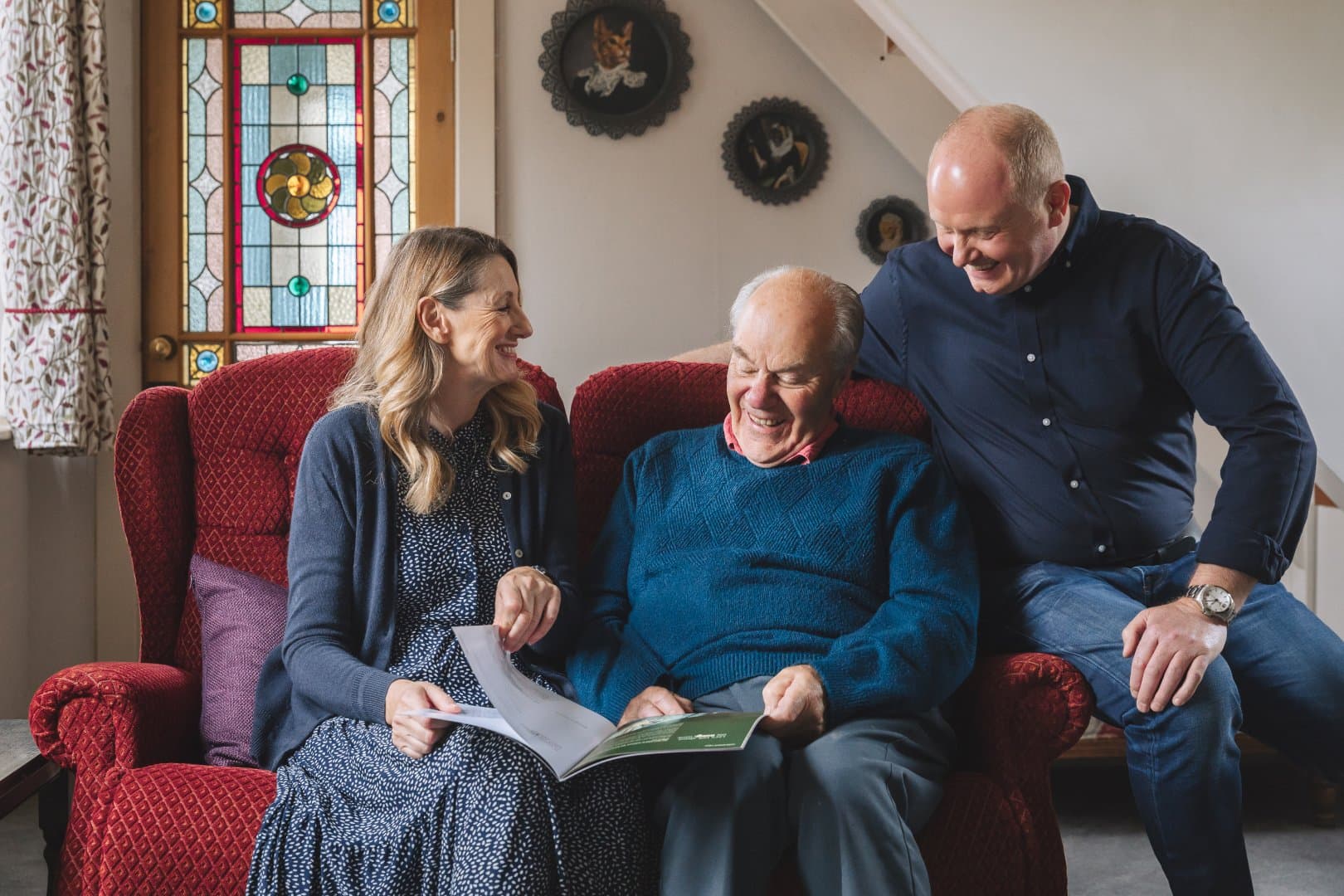
Mental health is an important part of overall wellbeing at every stage of life. In older age, emotional wellbeing can be shaped by many things, including changes in routine, physical health, mobility, confidence, sleep, and social connection. For families, it is not always easy to know what support may help, especially when someone seems quieter than usual or less interested in the things they once enjoyed.
A calm, thoughtful approach can make a real difference. Understanding mental health in older age is not about making assumptions. It is about noticing changes with care, listening without judgement, and thinking about what might help someone feel more settled, connected, and supported at home.
For people exploring private care at home in Redbridge and Walthamstow, gentle day-to-day support can often play an important role in helping older adults feel comfortable, reassured, and more connected to daily life.
Why Mental Health Matters in Later Life
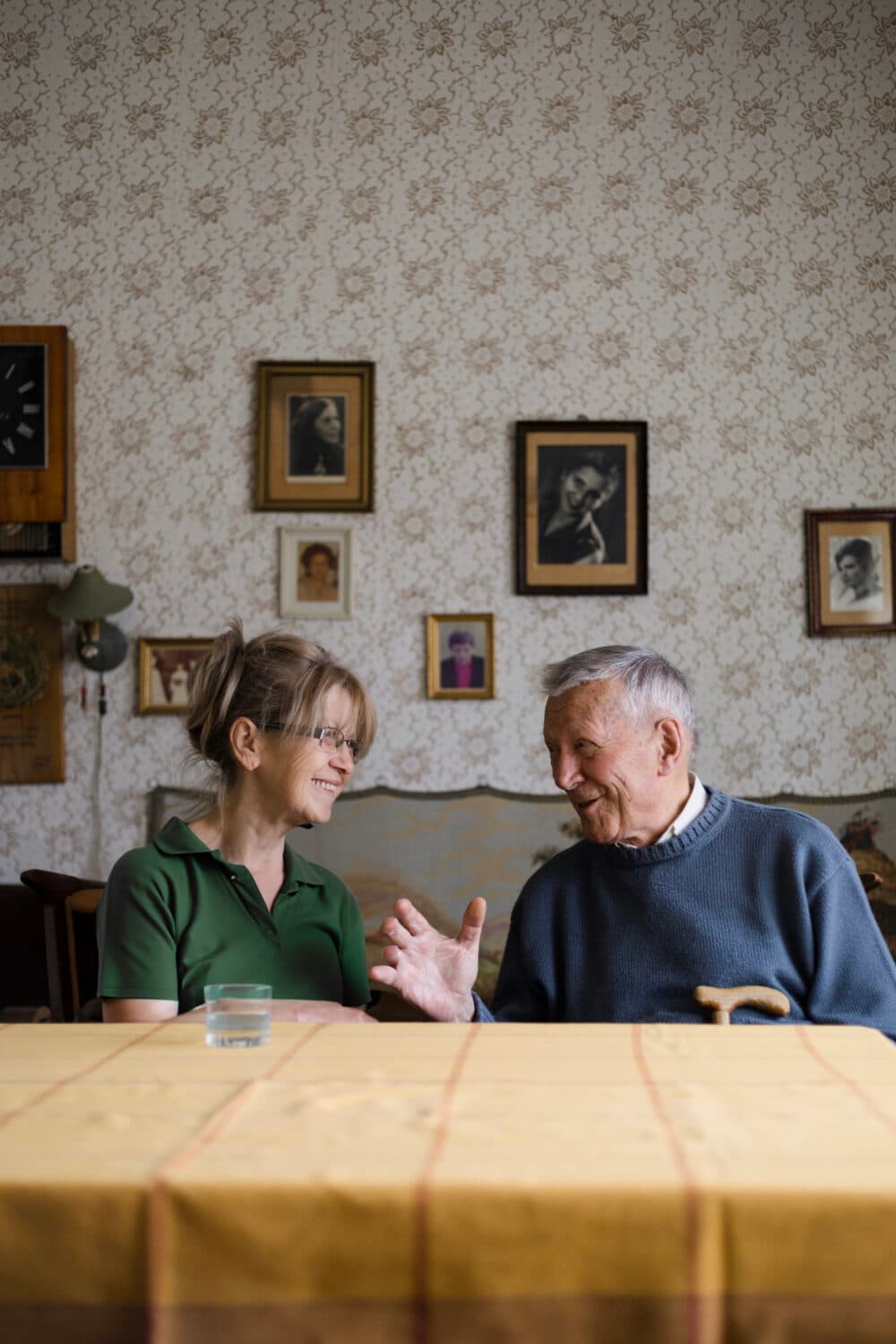
Mental health affects how we feel, think, and cope with everyday life. As people get older, life can bring changes that take time to adjust to. Retirement, bereavement, reduced mobility, health appointments, and changes in independence can all affect emotional wellbeing.
That does not mean low mood or withdrawal should simply be accepted as part of getting older. It is helpful to look at the whole picture and consider what may be affecting someone’s confidence, comfort, or sense of routine.
Often, small supportive steps can help someone feel more like themselves again. Regular conversation, familiar routines, meaningful companionship, and practical support at home can all contribute to a greater sense of stability and wellbeing.
Signs Families May Notice
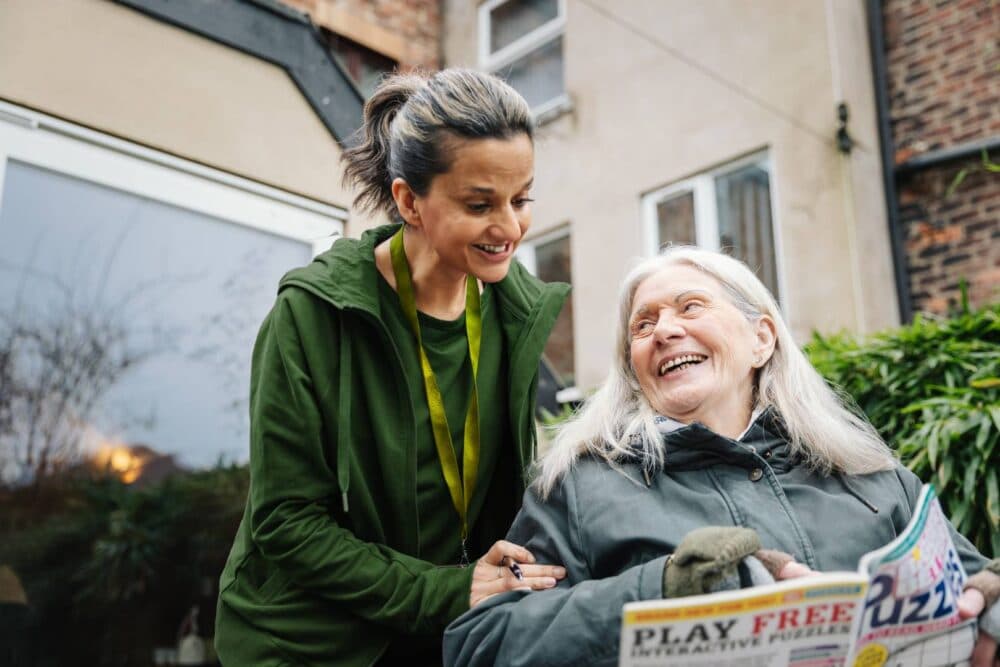
Mental health changes are not always easy to spot straight away. Sometimes the signs are subtle and develop over time.
Changes in mood or interest
An older person may seem less chatty, less interested in hobbies, or less motivated to take part in everyday activities. They may prefer to stay at home more often or seem less enthusiastic about things they used to enjoy.
Changes in routine
Families may notice changes in sleeping patterns, appetite, confidence with daily tasks, or willingness to go out. These changes do not always point to one clear reason, but they can be a sign that someone would benefit from a little more support and companionship.
Feeling isolated
Loneliness and reduced social contact can affect emotional wellbeing. Even when family members visit regularly, long stretches of time alone can feel difficult for some older adults. A familiar face and regular conversation can help reduce that sense of isolation.
How Private Care at Home Can Help
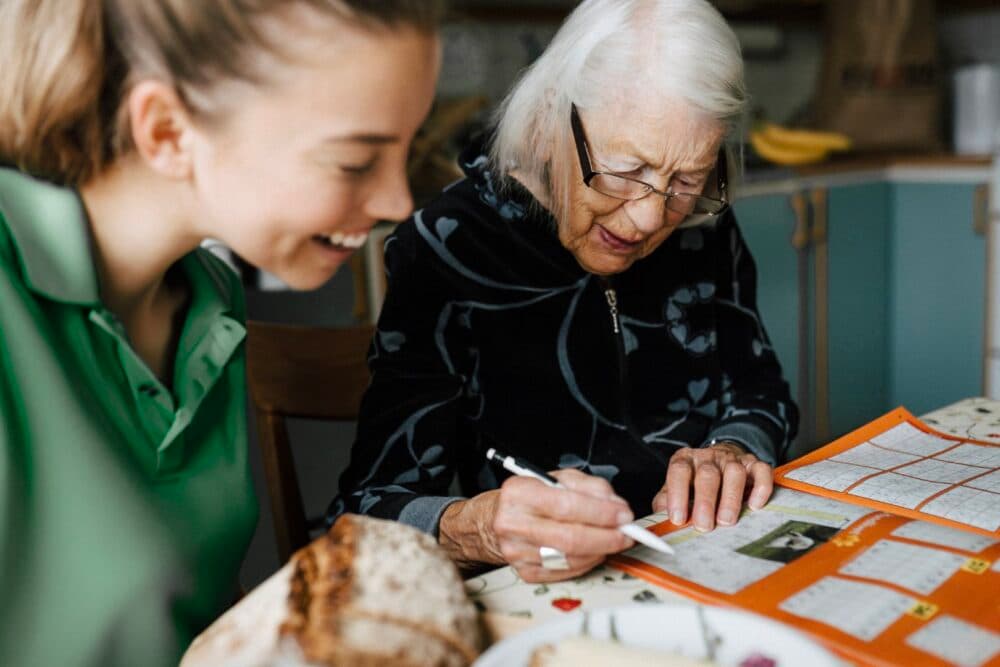
Private care at home can support older people in ways that feel personal, respectful, and reassuring. Rather than changing everything at once, care can be introduced gently and shaped around the individual’s daily life.
Companionship and conversation
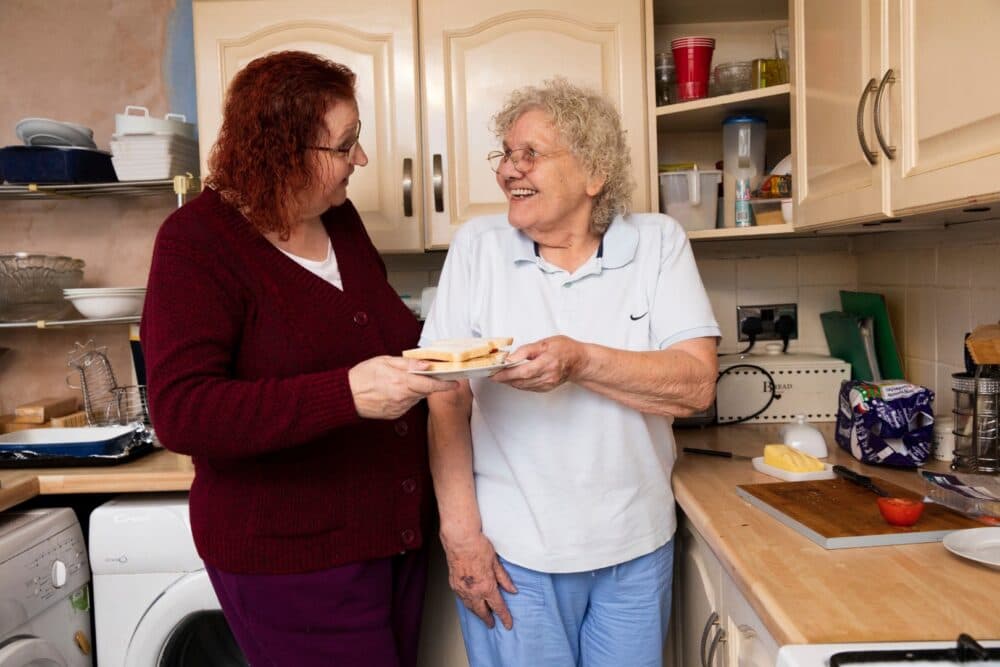
One of the most valuable parts of home care is often simple human connection. Regular visits from a Care Professional can provide friendly conversation, shared routines, and time spent together in a calm and familiar setting.
This kind of support can help someone feel seen, heard, and less alone. It can also bring structure to the week, which many people find reassuring.
Support with everyday routines
Daily life can feel more manageable when there is help with meals, light housekeeping, attending appointments, or getting ready for the day. These practical forms of support can ease pressure and help someone maintain comfort and dignity at home.
Encouragement without pressure
A gentle approach matters. Good care should never feel rushed or impersonal. Encouragement to stay engaged with familiar routines, hobbies, or local outings can be helpful when it is offered kindly and at the person’s own pace.

Supporting Emotional Wellbeing at Home
There are many small ways to support mental health in older age, especially when care is built around the person’s preferences and routine.
Keeping life familiar
Home often brings comfort. Familiar rooms, treasured belongings, and known routines can help people feel grounded. Remaining in a place that feels safe and personal can support emotional wellbeing, particularly during times of change.
Staying connected to the local area
In places such as Ilford, Barkingside, Woodford, Walthamstow, and the surrounding communities, local routines can mean a great deal. Whether it is a favourite walk, a regular visit to a familiar place, or simply feeling part of the neighbourhood, those connections can help someone feel more settled and confident.
Listening and responding with care
Sometimes, what helps most is knowing someone is taking the time to listen. Families and care professionals can work together to notice what seems to lift a person’s mood, what helps them feel calm, and what parts of the day may need a little more support.
When it May Be Helpful to Seek Extra Support
Families often have a sense when something has changed, even if they cannot quite put it into words. If an older loved one seems more withdrawn, less confident, or more isolated than usual, it may be worth exploring what gentle support at home could look like.
Starting that conversation does not need to feel daunting. In many cases, a little support can bring reassurance not only to the person receiving care, but also to the family around them.
If you are looking into private care at home in Redbridge and Walthamstow, a local conversation can be a helpful first step. You can explore the Home Instead landing page and contact the local office to learn more about care that supports both practical needs and emotional wellbeing.
Your Local Home Instead Team
Home Instead office name:
Home Instead Redbridge & Walthamstow
Office phone number:
020 801 620 69
Office website URL:
http://homeinstead.co.uk/redbridge-walthamstow/
Google Business Profile link:
https://maps.app.goo.gl/bS9kzmsWH6MJFQKL9
Areas covered:
Chadwell Heath, Fairlop, Barkingside, Redbridge, Ilford, Hainault, South Woodford, Walthamstow, Woodford Green, Woodford
Postcodes served:
E18 1, E18 2, IG1 1, IG1 2, IG1 3, IG1 4, IG1 8, IG1 9, IG2 6, IG2 7, IG3 8, IG3 9, IG4 5, IG5 0, IG6 1, IG6 2, IG6 3, IG7 4, IG7 5, IG8 0, IG8 7, IG8 8, IG8 9, RM6 4, RM6 5, E17 4, E17 5, E17 3, E17 6
Home Instead Redbridge & Walthamstow supports older adults and families across the local area with care that feels personal, familiar, and easy to access. If you would like to talk through your situation, the team is available to offer clear information and a friendly point of contact close to home.

Ratings and compliance
Homecare.co.uk rating:
8 out of 10
Profile link:
https://www.homecare.co.uk/homecare/agency.cfm/id/65432188456/startpage/2

How can we help?
We've helped thousands of families to stay safe, comfortable and happy at home. Whatever situation you're facing, or whatever the question is, Home Instead is here to help.
Are you in need of a little guidance right away?
03300 583450Other non-care-related enquiries