Recognising and Supporting Mental Health in Older Adults
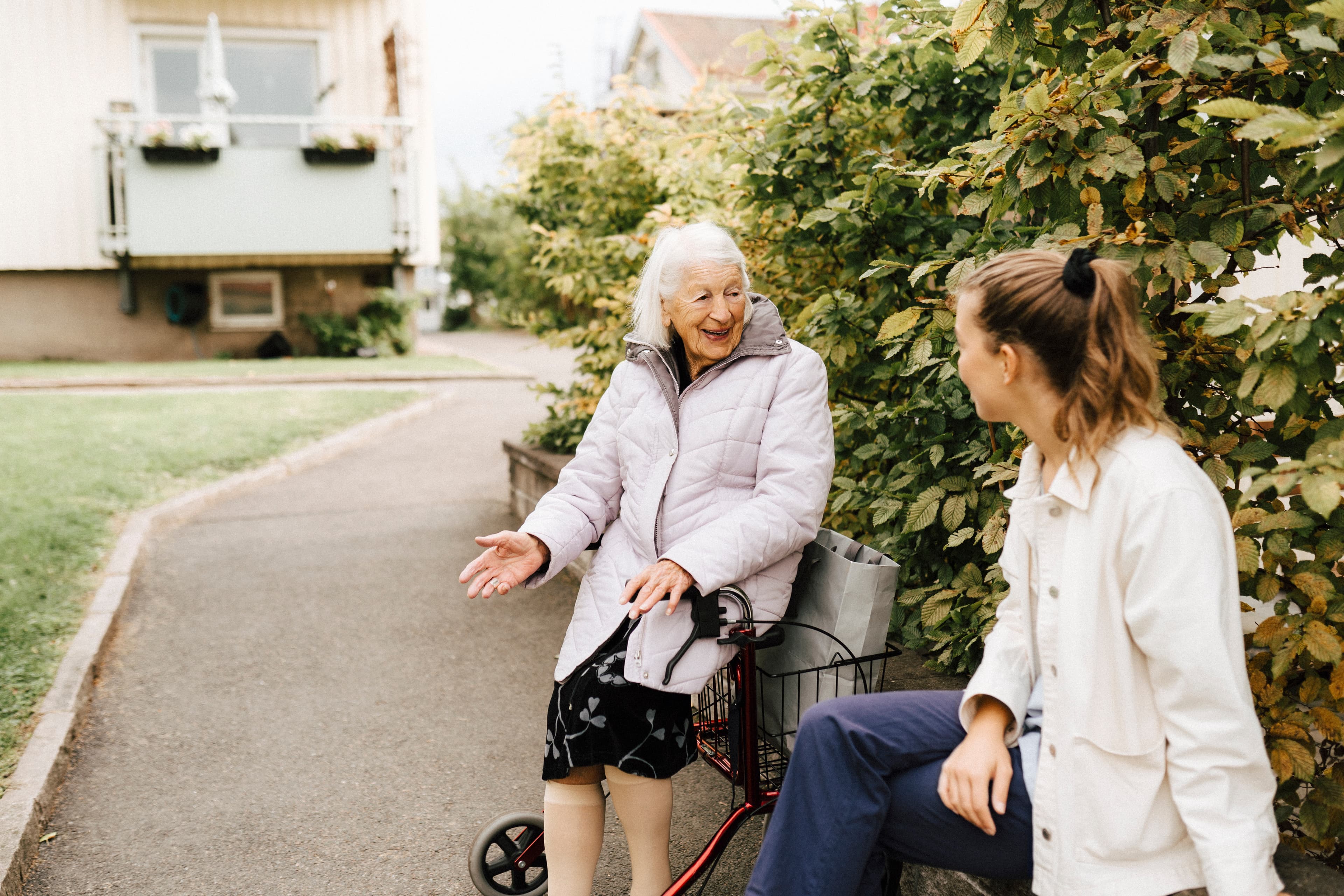
Mental health is an important part of wellbeing at every age. For older adults, changes in routine, health, mobility, and social life can sometimes affect mood and confidence. Families often notice subtle shifts first. A loved one might seem quieter than usual, less interested in activities they once enjoyed, or more worried about everyday tasks.
If you are supporting someone in Redbridge, Walthamstow, or nearby areas, it can help to know that you do not need to have all the answers. Recognising changes early and responding with patience and practical support can make day-to-day life feel steadier. Private care at home can also play a valuable role, offering companionship, routine, and gentle encouragement in a familiar environment.
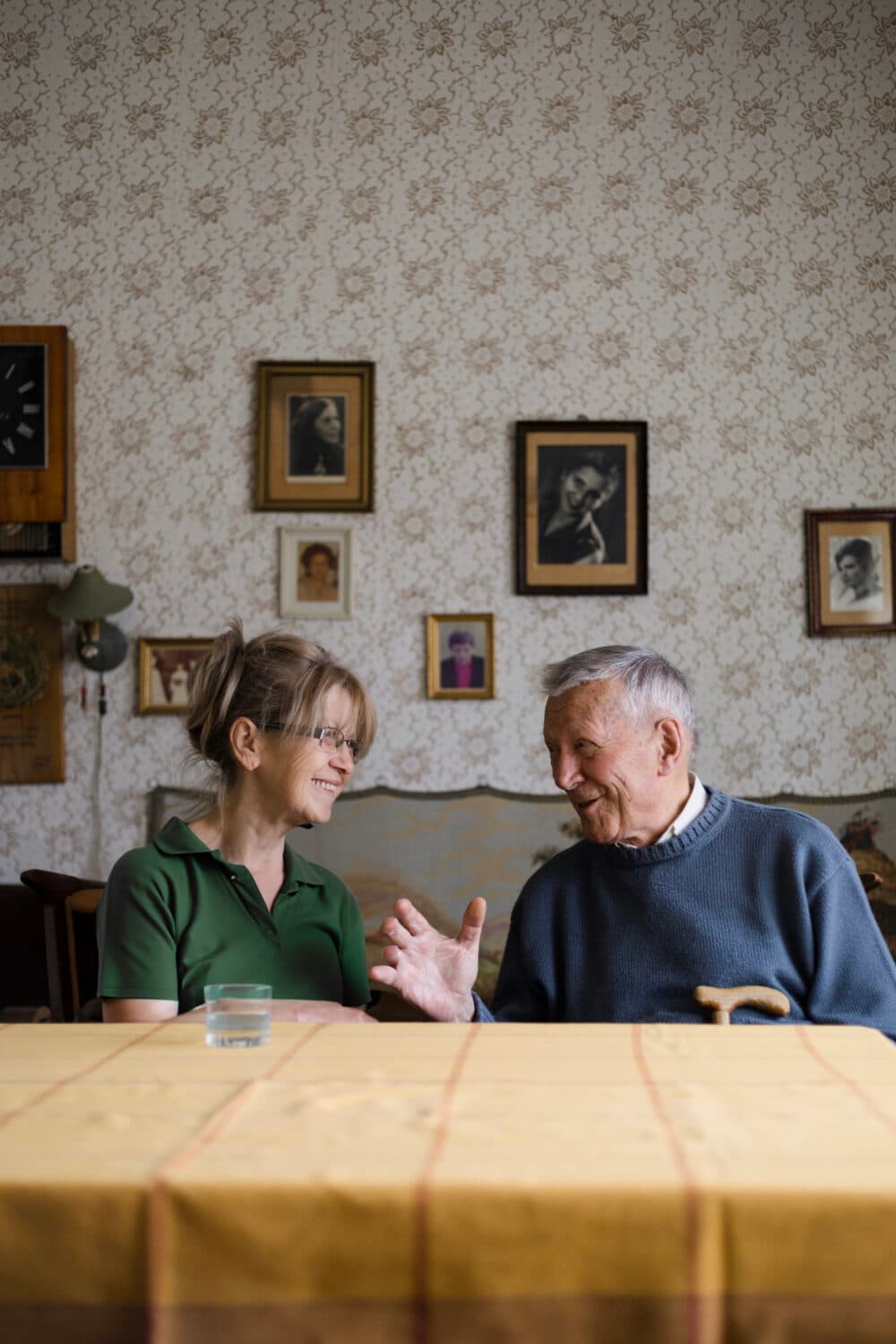
Mental Health in Later Life Can Look Different
Older adults do not always describe how they feel in the same way as younger people might. Some people find it hard to talk about low mood or anxiety, especially if they have grown up with the idea that they should “get on with it”. Others may mention physical symptoms instead, such as tiredness or aches, without linking them to emotional wellbeing.
It can be helpful to look at the full picture. Mental wellbeing is often shaped by a mix of factors, including physical health, sleep, nutrition, pain, medication, social connection, and how supported someone feels at home.

Gentle Signs to Notice
Changes are not always a cause for worry. Everyone has quieter days. However, it may be worth paying attention if you notice a pattern over a few weeks, or if something feels clearly different from your loved one’s usual self.
You might notice:
- Less interest in hobbies, phone calls, or everyday routines
- Changes in sleep, such as sleeping more, sleeping less, or waking often
- Reduced appetite, or little interest in cooking and meals
- More worry than usual, or a sense of being unsettled
- Increased irritability, or becoming easily frustrated
- Withdrawing from friends, neighbours, or family
- Difficulty concentrating, or seeming “not themselves”
- Less confidence with tasks they used to manage, such as shopping or attending appointments
These changes can have many causes. The aim is not to label them, but to notice and respond with kindness and support.
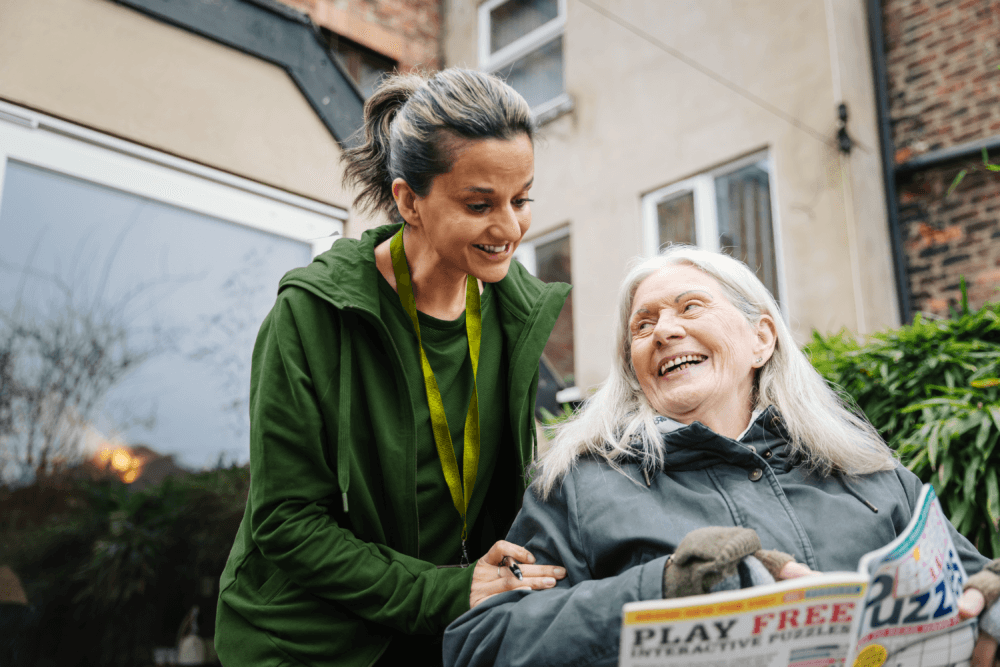
What Might Be Contributing to Changes in Mood
Mental health in older adults is often linked to life changes that can feel gradual, but still significant.
Common influences include:
- Living alone or seeing fewer people day to day
- Changes in mobility that make going out feel harder
- Bereavement, even if it happened some time ago
- Ongoing health conditions or persistent discomfort
- Worries about memory, independence, or becoming a burden
- A loss of routine after retirement or after giving up driving
- Feeling less connected to the local community
Even small practical barriers, such as difficulty getting to familiar places, can affect confidence and wellbeing over time.

How to Start a Supportive Conversation
It can feel delicate to bring up mental health. A gentle approach usually works best, especially if you focus on what you have noticed rather than what you think it means.
You might say:
- “I have noticed you seem a bit quieter lately. How have you been feeling?”
- “Would it help to talk about what feels difficult at the moment?”
- “Is there anything that would make the day feel a little easier?”
- “Would you like some company for a walk or a cup of tea?”
Try to allow space for the person to respond in their own time. Some people need a few conversations before they feel ready to share. If they do not want to talk, you can still offer practical support and keep checking in calmly.

Everyday Ways to Support Mental Wellbeing at Home
The most helpful support is often made up of small, consistent actions. These can support a sense of purpose, comfort, and connection.
Keep routines steady
Regular meal times, familiar morning habits, and a consistent bedtime can help the day feel more predictable. If someone feels unsettled, routine can be reassuring.
Support social connection in a manageable way
Social life does not have to be busy to be meaningful. A short visit, a phone call, or time spent chatting at home can help someone feel less alone.
Encourage gentle activity
A short walk, light stretching, or simply moving around the home can support sleep and mood. The key is to keep it gentle and realistic for the person’s mobility.
Make meals simple and shared where possible
Regular meals and fluids can affect energy and mood. Some older adults eat better when there is company or when meals are prepared together.
Keep interests present
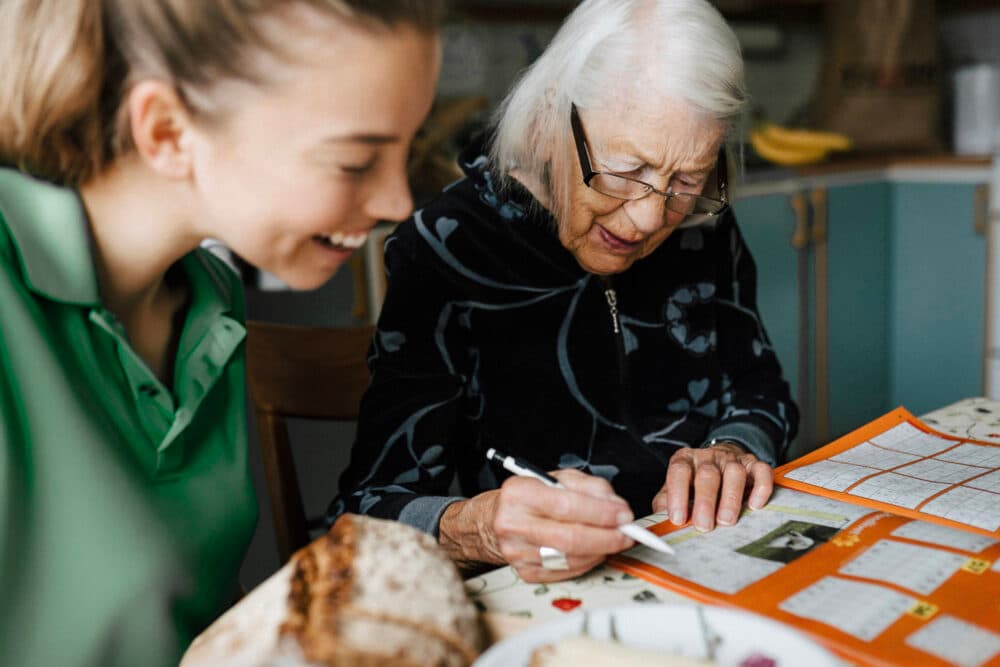
Music, familiar films, gardening, puzzles, or looking through photos can support enjoyment and a sense of identity. These activities can also offer a natural way to connect.
When extra support might be helpful
If your loved one’s mood or anxiety seems to be affecting daily life, or if you are feeling unsure, it can be helpful to speak with a health professional, such as a GP. Some families also find it helpful to keep a gentle note of changes they have noticed, such as sleep or appetite patterns, so conversations feel clearer and more practical.
Alongside medical support, private care at home can offer day-to-day reassurance. Having a consistent, friendly presence can help someone feel more supported and less isolated, particularly if family members live further away or are balancing work and other responsibilities.

How Private Care at Home Can Support Emotional Wellbeing
Home Instead provides private care at home that can support both practical needs and emotional wellbeing. Care can be shaped around what helps the person feel comfortable and confident at home.
Support may include:
- Companionship and conversation, at a pace that feels natural
- Help with routines such as mornings, meals, and bedtime preparation
- Gentle encouragement to take part in familiar activities
- Support with getting out locally, where appropriate, for appointments or short outings
- Help keep the home environment calm and organised
For families, this support can also provide reassurance that someone is not alone day to day, and that changes are more likely to be noticed and shared promptly.

Your Local Home Instead Team
If you are supporting an older adult in Redbridge, Walthamstow, or nearby communities and would like to talk through care at home, your local team can listen and explain options in a clear, supportive way.
Home Instead office name:
Home Instead Redbridge & Walthamstow
Office phone number:
020 801 620 69
Office website URL:
http://homeinstead.co.uk/redbridge-walthamstow/
Google Business Profile link:
https://maps.app.goo.gl/bS9kzmsWH6MJFQKL9
Areas covered (towns/villages/communities):
Chadwell Heath, Fairlop, Barkingside, Clayhall, Redbridge, Ilford, Hainault, South Woodford, Walthamstow, Woodford Green, Woodford
Postcodes served:
E18 1, E18 2, IG1 1, IG1 2, IG1 3, IG1 4, IG1 8, IG1 9, IG2 6, IG2 7, IG3 8, IG3 9, IG4 5, IG5 0, IG6 1, IG6 2, IG6 3, IG7 4, IG7 5, IG8 0, IG8 7, IG8 8, IG8 9, RM6 4, RM6 5, E17 4, E17 5, E17 3, E17 6

Ratings and compliance
Homecare.co.uk rating:
8 out of 10
Profile link:
https://www.homecare.co.uk/homecare/agency.cfm/id/65432188456/startpage/2

A Short Next Step
If you are concerned about a loved one’s mental wellbeing, you do not have to manage it alone. Private care at home can offer companionship, routine, and practical support that helps the day feel more settled. You can explore the Private Care at Home Redbridge & Walthamstow landing page and contact your local Home Instead office to talk through what would feel most helpful for your family.
How can we help?
We've helped thousands of families to stay safe, comfortable and happy at home. Whatever situation you're facing, or whatever the question is, Home Instead is here to help.
Are you in need of a little guidance right away?
03300 583450Other non-care-related enquiries