How to Support Independence While Still Offering the Right Level of Help
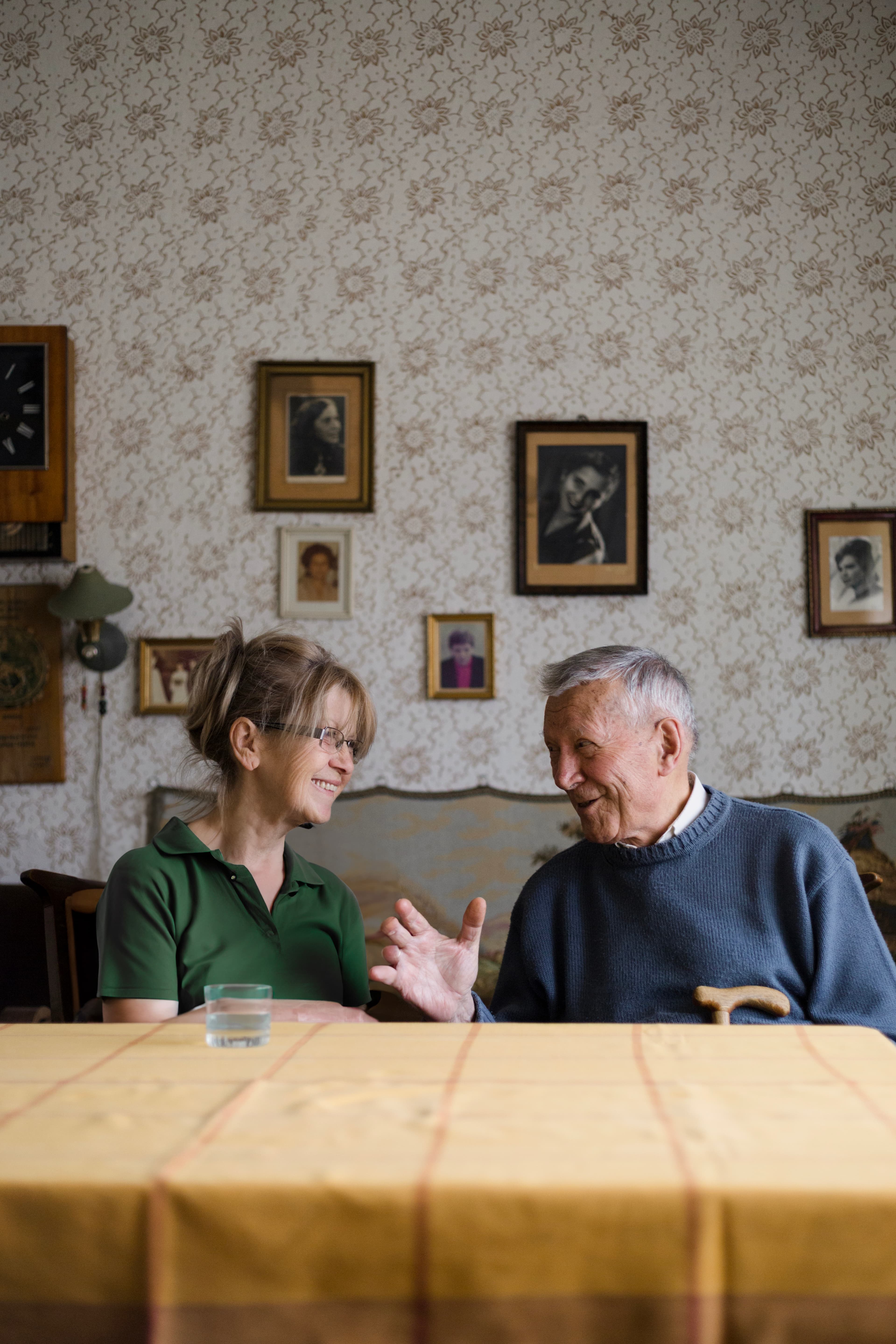
Independence matters at every age. For many older adults, staying in control of day-to-day life is closely linked to confidence, identity, and feeling settled at home. If you are supporting a parent, partner, or relative, you may want to help without taking over. That balance can feel difficult, especially when you are trying to do the right thing and everyone is tired or stretched.
Private care at home can offer a steady, respectful middle ground. The right support keeps routines familiar, protects independence, and brings reassurance for the whole family, without changing more than it needs to.

Why Independence Can Feel so Important
Independence is not only about doing everything alone. It is about choice. It can mean deciding what time to get up, what to eat, who to see, and how to spend the day. Even small decisions can help someone feel more like themselves.
When support is offered in a thoughtful way, it can strengthen independence rather than reduce it. The goal is not to step in for every task. It is to remove the barriers that make life feel harder.

When “helping” Starts To Feel Like “taking over”
Support often begins with good intentions. Families want to prevent problems, keep someone safe, and reduce stress. Sometimes, though, help can start to feel uncomfortable for the person receiving it. You might notice:
- A loved one becoming quiet or resistant when support is mentioned
- Frustration when someone else rearranges the home or changes routines
- People avoiding asking for help because they worry it will lead to a loss of control
- Tension around everyday tasks such as meals, washing, or getting out
These moments do not mean anyone has done anything wrong. They usually mean it is time to reset the approach, and agree together what support looks like.

Start with What The Person Wants, Not What Others Think They Need
A simple way to protect independence is to begin with preferences and priorities. Try asking calm, open questions such as:
- “What feels hardest at the moment?”
- “What would make your day a bit easier?”
- “Which tasks do you want to keep doing yourself?”
- “When would you like help, and when would you rather manage alone?”
Listening first often reduces worry on both sides. It also makes it more likely that support will feel acceptable and sustainable.

Focus on Outcomes, Not Methods
Sometimes the goal is the same, but the way you get there matters. For example, an older adult may want to keep cooking. If standing for long periods is tiring, support could mean help with preparation, lighter meals, or having someone nearby, rather than stopping cooking altogether.

Practical Ways to Support Independence at Home
There are many gentle adjustments that can make daily life easier without changing routines too much.
Keep tasks shared, not replaced
If someone values doing things themselves, try “doing with” rather than “doing for”. That might mean:
- Sitting together while they sort paperwork
- Helping to lay out clothes while they dress themselves
- Preparing ingredients so they can still cook
- Walking alongside them outdoors, rather than steering the whole outing
Small supports like these can protect dignity and confidence.
Make routines easier to follow
A predictable routine often supports independence. Consider:
- Keeping important items in the same place
- Using a simple weekly plan for meals, visits, and appointments
- Encouraging regular times for getting up, eating, and resting
If the day feels organised, people often feel more in control.
Support safer movement without making it a “big change”
If mobility is a little slower, it can help to make the home easier to move around in. This might include keeping walkways clear, improving lighting, or rearranging commonly used items so they are within easy reach. The aim is comfort and ease, not a dramatic refit.
Encourage familiar connections
Independence also includes staying part of the community. Daily life can still feel connected through small routines, such as a shop visit, a short walk, or meeting someone for a cuppa. If outings feel daunting, support can focus on making them simpler and more relaxed, rather than stopping them.

How Private Care at Home Supports Independence
Private care at home is not about replacing family or taking over someone’s life. It is about providing the right support at the right time, in a way that respects the person’s choices.
A personalised approach that fits around the person
Care can be planned around existing routines, preferences, and priorities. This might include help with personal care, meal preparation, companionship, medication prompts, or support to attend appointments. The key is that it stays flexible and tailored to the individual.
Confidence through continuity
Many older adults feel more comfortable when support comes from familiar faces. Seeing the same Care Professionals helps build trust and reduces the feeling that life is changing too quickly.
Support that adapts as needs change
Needs can shift gradually. Private care at home can increase or reduce over time, depending on what the person wants and what the family feels is manageable. That flexibility can help people stay settled at home for longer, while maintaining a sense of control.
Reassurance for family, without pressure
Family members often carry a quiet level of worry, especially if they live nearby but cannot be there every day, or if they are juggling work and childcare. Having a care plan in place can ease that pressure, while still keeping family involved in a natural way.

Finding the “right level” of Help
The right level of help often sits between two extremes. It is not “no support at all”, and it is not “everything done for them”. A good care plan usually starts small and focuses on:
- The tasks that cause the most stress or fatigue
- The times of day that feel hardest, such as mornings or evenings
- The support that improves comfort, confidence, and routine
It can also help to review support regularly. What works now may need adjusting later, and that is normal.

Your Local Home Instead Team
If you are considering private care at home and want to talk through what could support independence in a respectful way, your local Home Instead team is here to help. They can explain options clearly, listen to what matters to your family, and support older adults across the local area.
- Home Instead office name: Home Instead Redbridge & Walthamstow
- Office phone number: 020 8016 2069
- Office website URL: http://homeinstead.co.uk/redbridge-walthamstow/
- Google Business Profile link: https://maps.app.goo.gl/bS9kzmsWH6MJFQKL9
Areas covered (towns/villages/communities)
Chadwell Heath, Fairlop, Barkingside, Redbridge, Ilford, Hainault, South Woodford, Walthamstow, Woodford Green, Woodford.
Postcodes served
E18 1, E18 2, IG1 1, IG1 2, IG1 3, IG1 4, IG1 8, IG1 9, IG2 6, IG2 7, IG3 8, IG3 9, IG4 5, IG5 0, IG6 1, IG6 2, IG6 3, IG7 4, IG7 5, IG8 0, IG8 7, IG8 8, IG8 9, RM6 4, RM6 5, E17 4, E17 5, E17 3, E17 6.
Ratings and compliance
- Homecare.co.uk rating: 8 out of 10
- Profile link: https://www.homecare.co.uk/homecare/agency.cfm/id/65432188456/startpage/2

A Simple Next Step
If you would like support that helps an older adult remain independent at home, it can help to start with a calm conversation about what would make daily life easier. To learn more, explore the Private Care at Home local landing page and contact the Home Instead Redbridge & Walthamstow office for a friendly chat about private care at home and what could fit your family’s needs.