What Families Can Do to Reduce the Risk of Readmission After Hospital Discharge

Coming home from hospital can feel like a relief, but it can also bring a lot of questions. Many families find themselves wondering whether they are doing the right things, whether their loved one is safe, and how to spot issues early without feeling on edge.
The good news is that small, steady steps can make a real difference. The aim is not to create a perfect routine overnight. It is to support recovery gently, reduce avoidable setbacks, and help your family member feel comfortable and confident at home. Private care at home can also provide practical reassurance during those first important days.
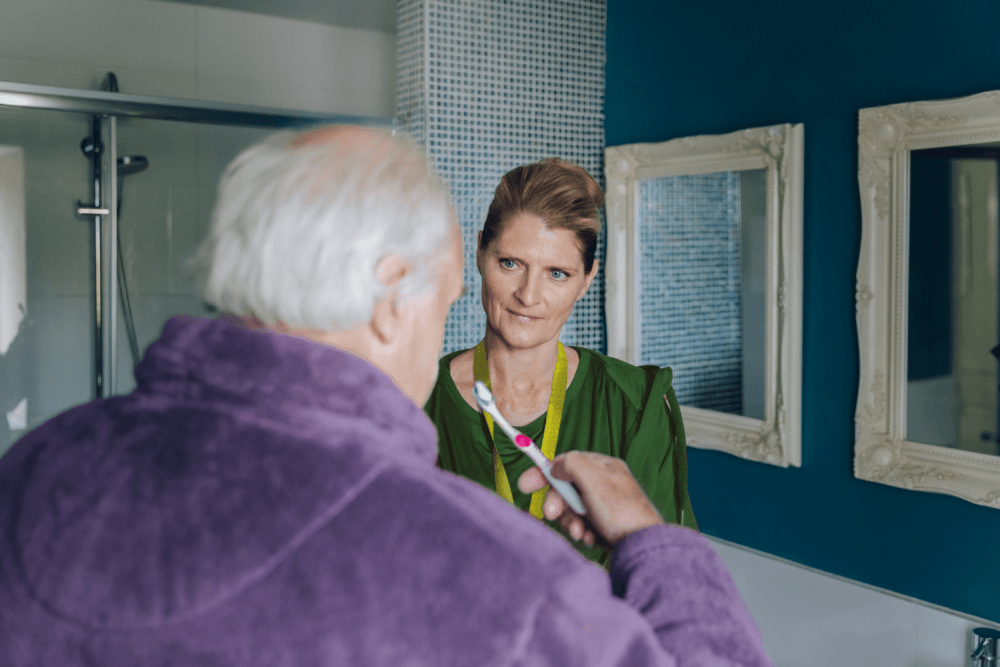
Why the First Few Weeks Matter
Hospital treatment often stabilises an immediate problem, but recovery continues at home. People may feel weaker than usual, tired, or a little unsure on their feet. Medication can change, appetite can be affected, and everyday tasks may take more effort.
Readmission is not always preventable, and it is never a “failure”. Still, planning ahead and putting the right support in place can lower the likelihood of common problems, such as missed medication, dehydration, falls, or infections, becoming more serious.

Before Discharge, Ask for Clear Information
If you can, be present for discharge discussions, or ask to be included by phone. It helps to write things down.
Useful questions include:
- What should recovery look like over the next one to two weeks?
- What symptoms should we watch for, and who do we call if they appear?
- Has anything changed with medication, dosage, or timings?
- Are follow-up appointments booked, and do we need transport support?
- Are there restrictions on activity, lifting, bathing, or diet?
Ask for a copy of the discharge summary, and make sure it is shared with the GP if needed. If anything is unclear, it is completely appropriate to ask for a simple explanation.
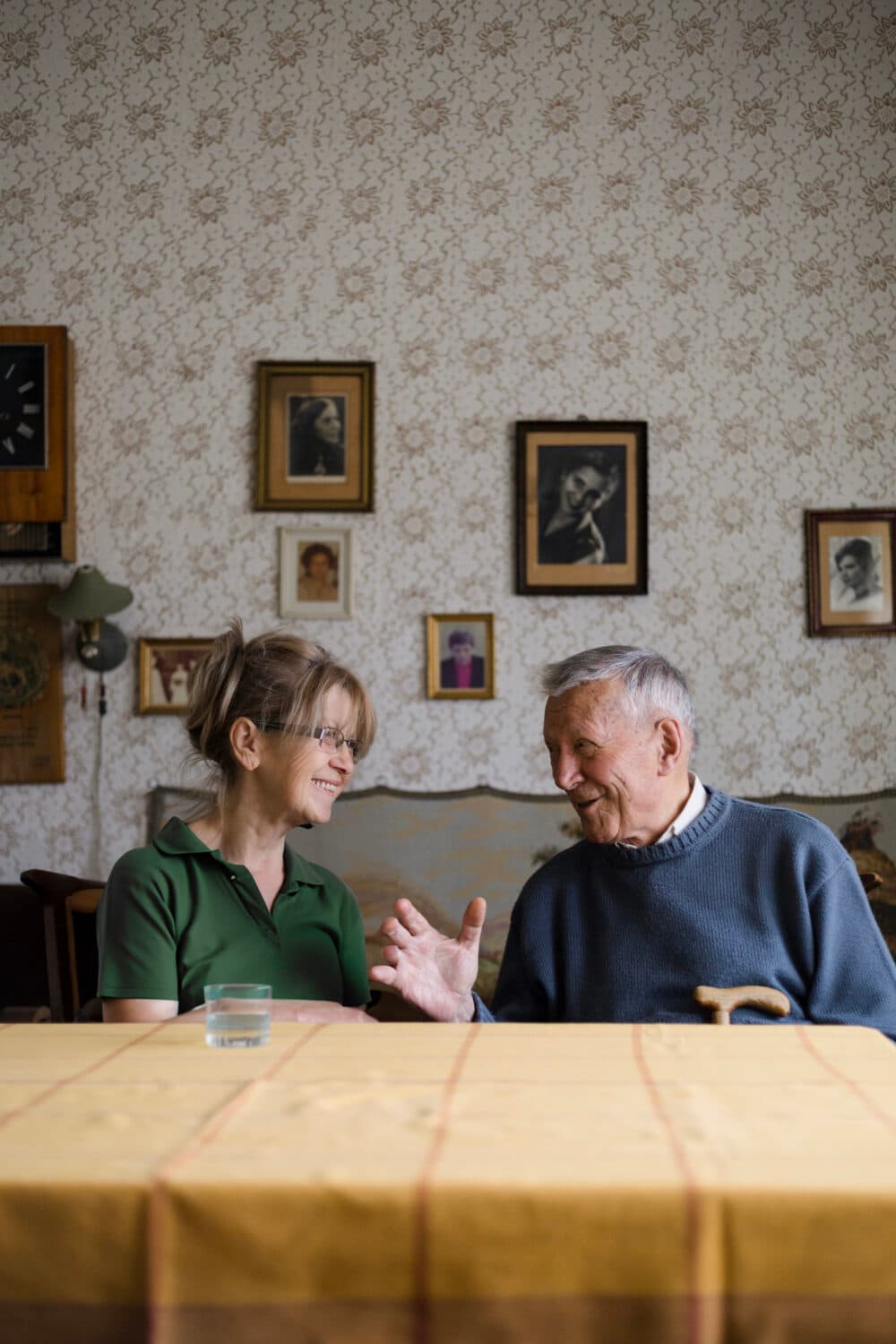
Get Medication Organised from Day One
Medication is one of the most common areas where families feel uncertain after discharge, especially if prescriptions have changed.
Practical ways to reduce problems include:
- Create a medication list, including doses and times, and keep it somewhere visible.
- Use a pill organiser, or request blister packs from the pharmacy if appropriate.
- Set phone reminders, especially for time-sensitive medicines.
- Check whether medications should be taken with food, or avoided with certain drinks.
- Keep an eye on side effects that may affect balance, sleep, or appetite.
If your loved one finds medication difficult to manage, private care at home can help with reminders, routine, and gentle oversight, ensuring nothing is missed during a busy or tiring day.
Support Hydration and Regular Meals
After a hospital stay, it is common for people to eat and drink less, even when they are improving. Dehydration can lead to dizziness, confusion, constipation, and urinary infections, so it is worth making drinks easy to reach and offering them little and often.
Helpful ideas include:
- Keep a lidded cup or water bottle within easy reach.
- Offer warm drinks if that feels more appealing than cold water.
- Aim for small, nourishing meals and snacks rather than big portions.
- Include protein-rich foods where possible, such as eggs, yoghurt, fish, beans, or lean meats.
- Stock up on easy options for days when energy is low.

Make the Home Safer and Easier to Move Around
A gentle “reset” of the home environment can reduce the risk of falls and make daily life feel less tiring.
Consider:
- Clearing walkways of clutter, trailing cables, or loose rugs.
- Improving lighting in hallways, stairs, and bathrooms.
- Keeping essentials on one level to reduce unnecessary trips up and down stairs.
- Ensuring supportive footwear is available, rather than slippery slippers.
- Checking that a phone or call device is always close by.
If equipment has been recommended, such as a walking aid or shower chair, make sure it is adjusted properly and used as advised.

Encourage Rest, But Keep a Steady Routine
Recovery needs rest, but too much time in bed can affect strength and confidence. The aim is gentle movement, at a pace that feels safe.
A supportive routine might include:
- Getting washed and dressed each day, even if plans are simple.
- Short, supervised walks around the home or garden if appropriate.
- Light stretching or exercises recommended by a physiotherapist.
- Regular sleep and meal times to help energy levels settle.
If your loved one is anxious about moving, reassurance matters. Calm, unhurried encouragement often works better than trying to “push through”.

Keep an Eye on Warning Signs Without Feeling Worried
It can be hard to know what is normal after discharge. Families often find it helps to monitor a few basics in a calm, practical way.
Depending on the condition, this may include:
- Changes in breathing, pain levels, or swelling.
- Unusual confusion, agitation, or marked sleepiness.
- Fever, new or worsening cough, or signs of infection.
- Reduced urine output, dark urine, or persistent nausea.
- Falls, near falls, or sudden weakness.
If something does not feel right, trust your instinct and seek advice early. Many issues are easier to address promptly than after they have had time to develop.

Plan for Follow-up Care and Practical Support
Appointments, prescriptions, wound checks, or therapy sessions can quickly become a lot to coordinate, especially when families are juggling work and home life.
Private care at home can be supported by:
- Helping with personal care routines and safe bathing.
- Preparing meals and encouraging hydration.
- Supporting mobility around the home.
- Providing medication reminders and routine checks.
- Offering companionship, reassurance, and a steady presence.
- Helping someone settle back into everyday life in a dignified, familiar way.
Having reliable support in place can ease pressure and make recovery at home feel more manageable.
Your Local Home Instead Team
When you want practical, reassuring support after a hospital stay, your local team can help you understand the options for private care at home and what might fit your family’s needs.
Home Instead office name:
Home Instead Reading
Office phone number:
0118 909 9108
Office website URL:
https://www.homeinstead.co.uk/reading/
Google Business Profile link:
https://maps.app.goo.gl/3eYaKkbED3zikGK59
Areas covered (towns/villages/communities):
Southcote, Earley, Caversham, Calcot, Lower Earley, Ingol, Frenchwood, Clayton-le-Woods, Tilehurst, Woodley
Postcodes served:
RG1 1, RG1 2, RG1 3, RG1 4, RG1 5, RG1 6, RG1 7, RG1 8, RG2 0, RG2 6, RG2 7, RG2 8, RG2 9, RG30 1, RG30 2, RG30 3, RG30 4, RG30 6, RG31 4, RG31 5, RG31 6, RG31 7, RG4 5, RG4 7, RG4 8, RG5 3, RG6 1, RG6 3, RG6 4, RG6 5, RG6 6, RG6 7, RG8 7, RG8 8, RG8 9
If you would like to read more about private care at home, you can explore the local landing page and contact the office for a friendly chat about next steps.
Ratings and Compliance
Homecare.co.uk rating:
9.6 out of 10
Profile link:
https://www.homecare.co.uk/homecare/agency.cfm/id/65432196722
CQC rating:
Good
CQC report link:
https://www.cqc.org.uk/location/1-390726898/contact

A Gentle Next Step
If you are supporting someone after a hospital stay, you do not have to figure everything out alone. With the right routine and timely help, many people regain confidence at home step by step. If you think private care at home could support recovery, take a look at the local private care at home page and contact the team to talk through what would be most helpful for your family.
Areas We Serve
Caversham, Emmer Green, Woodley, Earley, Tilehurst, Pangbourne, Sonning, Henley-on-Thames, Twyford, Wokingham
RG1 1, RG1 2, RG1 3, RG1 4, RG1 5, RG1 6, RG1 7, RG1 8, RG2 0, RG2 6, RG2 7, RG2 8, RG2 9, RG30 1, RG30 2, RG30 3, RG30 4, RG30 6, RG31 4, RG31 5, RG31 6, RG31 7, RG4 5, RG4 7, RG4 8, RG5 3, RG6 1, RG6 3, RG6 4, RG6 5, RG6 6, RG6 7, RG8 7, RG8 8, RG8 9
Suite 133, Spaces Waterside Drive, Arlington Business Park, Theale, Berkshire, RG7 4SA, United Kingdom