Planning Safe, Supportive Care At Home After A Hospital Stay

Coming home from hospital can be a welcome moment, bringing a sense of familiarity and reassurance for everyone involved. Being back in a known environment allows daily life to settle into a natural rhythm again, surrounded by personal belongings, preferred routines and the comforts of home.
With the right support in place, everyday activities can feel more manageable, helping your loved one continue doing the things that matter most to them in a way that feels steady and familiar. Gentle assistance at home can make daily routines easier, while supporting confidence and independence at each step.
For families, knowing that someone is there to provide practical help and friendly reassurance can bring real peace of mind. This article explores how care at home after a hospital stay can support a smooth and comfortable return home, helping familiar routines continue while offering dependable support for both individuals and their families.
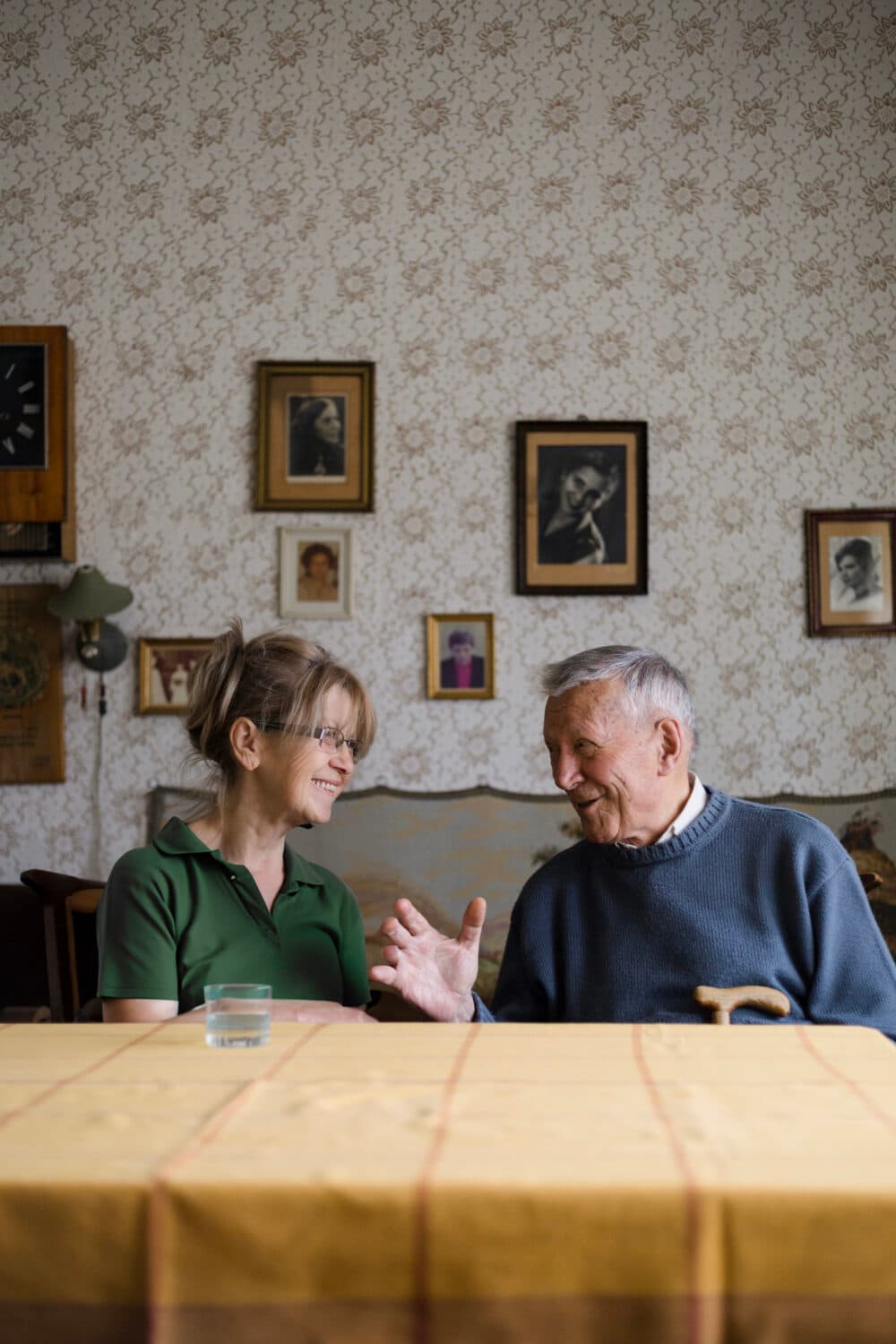
Understanding The Move From Hospital to Home
Coming home from hospital is not usually the end of recovery. Stays in hospital can leave people weaker, more confused or less confident, especially if they have been unwell for a while or have had surgery. Routines such as getting washed, dressed and moving around the house can suddenly feel much harder.
Hospitals often need to plan discharges quickly, which can leave families feeling that everything is happening at once. You might be given new information about medication, mobility or follow up appointments, all while trying to tidy the house, find clean bedding and work out who can be there on the first day back.
Planning care at home in advance, where possible, can help bridge this gap. Knowing that a Care Professional will be visiting can make the move feel less like a cliff edge and more like a steady path back to everyday life.

Preparing the Home For A Safe Return
Before your loved one comes home, it is helpful to take a fresh look at their environment. Small changes can make a big difference to safety and confidence in those first days and weeks.
You might:
- Clear walkways so there are no loose rugs, cables or clutter to trip over
- Make sure there is a comfortable chair that is easy to get in and out of
- Check that the bedroom, bathroom and living room are warm and well lit
- Put frequently used items, such as cups, clothes and toiletries, within easy reach
- Set up a simple table or tray for drinks, snacks, tissues and the television remote
A Care Professional can then build on these preparations, helping your loved one move around safely and suggesting further adjustments if needed. This might include noticing where they hesitate, or where an extra lamp or a different chair would help.
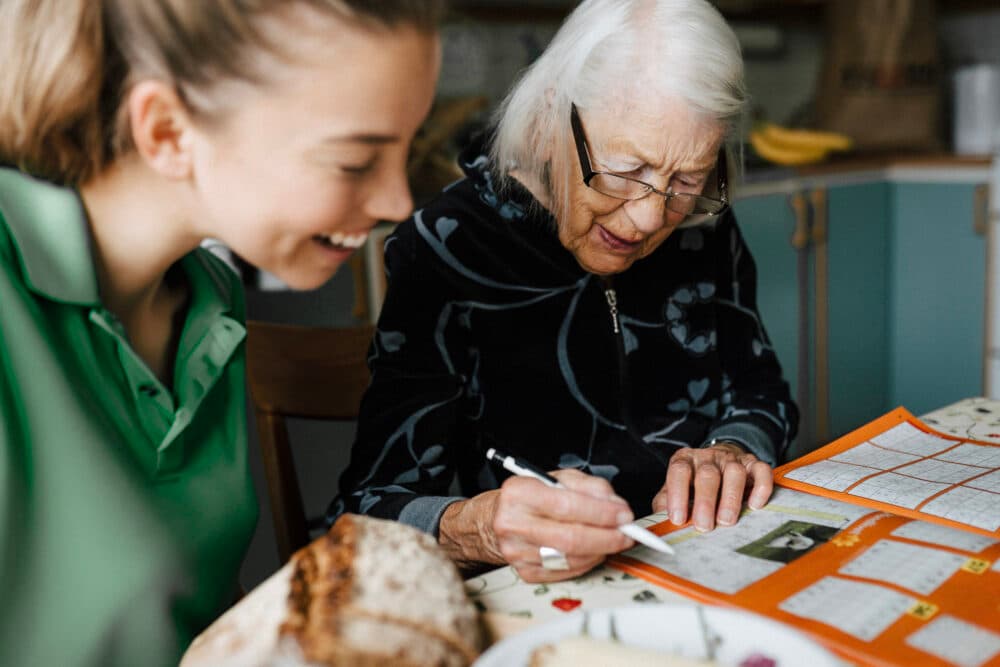
How Care at Home Can Support The First Few Weeks
The first weeks after a hospital stay are often when families feel most stretched. Your loved one may need more help than usual, and they may not be able to be left alone for long periods. At the same time, you may need to return to work, look after children or catch up on everything you have put on hold.
Care at Home visits can be arranged at times that matter most, such as mornings, evenings or mealtimes. Support might include:
- Help to get out of bed safely and move to a chair or bathroom
- Personal Care, such as washing, dressing and grooming, always at your loved one’s pace
- Preparing simple, nourishing meals and making sure drinks are within easy reach
- Light Home Help, such as tidying the kitchen, putting on a wash and changing bedlinen
- Companionship and reassurance, so your loved one does not feel they are facing recovery alone
Because support is one to one, visits can be tailored to how your loved one is feeling that day. Some days may be better than others, and the Care Professional can adapt, encouraging gentle independence where possible and offering extra help when needed.

Supporting Medication and Follow Up Routines
After a hospital stay, there are often new prescriptions, changes to existing medication and follow up appointments to keep track of. This can be a lot to manage, especially if your loved one already has a complex routine.
Care at Home can help by:
- Offering agreed prompts with medication, in line with the care plan
- Helping your loved one remember which tablets are taken at which times
- Supporting with simple record keeping, such as noting pain levels or side effects to share with healthcare professionals
- Reminding your loved one about upcoming appointments and helping them get ready in good time
This gentle structure can reduce the risk of missed doses or muddle, and can help you feel more confident that important routines are being followed even when you cannot be there in person.
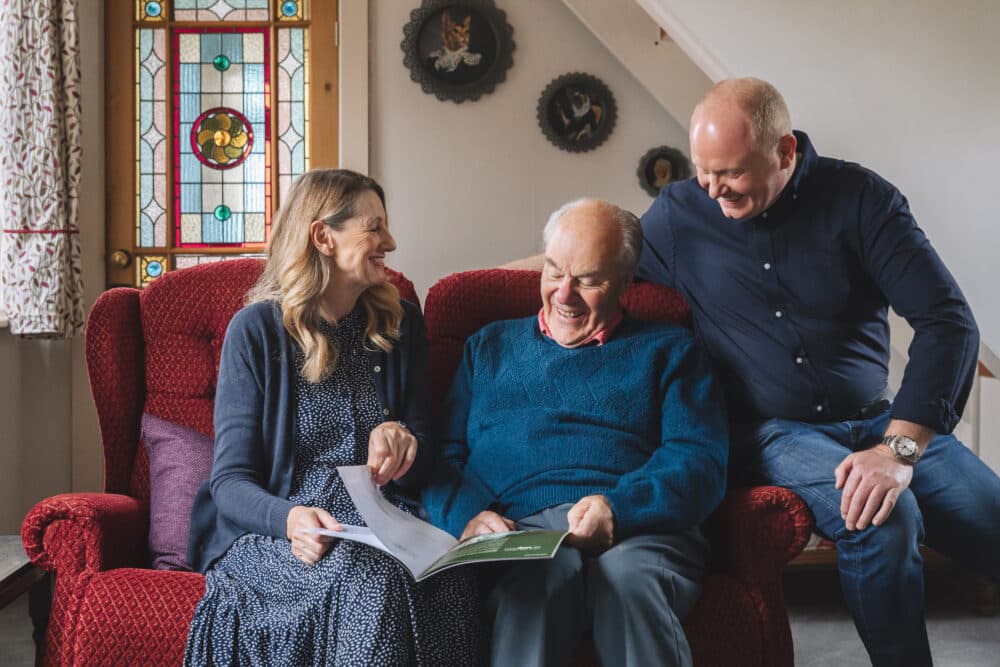
Building Back Strength, Confidence and Everyday Routines
Recovery is not only about medical treatment. It is also about rebuilding confidence and finding a new rhythm at home. Your loved one may need encouragement to move around, practise exercises or resume small parts of their usual day.
Care at Home support might include:
- Encouraging short walks around the home, gradually increasing as they feel able
- Helping your loved one keep up with any exercises suggested by hospital therapists
- Supporting them to take part in simple tasks, such as laying the table or folding laundry
- Providing companionship for short trips outside, once they are ready, such as a gentle walk to the garden gate
These steps may seem small, but they can add up to a big difference in how independent and positive your loved one feels about their progress.
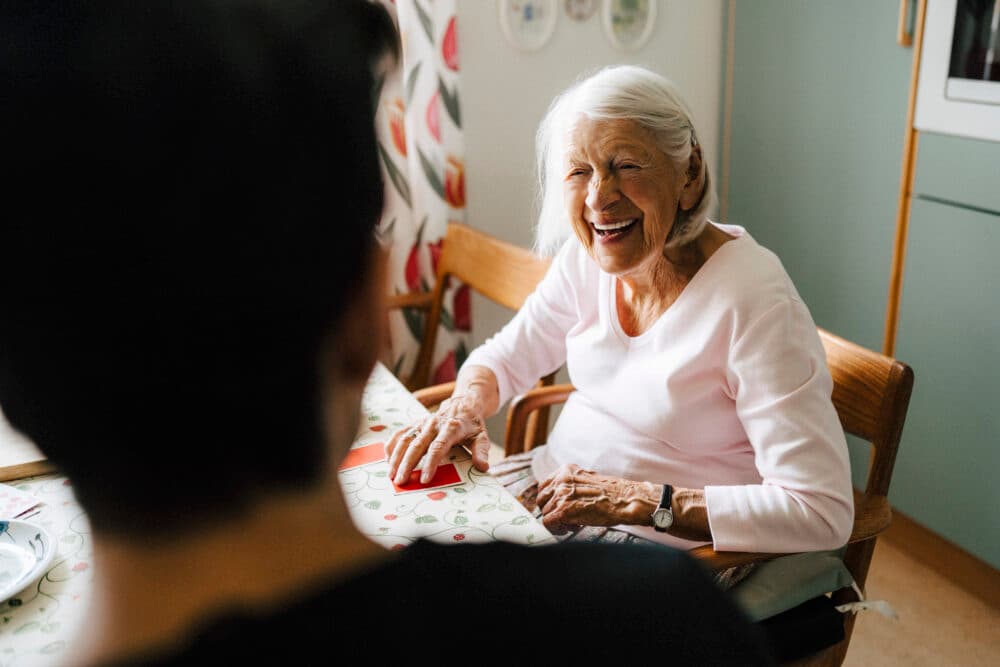
When Your Loved One is Living with Dementia
If your family member is living with dementia, a hospital stay can be especially unsettling. Changes in environment, routine and faces can lead to increased confusion or anxiety, both in hospital and after coming home.
Dementia Care at home focuses on:
- Re-establishing familiar routines around meals, washing and bedtime
- Using calm, simple language and gentle prompts to support understanding
- Keeping the environment as predictable and reassuring as possible
- Providing patient companionship, especially if your loved one is more restless or unsure after their hospital stay
A familiar Care Professional can act as a steady presence while your loved one settles back into their own surroundings. This can also ease the pressure on you during what may already be an emotional time.

Working Alongside Your Family, Not Replacing You
It is common to worry that arranging care at home means stepping back, or that someone else will take over decisions. In reality, good support is designed to work alongside what you already do, not to push it aside.
You might choose to:
- Visit at evenings and weekends, while Care Professionals support weekday routines
- Handle hospital follow up calls and paperwork, while day to day practical tasks are shared
- Focus on being son, daughter, partner or friend again, rather than feeling you have to be nurse, cook and cleaner all at once
Regular communication with the office and Care Professionals means you can stay informed about how your loved one is managing. Together, you can adjust support as their strength returns, or if they need a little longer to recover than first expected.

A Local Team You Can Trust with Post Hospital Care
Trust is particularly important after a hospital stay, when your loved one may feel fragile or anxious. You need to know that the people supporting them at home are reliable, kind and well trained.
Home Instead Reading provides personalised Care at Home, including Companionship Care, Home Help, Personal Care and specialist Dementia Care where needed. The office is rated Good by the Care Quality Commission, and you can read the latest report on the Care Quality Commission website. Home Instead Reading is also rated 9.6 out of 10 on homecare.co.uk, where you can see feedback from other clients and families.
Support is provided by trained Care Professionals who take time to understand your loved one’s needs, preferences and routines. Wherever possible, the same familiar faces visit, which helps build trust and makes the transition from hospital to home feel gentler.

Taking The Next Step Towards a Safer Return Home
Planning for life after a hospital stay can feel daunting, especially if you are already tired from the worry of the last few weeks. It may help to remember that you do not have to organise everything alone. Care at home can provide steady, reliable support that helps your loved one recover in the place they know, while giving you breathing space as a family.
When you feel ready to talk about how care at home could support a safe return from hospital, you are welcome to contact Home Instead Reading. You can call the team on 0118 909 9108, visit them at Suite 133, Spaces Waterside Drive, Arlington Business Park, Theale, Berkshire, RG7 4SA, or use their Google profile link to find directions and further details when it suits you.
Suggested URL slug: /blog/care-at-home-after-hospital-stay-safe-return-home

How can we help?
We've helped thousands of families to stay safe, comfortable and happy at home. Whatever situation you're facing, or whatever the question is, Home Instead is here to help.
Are you in need of a little guidance right away?
03300 583450Other non-care-related enquiries
Areas We Serve
Caversham, Emmer Green, Woodley, Earley, Tilehurst, Pangbourne, Sonning, Henley-on-Thames, Twyford, Wokingham
RG1 1, RG1 2, RG1 3, RG1 4, RG1 5, RG1 6, RG1 7, RG1 8, RG2 0, RG2 6, RG2 7, RG2 8, RG2 9, RG30 1, RG30 2, RG30 3, RG30 4, RG30 6, RG31 4, RG31 5, RG31 6, RG31 7, RG4 5, RG4 7, RG4 8, RG5 3, RG6 1, RG6 3, RG6 4, RG6 5, RG6 6, RG6 7, RG8 7, RG8 8, RG8 9
Suite 133, Spaces Waterside Drive, Arlington Business Park, Theale, Berkshire, RG7 4SA, United Kingdom