Talking About Care: A Practical Guide for Families in Norwich
A practical guide for families in Norwich on starting conversations about care, recognising when support may help and introducing home care with confidence.
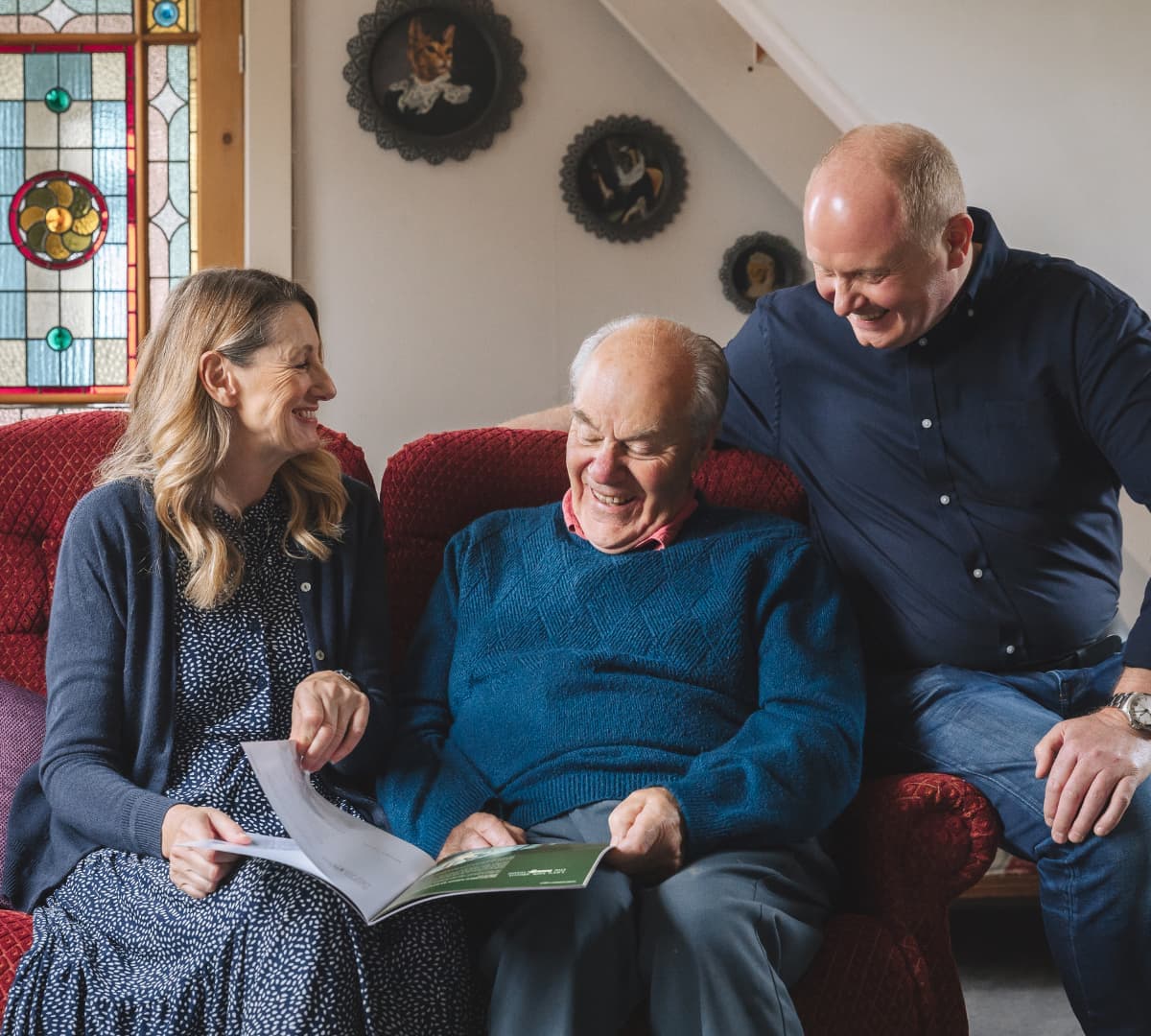
Some families know exactly when care is needed. More often, it is less clear. An older parent may still be managing most things, but meals are becoming more basic, the house feels harder to keep on top of or they seem less confident going out alone. You may find yourself calling more often, checking in after work or quietly worrying every time the phone rings.
For families in Norwich, starting a conversation about care can feel like a big step. The aim is not to make your loved one feel incapable. It is to open up a calmer conversation about what would help them stay safe, comfortable and independent at home.
Start with what life feels like now
Care conversations are easier when they begin with real life, not labels. Instead of saying, “You need care”, talk about what has changed.
You might say:
– “Is the shopping feeling like more of a job lately?”
– “Would it help to have someone with you on appointment days?”
– “Are mornings feeling more tiring than they used to?”
– “Would a bit of company in the week be nice?”
These questions make the conversation feel less like a warning and more like an invitation. They also give your loved one space to say what they are finding difficult, rather than feeling put on the spot.
Talk about care as support for ordinary routines
Many older people worry that accepting care will mean losing privacy or control. Families can help by explaining that home care can begin gently and be shaped around the person.
Support might start with companionship, help preparing meals, light housework, medication reminders, shopping, appointments or a regular visit for reassurance. It does not need to mean a big change overnight.
For some families, this reassurance makes the idea of care feel less daunting. One family member said: “Dad seems to have found their presence in his home very easy to become accustomed to.”
Another client described the relationship warmly, saying: “I regard them all as friends now rather than carers… conversation is easy and covers topics I find interesting.”
For someone living alone in Norwich, a familiar Care Professional can bring rhythm to the week, friendly conversation and practical help with the parts of the day that feel harder. For family members, it can ease the pressure of trying to be everywhere at once.

Let your loved one protect what matters
When someone resists care, they may be worried about losing the small things that make life feel like theirs. This could be choosing when to get up, making their own tea, sitting in a favourite chair, feeding a pet, going to a local group or keeping a familiar routine.
Before suggesting solutions, ask what they want to keep the same. Then build support around those priorities.
This helps care feel less like something being imposed and more like a way of protecting independence. Good home care should fit around the person’s habits, preferences, personality and daily rhythm.
This kind of sensitive, person-centred approach can help families feel more confident about introducing care. One family member explained: “Dad and I agreed that he felt included, respected, listened to and heard. The care has been sensitively tailored to his needs, and we feel reassured knowing he is supported when we can’t be there.”
Make the first enquiry feel less formal
Families sometimes delay contacting a care provider because they are unsure what to ask for. You do not need to have a full plan before making an enquiry.
You can simply explain what you have noticed. Perhaps your loved one is becoming isolated, struggling with meals, finding personal care harder or showing signs of memory changes. The local team can talk through what support might help and what the next steps could look like.
A care consultation can then explore routines, health needs, family involvement, risks, preferences and goals. The purpose is to understand the person properly, not just tick off a list of tasks. As one family member said: “I was highly impressed… a great assessor carried out the consultation without the person ‘feeling’ they are being assessed. Dad and I agreed that was certainly his experience.”
If memory changes are part of the concern
If your loved one is becoming more forgetful, anxious or confused, conversations about care may need to be shorter and more reassuring. Too much information at once can feel overwhelming.
Instead of saying, “You need help because you keep forgetting things”, you might say, “It might be nice to have someone pop in around lunchtime, so the day feels a bit easier.”
Specialist dementia care can support families when memory changes begin to affect daily life. Care can be built around familiar routines, favourite meals, music, former jobs, hobbies, family names and the small details that help someone feel safe. Consistent support from the patient and trained Care Professionals can also give families reassurance that their loved one is being understood and not rushed.

Keep the door open
One conversation may not be enough. Your loved one may need time to think, ask questions or get used to the idea. Try not to make it a battle.
Return to the subject gently. Keep linking care back to what matters most: staying at home, keeping routines, feeling safe and reducing pressure on everyone. Sometimes the first step is not arranging care straight away. It is simply agreeing to find out what help is available.
Considering care at home in Norwich?
If you are starting to think about care for an older parent or loved one, Home Instead Norwich can help you explore the options. Whether your family needs companionship care, dementia care, personal care, home help or support with daily routines, the local team can help you take the next step in a way that feels calm and manageable.
Enquire today to find out more.
FAQs
How do I start talking to an elderly parent about care?
Start with one practical observation, such as meals, shopping, appointments or tiredness. Keep the tone calm and focus on what would make life easier, safer or more comfortable.
What if my loved one says they do not need help?
Listen to their worries and avoid forcing the issue in one conversation. Suggest a small first step, such as companionship or help with one routine, rather than presenting care as a major change.
Can home care help before things become urgent?
Yes. Home care can begin with light support, companionship or practical help, giving families time to plan before a crisis happens.