What Is the Difference Between Home Care and a Care Home?
What is the difference between home care and a care home? Discover the benefits of private in-home care in, including dementia care, live-in care and personal care.
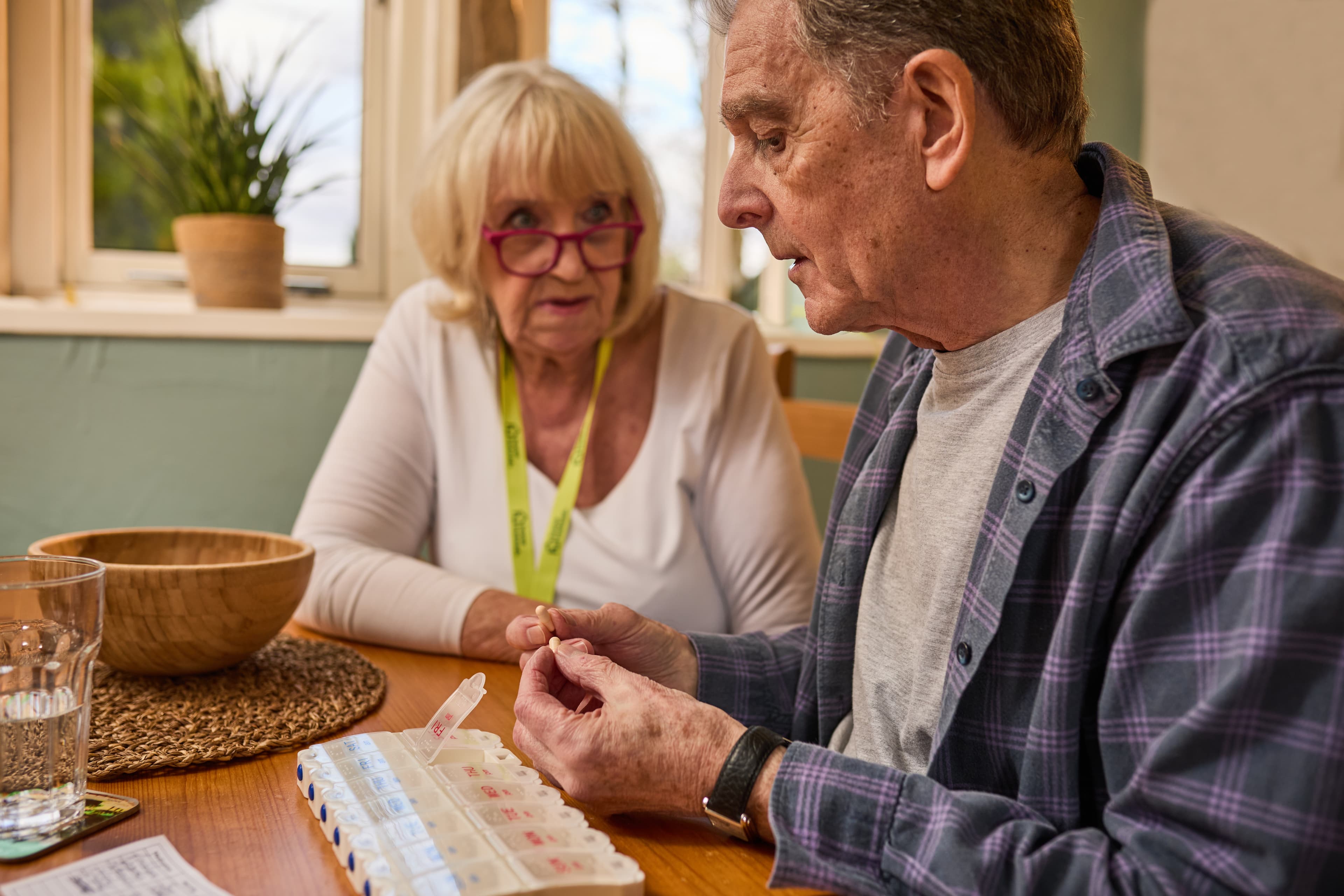
When a loved one begins to need extra support, many families face the difficult question: should they move into a care home, or would home care be a better option?
For families across Newport, Cwmbran, Chepstow and surrounding areas, understanding the difference between home care and residential care can help you make the right decision for your loved one’s wellbeing, independence and happiness.
At Home Instead Newport, Cwmbran & Chepstow, we often speak with families who are unsure which route is best. While every situation is unique, this guide explains the key differences between home care and care homes, along with the benefits of each.
What Is Home Care?
Home care — sometimes called domiciliary care or private in-home care — allows an older adult to remain living in their own home while receiving support from a professional carer.
Support can range from a few hours a week through to full-time live-in care, depending on the person’s needs.
Home care services may include:
- Companionship
- Personal care
- Meal preparation
- Medication support
- Help around the home
- Dementia care
- Overnight care
- Live-in care
- Hospital discharge support
- Shopping and errands
- Transportation to appointments
The main goal of home care is to help someone remain safe, comfortable and independent in familiar surroundings.
What Is a Care Home?
A care home is a residential setting where multiple residents live together and receive care from on-site staff.
Care homes can provide:
- Residential care
- Nursing care
- Dementia support
- 24-hour supervision
Residents usually have their own bedroom but share communal spaces such as lounges and dining rooms.
For some individuals with highly complex medical needs, a care home may be the right option. However, many families are surprised to learn how much support can now be safely provided at home.
The Main Differences Between Home Care and a Care Home
- Staying at Home vs Moving Out
The biggest difference is simple: home care allows someone to stay in the home they know and love.
For many older adults in Newport and Monmouthshire, remaining at home means:
- Keeping their routines
- Staying close to neighbours and community
- Sleeping in their own bed
- Keeping pets nearby
- Maintaining independence
- Feeling emotionally secure
Moving into a care home can sometimes feel overwhelming or disorientating, particularly for individuals living with dementia.
- One-to-One Support
With home care, support is delivered on a one-to-one basis.
At Home Instead Newport, Cwmbran, Chepstow, our carers focus entirely on one client during each visit. This allows meaningful relationships to develop and care to be tailored around the individual.
In contrast, care home staff are often supporting multiple residents at the same time.
- Flexibility of Care
Home care is highly flexible.
Support can begin with:
- A few companionship visits each week
- Help with housekeeping
- Personal care in the mornings
- Medication reminders
As needs change, care can gradually increase.
Many families begin with small amounts of support before progressing to:
- Daily visits
- Overnight care
- Live-in care
This flexibility allows care to evolve naturally over time.
- Maintaining Independence
One of the biggest advantages of home care is that it supports independence rather than replacing it.
A professional in-home carer can encourage someone to:
- Continue hobbies
- Prepare meals together
- Attend community activities
- Stay active
- Maintain routines
For many older adults, maintaining control over daily life has a significant impact on emotional wellbeing and confidence.
- Continuity and Relationships
Relationship-led care is one of the key reasons families choose private home care.
Seeing familiar carers regularly helps build trust and reassurance — particularly for people living with dementia or anxiety.
At Home Instead Newport, Cwmbran, Chepstow, we carefully match carers and clients based on personality, interests and preferences wherever possible.
- Cost Differences
Many people assume a care home is always cheaper than home care, but this is not always the case.
The cost depends on:
Level of support needed
Number of care hours required
Whether nursing care is needed
Whether care is shared between couples
For example, live-in care can sometimes be more cost-effective than two people moving into residential care separately.
Home Care Can Be More Cost-Effective for Couples
For couples, home care is often a far more financially practical option than moving into residential care.
In a care home setting, each person is usually charged individually for their accommodation and care. This can mean couples are paying for two separate rooms, two care packages and, in some cases, living apart if their care needs differ.
With home care or live-in care, couples can continue living together in the comfort of their own home while sharing much of the support they receive. A carer can assist both individuals during visits, helping with:
Meal preparation
Housekeeping
Medication reminders
Companionship
Personal care where needed
Daily routines and appointments
Not only can this be more cost-effective, but it also helps couples maintain their relationship, routines and emotional wellbeing by remaining together in familiar surroundings.
For many families in Newport and Monmouthshire, this is one of the biggest advantages of choosing private in-home care over residential care.
Home care also allows families to choose exactly the level of support required, making care more flexible and personalised over time.
Is Home Care Better Than a Care Home?
There is no universal answer.
The best choice depends on:
- Medical needs
- Mobility
- Cognitive health
- Safety risks
- Social needs
- Personal preferences
- Family support available
However, many people prefer home care because it allows them to remain in familiar surroundings while maintaining independence and routines.
For individuals living with dementia, remaining in a familiar environment can often reduce confusion and anxiety.
Signs Home Care May Be the Right Option
Home care may be suitable if your loved one:
- Wants to remain at home
- Is becoming lonely or isolated
- Needs help with personal care
- Is struggling after a hospital stay
- Needs support with medication
- Has early or moderate dementia
- Needs companionship
- Requires help around the house
- Would benefit from routine and continuity
Home Care in Newport, Cwmbran & Chepstow
At Home Instead Newport, Cwmbran & Chepstow we provide relationship-led home care across:
- Newport
- Caldicot
- Chepstow
- Cwmbran
- Caerleon
- Langstone
Our services include:
- Companionship care
- Personal care
- Dementia care
- Live-in care
- Overnight care
- Home help and housekeeping
- Hospital discharge support
- Respite care
We believe care should feel personal, compassionate and built around the individual.
Frequently Asked Questions
Can someone with dementia stay at home?
Yes. Many individuals living with dementia can continue living safely at home with the right support in place.
Is home care available short term?
Yes. Home care can be arranged short term after illness, surgery or hospital discharge, or as ongoing long-term support.
What is live-in care?
Live-in care involves a professional carer living in the home to provide ongoing support and companionship.
How quickly can home care start?
In many cases, care can begin quite quickly following an initial consultation and assessment.
Looking for Home Care in Newport?
If you are exploring options for yourself or a loved one, our team at Home Instead Newport, Cwmbran & Chepstow would be happy to talk through your situation and help you understand the options available.