Leaving Hospital in Newport: What Happens After Discharge?

Leaving hospital is often a huge relief. After days or even weeks of tests, treatment, surgery, or recovery, most people simply want to get back to the comfort of home.
But for many older adults and their families, the period after hospital discharge in Newport can also bring uncertainty.
What happens next?
Will Mum or Dad manage safely at home?
Who helps with meals, medication, washing, dressing, mobility, and follow-up appointments?
How do families cope when they are juggling work, children, and caring responsibilities?
These are important questions, and they are more common than many people realise. The transition from hospital to home is not always straightforward, especially for older people recovering from illness, surgery, a fall, or a change in health. That is why having the right support in place can make all the difference.
At Home Instead Newport, Cwmbran, and Chepstow, we provide compassionate, reliable, and highly personalised care to help older adults return home with confidence. From practical help in the first few days to ongoing companionship and personal care, our team can support a smoother, safer recovery at home.
Why the days after hospital discharge matter
Hospital discharge is not the end of the recovery journey. In many cases, it is the beginning of a new phase that requires planning, patience, and support.
Older adults may come home feeling weaker than expected. They may be unsteady on their feet, tired, confused, or anxious. Everyday tasks that once felt simple, such as getting washed, climbing the stairs, preparing a meal, or collecting a prescription, can suddenly feel overwhelming.
This is why hospital discharge support in Newport is so important. Without the right help, there is a greater risk of setbacks, including missed medication, dehydration, poor nutrition, falls, or even readmission to hospital.
Families often step in where they can, but many find that support is needed quickly and consistently. Having trusted home care after hospital discharge can relieve pressure on relatives while helping older adults recover in the place they know best: home.
What usually happens before someone leaves hospital?
Before discharge, hospital staff will usually assess whether a patient is medically well enough to leave. This does not always mean they are fully recovered. It simply means that they no longer need hospital treatment and that their next stage of recovery can continue elsewhere.
Depending on the person’s needs, discharge planning may involve:
- a discussion about mobility and safety at home
- information about medication and follow-up appointments
- advice about equipment, such as walking aids or bed rails
- referrals to community services or rehabilitation teams
- arrangements for support at home
For older adults, elderly discharge planning is especially important. Good planning helps reduce stress and ensures that care is not left to chance once the person arrives home.
However, families often find that discharge happens quickly. Sometimes there is little time to organise everything, particularly if relatives live further away or do not yet know what level of support will be needed. That is where responsive, flexible care at home becomes so valuable.
What is “discharge to assess”?
You may hear the term discharge to assess in Newport during a hospital stay or when discussing care options.
Discharge to assess is an approach where someone leaves hospital as soon as they are medically fit, and their longer-term care or rehabilitation needs are then assessed in a more appropriate setting, often at home. The idea is that people can recover better in familiar surroundings, and professionals can get a clearer picture of what support is needed in day-to-day life.
For many older adults, this can be a positive option. Being at home may improve comfort, sleep, appetite, and emotional wellbeing. But it also means that proper support needs to be in place. If someone is coming home under a discharge to assess pathway, families may need to think carefully about:
- who will help day to day
- whether the person can move around safely
- how medication will be managed
- whether meals and hydration will be monitored
- what support is needed with washing, dressing, or toileting
This is where post-hospital care at home can be invaluable. Professional support can bridge the gap between hospital and full independence, helping families feel more reassured during what can otherwise be a stressful time.

Common challenges after returning home
Every recovery is different, but there are some common difficulties older adults may face after discharge.
Reduced mobility
After a hospital stay, even a short one, many people lose strength and confidence. Walking may feel harder, stairs may seem daunting, and moving from bed to chair may require support. This is one reason rehabilitation support at homecan be so helpful.
Fatigue and low energy
Recovery takes time. Many older adults feel tired for days or weeks after discharge, especially after surgery, infection, or illness. They may need help with daily routines while energy levels gradually improve.
Medication management
Changes to prescriptions are common after a hospital stay. New medications, new doses, or specific timings can be confusing, especially when someone is still feeling unwell or forgetful.
Personal care needs
Tasks such as bathing, dressing, using the toilet, and grooming can become difficult during recovery. Sensitive, dignified support can help maintain comfort and confidence.
Nutrition and hydration
Poor appetite is common after illness or surgery, but good nutrition is essential for healing. Many older adults benefit from support with meal preparation, snacks, and encouragement to drink regularly.
Emotional wellbeing
Leaving hospital can feel unsettling. Some people feel anxious about coping alone. Others may feel low, isolated, or fearful of falling ill again. Companionship and reassurance can be just as important as practical help.
How home care can help after discharge
The right home care after hospital discharge can support both recovery and peace of mind. Rather than expecting someone to cope alone too soon, care at home allows them to receive help that matches their individual needs.
At Home Instead Newport, Cwmbran, and Chepstow, we believe recovery should feel personal, reassuring, and centred on the individual. We do not offer rushed, one-size-fits-all support. Instead, we take time to understand each person, their routines, their worries, and the small details that help them feel comfortable at home.
Our care can include:
Personal care
Support with washing, dressing, grooming, toileting, and getting ready for the day.
Meal preparation
Fresh meals, drinks, and help to maintain proper nutrition during recovery.
Medication support
Gentle reminders and practical support to help ensure medication routines are followed correctly.
Companionship
A friendly, familiar presence can reduce anxiety and loneliness after a hospital stay.
Mobility support
Help moving safely around the home, reducing the risk of falls and building confidence.
Household help
Light housekeeping, laundry, shopping, and keeping the home safe and comfortable.
Transport and appointment support
Help getting to GP visits, follow-up appointments, or rehabilitation sessions.
For families looking for hospital discharge support in Newport, having this kind of flexible care in place can make the return home much less overwhelming.
The value of reablement care at home
Many families also ask about reablement care in Newport. Reablement focuses on helping someone regain skills and confidence after illness, injury, or hospital treatment. The goal is not to do everything for a person, but to support them in rebuilding independence safely and at the right pace.
For example, someone recovering from surgery may initially need help getting dressed, making meals, and moving around the home. Over time, with encouragement and support, they may be able to do more for themselves again.
This approach can be especially helpful for older adults who want to remain independent but need a little extra assistance while they recover. With the right support at home, people can often regain confidence more comfortably than they would in an unfamiliar environment.
At Home Instead Newport, our care is designed to support recovery while respecting independence. We understand the balance between offering help and encouraging progress, always in a way that feels safe and positive.
Help at home after surgery in Newport
Recovering from an operation can be especially demanding. Even when a procedure goes well, the body needs time to heal. Pain, reduced mobility, tiredness, and temporary restrictions can all affect daily life.
Families often worry about managing help at home after surgery, especially if their loved one lives alone or has existing health conditions. Common concerns include:
- getting in and out of bed safely
- preparing meals while mobility is limited
- remembering medication or pain relief
- keeping wounds clean and following discharge instructions
- managing stairs and bathing safely
- attending follow-up appointments
Having professional post-hospital care at home can ease this pressure and provide valuable reassurance during the early days of recovery.
Why families in Newport choose Home Instead
When a loved one is leaving hospital, families want more than basic assistance. They want to know that someone kind, dependable, and well-trained will be there to help.
At Home Instead Newport, Cwmbran, and Chepstow, we are proud to support older adults across the local area with care that is both professional and genuinely personal.
Families choose us because we offer:
A personalised approach
No two recoveries are the same. We tailor support to the individual’s needs, routine, preferences, and pace of recovery.
Compassionate Care Professionals
Our team is chosen not only for their skills, but for their warmth, empathy, and dedication.
Continuity and trust
Seeing familiar faces can make recovery feel calmer and more reassuring.
Flexible care
Some people need support for a few days, while others need longer-term help. We can adapt as needs change.
Local knowledge
As a trusted provider in the area, we understand the needs of families seeking after hospital discharge support in Newport.
This is why many families turn to Home Instead Newport hospital discharge care when they want trusted support at a vulnerable time.
When to arrange support
Ideally, care should be arranged before discharge if possible. This gives everyone time to prepare and helps avoid a rushed return home. However, we know that hospital discharges do not always happen with much notice.
If your loved one is due to come home soon, it is still worth reaching out. Prompt planning can help ensure the home is ready and the right level of care is in place from day one.
You may want to consider arranging care if your loved one:
- lives alone
- has had a fall, illness, or surgery
- feels weak or unsteady
- is anxious about coping at home
- has dementia or memory difficulties
- needs help with medication or meals
- has family who cannot provide daily support
Early support can prevent small issues from becoming bigger problems and can make recovery feel safer and more manageable.
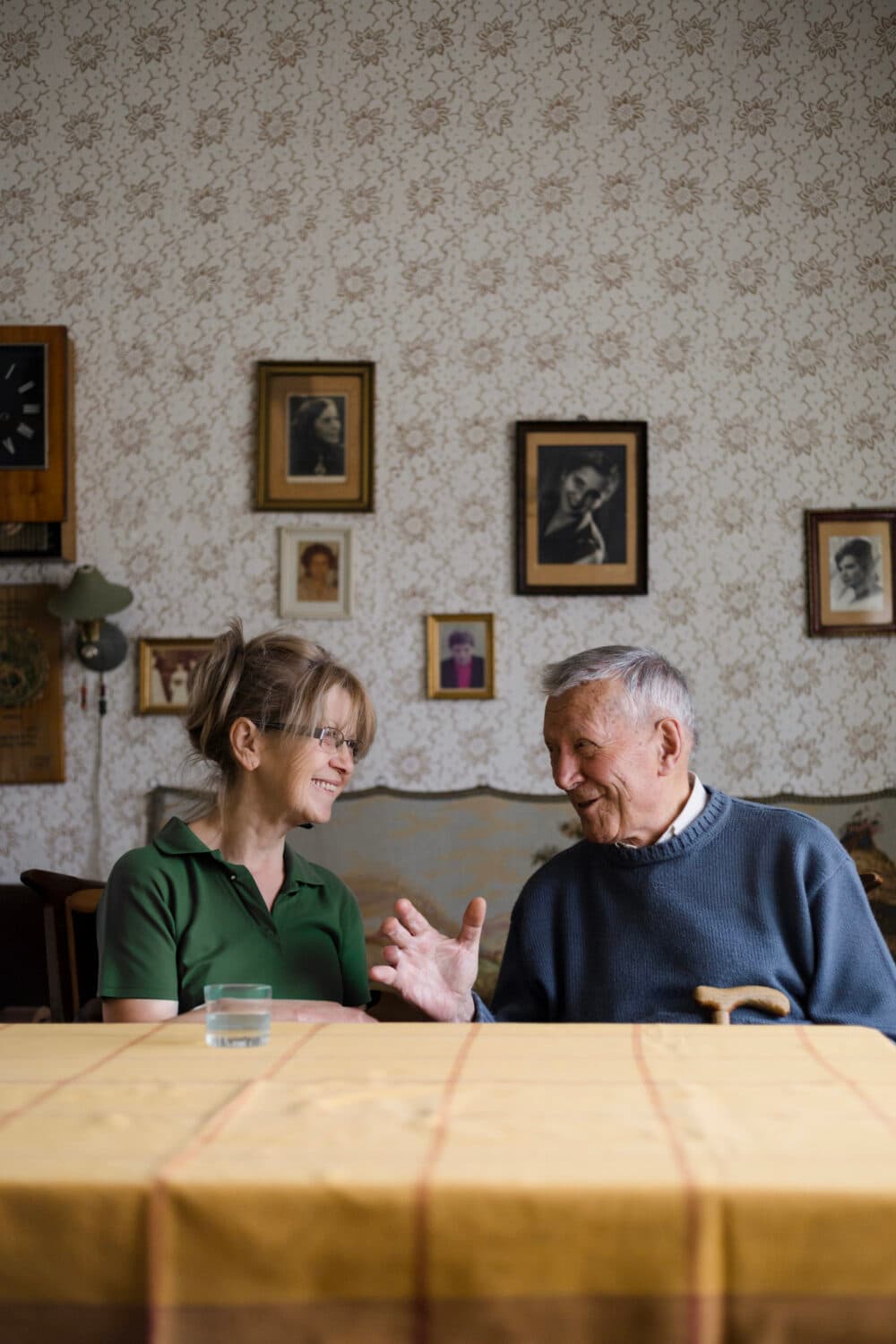
Creating a smoother transition from hospital to home
The journey from hospital to home can feel like a major step, especially for older adults and their families. But with the right support, it does not have to feel daunting.
Whether someone needs short-term recovery support, reablement care in Newport, or more ongoing home care after hospital discharge, compassionate help at home can make a real difference. It can support recovery, reduce stress, maintain dignity, and give families much-needed reassurance.
At Home Instead Newport, Cwmbran, and Chepstow, we are here to help older adults recover in the comfort of home with care that is flexible, trusted, and tailored to their needs. From discharge to assess to longer-term rehabilitation support at home, our team is committed to making the transition home safer and more comfortable.
If you are planning for a loved one’s return home and want dependable, high-quality hospital discharge support in Newport, Home Instead Newport is here to help. Our compassionate team can provide the practical and emotional support needed to turn a stressful discharge into a more confident recovery at home.
In those first few days after leaving hospital, the right care can change everything. And for families across Newport, Cwmbran, and Chepstow, Home Instead is proud to be that trusted support.