When Is It Time for Someone With Dementia to Move Into Care?
Are you wondering if it’s time for your loved one with dementia to move into a care home? You’re not alone and the answer isn’t always straightforward.
Supporting someone with dementia can be one of the most emotionally complex roles a person can take on. There’s no checklist or fixed timeline that applies to every family, but there are clear signs that can help you work out whether remaining at home is still working or whether a move to residential care may now be the safest and kindest option.
At Home Instead New Forest, we know this decision is never easy. This article aims to offer practical guidance and compassionate insight for families going through one of life’s toughest transitions.
Why Staying at Home Works for a While
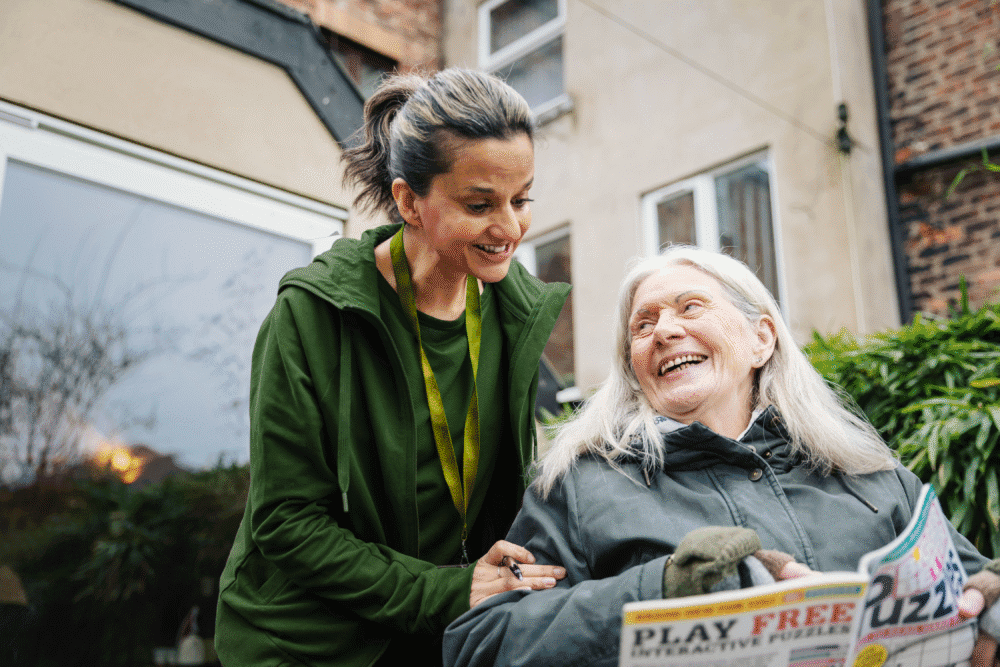
In the early stages of dementia, many people remain independent at home with the right support in place. Familiar surroundings and routines often bring a sense of calm, and help the person feel anchored in a world that is slowly becoming more confusing.
Family members often step in to help with meals, housework, medication, or companionship. And with support from professional carers, home adaptations, or personal assistants, many people with dementia can live comfortably for some time.
But dementia is a progressive condition. As needs increase, the ability to live safely and comfortably at home may start to fade.
Signs That Home May No Longer Be the Right Setting
There are often a number of practical and emotional indicators that a move into a care home should be considered. These may include:
Struggles With Daily Tasks
- Forgetting to eat or drink regularly
- Inability to manage hygiene routines
- Dressing inappropriately for the weather or situation
These may sound minor at first, but taken together, they can put a person’s wellbeing at serious risk.
Safety Concerns
- Repeated falls
- Forgetting to switch off the hob or leaving taps running
- Wandering outdoors and becoming disoriented
Such incidents can have life-altering consequences. If the person can no longer safely manage their environment, it may no longer be in their best interests to remain there.
Increasing Health Needs
Following hospital stays or periods of rapid deterioration, 24-hour care may become necessary—something that is difficult to provide at home, even with regular carer visits.
Behavioural Changes
- Aggression, anxiety, or constant repetition
- Night-time restlessness and disturbed sleep patterns
- Difficulty recognising familiar people or surroundings
These behaviours can be distressing both for the person with dementia and for those around them.
Family Carer Burnout
The person you care for isn’t the only one who matters. If your physical or emotional wellbeing is suffering, it may be time to ask what support is available—not only for them, but for you too.

Are There Alternatives to Moving Into a Care Home?
Before deciding on residential care, it’s worth assessing whether home-based support could still meet the person’s needs. Some options include:
- Live-in care, where a carer stays in the home day and night
- Regular home visits from trained carers to support with meals, medication, and personal care
- Personal assistants who offer companionship, support with outings, or help with hobbies
- Dementia-friendly adaptations, such as motion sensor lighting, easy-to-read clocks, or grab rails
- Respite services or day centres to offer carers regular breaks and give the person new social opportunities
Your local council can offer a free care needs assessment to help identify what support might be available, and whether funding help can be accessed. But if you’ve tried these routes and the situation still feels unsafe or unsustainable, residential care may be the next step.

What a Specialist Dementia Care Home Can Offer
When home is no longer the right place, moving to a specialist dementia care setting can provide:
24-Hour Support
Trained carers can help with washing, dressing, eating, and managing medication—all day and night.
Skilled and Understanding Staff
Teams are trained to respond with patience and empathy, understanding the emotional and behavioural challenges that come with dementia.
Safety by Design
Care homes are often designed with secure outdoor spaces, clear signage, and colour-coded environments to help reduce confusion and increase independence.
Structure and Routine
Familiar daily rhythms—meals, group activities, quiet time—can reduce anxiety and help maintain a sense of purpose.
Social Connection
Regular interaction, shared dining, music therapy, or sensory sessions can offer meaningful engagement and help prevent isolation.

If They Say No: What If the Person With Dementia Resists?
Fear of change is a common and valid reaction. If your loved one is reluctant, here are some supportive steps you can take:
- Involve a GP, dementia specialist, or social worker to help explain the decision
- Keep messages consistent among family members to avoid mixed signals
- Visit the care home together for short stays or tours to build familiarity
- Bring personal items like family photos, familiar bedding, or a favourite chair to make the new space feel more like home
If the person lacks capacity to make the decision themselves, any move must be made in their best interests, following the Mental Capacity Act.

Who Gets to Decide?
If your loved one still has mental capacity, they should be part of the decision as much as possible.
If they do not, then:
- A person holding Lasting Power of Attorney (Health and Welfare) has the legal authority to make decisions
- If no LPA is in place, a best-interest decision will be made by professionals such as doctors or social workers, in collaboration with family
The focus should always remain on what supports the individual’s dignity, safety, and emotional wellbeing.
What Kind of Care Setting Is Right?
Different care settings meet different needs. These include:
- Assisted living – for those needing occasional support
- Residential care homes – for 24-hour personal care but no medical support
- Nursing homes – with round-the-clock nursing for medical conditions
- Memory care units – specialist facilities for people with moderate to advanced dementia
- Continuing care communities – offering increasing levels of support in one location as needs change
Visit several homes, ask detailed questions, and don’t rush the decision. Organisations like the Alzheimer’s Society offer helpful checklists for assessing potential care providers.

Financial Matters
Costs can vary widely:
- Assisted living may start at £45,000 per year
- Nursing care may cost between £80,000 and £90,000 annually
- Private dementia care rooms may reach £100,000 or more
If the person’s assets fall below the financial threshold, they may be eligible for help from the local authority. Those with complex health needs might also qualify for NHS Continuing Healthcare funding. A financial assessment will clarify what’s available.
This Is a Big Step—and That’s Okay
You might feel sadness, guilt, or relief—or all three. Many carers find that moving their loved one into a care home brings back a sense of balance. Instead of being constantly exhausted or worried, they can focus on quality time again.
At Home Instead New Forest, we understand the emotional weight behind this decision. Whether you’re exploring live-in care or researching local dementia care homes, we’re here to support you with honest advice and professional guidance.
Still Not Sure What to Do?
At Home Instead New Forest, we understand that deciding when someone with dementia should move into care is never easy. It’s emotional, often overwhelming, and deeply personal.
If you’re unsure what the right next step looks like, you don’t have to work it out on your own. Our team offers compassionate, professional advice tailored to your family’s unique situation. Whether you’re exploring live-in care options, need help understanding what support is available, or simply want to talk through your concerns, we’re here to help.
We support families across the New Forest, including Lymington, Brockenhurst, Lyndhurst, Hythe, Totton, and the surrounding areas, offering bespoke care services that prioritise dignity, safety, and comfort at home—for as long as it’s right.
📞 Call us on 01590 637 250 or visit homeinstead.co.uk/new-forest to speak with our friendly, local team.
You don’t have to figure it all out by yourself. What matters most is that your loved one gets the care they need, in the setting that’s best for them. And we’ll be here to support you every step of the way.
Areas We Serve
Lymington, Brockenhurst, New Milton, Totton, Lyndhurst & the surrounding areas.
BH23 8, BH24 4, BH25 5, BH25 6, BH25 7, SO40 2, SO40 3, SO40 4, SO40 7, SO40 8, SO40 9, SO41 0, SO41 3, SO41 5, SO41 6, SO41 8, SO41 9, SO42 7, SO43 7, SO45 1, SO45 2, SO45 3, SO45 4, SO45 5, SO45 6
5 Rashley Mews, High St, Lymington SO41 9AR, UK
01590 637 250