What Is Carer’s Allowance for Dementia? Everything You Need to Know
Carer’s Allowance for dementia: who qualifies, pay rates, impact on benefits, and how to apply.

Do you spend 35 hours or more each week looking after someone with dementia without being paid?
If so, you’re not alone. Thousands of people across the UK take on unpaid caring responsibilities out of love, duty, or necessity. It’s a role that can be both emotionally exhausting and financially draining. At Home Instead New Forest, we regularly speak with families who’ve had to reduce work hours or even leave jobs entirely to support a loved one living with dementia.
While no benefit can truly compensate for the time and energy caring demands, Carer’s Allowance can offer some help. In this blog, we’ll explain how Carer’s Allowance works, who is eligible, how it fits in with other financial support, and what alternatives are available if you don’t qualify.
What Is Carer’s Allowance?
Carer’s Allowance is a government payment for people who provide 35 hours or more of unpaid care each week. The person you’re caring for must be receiving a qualifying disability benefit. The payment is currently £81.90 per week (2024/25), and it can be paid weekly or every four weeks.
You don’t need to live with the person you care for, and you don’t need to be related to them. The time spent helping can include:
- Personal care (washing, dressing, toileting)
- Cooking meals
- Giving medication
- Attending appointments
- Offering supervision and emotional support
Many family carers find they’re already doing far more than 35 hours a week without realising it.
Who Can Apply?
To claim Carer’s Allowance, there are specific eligibility rules for both the carer and the person being cared for.
You must:
- Be aged 16 or over
- Provide care for at least 35 hours each week
- Earn no more than £151 a week after tax, National Insurance, and certain expenses
- Not be in full-time education (defined as 21 hours or more per week)
- Live in England, Scotland or Wales (with some exceptions for armed forces families)
- Have lived in the UK for at least two of the past three years
Only one person can claim Carer’s Allowance for a particular individual. So even if several people are involved in caring for someone, only one carer can receive the payment.
The person you care for must receive one of these benefits:
- Attendance Allowance
- Disability Living Allowance (middle or highest care component)
- Personal Independence Payment (PIP – daily living part)
- Armed Forces Independence Payment
- Constant Attendance Allowance
- Adult Disability Payment (Scotland)
How Does It Affect Other Benefits?
Carer’s Allowance can sometimes have an effect on other benefits or income, so it’s worth checking the detail before applying. While it’s not means-tested, it is taxable and can change what you (or the person you care for) are eligible for.
Here’s how it might interact with other support:
- Universal Credit: Your Carer’s Allowance is deducted from Universal Credit payments. However, you may get a carer element added, which increases your entitlement.
- State Pension: You can’t be paid both a full State Pension and Carer’s Allowance. If your pension is more than £81.90 per week, you won’t receive Carer’s Allowance payments—but you might have what’s known as an “underlying entitlement,” which can still help with access to other benefits.
- Pension Credit: You may receive a carer addition.
- Severe Disability Premium: If you start claiming Carer’s Allowance, the person you care for may lose this premium.
- Housing Benefit and Council Tax Reduction: Carers may qualify for extra support if they receive or are entitled to Carer’s Allowance.
Because these rules can get complicated, we recommend speaking to Citizens Advice, Age UK, or Carers UK for tailored advice.
What If You’re Not Eligible?
If you care for someone with dementia for 20 hours or more each week but don’t qualify for Carer’s Allowance—perhaps because you earn slightly too much or are in education—you might still be eligible for Carer’s Credit.
This isn’t a payment, but it helps protect your State Pension entitlement by ensuring you don’t miss out on National Insurance contributions during the years you’re caring.

How to Apply
You can apply for Carer’s Allowance online via GOV.UK, or by using a paper form (DS700 or DS700(SP)).
For help, call the Carer’s Allowance Unit on 0800 731 0297.
Your claim can be backdated up to three months, as long as you met the criteria during that time.

What If Your Application Is Refused?
If your application is turned down, you can ask for a mandatory reconsideration. If this still doesn’t lead to approval, you can appeal to an independent tribunal.
Support through this process is available from Citizens Advice, Alzheimer’s Society, and Carers UK.
What Happens If Your Circumstances Change?
It’s very important to inform the Department for Work and Pensions (or relevant agency) if:
- Your earnings change
- You take a break from caring (for a holiday or illness)
- The person you care for enters hospital or a care home
- Their qualifying benefit stops
- Someone else takes over caring
Not reporting changes could result in overpayments, which may need to be paid back.

If You Live in Scotland
Scotland is in the process of replacing Carer’s Allowance with a new benefit called Carer Support Payment, administered by Social Security Scotland.
The eligibility rules and payment amount are currently similar to Carer’s Allowance, and existing recipients will have their claims transferred automatically.
Additionally, carers in Scotland may receive a Carer’s Allowance Supplement—an extra payment made twice a year to recognise the contribution of unpaid carers.
Other Financial Help for Dementia Carers
Caring for someone with dementia can be expensive, especially when you’re giving up work or cutting back hours. You may also be entitled to:
- Attendance Allowance (for the person you care for, if they’re over pension age)
- PIP (for those aged 16–66 with support needs)
- Pension Credit
- Council Tax Reduction
- VAT exemptions on mobility aids or home adaptations
Speak to your local authority or an adviser for a full check.
Discounts and Everyday Perks
As a carer, you may also qualify for:
- CEA Card: For free cinema tickets when accompanying the person you care for
- Attraction discounts: Including Chester Zoo, Legoland and more
- Local carer ID schemes: These may offer free or reduced-cost travel and shopping
Sites like Discounts for Carers or the Ode Card provide cashback and savings at high street retailers including Asda, Sainsbury’s, and Boots.
Carer Insurance
If you’re paid through direct payments or are self-employed, it may be worth looking into carer insurance. Providers such as Surewise offer public liability cover, legal expense cover, and accident protection for carers working in a personal or home-based capacity.
You’re Not Alone
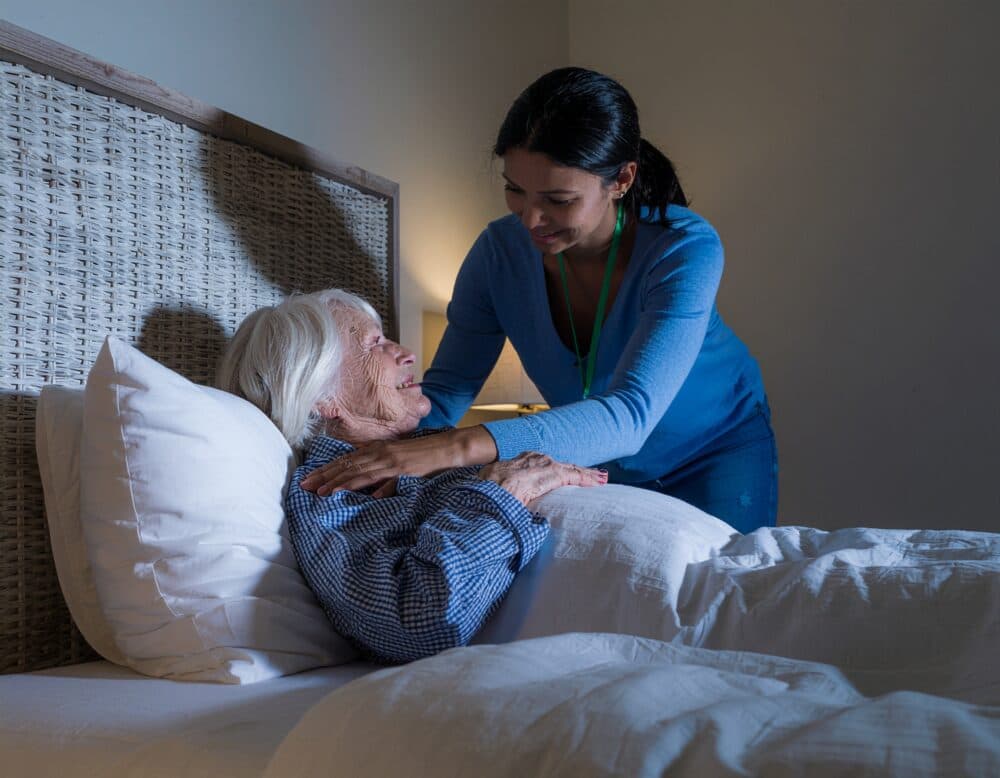
At Home Instead New Forest, we work closely with families supporting loved ones living with dementia every day. We understand how demanding and emotionally draining the role can be.
Support is available. Whether it’s through financial entitlements like Carer’s Allowance, practical advice, or simply someone to talk to, you do not have to manage everything on your own.
Here are a few places where you can get help:
- Dementia UK: Admiral Nurse Helpline – 0800 888 6678
- Alzheimer’s Society: Support groups, resources and dementia advisers
- Carers UK: Advice lines, forums and local links
- Your local authority: Carer assessments and respite services
Final Thoughts
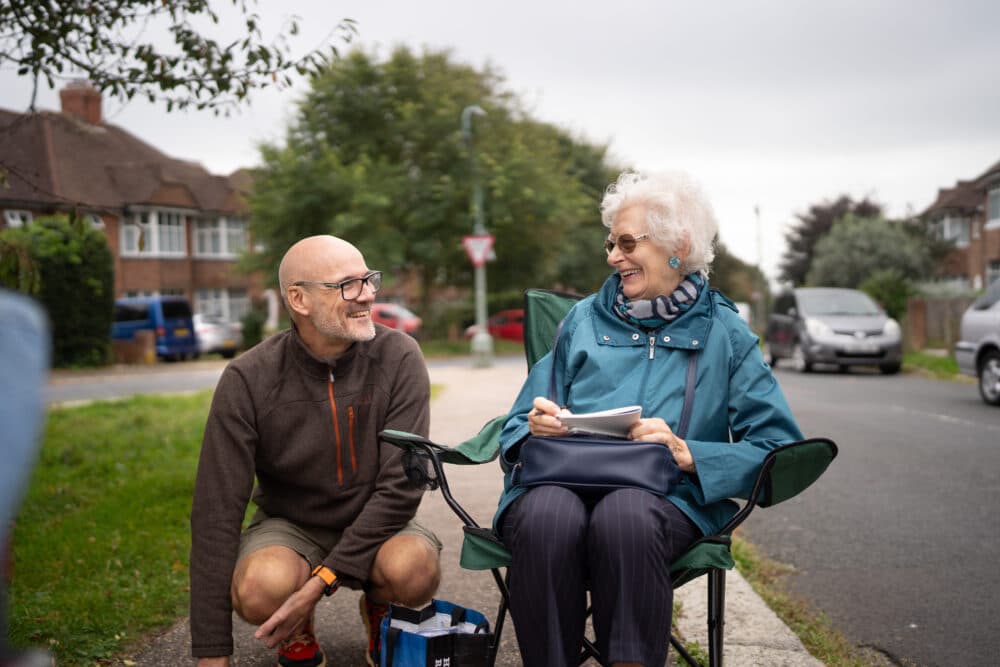
Being a carer for someone with dementia is never easy. The responsibility can be heavy, but financial support is available, and it’s important to know what you’re entitled to. Carer’s Allowance won’t solve every challenge, but it can offer a measure of support during difficult times.
At Home Instead New Forest, we’re here to help—whether that means pointing you in the direction of helpful resources, offering a break through home care, or just having a chat.
For more information, visit homeinstead.co.uk/New-Forest or give us a call. You don’t have to face it all alone.

Areas We Serve
Lymington, Brockenhurst, New Milton, Totton, Lyndhurst & the surrounding areas.
BH23 8, BH24 4, BH25 5, BH25 6, BH25 7, SO40 2, SO40 3, SO40 4, SO40 7, SO40 8, SO40 9, SO41 0, SO41 3, SO41 5, SO41 6, SO41 8, SO41 9, SO42 7, SO43 7, SO45 1, SO45 2, SO45 3, SO45 4, SO45 5, SO45 6
5 Rashley Mews, High St, Lymington SO41 9AR, UK
01590 637 250