Why One-to-One Support Can Make Communication Easier
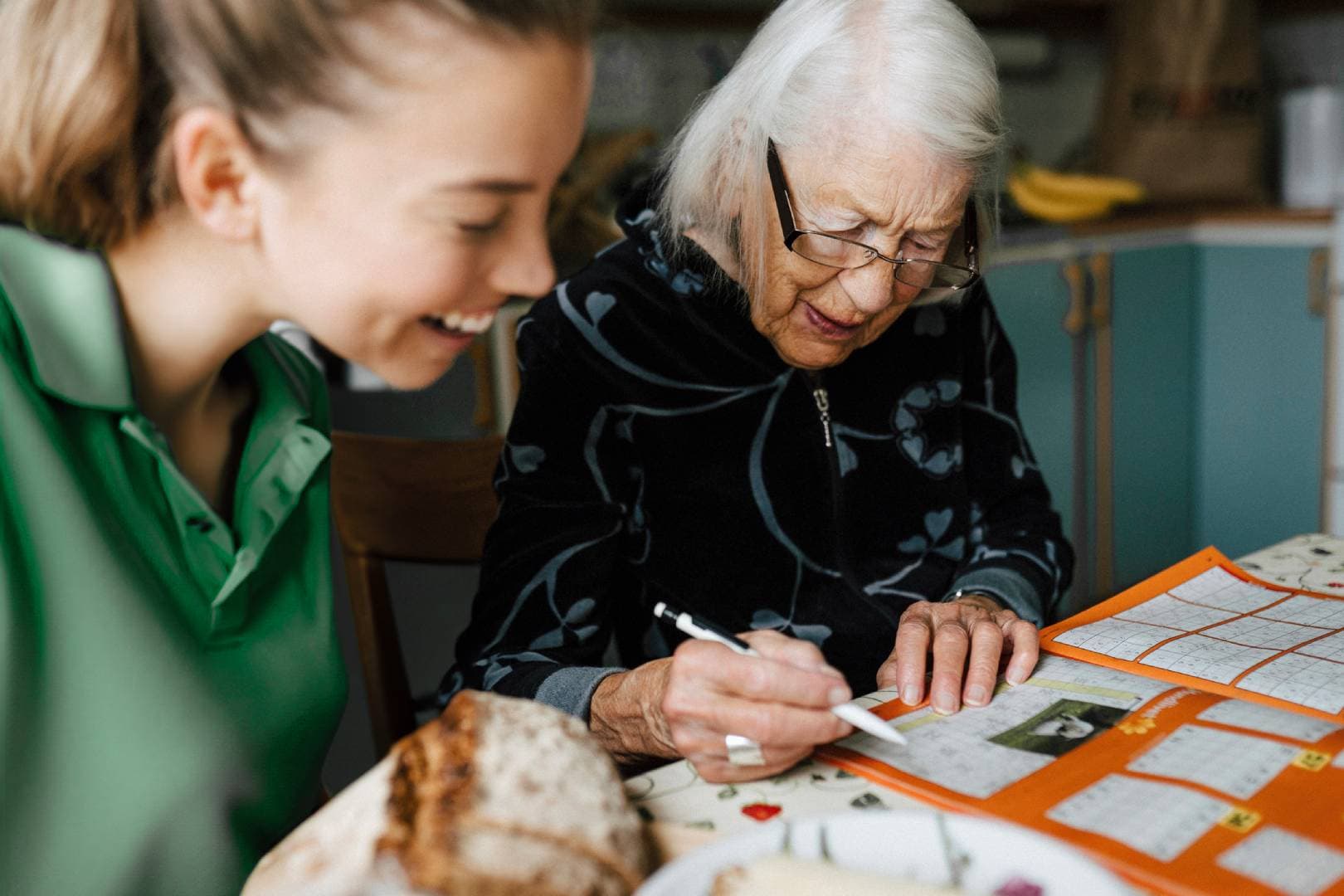
Good communication plays an important role in daily life. It helps people feel understood, reassured, and connected to those around them. As people grow older, or if they begin living with health conditions that affect speech, hearing, memory, or confidence, everyday conversations can sometimes become more difficult or tiring than they once were.
For many families across the New Forest area, live-in care can offer valuable reassurance because it provides consistent one-to-one support in familiar surroundings. Having the same trusted Care Professional nearby each day can make communication feel calmer, more natural, and less rushed.
At Home Instead New Forest, live-in care is centred around building genuine relationships, understanding personal routines, and supporting people in ways that help them feel comfortable and heard.
The Benefits of Familiar Faces and Consistent Support
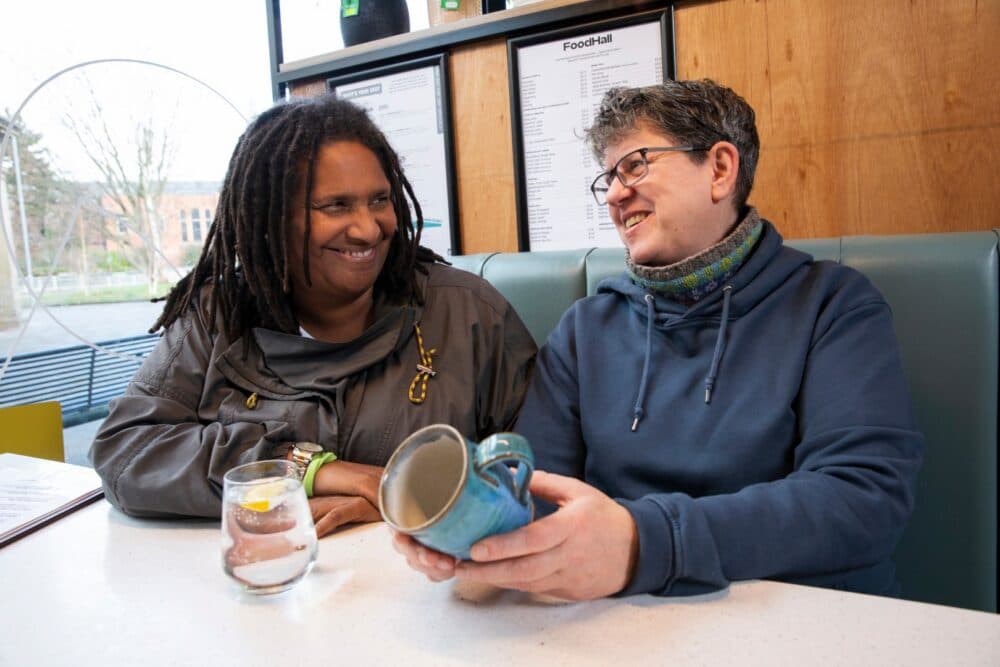
One of the biggest advantages of live-in care is consistency. Seeing the same person regularly allows trust to grow over time, which can make communication feel much easier and more relaxed.
When somebody receives support from a familiar Care Professional, they do not need to repeatedly explain preferences, routines, or concerns. Small details become understood naturally through everyday interaction. This can help reduce frustration and encourage more open conversation.
Consistency can be especially helpful for people who may:
- Feel anxious speaking with unfamiliar people
- Need more time to process information
- Experience memory changes
- Live with hearing loss
- Prefer quieter, one-to-one conversations
- Find busy environments overwhelming
Having support from someone who already understands their communication style can help create a calmer daily experience.
Taking Time to Listen Properly
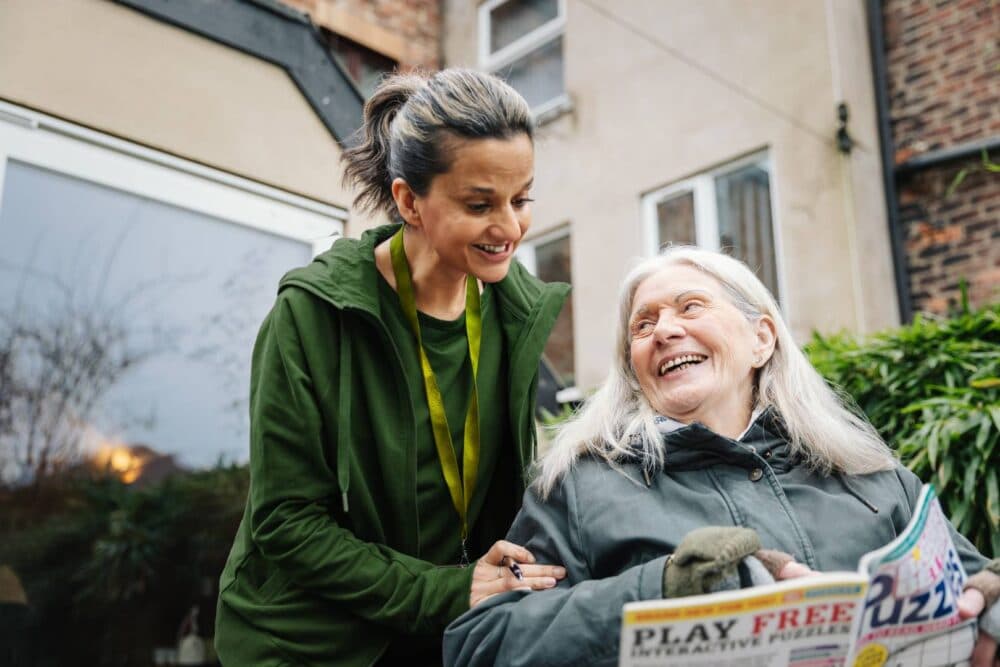
In busy environments, conversations can sometimes feel rushed. Live-in care offers a more personal approach, where there is time to listen carefully and communicate at a comfortable pace.
Simple things can make a real difference, such as:
- Speaking clearly and calmly
- Allowing extra time for responses
- Maintaining eye contact
- Reducing background noise
- Using reassuring body language
- Repeating information gently if needed
These small, thoughtful adjustments can help people feel more confident expressing themselves.
At Home Instead New Forest, Care Professionals understand that communication is not only about talking. It is also about listening, noticing changes, and understanding how somebody may be feeling even when words are difficult to find.

Supporting Communication for People Living With Dementia
For people living with dementia, communication can sometimes change over time. Someone may struggle to remember words, repeat questions, or lose track during conversations. This can feel upsetting for both the individual and their loved ones.
One-to-one live-in care provides continuity and familiarity, which can help conversations feel less confusing. A Care Professional who knows the person well can adapt their approach naturally and respond in ways that feel reassuring.
This might include:
Using familiar routines
Daily routines often provide comfort and structure. Familiar patterns can help conversations feel more predictable and manageable.
Encouraging relaxed conversation
Rather than correcting or rushing someone, gentle conversation and reassurance can help maintain confidence and dignity.
Sharing meaningful activities
Looking through photographs, enjoying favourite music, or talking about local memories around the New Forest can encourage natural conversation and connection.
The aim is always to help people feel valued, included, and comfortable in their own home.
Communication Is About More Than Words
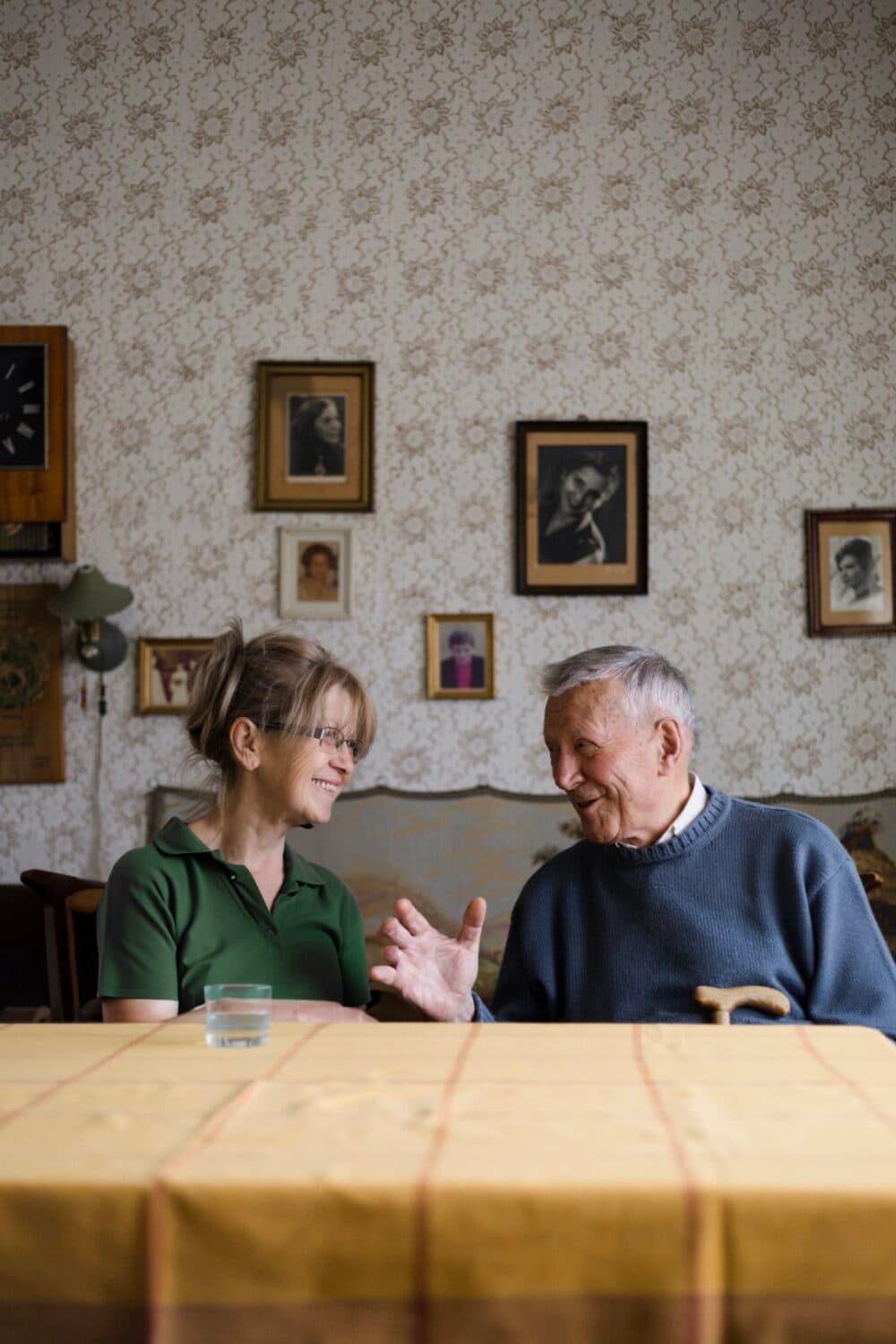
Not all communication happens verbally. Facial expressions, gestures, routines, and behaviour can all provide important insight into how somebody is feeling.
A live-in Care Professional who spends consistent time with one person often becomes more aware of subtle changes, such as:
- Signs of discomfort
- Changes in mood
- Reduced confidence
- Increased confusion
- Withdrawal from conversation
Recognising these changes early can help families feel reassured that their loved one’s wellbeing is being closely supported.
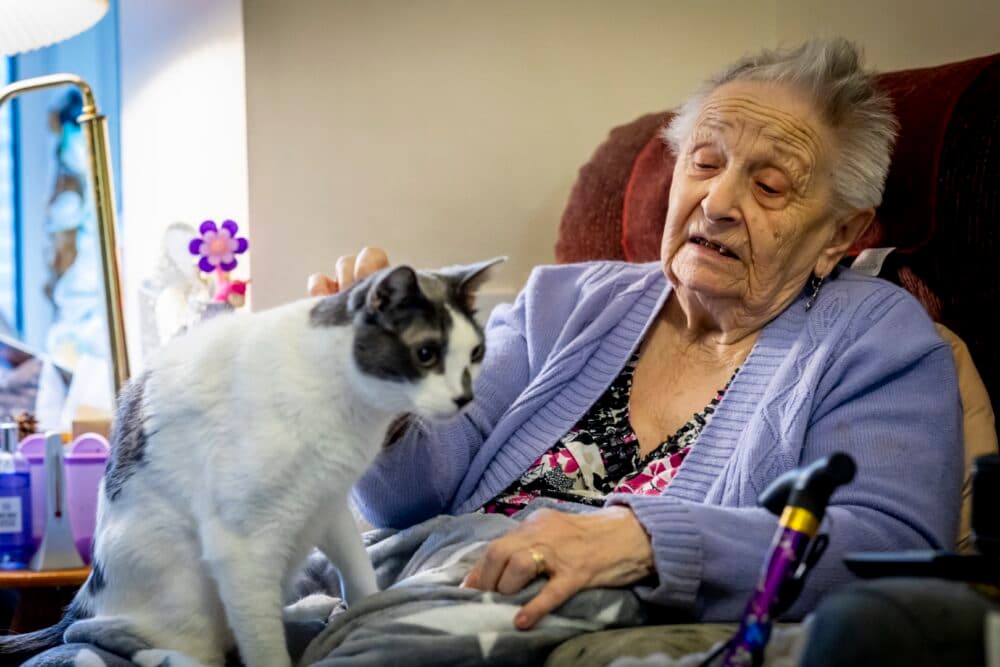
Helping Families Stay Connected
Good communication also supports family relationships. When somebody feels comfortable and confident at home, it can become easier to maintain meaningful connections with loved ones.
Live-in care can help support family communication by:
- Encouraging regular conversations and visits
- Assisting with video calls or phone calls
- Helping reduce stress and tiredness
- Providing reassurance to family members
- Supporting social routines and hobbies
Families often say that having reliable support in place allows them to focus more on enjoying time together rather than worrying about day-to-day practical tasks.
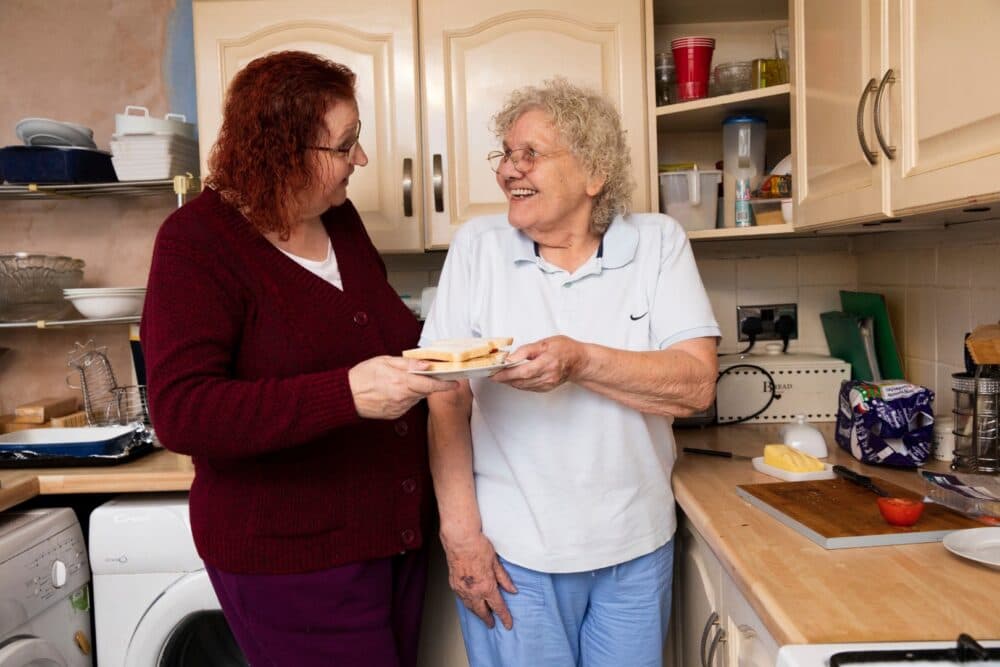
Remaining Comfortable in Familiar Surroundings
Being at home can make communication easier in many situations. Familiar surroundings often help people feel more relaxed and secure.
Recognisable environments can support:
- Daily confidence
- Orientation and memory
- Established routines
- Social connections within the local community
- Greater independence
For many people in areas such as Lymington, Hythe, Lyndhurst, and Brockenhurst, remaining close to familiar places and neighbours provides important emotional comfort.
Live-in care allows people to continue enjoying the routines and surroundings that matter most to them while receiving personalised support.
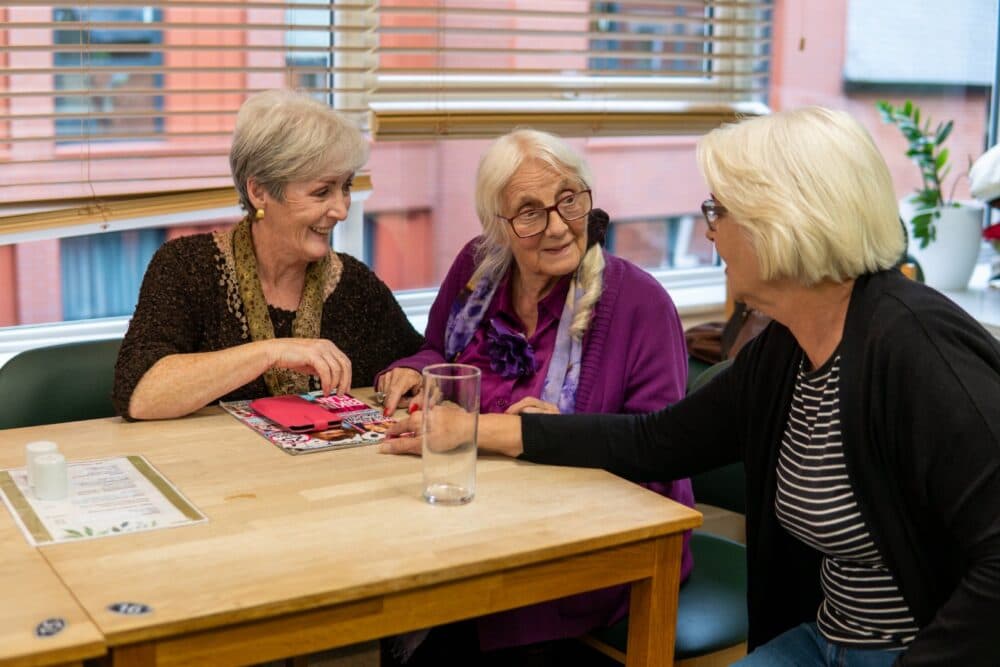
Building Genuine Companionship
Communication becomes easier when there is trust and companionship. Over time, many clients develop warm and meaningful relationships with their Care Professionals.
Simple shared moments can become an important part of daily wellbeing, including:
- Sharing meals together
- Enjoying hobbies
- Going for gentle walks
- Watching favourite programmes
- Talking about family memories
- Visiting familiar local places
These everyday interactions help reduce loneliness and encourage natural conversation throughout the day.

Your Local Home Instead Team
At Home Instead New Forest, we provide personalised live-in care designed around each person’s individual needs, routines, and preferences. Our local team understands the importance of compassionate communication and consistent support at home.
Home Instead office name:
Home Instead New Forest
Office phone number:
01590 637 250
Office website URL:
https://www.homeinstead.co.uk/new-forest/
Google Business Profile link:
https://maps.app.goo.gl/65ozTYqv5JNxyM2u9
Areas covered:
Barton on Sea, Hythe, Brockenhurst, Beaulieu, Lyndhurst, Lymington, New Milton, Milford on Sea, Marchwood, Totton
Postcodes served:
BH23 8, BH24 4, BH25 5, BH25 6, BH25 7, SO40 2, SO40 3, SO40 4, SO40 7, SO40 8, SO40 9, SO41 0, SO41 3, SO41 5, SO41 6, SO41 8, SO41 9, SO42 7, SO43 7, SO45 1, SO45 2, SO45 3, SO45 4, SO45 5, SO45 6
If you would like to learn more about live-in care in the New Forest area, our friendly local team is here to answer questions and provide guidance in a calm and supportive way.
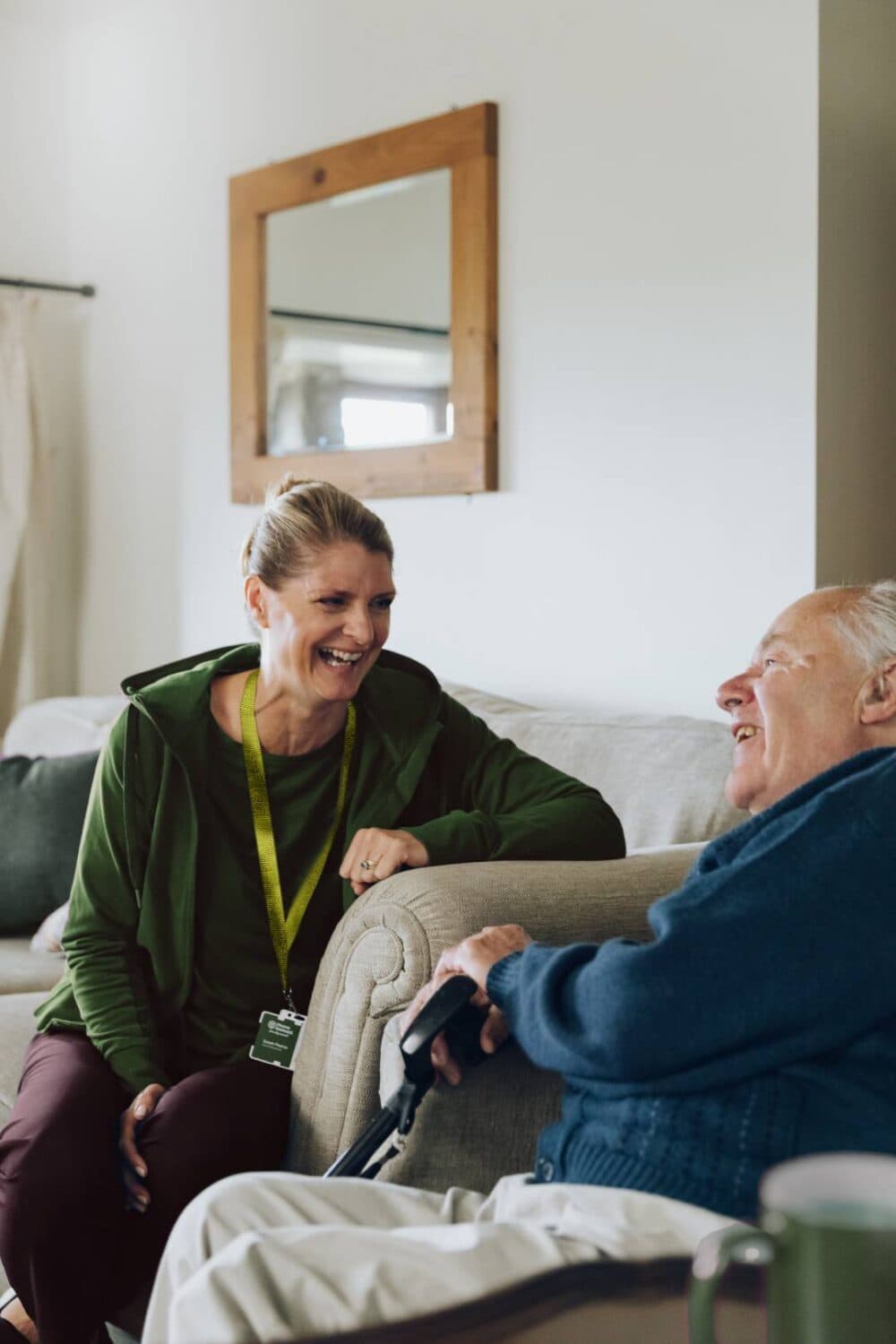
Ratings and Compliance
Home Instead New Forest is committed to providing high-quality home care with professionalism, compassion, and respect.
Homecare.co.uk rating:
[INSERT HOMECARE.CO.UK RATING]
Profile link:
https://www.homecare.co.uk/homecare/agency.cfm/id/65432244918
CQC rating:
Good
CQC report link:
https://www.cqc.org.uk/location/1-11830388520
To find out more about live-in care and how one-to-one support may help communication feel easier and more reassuring, you can explore the Home Instead New Forest live-in care page or contact the local office for friendly advice.

How can we help?
We've helped thousands of families to stay safe, comfortable and happy at home. Whatever situation you're facing, or whatever the question is, Home Instead is here to help.
Are you in need of a little guidance right away?
Other non-care-related enquiries