Is Dementia Getting Worse? How to Recognise the Signs and What to Do Next

Have you noticed a loved one with dementia suddenly sleeping more, speaking less, or struggling to eat? When you’re caring for someone with dementia, it’s not always easy to tell if you’re seeing a natural part of their condition—or something more serious.
At Home Instead New Forest, we understand how overwhelming and emotional this time can be. Knowing what signs to look out for, and when to seek help, can make a significant difference in how you support someone through the later stages of dementia. This post will help you recognise what may indicate progression, what may be reversible, and how to plan for care with confidence and compassion.

The Nature of Dementia: Why Change Happens
Dementia is a progressive condition. That means symptoms tend to worsen over time, although not always in a straight line. Your loved one might stay stable for months or even years, then suddenly change.
All types of dementia—including Alzheimer’s, vascular dementia, dementia with Lewy bodies, and frontotemporal dementia—follow a similar journey of gradual cognitive decline. But it’s in the late stage that the physical and emotional challenges often become most intense.

What Are the Signs That Dementia Is Getting Worse?
Some changes are expected as dementia advances. If you’re seeing the following signs, it may indicate that your loved one has entered the later stages:
- Speech is limited to single words or short phrases that may not make sense
- Understanding becomes minimal, even with simple conversations
- Daily activities require full support, including dressing, bathing, or eating
- Eating habits change, with reduced appetite and difficulty swallowing
- Bowel and bladder incontinence becomes more common
- Longer sleep periods and less interaction
- Immobility or being bedbound
These symptoms show that the person is becoming more physically vulnerable, even if they are not necessarily nearing the end of life.
Is It Late-Stage Dementia Or Something Else?
Not all sudden changes mean dementia has progressed. If your loved one is suddenly confused, drowsy, or withdrawn, it could be due to another medical issue that can be treated. Here are common causes of rapid deterioration:
1. Delirium
Delirium is a medical emergency. It causes sudden confusion, disorientation, and sometimes agitation. Often triggered by infections (like UTIs), dehydration, pain, or medication changes, delirium can mimic late-stage dementia—but it is often reversible with prompt treatment.
2. Stroke or Head Injury
A fall or a stroke can cause abrupt changes in mobility, speech, or awareness. If this is suspected, seek emergency care immediately.
3. Medication Reactions
Older adults are more sensitive to medication changes. A new drug, an incorrect dose, or a reaction between medications can cause confusion or sedation. Always report any sudden symptoms to your GP or pharmacist.
4. Other Health Conditions
Issues like poorly controlled diabetes, kidney disease, or vitamin deficiencies can affect thinking and behaviour. Addressing the underlying issue may improve symptoms.
5. Changes in Environment
A hospital stay or moving to a care home can be disorienting. Familiar routines matter, and sudden changes can cause distress or confusion.

Recognising When the End May Be Near
It’s one of the hardest questions a carer or family member may face: is this the end? Dementia does not follow a neat timeline, but certain signs can suggest that a person may be approaching the final weeks or days:
- Rapid decline over days or weeks
- Sleeping for long stretches and being unresponsive
- Irregular or chesty breathing
- Inability to eat or swallow
- Cold hands and feet
- Restlessness or agitation
- Withdrawing from surroundings
These changes may not mean death is imminent, but they often signal that the person is nearing the final phase. Comfort, peace, and pain relief become the priority.

What You Can Do: When to Seek Help
If your loved one shows sudden or worrying changes, don’t wait. Speak to a GP, neurologist, or dementia specialist. You may be advised to:
- Arrange blood tests
- Review current medication
- Request brain imaging
- Complete a cognitive or functional assessment
- Reassess their care plan
Keep a diary of symptoms—it can help healthcare professionals spot patterns and identify causes.

Planning for Later Stages of Dementia
Facing the later stages of dementia means more decisions may need to be made about care, comfort, and dignity. It’s helpful to plan ahead, while the person can still express their wishes.
Consider:
- Advance statements about preferences for care
- Advance decisions to refuse treatment (previously known as living wills)
- Lasting Power of Attorney for health and welfare decisions
Even in advanced dementia, some people may live for many months. Support should focus on dignity, comfort, and what matters to them.
Where Should Care Take Place?
The right care setting can make a meaningful difference. Choices may include:
Home Care
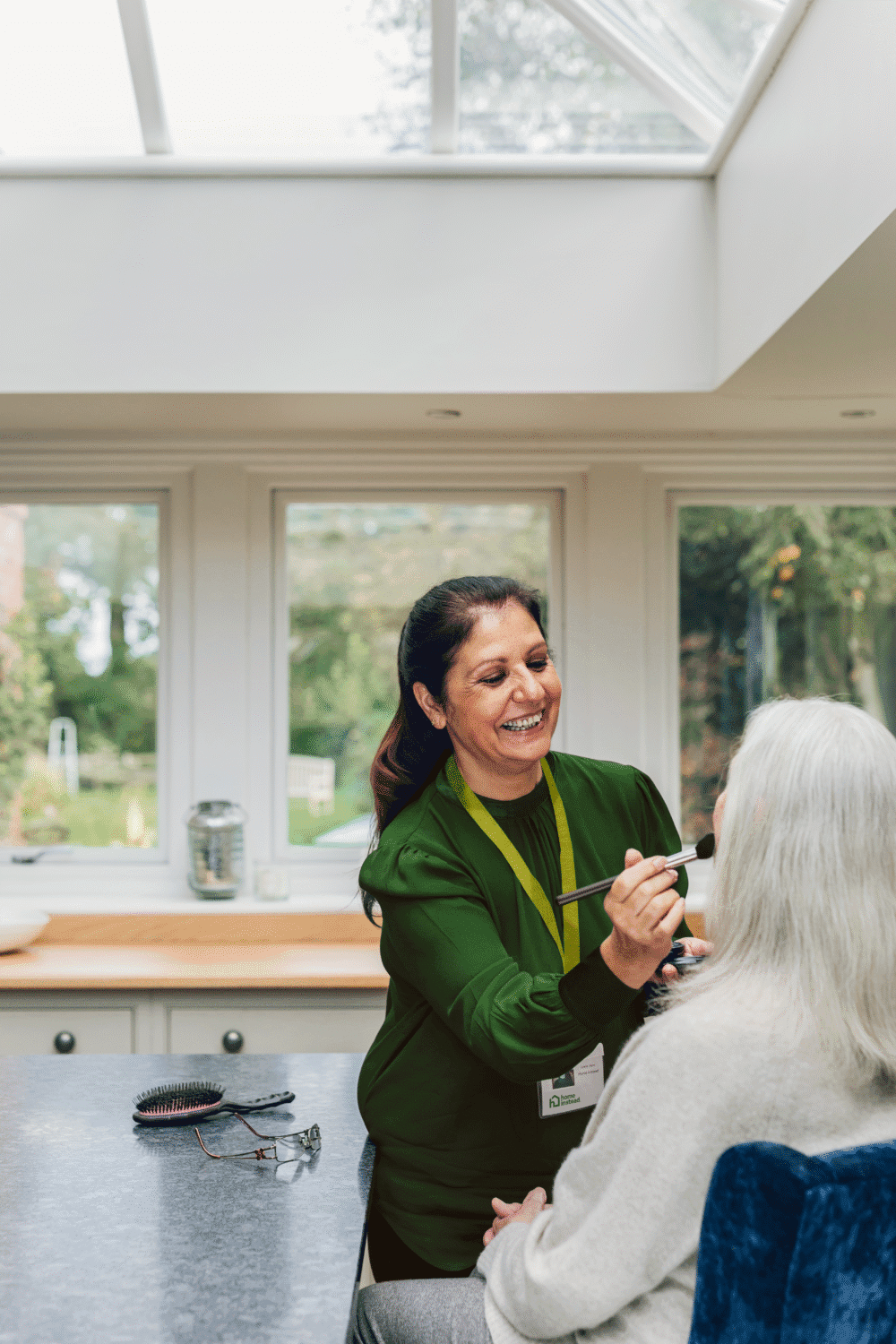
Remaining at home with support can provide comfort and familiarity. At Home Instead New Forest, our trained Care Professionals offer personalised dementia care to suit the individual’s needs.
Residential or Nursing Homes
These provide round-the-clock support for those who need continuous supervision and medical attention.
Hospices
Specialised in end-of-life support, hospices focus on comfort and palliative care.
Hospitals
While necessary during emergencies, hospital stays can be stressful for people with dementia. If a hospital admission occurs, make sure staff are aware of the person’s condition and routines.
How to Provide Comfort and Compassionate Care
During late-stage dementia, care often centres around helping the person feel safe and soothed. This includes:
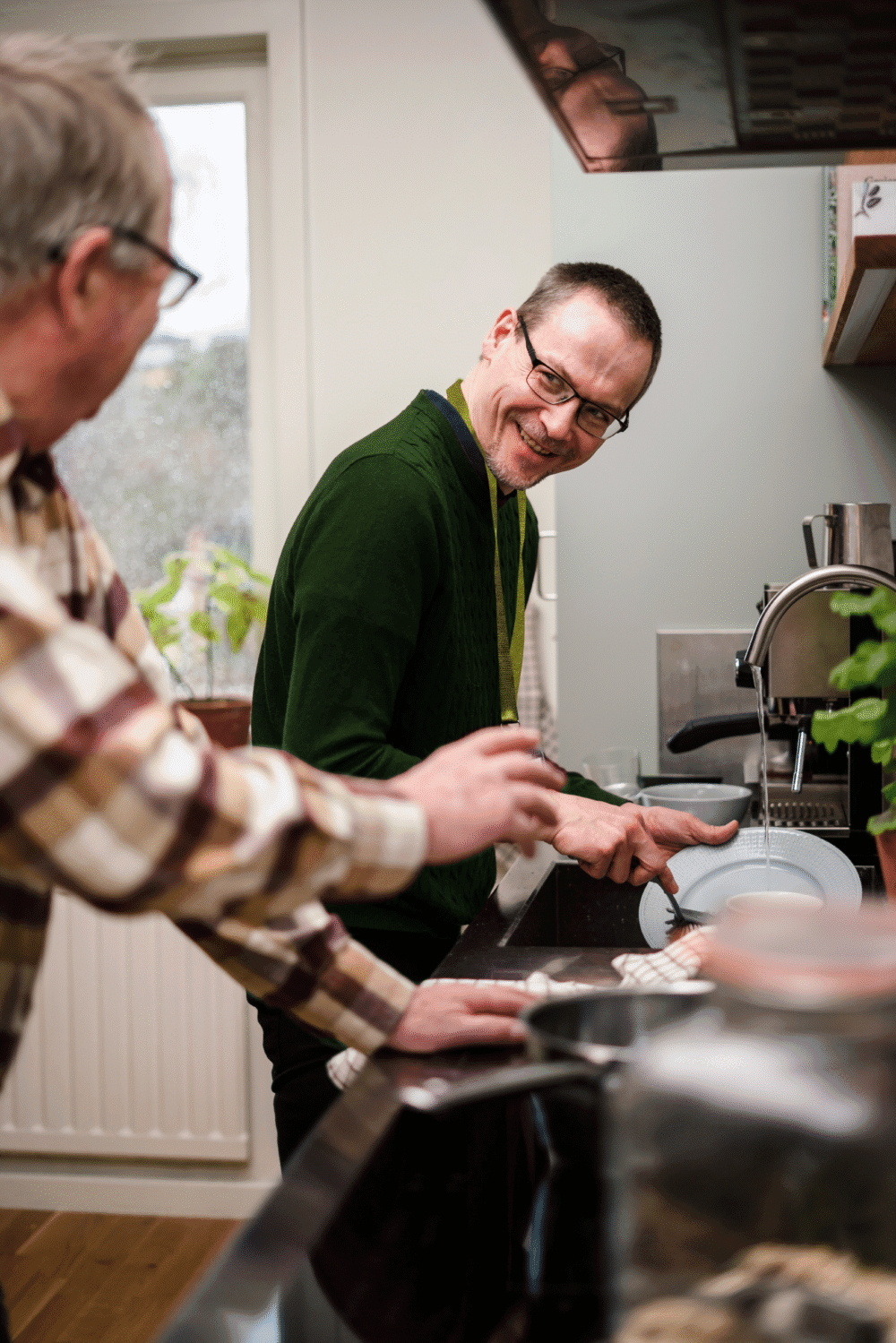
- Assisting with washing, dressing, eating, and changing position
- Watching for infections or signs of pain
- Using medication to ease discomfort or agitation
- Providing familiar music, voices, and gentle touch
- Creating a calm, low-stimulus environment
Even when a person is unable to respond, they may still hear your voice, recognise familiar sounds, or respond to a caring presence.

Looking After Yourself as a Carer
Caring for someone with dementia in its final stages can take a toll. You may be dealing with:
- Sleep disruption
- Grief, even before death
- Physical and emotional exhaustion
- Feeling isolated or unsure what to do next
You are not alone. Support is available through:
- Alzheimer’s Society Dementia Support Line: 0333 150 3456
- Dementia Support Forum: A space for carers to connect and share
- Counselling and respite care options via your GP or local services
Taking care of your own wellbeing allows you to continue caring with love and patience.
Staying Safe When Researching Support
Be cautious when looking for help online. Some websites may collect your data, including health information and location. When signing up for support:
- Use well-known platforms like Alzheimer’s Society
- Check privacy policies
- Adjust cookie settings where possible
Your privacy matters, especially when you’re searching for sensitive topics.

Final Thoughts
Changes in dementia can feel sudden, confusing, or frightening. Whether the person you care for is experiencing a temporary setback or approaching the end of life, knowing the signs and understanding your options allows you to respond with care and confidence.
At Home Instead New Forest, we’re here to support you every step of the way. From personalised home care to guidance on advanced planning, we’re committed to helping families navigate these moments with compassion, dignity, and reassurance.
📞 If you’d like to talk to someone about dementia care in the New Forest area, please don’t hesitate to reach out to our friendly team at Home Instead New Forest.
Areas We Serve
Lymington, Brockenhurst, New Milton, Totton, Lyndhurst & the surrounding areas.
BH23 8, BH24 4, BH25 5, BH25 6, BH25 7, SO40 2, SO40 3, SO40 4, SO40 7, SO40 8, SO40 9, SO41 0, SO41 3, SO41 5, SO41 6, SO41 8, SO41 9, SO42 7, SO43 7, SO45 1, SO45 2, SO45 3, SO45 4, SO45 5, SO45 6
5 Rashley Mews, High St, Lymington SO41 9AR, UK
01590 637 250