Are You Caring for Someone with Dementia in the New Forest? Here's What You Need to Know
Supportive dementia care tips for New Forest families: routines, safety, behaviour and where to get help.

Caring for someone with dementia in the New Forest can feel like a journey filled with uncertainty, love, and learning. You may be wondering how to support your loved one while also looking after yourself—and the truth is, both matter equally. With Dementia Action Week taking place from 19–25 May 2025, it’s the perfect time to reflect on what makes a difference in dementia care: gentle routines, thoughtful communication, and compassionate support. At Home Instead New Forest, we’re here to share practical advice and local insight to help you navigate each stage of this journey—without losing yourself along the way.
In this blog, we’ll guide you through key areas of dementia care, including daily routines, communication tips, responding to behavioural changes, and where to find support—locally and beyond.

What is Dementia?
Dementia isn’t one single illness. It’s a broad term that includes several conditions such as Alzheimer’s disease, vascular dementia, and Lewy body dementia. These conditions affect memory, thinking, communication, and behaviour, and gradually alter how a person engages with their surroundings.
For families, the changes can be emotionally challenging, especially when you’re unsure how to respond. That’s why education and daily strategies are so valuable. They can help you maintain a sense of control and provide better care.

What’s Happening for Dementia Action Week 2025?
At Home Instead New Forest, we are proud to support local families during Dementia Action Week (19–25 May 2025) by offering a range of informative and community-focused initiatives. Whether you’re caring for a loved one or simply want to understand more, we’re here to help.
To learn more about what we’re doing this May, or to get involved, please get in touch—we’d love to hear from you.

Supporting Daily Life: Gentle Routines and Respectful Help
As dementia progresses, your loved one may struggle with daily activities like bathing, eating, and dressing. You can make these tasks easier and more dignified by establishing a regular routine.
- Create structure: Aim to keep meals, showers, and bedtime at consistent times each day.
- Promote independence: Choose clothing with easy fastenings and offer assistance only when needed.
- Support with care: Speak clearly and guide them through tasks, step by step, always respecting their personal space.
- Help with mealtimes: Serve food in a calm setting. Provide choices and allow extra time so they feel involved, not rushed.

Communicating with Kindness and Clarity
Communication can become one of the greatest frustrations—for both the carer and the person with dementia. But by adjusting your approach, you can help reduce confusion and encourage better interaction.
10 Communication Tips for Dementia Caregivers:
- Keep a calm tone and use reassuring facial expressions.
- Eliminate distractions and maintain eye contact.
- Speak in short, clear sentences.
- Offer yes/no questions or two simple choices.
- Watch for non-verbal signs like facial cues and body language.
- Break tasks into small, manageable steps.
- Avoid arguments; gently redirect the conversation.
- Use comforting words or a soothing touch.
- Talk about long-term memories—they often remain intact.
10. Use humour carefully and kindly, never at their expense.

Understanding Behavioural Changes
Dementia-related behaviours—such as agitation, wandering, or paranoia—can be unsettling. But these actions usually have a root cause, whether it’s fear, confusion, discomfort, or boredom.
Here’s how to respond with insight and care:
- Wandering: Offer gentle walks and structured activity. Secure doors and exits safely and consider GPS tracking for safety.
- Incontinence: Set toilet reminders, label bathrooms, and choose appropriate hygiene products.
- Agitation: Stick to familiar routines, reduce noise, and avoid arguments. Calm music can often help.
- Repetition: Provide reassurance or redirect their attention with a simple task or snack.
- Feelings of Suspicion: Avoid correcting them. Acknowledge their feelings and help them feel secure.
- Sundowning: Limit caffeine, keep lighting soft in the evening, and stick to a soothing bedtime routine.

Keeping Minds and Bodies Engaged
Activity is still important—even as dementia progresses. Gentle, familiar tasks can help reduce restlessness and bring moments of joy.
Ideas for Meaningful Activities:
- Outside: Enjoy short walks, feed birds, garden, or share a picnic in the garden.
- Inside: Listen to music, bake simple recipes, play cards, or look through photo albums.
- Chores: Involve them in light tasks such as folding laundry or setting the table.
- Celebrations: Decorate together for holidays or prepare traditional dishes.
Match activities to their abilities, and don’t be discouraged if something doesn’t work—try again with something different.

Home Safety: Small Changes Make a Big Difference
A dementia-friendly environment helps reduce confusion and prevent accidents. With a few simple changes, you can create a space that’s both comforting and safe.
- Add handrails and non-slip mats, especially in the bathroom.
- Keep walkways clear of rugs, wires, or furniture.
- Lock away potentially dangerous items such as cleaning supplies or sharp objects.
- Use consistent, soft lighting to reduce shadows and confusion.
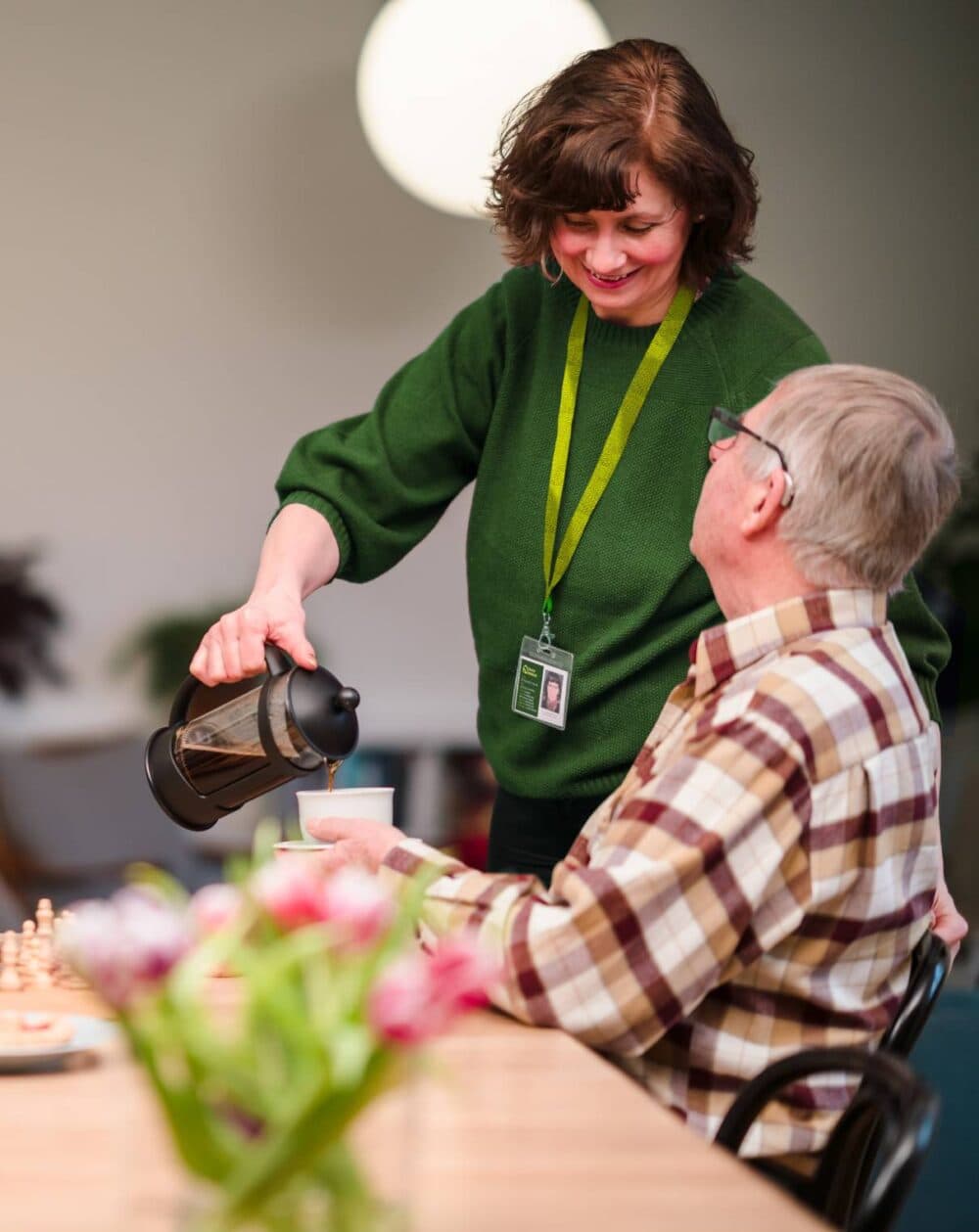
Don’t Forget About Yourself
Many carers put their own needs last. But your wellbeing matters too. Caring for someone with dementia is physically and emotionally demanding. Prioritising self-care helps you stay strong, resilient, and able to continue your support.
Take Care of Yourself By:
- Asking for help—from friends, neighbours, or local services like Home Instead New Forest.
- Taking short breaks whenever you can.
- Eating regular meals, getting rest, and moving your body.
- Talking openly with someone you trust or joining a support group.
- Practising breathing exercises or mindfulness to reduce stress.

Planning for Tomorrow
Forward planning removes uncertainty and helps families feel more in control.
- Legal preparations: Set up power of attorney and review any necessary legal documentation.
- Healthcare discussions: Talk early about future care preferences with your loved one.
- Financial arrangements: Simplify finances and set up protections against scams.
- Explore care options: Learn about home care, respite support, and local dementia-friendly services.

Understanding the Progression of Dementia
Being aware of what to expect can help families make better decisions:
Early Stage:
- Diagnosis and adjustment
- Encouraging independence
- Open discussions about future plans
Middle Stage:
- More hands-on support is needed
- Increased behavioural symptoms
- Daily routines and structured activities become essential
Late Stage:
- Full-time care may be required
- Palliative support or hospice care may become appropriate
- Comfort-focused care such as music and touch provide emotional connection

New Support Approaches: The GUIDE Model
Launched nationally in 2024, the GUIDE Model offers consistent and compassionate support for families and individuals living with dementia. It includes:
- A 24/7 support line for carers
- Financial assistance for respite breaks
- Specialised carer training and support for underserved communities
This approach helps people stay in their own homes for longer and ensures carers aren’t left to cope on their own.

Professional Help Matters
Specialist support from professionals such as geropsychologists or dementia care coordinators can share the responsibility. Evidence-based therapies like CBT and ACT have been shown to support both carers and those with dementia.
Home Instead New Forest also works with trained dementia care teams who understand the emotional and practical needs of every family.

Respecting Culture and Identity
Every person’s background matters. Dementia care should reflect the individual’s culture, language, and values. Whether it’s choosing familiar meals, music, or communication styles, it’s important to maintain dignity and respect throughout every stage of care.

Final Thoughts: You're Not Alone
Caring for a loved one with dementia can feel overwhelming. But moments of connection—through a shared song, a held hand, or a quiet conversation—can make each day meaningful.
If you’re in the New Forest and caring for someone with dementia, Home Instead is here to support you. We offer personalised home care, respite services, and compassionate guidance tailored to your situation.
You don’t have to navigate this journey alone.
Support Contacts
- Alzheimer’s Society UK: 0300 222 1122
- Home Instead New Forest: Visit Website
- Dementia UK Admiral Nurse Helpline: 0800 888 6678
For more advice or to speak to a member of our team, contact Home Instead New Forest today. Let us help you provide care that feels like home.

Areas We Serve
Lymington, Brockenhurst, New Milton, Totton, Lyndhurst & the surrounding areas.
BH23 8, BH24 4, BH25 5, BH25 6, BH25 7, SO40 2, SO40 3, SO40 4, SO40 7, SO40 8, SO40 9, SO41 0, SO41 3, SO41 5, SO41 6, SO41 8, SO41 9, SO42 7, SO43 7, SO45 1, SO45 2, SO45 3, SO45 4, SO45 5, SO45 6
5 Rashley Mews, High St, Lymington SO41 9AR, UK
01590 637 250