Grantham
We provide care in Grantham , Denton , Stamford , Sleaford , Bourne
Discover more
Palliative Care in Lincolnshire supports people who wish to remain at home during this stage of life. Across the county’s rural villages, market towns and coastal communities, Home Instead offers practical help and a calm presence shaped around each person’s needs and wishes. Our Care Professionals focus on everyday tasks, clear communication and respectful assistance so families feel reassured that palliative care is being managed thoughtfully and safely each day.
Enquire Now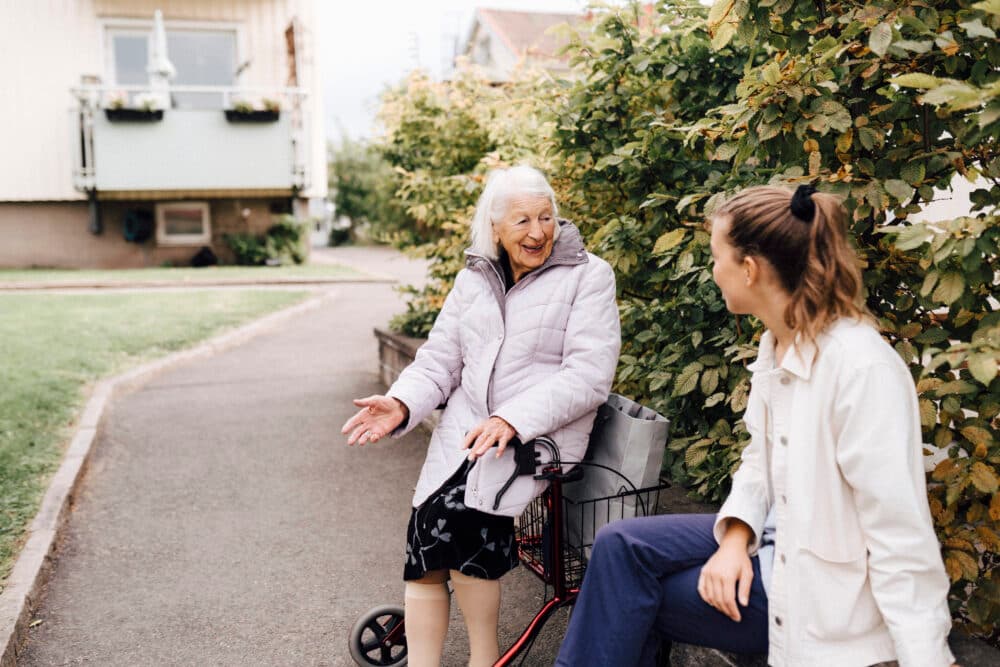
In Lincolnshire, people draw reassurance from different aspects of daily life, and these differences guide how we offer palliative care. Some individuals appreciate having someone nearby who can talk through the day or bring a sense of normality. Others value quiet, predictable moments without conversation.
Many people have long-established ways of organising their day or meaningful personal, cultural or spiritual practices that shape how they want to be supported. We take time to understand these details before planning care.
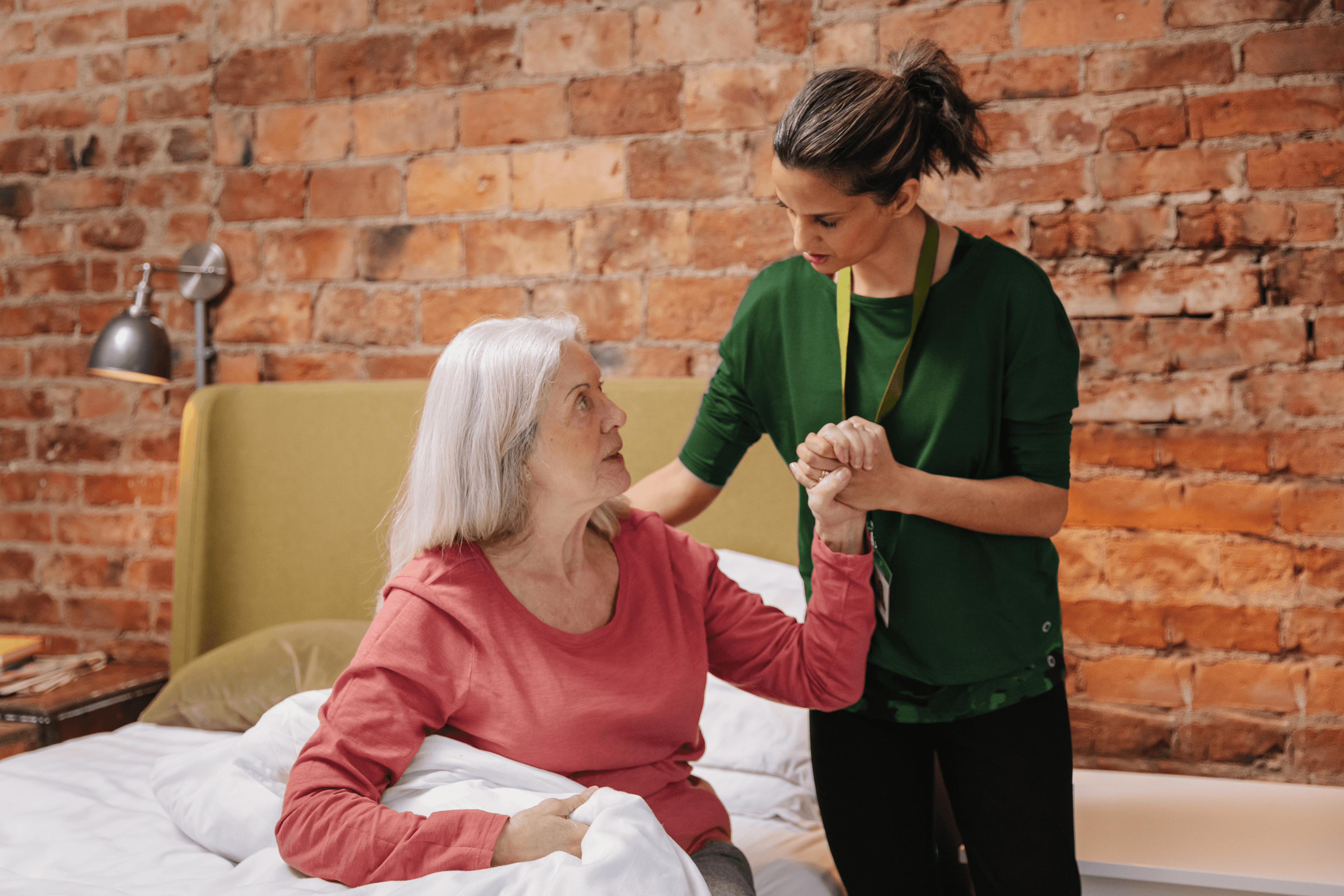
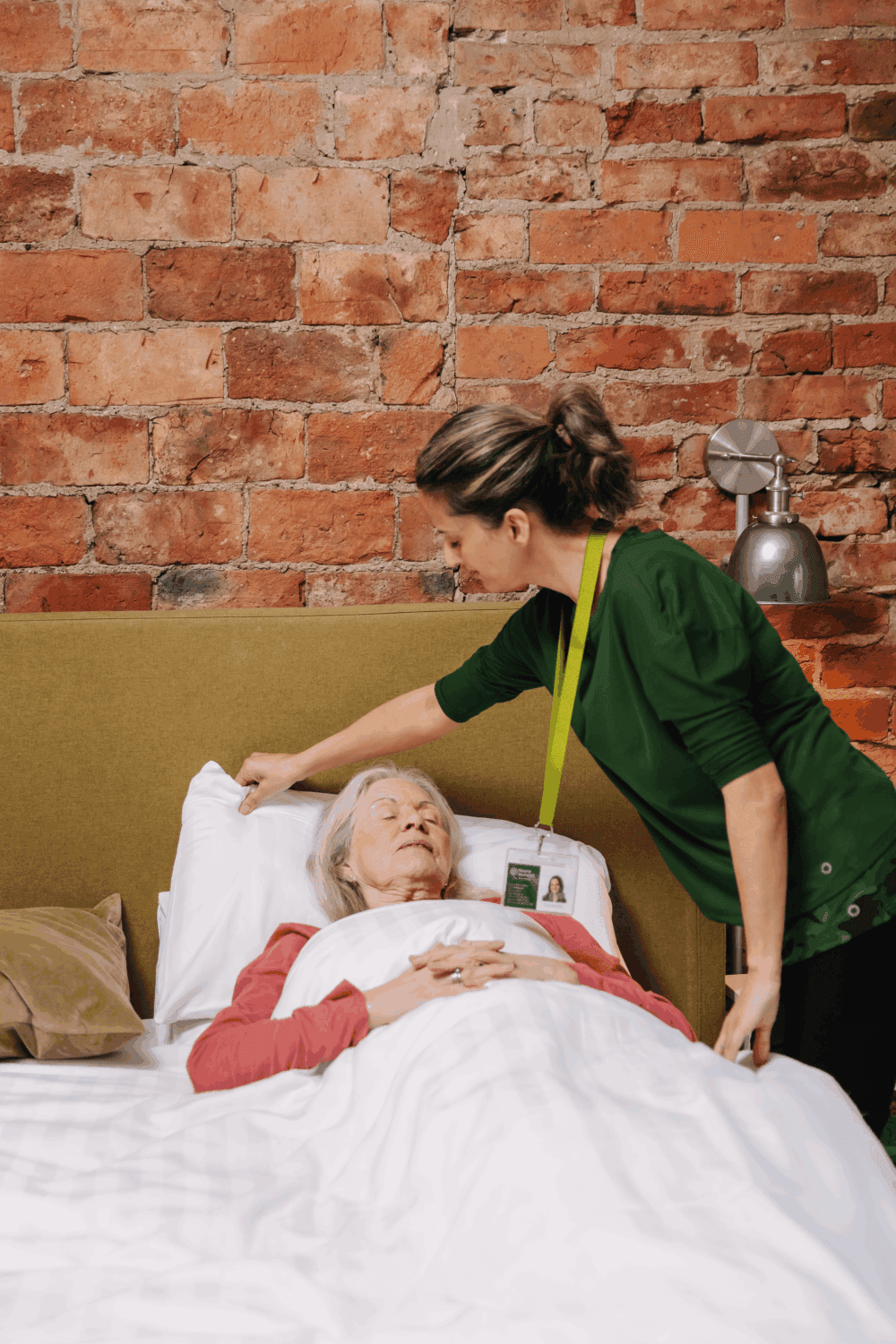
Care Professionals can help with washing, dressing, mobility, simple meals, drinks and continence needs. They may also refresh bedding, organise essential items or carry out light household tasks. Where included in the care plan, medication prompts can be provided. Each visit is shaped by how the person is feeling, recognising that energy levels and priorities may shift.
Families receive clear updates in their preferred way. By noticing changes in appetite, strength or interaction, we adapt care to keep the person as comfortable as possible.
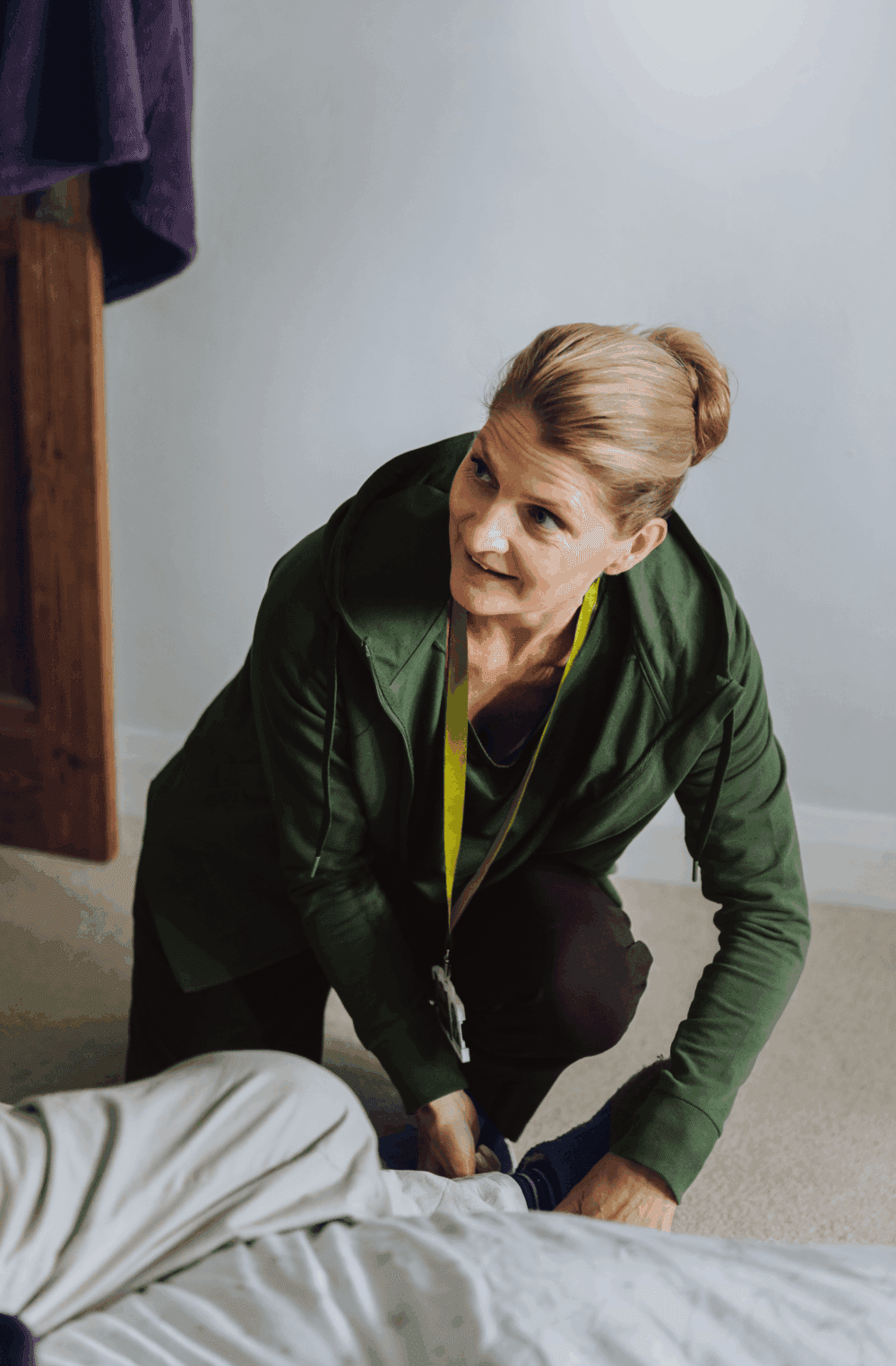
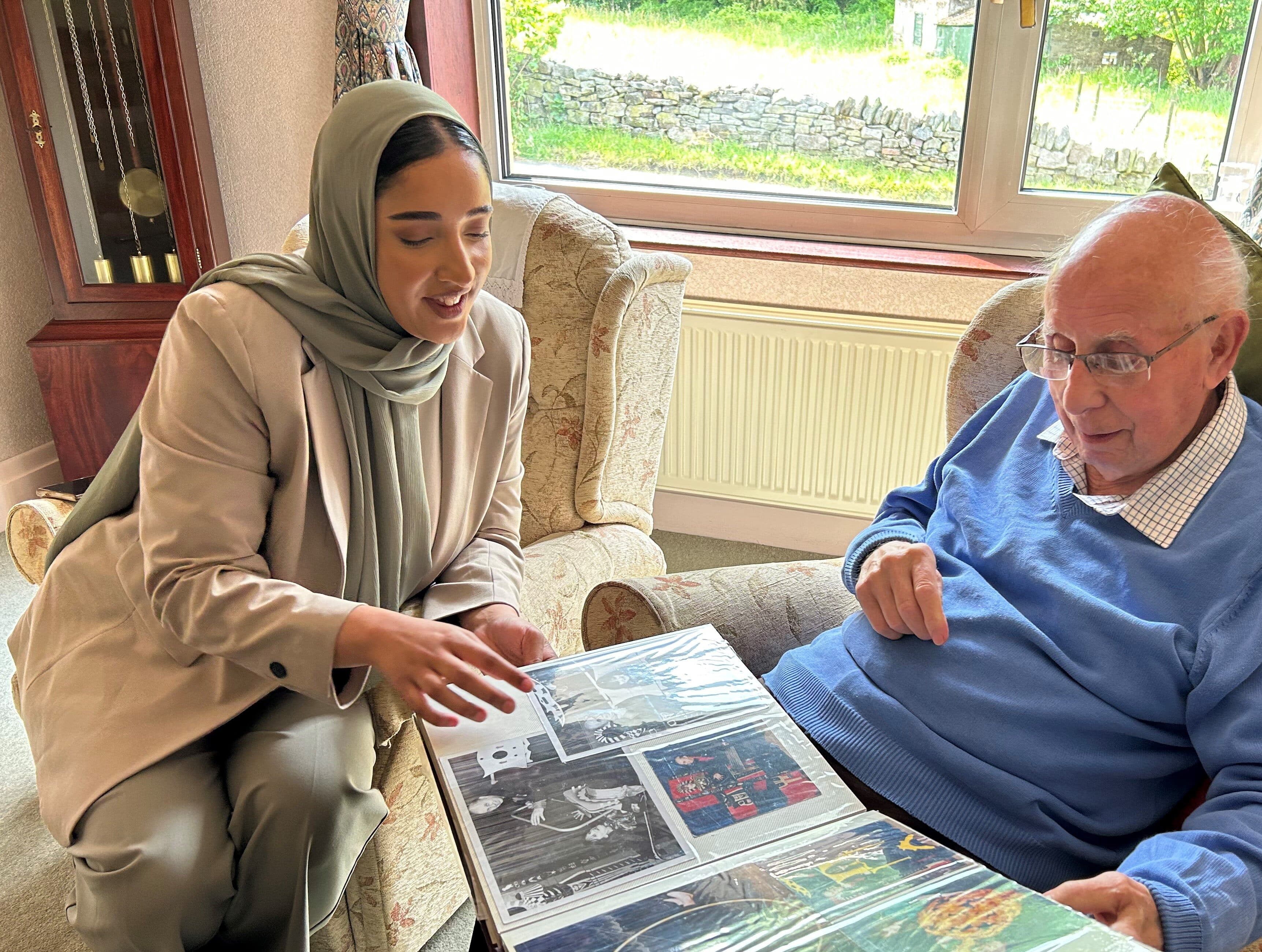
Palliative care at home in Lincolnshire focuses on making the day manageable for the individual. Care Professionals may assist with personal care, help someone into a position that supports their comfort, prepare a drink, or ensure important items are within reach. They can provide company, read aloud, accompany someone outside for fresh air if safe, or stay close by during quieter moments.
Care Professionals observe changes in how the individual responds, moves or eats, sharing relevant updates with families to keep everyone aligned. Each visit is carefully planned so the level of help matches what the person can cope with on that particular day.
Light household tasks, such as tidying surfaces, organising clothing or putting on a wash, can be included where helpful. These small actions reduce pressure on families, giving them space for meaningful time together.
As palliative needs change, families often feel the pressure of balancing emotional decisions with practical demands. Our Lincolnshire office stays in close contact, reviewing visit arrangements and adjusting the plan so care remains relevant and manageable. We take time to listen to family concerns and offer clear explanations for any changes to the level or focus of care.
Care Professionals collaborate with district nurses, GPs, hospice teams and other community services involved in the person’s care. Observations are shared in agreed ways, helping all parties understand the individual’s current needs and any developing challenges.
We respect personal wishes, cultural considerations and family roles, ensuring our help fits naturally around established patterns of daily life. Visits are unhurried and considerate, providing space for practical tasks, reassurance and gentle guidance. Our purpose is to ease pressure wherever possible, supporting both the individual and their loved ones with dignity and clarity.
Home Instead provide first class care. My care professionals are patient, kind and very reliable. I am very happy with the service they provide.
Paul, Client
Home Instead have an experienced caring team that far exceeds in quality anything we experienced from other agencies at this point of service.
Steve, Client
I have had my care from Home Instead for almost ten years and things just keep getting better. I can’t praise them enough.
Kevan, Client