Starting Conversations About Care in Hinckley, Burbage & Nuneaton
Practical advice for families in Hinckley, Burbage and Nuneaton on talking about care, recognising when support may help and planning care at home.
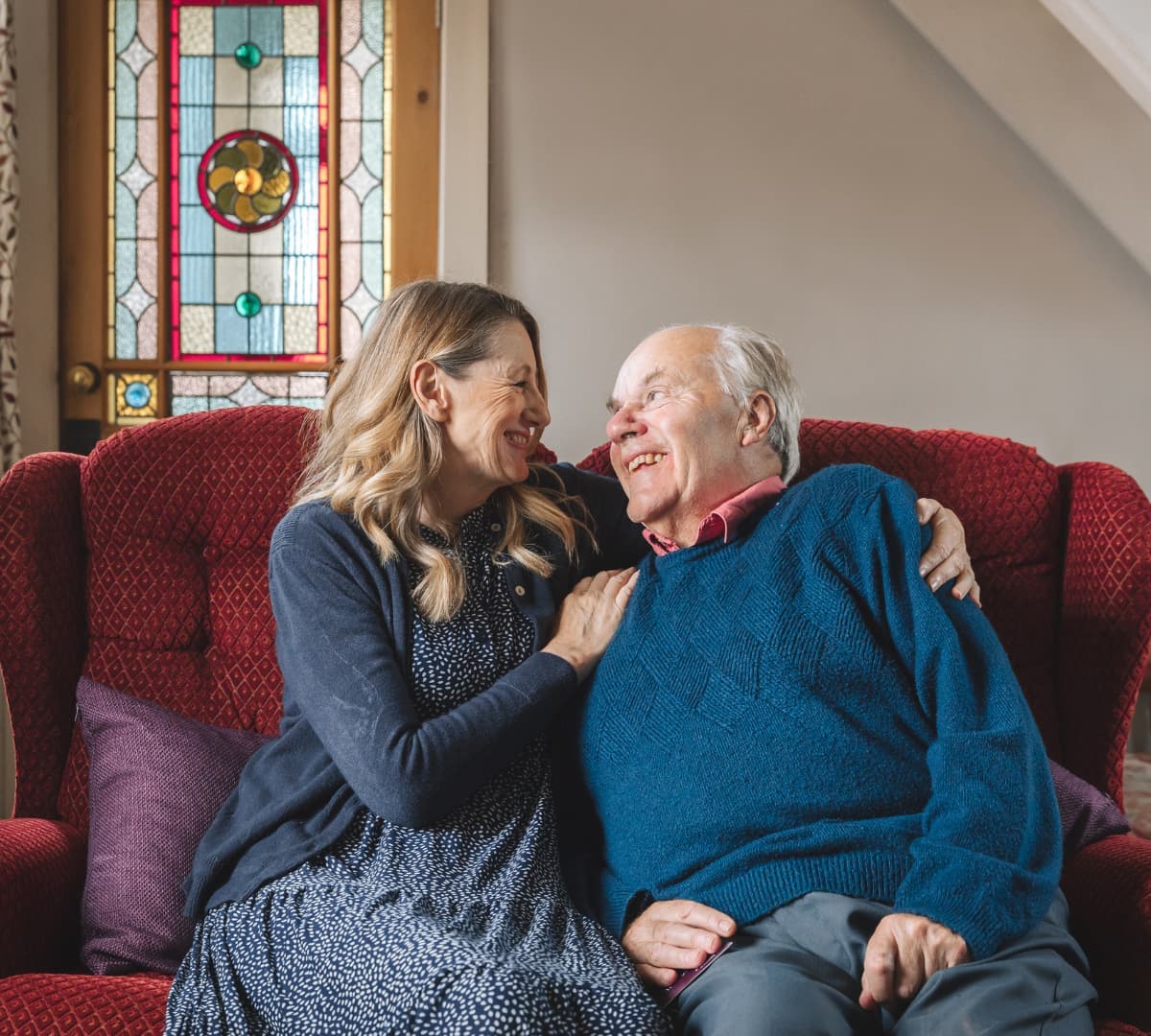
Many families start thinking about care long before they say anything out loud. You may notice that an older parent is less steady on their feet, missing meals, becoming more forgetful or finding the house harder to manage. You may also find yourself doing more each week, while still wondering whether it is “too soon” to suggest extra support.
For families in Hinckley, Burbage, Nuneaton and nearby communities, the first conversation about care can feel like the hardest part. The aim is not to take control away from your loved one. It is to open the door to support while they can still help shape what that support looks like.
Start with the day-to-day details
Big statements can make people defensive. Instead of saying, “You need care,” begin with something ordinary and specific.
You might say:
– “Would it help if someone came with you to the shops?”
– “I noticed getting lunch ready seems more tiring lately.”
– “Would a regular visit make the week feel less lonely?”
– “What would make mornings feel easier?”
These smaller openings are often easier to hear. They keep the conversation focused on practical help, not judgment.
Keep independence at the centre
One of the biggest worries older people have about care is that it will change everything. Families can help by explaining that home care is often there to protect independence, not remove it.
A small amount of support can make familiar routines safer and more manageable. This might include companionship, meal preparation, light housework, personal care, help getting to appointments or support to keep doing the things someone enjoys.
For someone living alone, a familiar Care Professional can bring reassurance and structure to the week. For relatives, it can reduce the worry of trying to manage everything from a distance or fit care around work and family life.
Ask what matters most
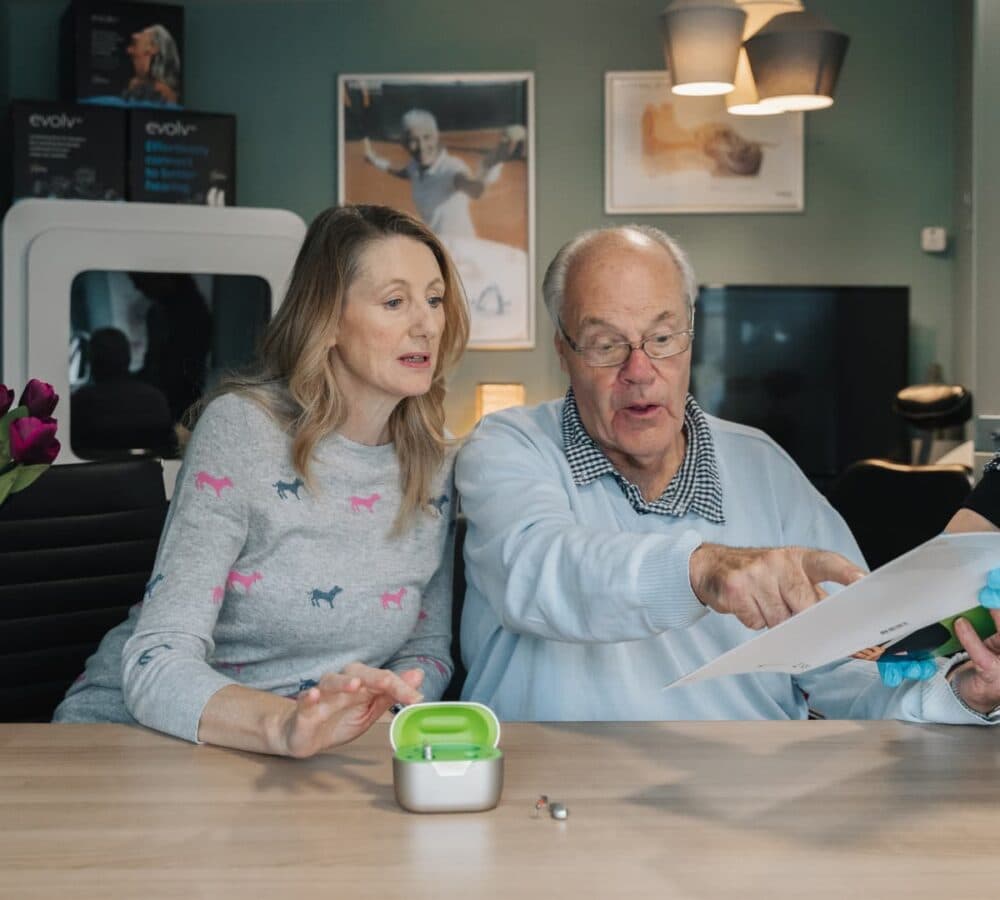
A useful care conversation is not just about what has become difficult. It is also about what your loved one wants to protect.
Ask what routines matter to them. Do they want to keep cooking some meals? Stay involved with a local group? Continue choosing their own clothes? Keep a favourite chair, garden routine or afternoon cup of tea exactly as it is?
These details may seem small, but they are often what make care feel personal. Good home care should be shaped around someone’s life, preferences and personality, rather than expecting the person to fit around a service.
Make the first enquiry feel less daunting
Families sometimes put off contacting a care provider because they feel they need to know exactly what they want. In reality, the first enquiry can simply be a conversation.
You can explain what has changed, what you are worried about and what your loved one might accept. The care team can then talk through possible options, whether the need is companionship care, personal care, dementia care, respite care or general support at home.
A care consultation can help build a clearer picture of daily routines, health needs, preferences and family involvement. It also gives your loved one a chance to ask questions and feel included in the process.
Ease into the first visit
The first visit does not need to feel formal. It can help to connect care with something familiar, such as making lunch, going for a short walk, helping with shopping or sitting down for a cup of tea.
Try to describe the visit in a way that feels reassuring. Instead of saying, “A carer is coming because we’re worried,” you might say, “Someone is popping in to help with lunch and see how the afternoon goes.”
This can make support feel less like a big change and more like an extra pair of trusted hands.
When memory changes are part of the concern
If memory loss, confusion, or changes in behaviour are part of why you are considering home care, keep conversations short and calm. Too much information at once can be overwhelming.
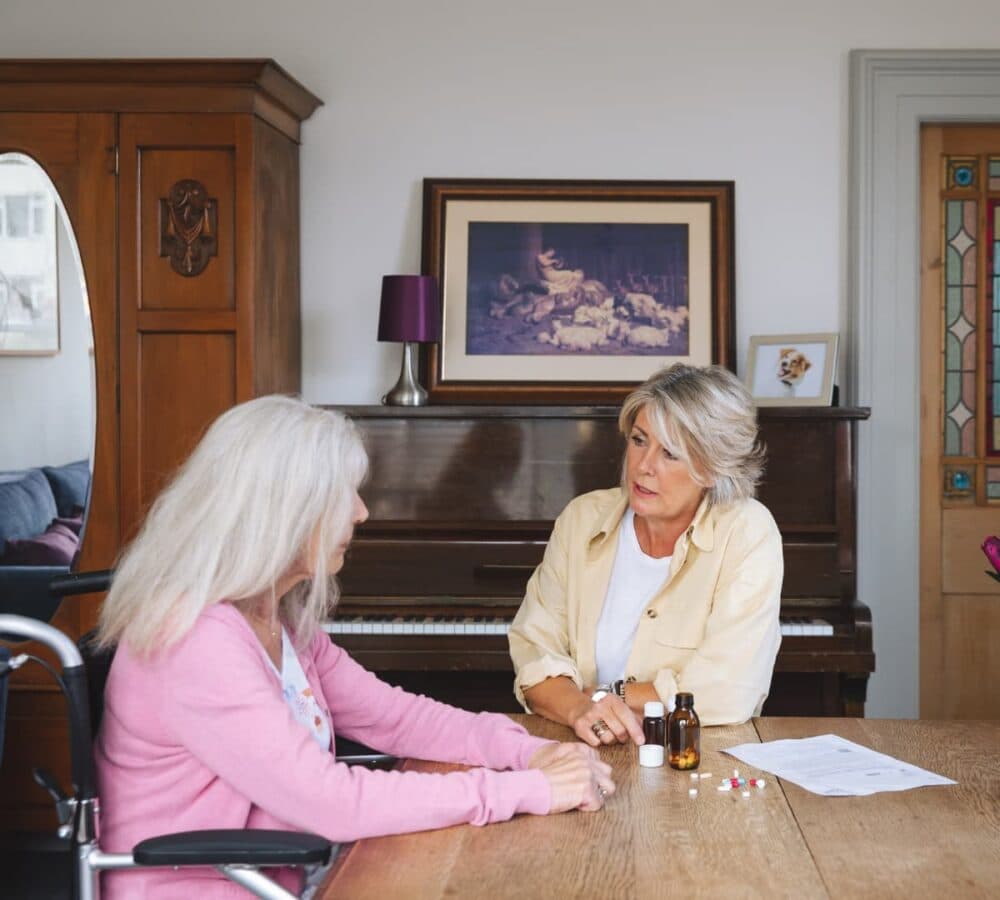
Focus on one practical issue at a time, such as meals, appointments, medication or safety at home. Familiar routines, patient communication and consistent support can make daily life feel steadier for both the person receiving care and the family around them.
Considering care at home in Hinckley, Burbage or Nuneaton?
Starting a conversation about care can feel emotional, but it can also bring relief. With the right support, older loved ones can stay safer, more comfortable and more connected at home, while families feel less alone in managing everything.
To find out more about home care in Hinckley, Burbage and Nuneaton, contact our local team about support at home.
FAQs
How do I start a conversation about care with an older parent?
Start with one practical concern rather than a big statement. Focus on what would make daily life easier, safer or less tiring, and give your loved one time to respond.
Can home care start with just companionship?
Yes. Many families begin with companionship, help with meals, shopping or appointments before introducing more practical or personal care if needs change.
What if my loved one does not want care?
Try not to force the issue in one conversation. Listen to their worries, suggest a small first step and keep the focus on staying independent at home.