Dementia Action Week: Helping Someone With Dementia at Home in Hinckley, Burbage & Nuneaton
Dementia Action Week advice for families in Hinckley, Burbage and Nuneaton, with simple home support tips, local dementia groups and guidance.
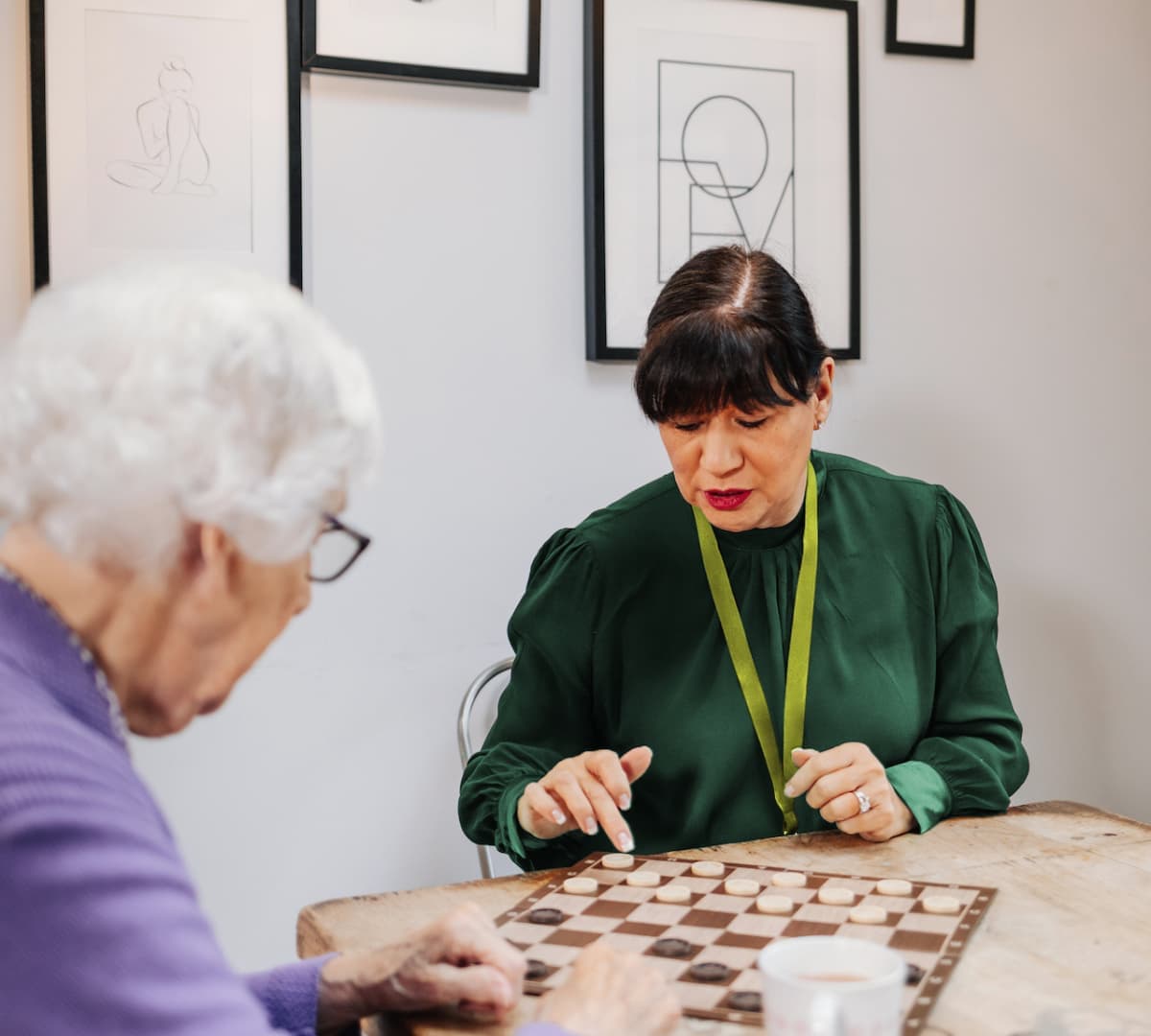
Dementia Action Week takes place from 18 to 24 May 2026, encouraging families to talk about memory changes, seek advice early and understand what support is available. For many families in Hinckley, Burbage and Nuneaton, the worry often starts with small changes: missed meals, forgotten appointments, increased anxiety or a loved one becoming less confident at home.
Dementia can make everyday life feel uncertain, but familiar routines, calm communication and the right support can help someone feel safer, more comfortable and more independent.
At Home Instead Hinckley, Burbage & Nuneaton, dementia care focuses on compassion, time and consistency. Care Professionals receive specialist dementia training, visits are a minimum of one hour, and clients are carefully matched with Care Professionals to help build trust over time.
Keeping Familiar Routines
Routine can be very reassuring for someone living with dementia. Regular mealtimes, favourite music, a familiar chair, a short walk or time spent looking through photographs can all help create comfort and structure.
Families may first notice changes when a loved one starts repeating questions, withdrawing from social plans, struggling with daily tasks or becoming unsettled by busy places.
Keeping everyday items in familiar places, avoiding unnecessary changes at home and maintaining hobbies where possible can all help someone feel more connected to their day.
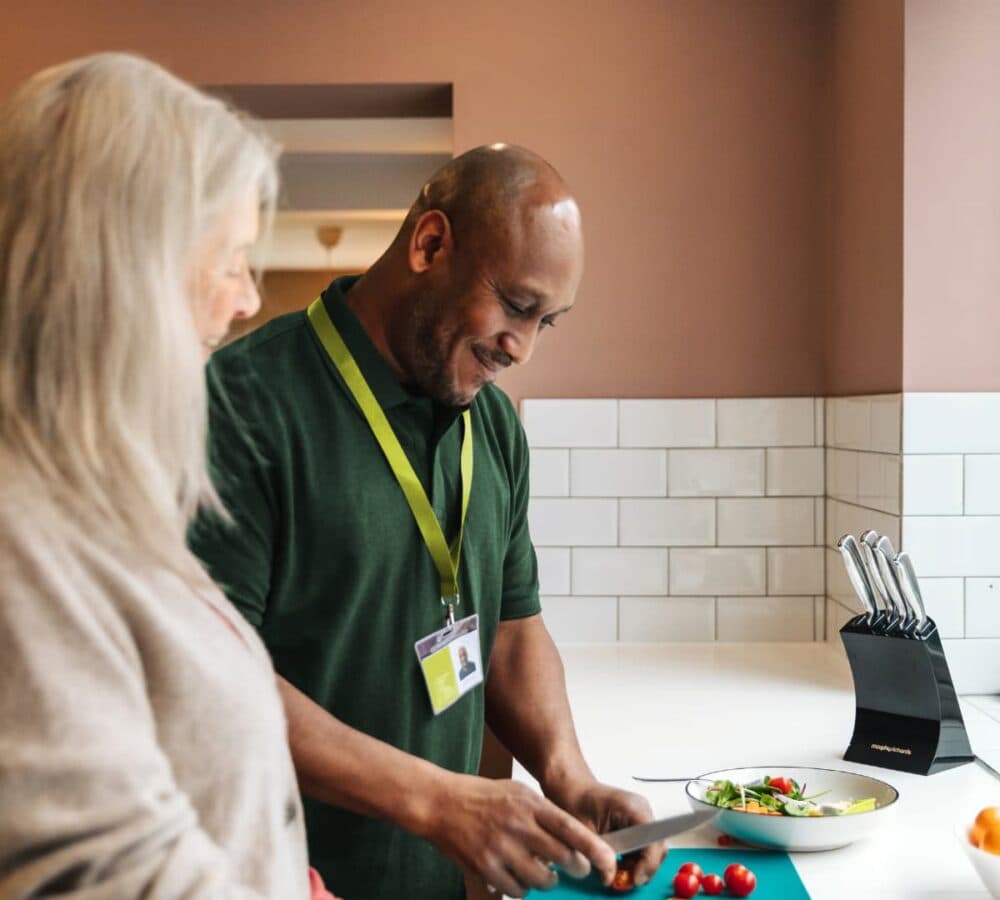
Small Changes That Can Help at Home
A dementia-friendly home does not need to feel clinical. Often, simple changes can reduce confusion and support independence.
Helpful steps may include:
– Improving lighting in hallways and bathrooms
– Removing clutter and trip hazards
– Keeping clocks and calendars visible
– Labelling cupboards, drawers or important rooms
– Leaving everyday items in familiar places
– Reducing background noise during meals or conversations
Communication matters too. Speaking calmly, using short sentences and allowing extra time for responses can help reduce frustration. If someone becomes confused, reassurance is often more helpful than correction.
Local Dementia Support in Hinckley, Burbage & Nuneaton
Families affected by dementia locally do not have to manage alone. Hinckley has a Memory Café that meets on the second Wednesday of each month from 2pm to 3.30pm, offering a welcoming space for people living with dementia and their carers to chat, share experiences, and access guidance.
Dementia Connect in Warwickshire, provided by Alzheimer’s Society, offers personalised advice and practical and emotional support for people living with dementia and their loved ones.
These kinds of local groups and advice services can be a helpful first step, especially for families who feel unsure or isolated. Alongside dementia care at home, they can offer reassurance, connection and practical guidance.
Asking for Help Early
If someone is worried about memory changes, it is best not to wait. Speaking to a GP can help rule out other causes, provide reassurance and open the door to support if needed. Keeping notes about changes in memory, mood, behaviour, sleep or daily routines can also be useful during appointments.
Many families worry that asking for care means taking independence away. In reality, the right support can often help someone stay independent at home for longer.
At Home Instead Hinckley, Burbage & Nuneaton, support may include companionship, help with meals, medication prompts, personal care, outings, respite care or reassurance for family members. If you are beginning to explore dementia care at home, the local team is here to offer guidance.
Enquire today to find out more.
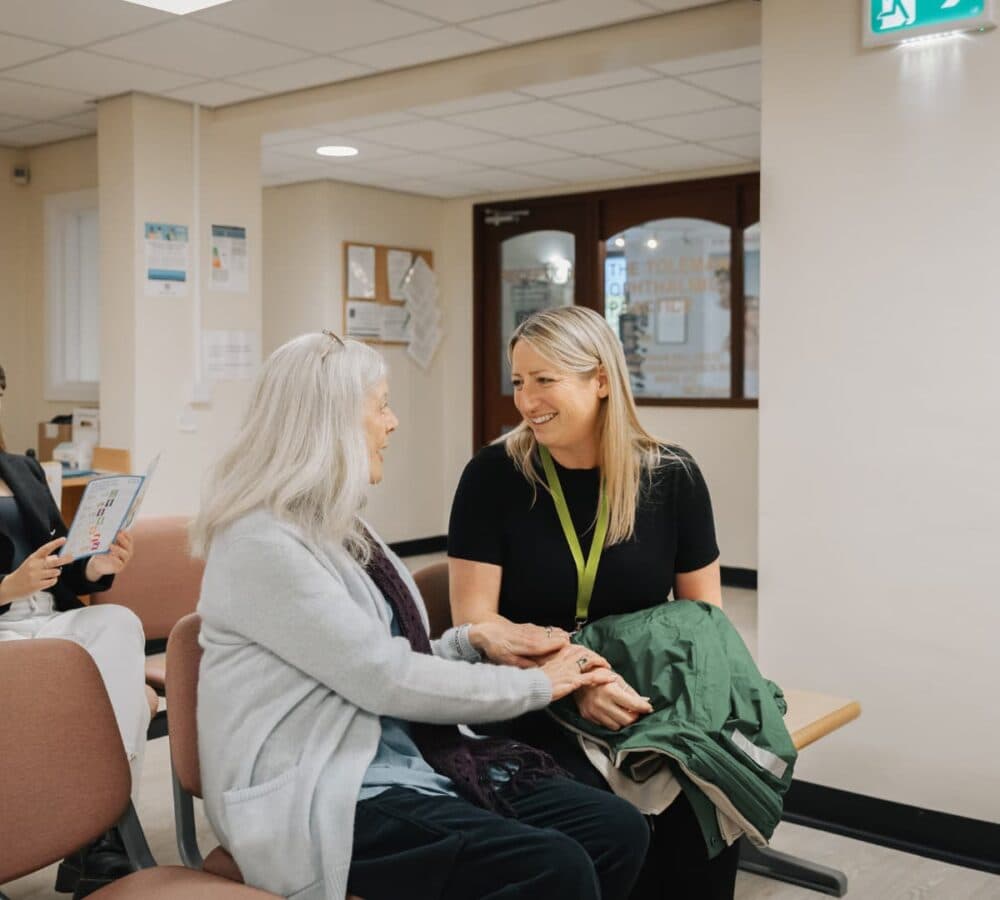
Frequently Asked Questions About Dementia Care at Home
How can I support someone with dementia at home?
Familiar routines, calm communication, good lighting, reduced clutter, visible clocks, memory prompts and reassurance can all help someone feel safer and more settled.
When should we ask for dementia support?
Many families seek support when meals, medication, appointments, personal care, anxiety or isolation become harder to manage. Early support can make the transition easier.
What local dementia support is available?
Support may include Hinckley Memory Café, Dementia Connect in Warwickshire, GP advice, local dementia guidance and dementia care at home from Home Instead Hinckley, Burbage & Nuneaton.