3 Common Myths About Home Care in Epping Forest
When families first begin exploring home care in Epping Forest, it’s often during a time of uncertainty. There may be concerns about safety, independence or how best to support a loved one as their needs change.
Alongside these decisions, there are also a number of common misconceptions about what home care really involves. These myths can make families hesitate or delay seeking support that could make a real difference.
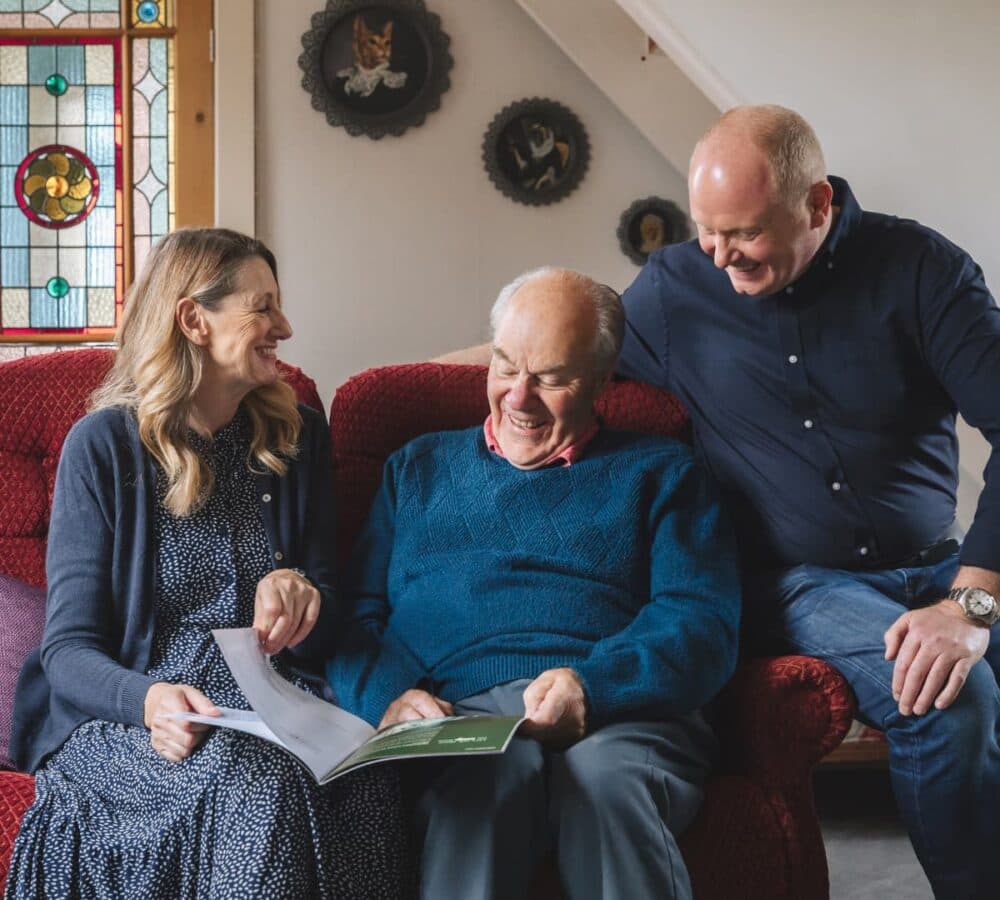
Here, we explore three of the most common myths about home care and the truths that families in Epping Forest should know.
Myth 1: “Home care means losing independence”
One of the biggest concerns families have is that accepting care at home will reduce a loved one’s independence.
The truth
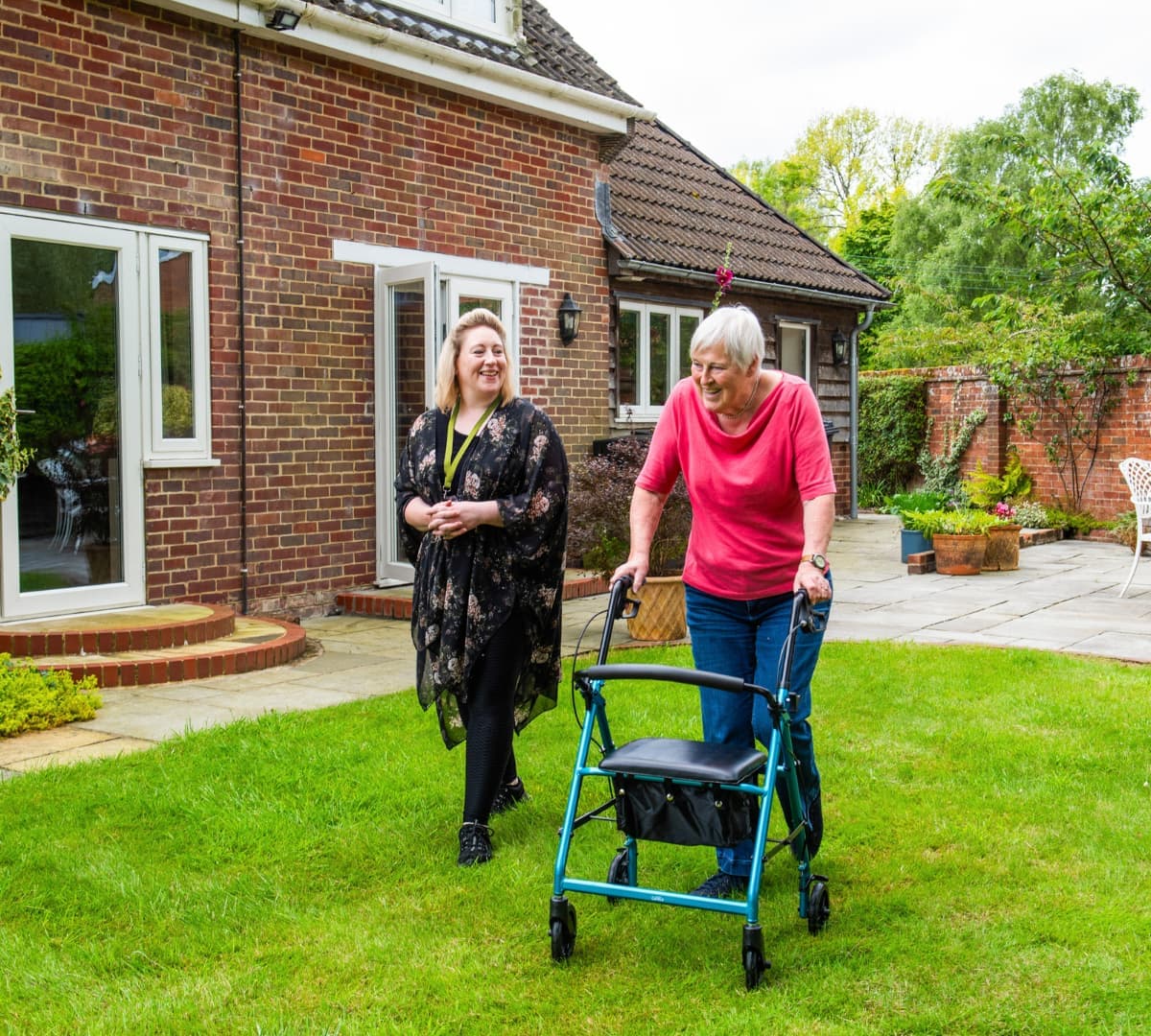
In reality, home care is designed to protect and extend independence, not take it away. At Home Instead Epping Forest, support is built around the individual. Whether it’s help with daily routines, preparing meals, or getting out into the local community, care is tailored to what each person wants and needs.
This might mean a walk through familiar green spaces, a visit to a local café, or simply maintaining routines at home that bring comfort and confidence.
Rather than replacing independence, care provides the support needed to continue living life on your own terms.
Myth 2: “Home care is only for people with serious health conditions”
Many people believe that care at home is only necessary when needs become complex or medical.
The truth
Home care can start much earlier, often with simple, preventative support.
This might include companionship, help around the house, or gentle reminders for appointments and medication. These smaller forms of support can have a significant impact on well-being, helping to reduce loneliness and prevent issues from escalating.
For families in Epping Forest, early support often means loved ones can remain safely at home for longer, without reaching a crisis point.
Myth 3: “All care services are the same”
It’s easy to assume that all care providers offer a similar experience.
The truth
The quality of care can vary significantly, and relationship-led care makes all the difference.
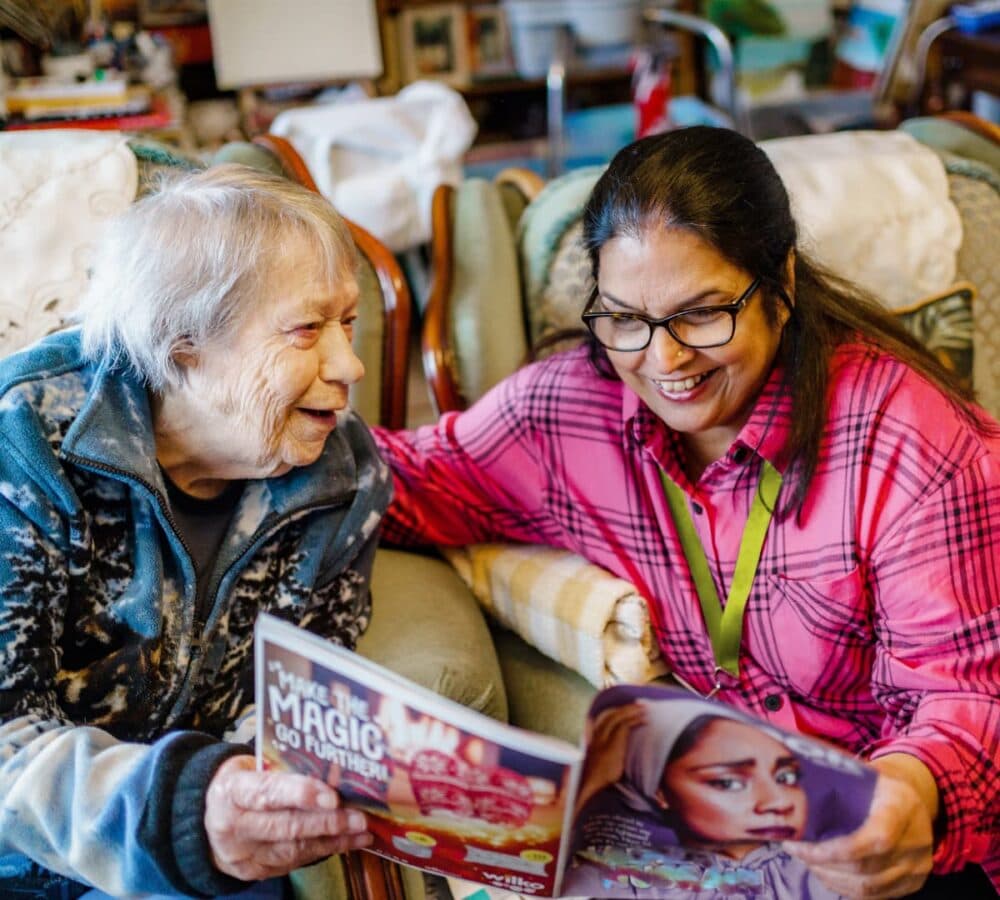
At Home Instead, visits are never rushed, with a minimum of one hour as standard. This allows time for genuine connection, not just task-based support. Care is delivered by consistent Care Professionals, helping to build trust and familiarity. This continuity is especially important for those living with dementia or memory-related conditions, where routine and relationships are key.
Local knowledge also plays an important role. Being part of the Epping Forest community means care can be shaped around local life, not just delivered within the home.
What This Means for Families in Epping Forest
Understanding the realities of home care can make decision-making feel less overwhelming. The right support is not about taking over. It’s about working alongside individuals and families to maintain independence, dignity, and a sense of normality.
Whether support is needed for a few hours a week or more comprehensive care, starting the conversation early can open up more options and provide reassurance for everyone involved.
If you’re exploring home care in Epping Forest and want clear, honest advice, Home Instead is here to help. Speaking with our local team can provide reassurance, answer your questions, and help you understand what support could look like for your family. Call 01992 666777 for a friendly chat today.
FAQs
What services are included in home care in Epping Forest?
Home care can include companionship, personal care, help with household tasks, meal preparation, medication reminders, and specialist support such as dementia care.
How do I know if my loved one needs home care?
Signs can include difficulty managing daily tasks, increased forgetfulness, loneliness, or reduced mobility. Many families start with a small amount of support and build from there.
Can home care be flexible?
Yes, care plans are tailored to each individual and can be adjusted as needs change, whether that means increasing or reducing support over time.