Hydration and Dementia in Epping Forest: Small Sips, Big Difference
Discover why hydration matters in dementia care in Epping Forest, with practical tips from Home Instead to support daily wellbeing at home.
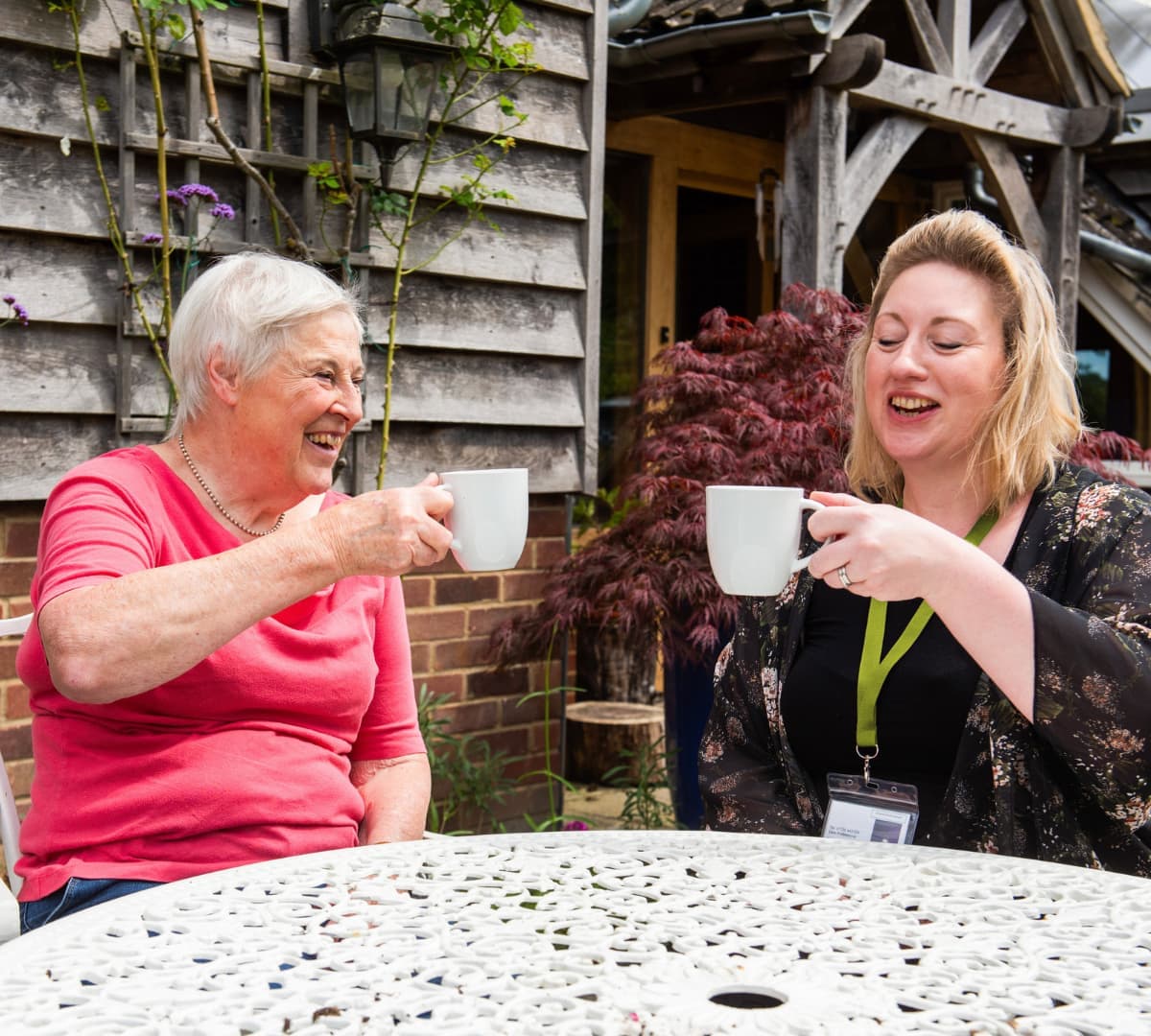
Hydration might seem like a simple part of daily life, but when someone is living with dementia, it can quietly become one of the biggest challenges to manage. For families providing home care in Epping Forest, understanding the role of hydration can make a meaningful difference to a loved one’s comfort, clarity and overall wellbeing.
This is something we see regularly across Epping Forest. What looks like a sudden change in behaviour or increased confusion is often something much more manageable: not enough to drink.
Why hydration matters more than most people realise
Dementia can affect the body’s natural ability to recognise thirst. Someone may not feel thirsty at all, even after hours without fluids. Others may forget they haven’t had a drink or find it difficult to communicate their needs.
The effects can be significant. Even mild dehydration can lead to:
- Increased confusion or disorientation
- Headaches and fatigue
- Dizziness or risk of falls
- Greater agitation or restlessness
It can also contribute to urinary tract infections (UTIs), which are a common cause of sudden and severe confusion in older adults. Families often fear a rapid decline in dementia, when in reality, hydration and treatment can help restore a person closer to their usual self.
What works in real life: simple, practical approaches
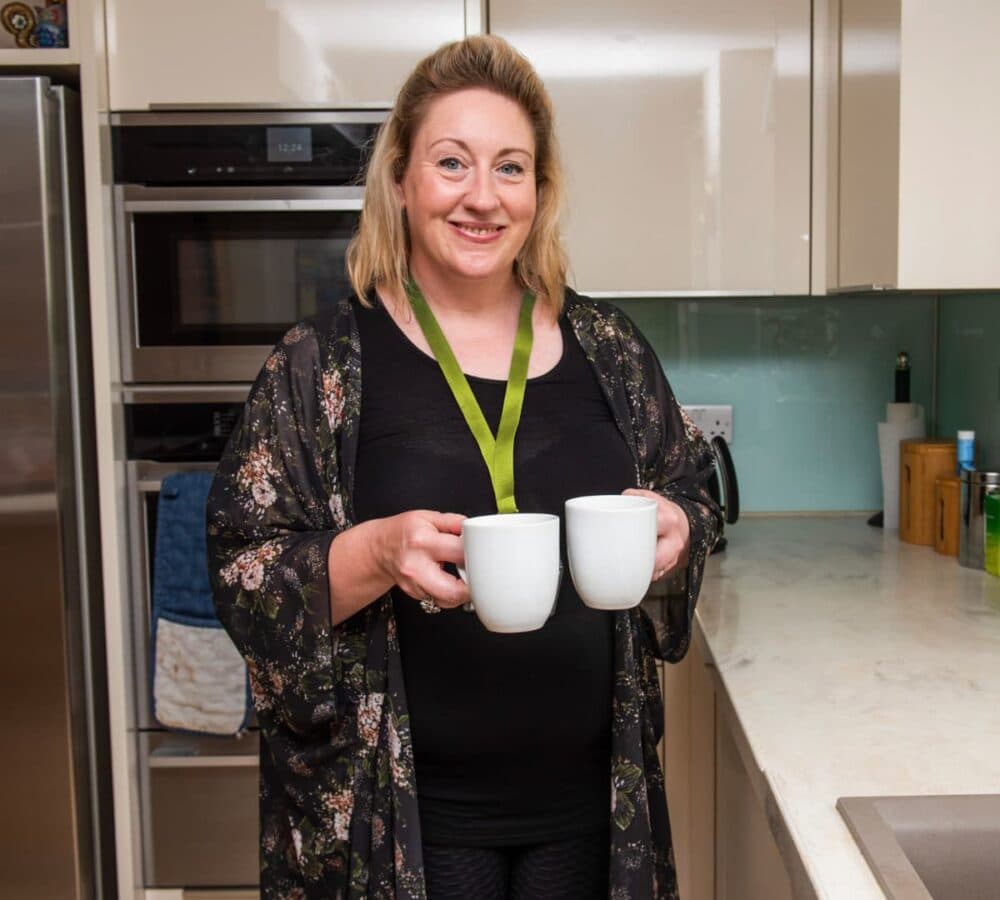
Over time, our Care Professionals have learned that hydration isn’t about reminders alone, it’s about making drinking feel natural and accessible.
Here are some approaches that consistently help:
Make it social
People are far more likely to drink when it feels like a shared activity. Sitting down together with a cup of tea or a glass of squash turns hydration into a moment of connection, not a task.
Keep drinks visible and within reach
If a drink isn’t easy to see, it’s easy to forget. Placing it directly in someone’s line of sight and gently prompting can make all the difference.
Use colour and contrast
Clear glasses on light surfaces can be difficult to see. Bright mugs or coloured cups stand out and act as a visual reminder.
Offer variety, not just water
Hydration doesn’t have to come from water alone. Many people prefer:
- Squash or fruit juice
- Tea or coffee (in moderation)
- Milk-based drinks
- Soups or broths
- Foods like yoghurt, jelly or fresh fruit
These all contribute to daily fluid intake and can often be more appealing.
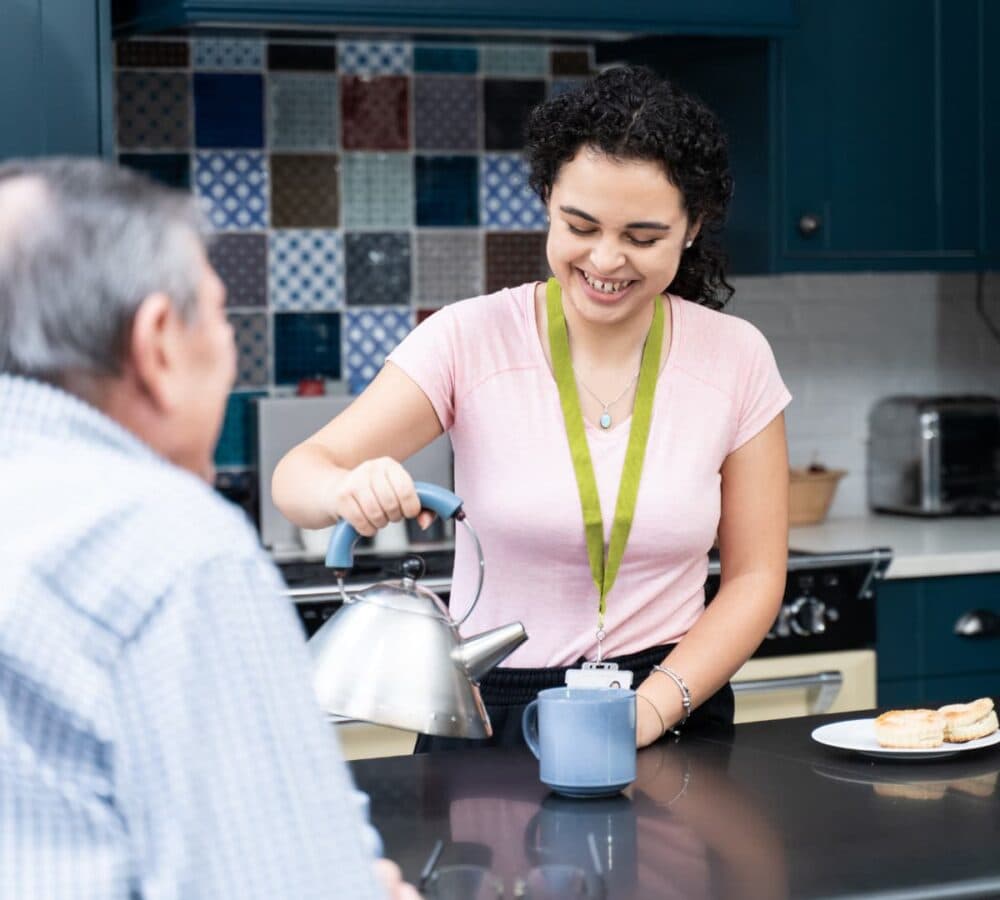
Build gentle routines
Small habits make hydration manageable:
– A drink with each meal
– Mid-morning and afternoon refreshments
– Something warm before bed
Spread across the day, the recommended six to eight cups becomes far more achievable.
Recognising the early signs of dehydration
Spotting dehydration early can prevent unnecessary worry and complications. Look out for:
– Dry mouth or lips
– Darker urine
– Increased confusion
– Tiredness or headaches
– Dizziness
If symptoms become more severe, such as rapid breathing or a fast heartbeat, it’s important to seek medical advice.
Supporting families across Epping Forest
For those receiving dementia care in Epping Forest, hydration is a key part of everyday support. It’s not treated as an afterthought, but as something woven naturally into visits, routines and companionship.
Community initiatives also play a role. At local sessions like the Memory Lane Café at Theydon Bois Village Hall, families can share experiences, pick up practical ideas and feel reassured that they’re not alone. These conversations often make a lasting difference, offering both guidance and confidence.
A small change that makes a big difference
Hydration isn’t complicated, but it is powerful. Small, consistent actions can improve clarity, reduce discomfort and help someone feel more like themselves again.
For families, it’s one of the simplest ways to support a loved one’s wellbeing at home, and one of the most impactful.
To learn more or chat about how home care or dementia care could help your loved one stay living comfortably at home, call our team on 01992 666777 or enquire online today.
Frequently Asked Questions
Can dehydration make dementia symptoms worse?
Yes. Dehydration can increase confusion, agitation and fatigue, and may trigger infections such as UTIs. While it doesn’t change the progression of dementia, it can significantly affect day-to-day symptoms.
How much should someone with dementia drink each day?
A general guideline is around six to eight cups of fluid per day, but this can vary. The key is consistency and offering fluids regularly throughout the day.
What if my loved one refuses to drink?
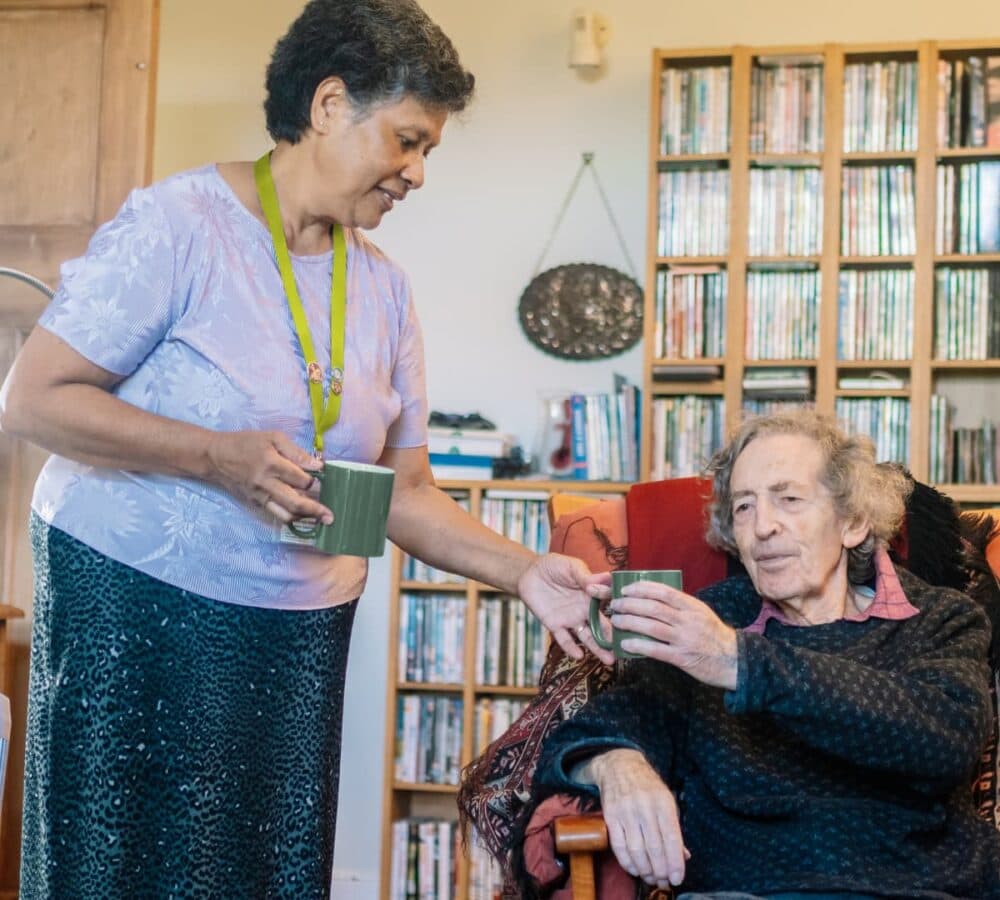
Try offering different types of drinks, using familiar cups, or making it a shared activity. Sometimes small environmental or routine changes can encourage drinking without pressure.