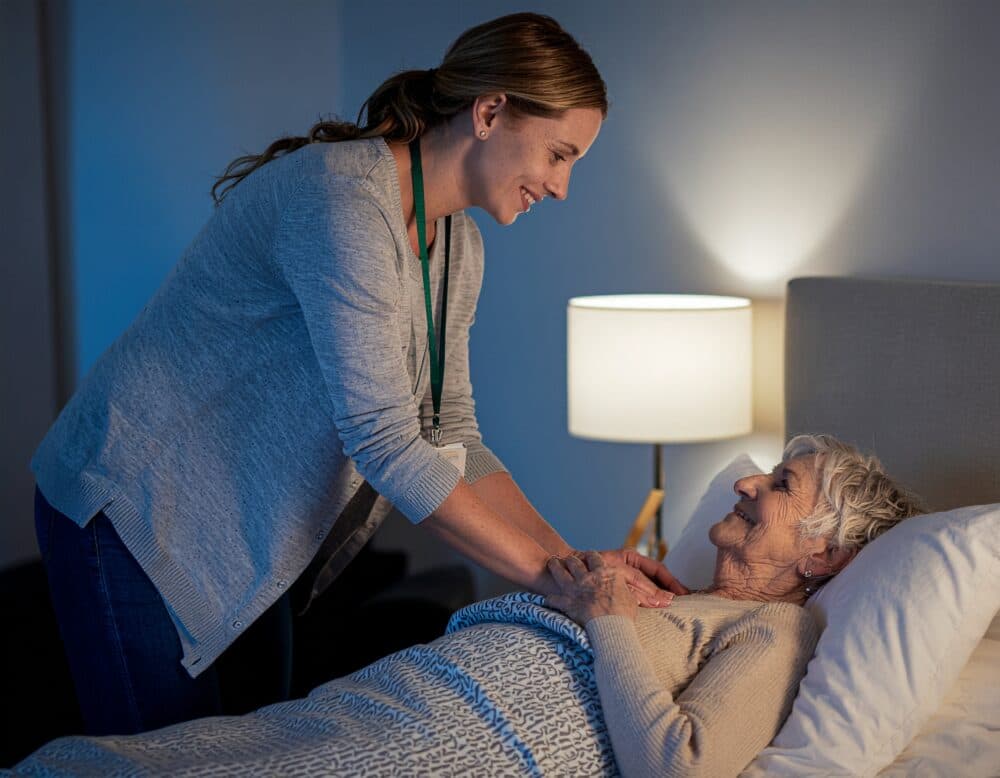
Helping your loved one feel settled and supported at home

Home plays a central role in helping people feel settled and comfortable in everyday life. Familiar surroundings, established routines, and personal preferences all contribute to a sense of independence and ease.
For families, supporting a loved one at home is often about maintaining these familiar rhythms while ensuring daily life continues comfortably. Thoughtful, practical support can help routines stay in place, offering reassurance to families and allowing loved ones to feel confident and supported in their own home.
In this article, we look at simple, practical ways to support everyday life at home. This includes ideas for maintaining familiar routines, making day-to-day activities more comfortable, and supporting independence in a way that feels natural and respectful for everyone involved.

Why familiar surroundings can matter so much
Home is often far more than four walls and a roof. For an older person, it can be the place where they brought up a family, kept treasured possessions and built their routines over many years. The view from the window, the favourite chair and the familiar route from bedroom to bathroom can all help life feel steady and predictable.
Staying in familiar surroundings can be especially reassuring if your loved one lives with memory loss or confusion. Knowing where things are, and keeping to well known routines, can reduce anxiety and help them feel more in control. Even small changes, such as moving furniture or changing a daily schedule, can feel unsettling, so any adjustments are best made gradually and with plenty of explanation.
Signs your relative might need more support at home
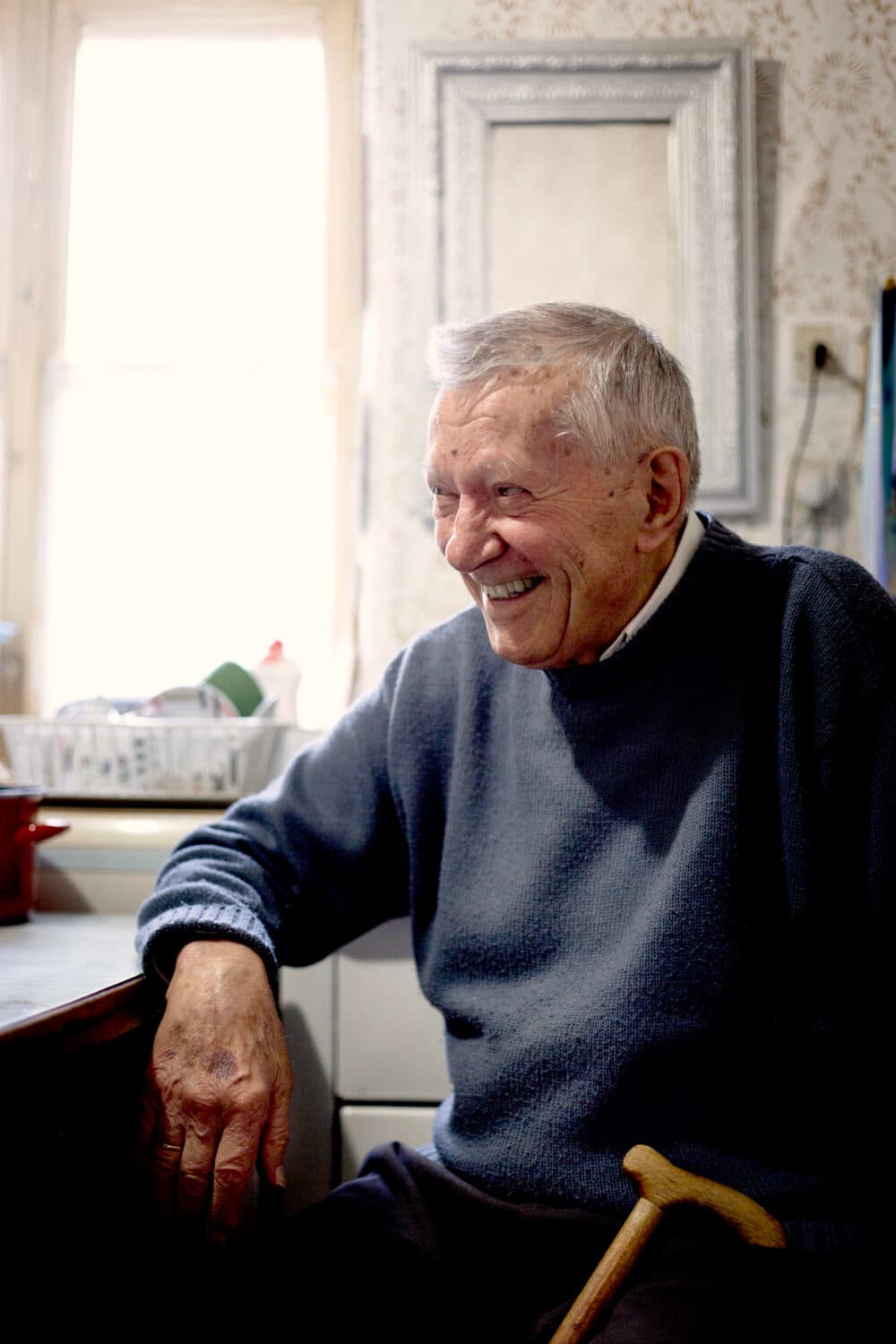
It is not always easy to judge when home life has become too much. Some older people are very proud and will do their best to hide any difficulties. Others may not realise how much things have changed.
You might start to notice things such as:
- Piles of unopened post or unpaid bills
- Food going out of date in the fridge
- Wearing the same clothes for several days in a row
- Struggling to keep on top of cleaning, washing or changing the bed
- Losing confidence about going out, even for short trips
These are all gentle signs that your relative could benefit from a little more day to day support, rather than a sudden move away from home.
Practical ways to make home feel safer and easier
Before you think about big decisions, it can help to look at small, practical changes around the house. Sometimes a few thoughtful adjustments are enough to make daily life feel manageable again.
You might consider simple ideas such as improving lighting on stairs and in hallways, removing loose rugs that are easy to trip over, and making sure often used items are within easy reach. Clear pathways between rooms, a sturdy handrail by the front step and a comfortable chair with good support can also make a big difference.
If your relative is open to it, you could set up a simple calendar or whiteboard to remind them of appointments, visitors and meal plans. Some families find that agreeing a routine for phone calls can be helpful too, for example a quick call each morning or evening to check all is well.

How care at home can fit around family support
Family support is very important, but it is not always possible to do everything yourself, especially if you are juggling work, children or your own health. This is where care at home can sit alongside what you already do, rather than replacing your involvement.
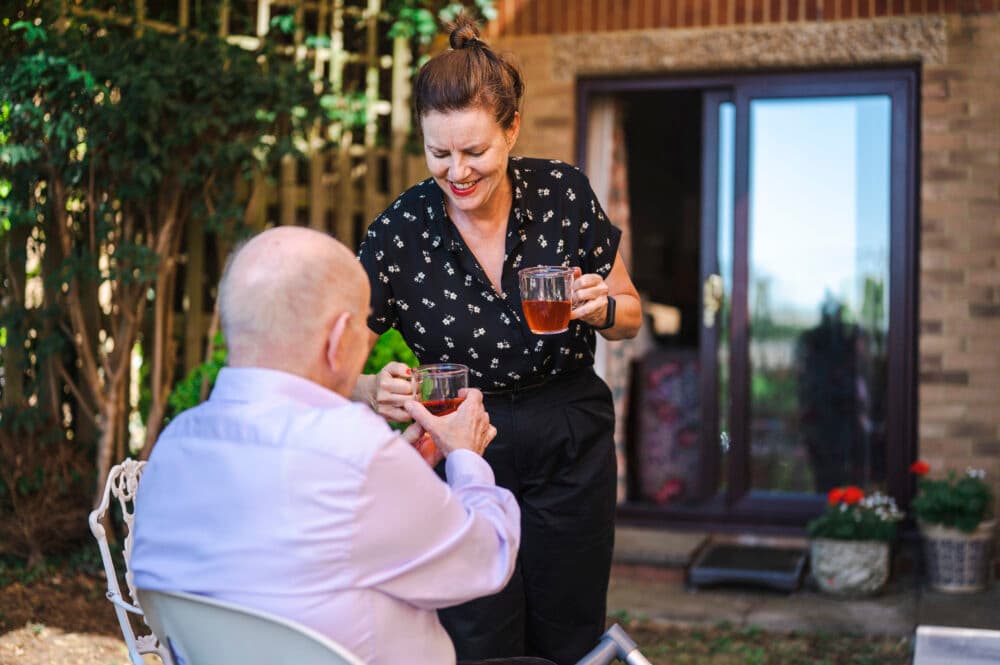
Companionship Care focuses on regular company and conversation, such as chatting over a cup of tea, sharing hobbies, watching a favourite programme together or going for a short walk. It can help your loved one feel connected and less alone, and gives you peace of mind that someone is checking in regularly.
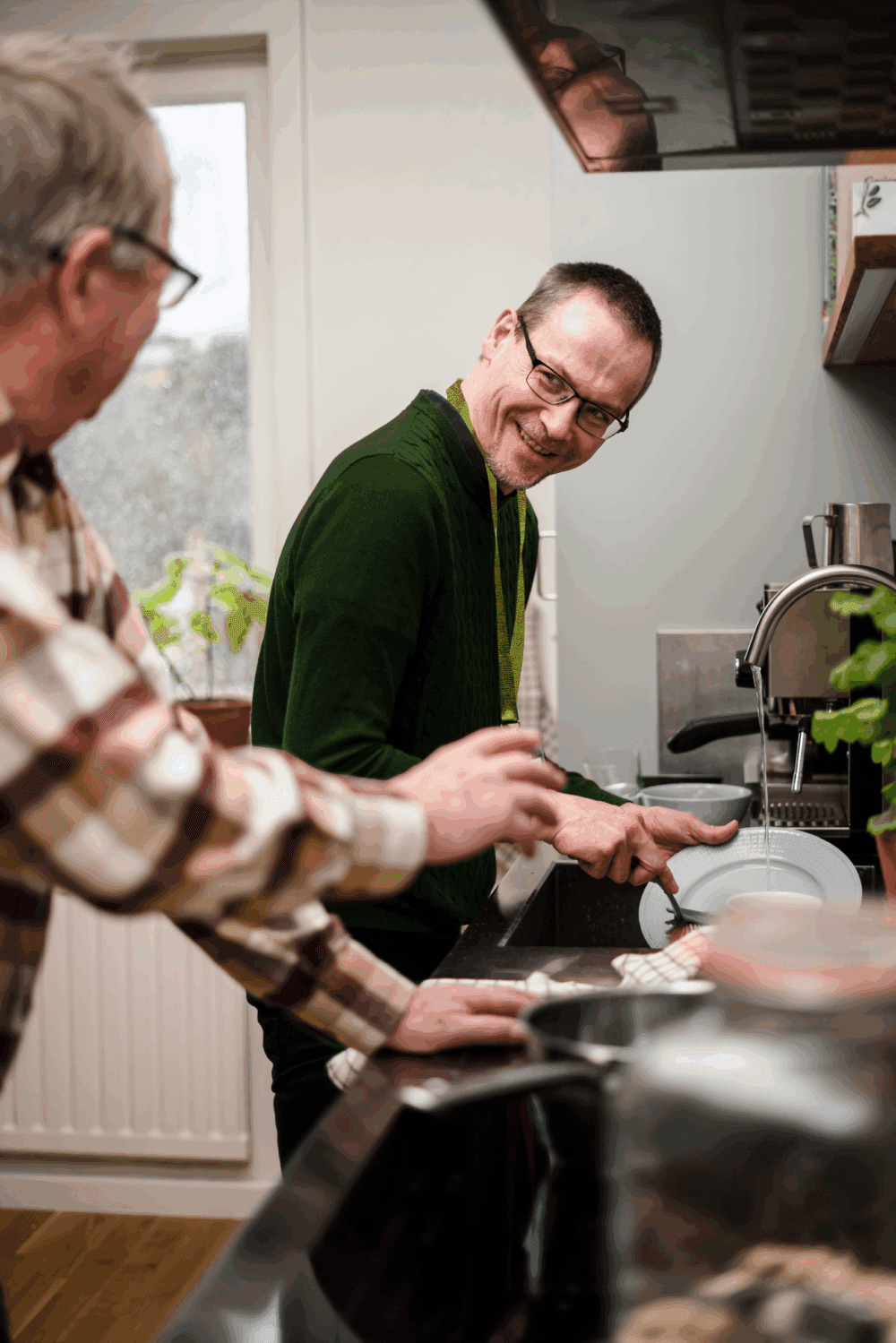
Home Help covers the practical tasks that keep the home comfortable, including light housework, laundry, changing bedlinen, shopping and preparing simple meals. This type of support can be especially useful if you notice that cleaning or cooking are starting to slip, but your relative still wants to remain in control of decisions.
Care at Home usually means planned visits, tailored to your loved one’s routines. A Care Professional might help with getting up, washing and dressing, preparing meals, prompting with medication in line with the care plan, and supporting evening or bedtime routines. Visits can be adjusted as needs change over time, so support grows alongside your relative rather than feeling like a sudden big step.
If your loved one lives with dementia or another long-term condition, specialist Dementia Care at home can help them stay in familiar surroundings while keeping to reassuring routines. Care Professionals offering this type of support are trained to respond calmly to confusion, use long term memories such as music or photos, and give unhurried help with Personal Care, meals and moving safely around the home.
Working with a consistent local team you can trust
When you invite someone into your relative’s home, trust and consistency matter. Many families tell us that seeing the same familiar faces makes all the difference, especially for relatives who feel anxious about change or who prefer plenty of time to get to know someone new.
At Home Instead East Cheshire, our Care Professionals are carefully trained and given time to deliver unhurried visits, so support never feels rushed. The office has been rated Outstanding by the Care Quality Commission, and you can read the latest report on the CQC website if you would like more detail about how care is checked and monitored. We are also rated 9.9 out of 10 on homecare.co.uk, where relatives often share their own experiences of the support their loved one receives.
Our local team supports older adults in Jodrell Bank and surrounding areas including Macclesfield, Alderley Edge and Pott Shrigley. Whether your relative needs a little companionship, more regular help with daily routines, or flexible dementia support at home, we work with you to shape a plan that feels right for them.

Finding the right balance for your family
There is no single right answer when it comes to helping an older relative stay at home. What matters is finding an approach that feels safe, respectful and sustainable for everyone involved. It is natural to feel unsure, or even guilty, when you start to realise that your loved one needs more help than you can offer alone.
Talking things through with someone outside the family can be a helpful first step. If you would like to explore how support at home might help your relative stay in familiar surroundings for longer, you are very welcome to call Home Instead East Cheshire on 01625 860992. You can also find our office at Unit 1&2, Roadside Court, Alderley Road, Chelford, Cheshire, England, SK11 9AP, and see directions and reviews on our Google profile if that is easier for you.