How Companionship Supports Emotional Well-being in Winter in Ealing
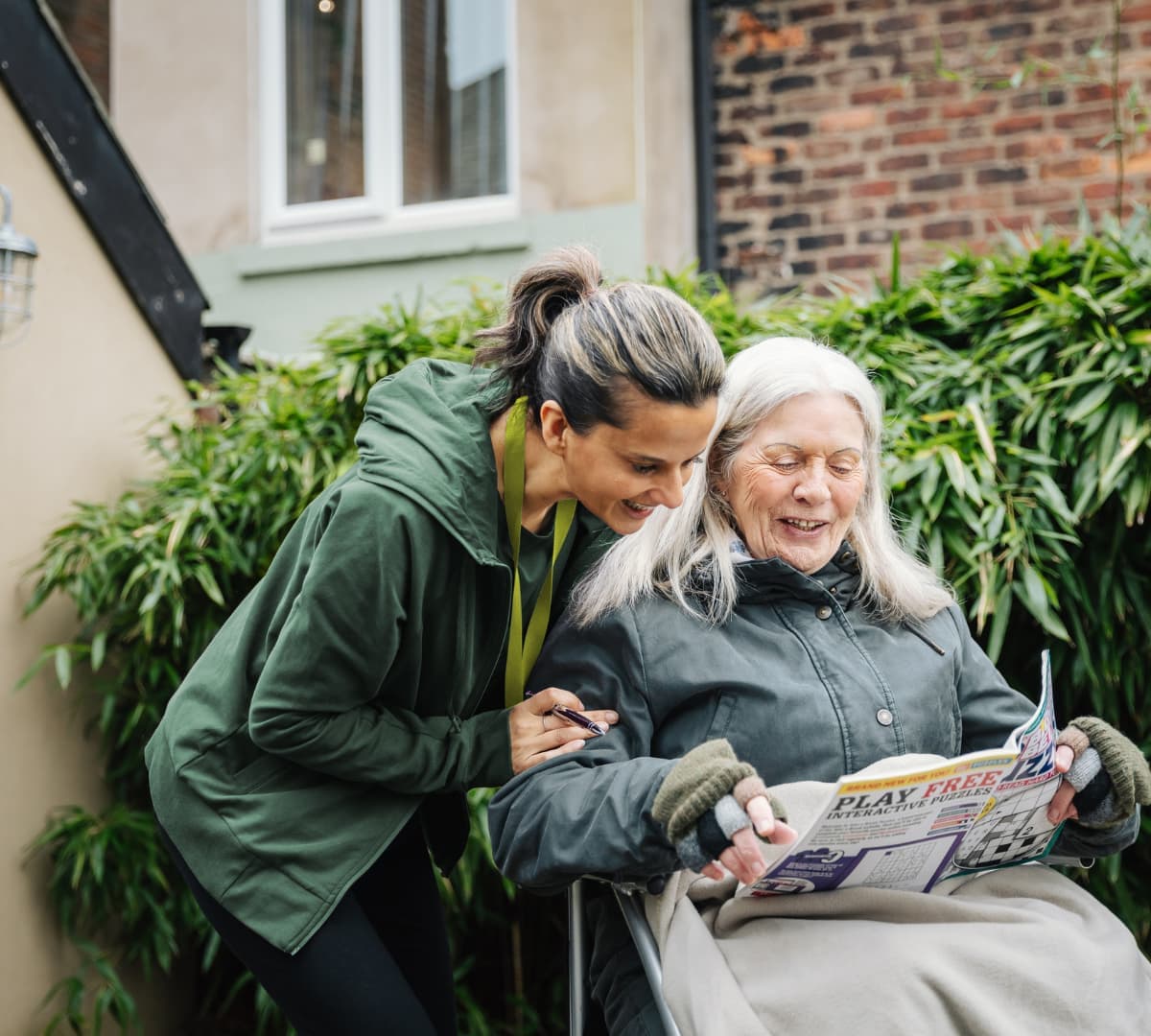
Winter can be a more challenging time for our older community living in Ealing. Shorter days, colder weather, and changes to everyday routines can gradually reduce opportunities for social contact. For those living alone, this quieter period can sometimes lead to low mood, reduced confidence, and feelings of isolation.
National research highlights that loneliness and reduced social interaction can have a real impact on well-being in later life. During winter, regular companionship and meaningful connections play an important role in helping people feel supported, valued, and engaged with the world around them.
When winter affects everyday routines
As winter sets in, familiar routines can become harder to maintain. Poor weather may discourage outings, daylight fades earlier, and social plans are more easily postponed.
Common winter challenges include:
– Shorter daylight hours
– Cold or wet weather limiting trips out
– Fewer informal visits from friends or family
– Increased hesitation about going out alone
Over time, these changes can quietly affect emotional well-being if regular contact is lost.
Companionship as everyday emotional support
Companionship Care focuses on human connection. It’s about having someone to talk to, share interests with, and spend time alongside, rather than feeling alone for long periods.
With companionship support at home, a Care Professional can:
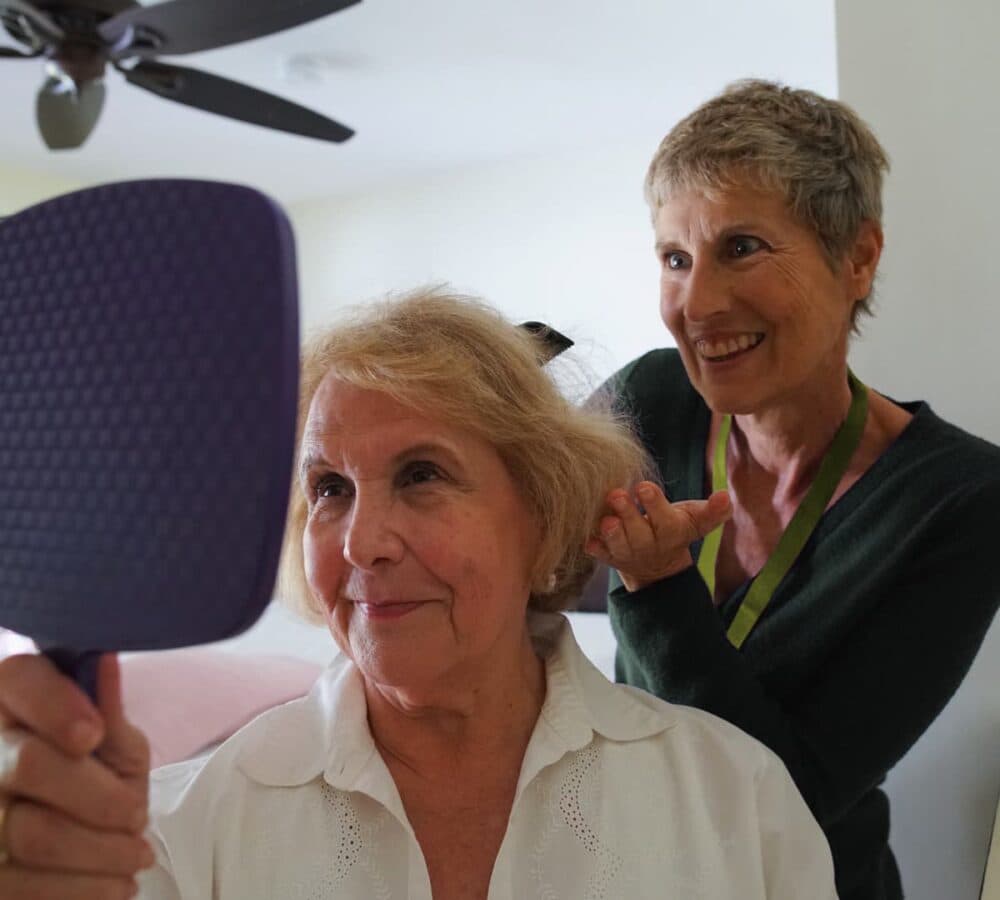
- Spend unhurried time chatting and sharing interests
- Talk through life experiences, memories, and stories
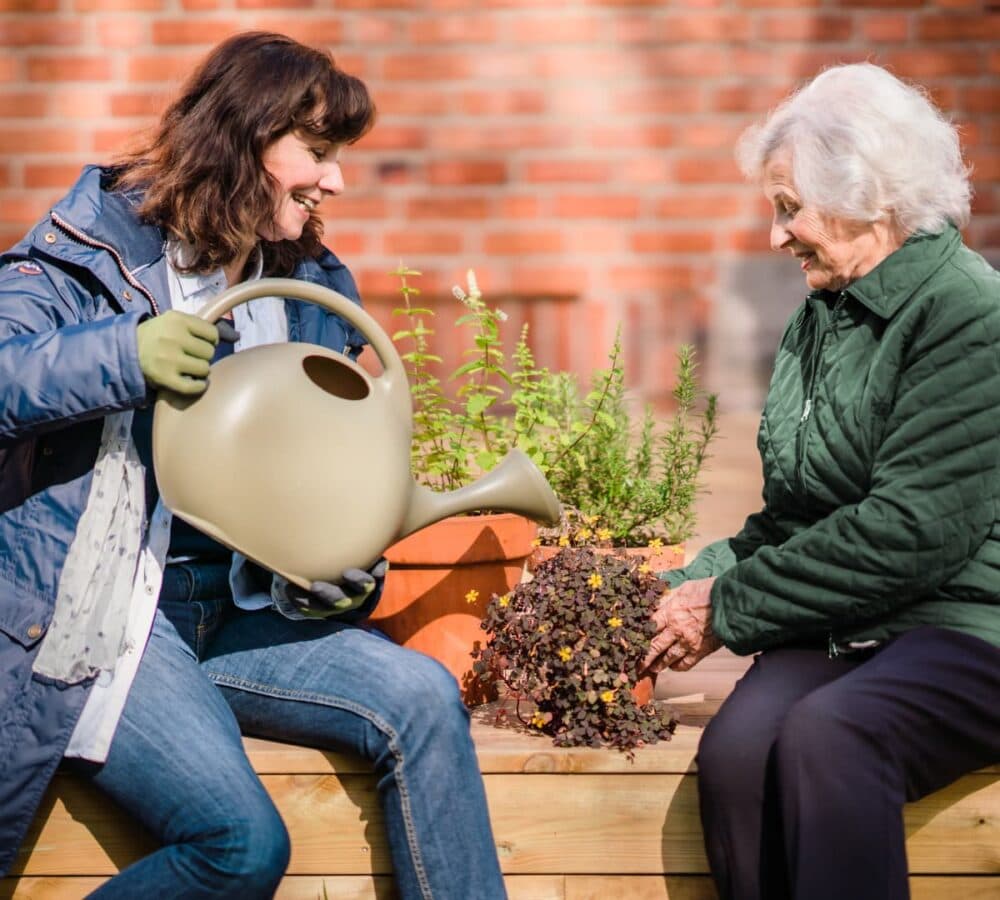
- Encourage activities that bring enjoyment and purpose
- Support confidence to attend appointments or social activities
- Help maintain familiar routines
- Offer reassurance and peace of mind to families
For many people, this gentle, consistent support helps prevent low mood from becoming overwhelming during winter.
Staying connected within the Ealing community
Ealing has a diverse and active community, with a range of social groups and services that support older adults to stay connected throughout the year. Organisations such as Age UK Ealing provide social activities, information, and local support aimed at reducing isolation and encouraging independence.
For some older adults, attending community activities independently can feel daunting, particularly during winter. Companionship support can help bridge that gap by offering reassurance and encouragement, making it easier to stay engaged with the local community.
The importance of regular, familiar contact
Seeing a familiar face regularly can make a significant difference during the colder months. Consistent companionship helps build trust, provides emotional reassurance, and adds structure when days feel quieter.
Regular companionship can support wellbeing by:
– Providing dependable social contact
– Encouraging engagement with hobbies and interests
– Supporting confidence and independence
– Maintaining routine during winter
Rather than waiting for concerns to escalate, companionship offers steady, preventative support that helps protect emotional well-being over time.
At Home Instead Ealing, companionship is recognised as an important part of supporting older adults through winter. The focus is on helping people stay connected, confident, and emotionally supported, whatever the season brings.
If you’re concerned about an older loved one feeling isolated or low during winter, a conversation with the local team can be a helpful first step. They are always happy to talk through companionship options and offer guidance based on individual needs. Enquire today.
FAQs
How does companionship support emotional well-being in winter?
Regular companionship provides conversation, reassurance, and routine, helping older adults feel connected and supported during the colder months.
Is companionship suitable for people living alone?
Yes. Companionship can be particularly beneficial for people living alone by offering regular social contact and emotional support.
How flexible are companionship visits?
Visits are tailored to individual needs and can be arranged occasionally or on a regular weekly basis.