Starting Conversations About Care: A Guide for Families in Dudley & Sandwell South
Advice for families in Dudley and Sandwell South on starting conversations about care, exploring home care and helping older loved ones feel supported.

Talking about care with a parent or loved one can feel sensitive. You may have noticed small changes, such as missed meals, unopened post, reduced confidence, memory slips or a home that is becoming harder to manage. But starting the conversation can still feel difficult, especially if your loved one is proud, private or worried about losing independence.
For families in Dudley, Sandwell South and the surrounding areas, it can help to talk early, before a fall, illness or sudden change forces everyone to make quick decisions. A calm conversation gives your loved one time to share what matters to them and gives the family space to explore support at a gentler pace.
Begin with everyday life
The word “care” can feel big. It may help to begin with ordinary routines instead. Rather than saying, “You need help now,” try focusing on something specific you have noticed.
You might say:
- “Would it make shopping easier if someone came with you?”
- “I noticed you seemed tired after getting ready this morning.”
- “Would a bit of company during the week be nice?”
- “What would help you feel more comfortable at home?”
This keeps the conversation practical and reassuring. It also helps your loved one feel part of the discussion, rather than feeling that decisions are being made for them.
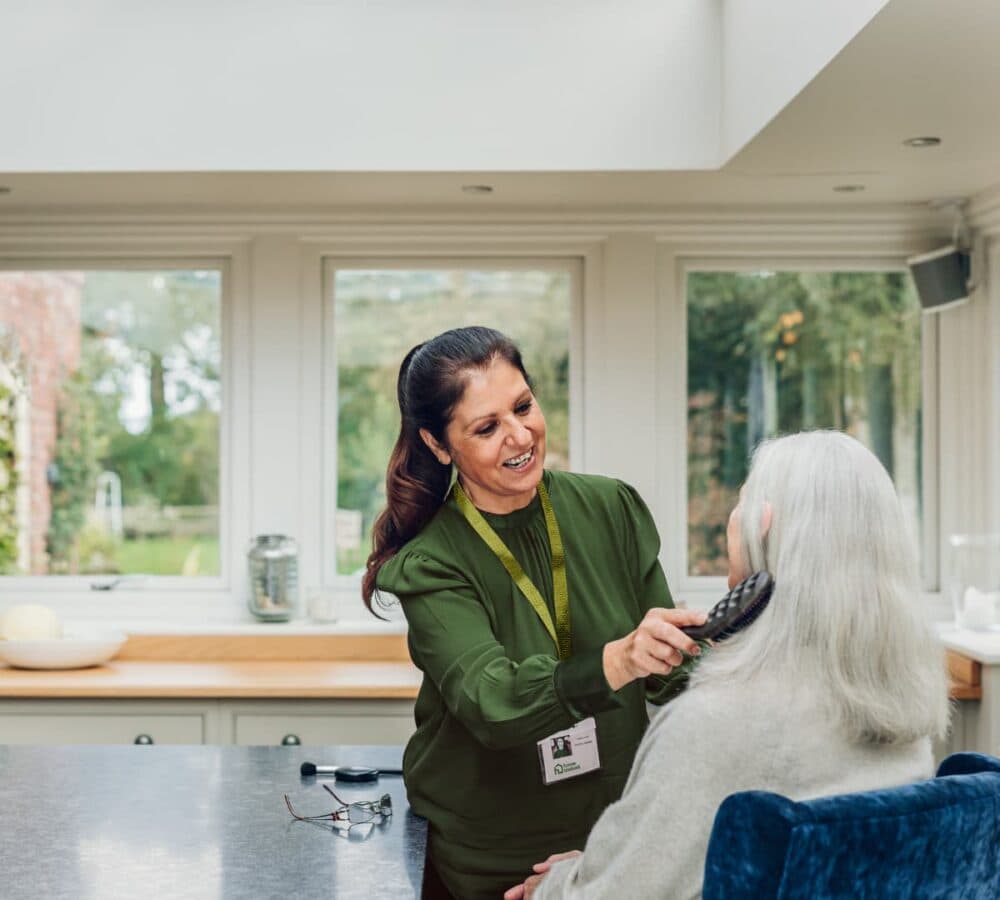
Listen to what they want to protect
Families often focus on risks, but their loved one may be thinking about something different. They may be worried about privacy, routines, pets, hobbies, favourite meals or simply having their home life disrupted.
Before suggesting solutions, ask what they want to keep the same. Do they want to stay at home? Keep going to a local group? Continue preparing some meals? Choose when they get up? Keep control of their weekly routine?
These details matter. Good home care should fit around the person, not the other way round. The best care plans are built from real life: how someone likes their tea, what helps them feel calm, who they enjoy talking to and which parts of the day feel hardest.
Present care as a way to stay independent
Many people resist care because they think it means giving up control. Families can help by explaining that support at home is often what makes independence possible.
Care might begin with companionship, help around the home, meal preparation, medication prompts, shopping, appointments or support getting out and about. It does not need to start with lots of visits or major changes.
For someone living alone in Dudley or Sandwell South, a familiar Care Professional can bring structure, confidence and a friendly face. For relatives, it can bring reassurance that someone trusted is visiting regularly and can notice if anything changes.
What happens when you ask about care?
Making an enquiry does not mean everything has already been decided. It is simply a first conversation.
The local Home Instead Dudley & Sandwell South team can listen to what has prompted the call, answer questions and talk through the kind of support that may help. Some families call because a loved one is lonely. Others are concerned about dementia, personal care, meals, medication or safety at home.
A care consultation then helps build a clearer picture of the person’s needs, routines and preferences. Where appropriate, families can be involved so the plan feels joined-up and everyone understands what support is being put in place.
Make the first visit feel natural
The first visit can feel like a big step, so it helps to keep it simple. A familiar activity can make the introduction easier, such as making lunch, having a cup of tea, looking through photos, taking a short walk or helping with a regular household task.
It may also help to explain the visit in a gentle way: “Someone is coming to help with lunch and keep you company,” rather than making it sound formal or overwhelming.
Trust usually builds through small moments. A good first visit is not only about practical help. It is about kindness, respect, conversation and allowing the relationship to develop naturally.

When dementia is part of the conversation
If your loved one is living with dementia, keep conversations short and calm. Too many choices or too much information can be confusing, especially if the person is already anxious.
Focus on reassurance and routine. Familiar faces, regular visit times and simple explanations can all help someone feel safer. Families can also support the care team by sharing personal details, such as favourite music, past jobs, food preferences, family names and comforting routines.
Considering care at home in Dudley & Sandwell South?
Starting conversations about care can feel emotional, but it can also be a relief. The right support can help older loved ones stay safe, comfortable and connected at home, while giving families more confidence about the future.
To find out more about home care in Dudley and Sandwell South, contact us and speak to the local team about support at home.
FAQs
How do I start talking to an elderly parent about care?
Start with one specific concern and keep the conversation calm. Focus on what would make daily life easier, safer or more comfortable, rather than telling them they can no longer manage.
Can home care start with just a little support?
Yes. Many families begin with companionship, help with meals, shopping, appointments or daily routines, then adjust the care plan if needs change over time.
What if my loved one refuses care?
Try not to force the conversation. Give them time, listen to their worries and focus on what they want to protect, such as staying at home, keeping routines or feeling more confident day to day.