Why Do Social Connections Matter So Much for Older Adults?

Learn why social connection matters more than ever, and how Home Instead Dorchester helps prevent isolation.
What makes life feel richer as we grow older? For many older adults in Dorchester, it’s the simple pleasure of staying connected, sharing conversation at a coffee morning, taking part in a local book club, tending to indoor plants, or enjoying an afternoon at Dorchester Arts. These familiar moments help people feel grounded, valued, and part of something meaningful.
At Home Instead Dorchester, we see each day how social contact supports emotional stability, confidence, and overall well‑being. Research reinforces this. Studies published in BMJ Open show that older adults who stop taking part in social groups face a greater risk of loneliness and a decline in overall health and life expectancy. Social contact isn’t optional; it plays a strong part in keeping people healthy, engaged, and optimistic in later life.
This blog explores why staying connected matters so much for older adults in Dorchester, and how simple, local activities can bring comfort, structure, purpose, and joy.
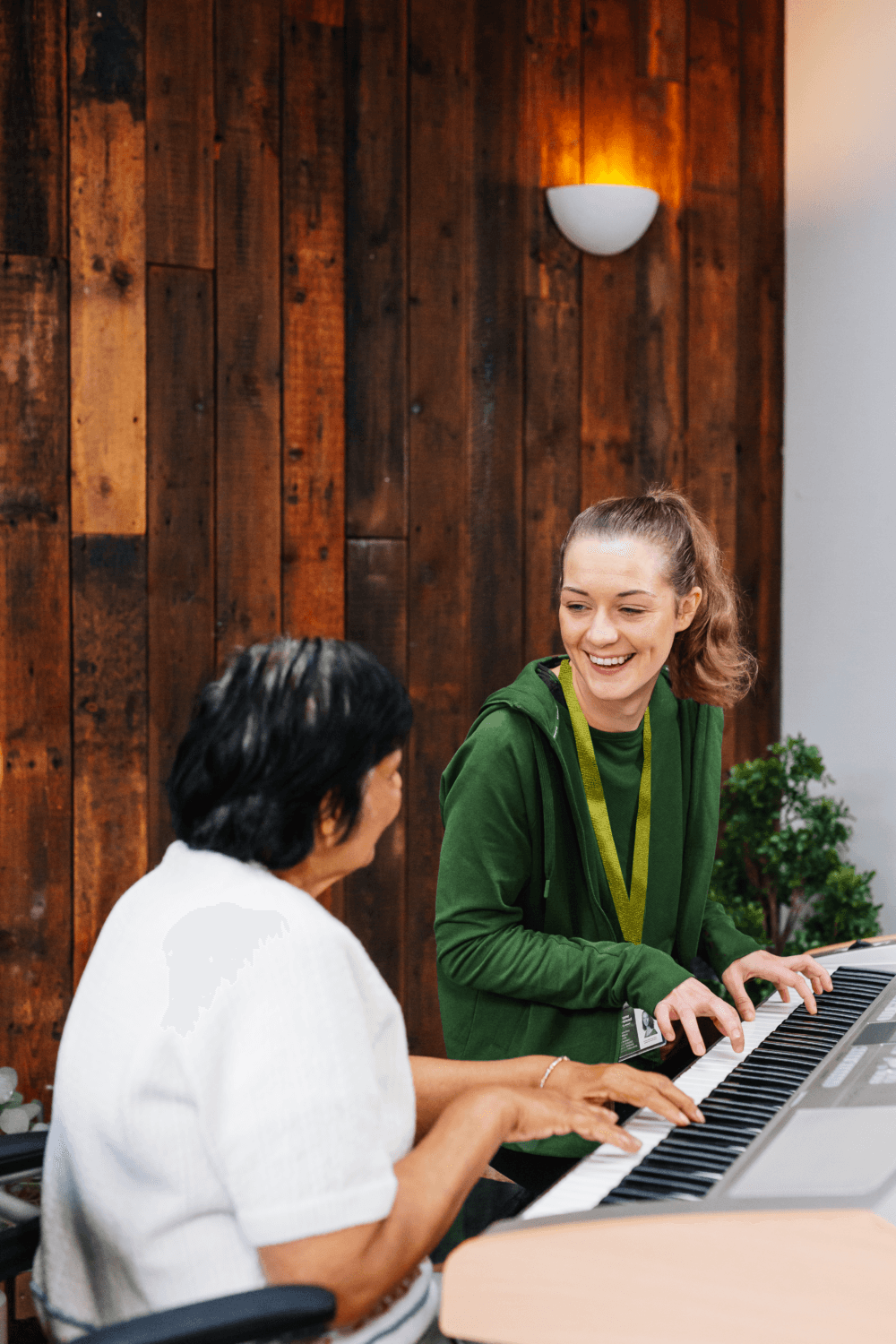
The Importance of Social Interaction for Older Adults
Reducing the Risk of Loneliness and Isolation
Later life brings many positive experiences, but it can also introduce challenges. Older adults may lose long‑standing friends, face mobility changes, or find social circles shrinking with time. Even in a friendly town like Dorchester, it’s easy for someone living alone to go days without meaningful contact.
Loneliness can affect both mental and physical well-being, with studies linking it to conditions such as low mood, reduced heart health, and slower cognitive functioning. Regular interaction, even brief, everyday moments, can ease these risks. A chat with a neighbour in Poundbury, meeting friends at a memory café, or attending a weekly community event provides connection, reassurance, and routine.
Supporting Emotional Well‑Being
Kind conversation, laughter, and shared hobbies help lift mood and reduce stress. People who stay socially active often feel more confident and mentally alert. They tend to cope better with challenges and maintain a more hopeful outlook.
The Centre for Ageing Better highlights that people with strong social ties are more resilient, regardless of other pressures such as health changes or financial limitations. Supportive interaction acts as a steadying influence during challenging periods.
Strengthening Cognitive Health
Cognitive stimulation does not only come from puzzles and memory exercises. Conversation, group discussions, and shared problem‑solving help keep the mind active. Book clubs, for example, involve recall, reasoning, and communication, all of which support brain health.
Regular social contact is also linked to a slower rate of cognitive decline. Keeping the brain engaged through talk, teamwork, and shared experiences encourages ongoing mental activity.
Encouraging Gentle Movement and Activity
Social connection often encourages physical activity. Walking with a friend through Borough Gardens, strolling to a theatre event, or joining a gardening session all support balance, mobility, and cardiovascular health.
Group movement, such as seated exercise classes or gentle stretching sessions, is especially helpful. The shared experience encourages motivation and brings enjoyment to everyday activity.
Helping Older Adults Maintain Purpose
Retirement can lead to a change in identity and routine. Without a daily structure, some people may find it harder to maintain a clear sense of purpose or routine. Maintaining social contacts helps preserve a sense of purpose. Whether it’s attending a regular club, volunteering, or contributing to a community project, older adults can feel valued and needed.
Purpose supports emotional well‑being, and social activity provides a natural foundation for it.

Local Activities in Dorchester That Strengthen Social Connection
Dorchester offers many opportunities for older adults to meet others, enjoy familiar interests, and feel part of community life. Here are some meaningful examples.
Book Clubs
Dorchester has a strong reading culture, with libraries and community groups hosting regular book discussions. Book clubs encourage conversation, reflection, and intellectual stimulation. They also help readers form connections with others who share similar interests.
A monthly or fortnightly group gives people something to look forward to, a familiar place where they can speak, listen, and enjoy shared discussion.
Indoor Gardening Sessions
Not everyone can manage a large outdoor garden, but indoor gardening brings similar joy with less physical strain. Potting herbs, caring for houseplants, or arranging flowers provides purpose and gentle movement.
Indoor gardening is especially helpful for people who enjoy being hands‑on. It can be organised at home, in care settings, or in community groups, offering calm interaction and a sense of achievement.
Local Theatre and Arts Events
Dorchester Arts and other local venues offer events that help older adults stay engaged with culture and community life. Whether it’s a musical performance, a play, or an afternoon craft workshop, these experiences inspire conversation and connection.
Attending events together can also help build confidence for those who may feel hesitant about going out alone.
Coffee Mornings and Memory Cafés
Coffee mornings across Dorchester, including memory cafés for people living with dementia, provide warm, welcoming environments where older adults can relax and enjoy routine contact with others.
Memory cafés are especially supportive. They offer conversation, gentle activity, and a calm space where people can connect without pressure. Carers benefit too, often finding comfort through shared experience.
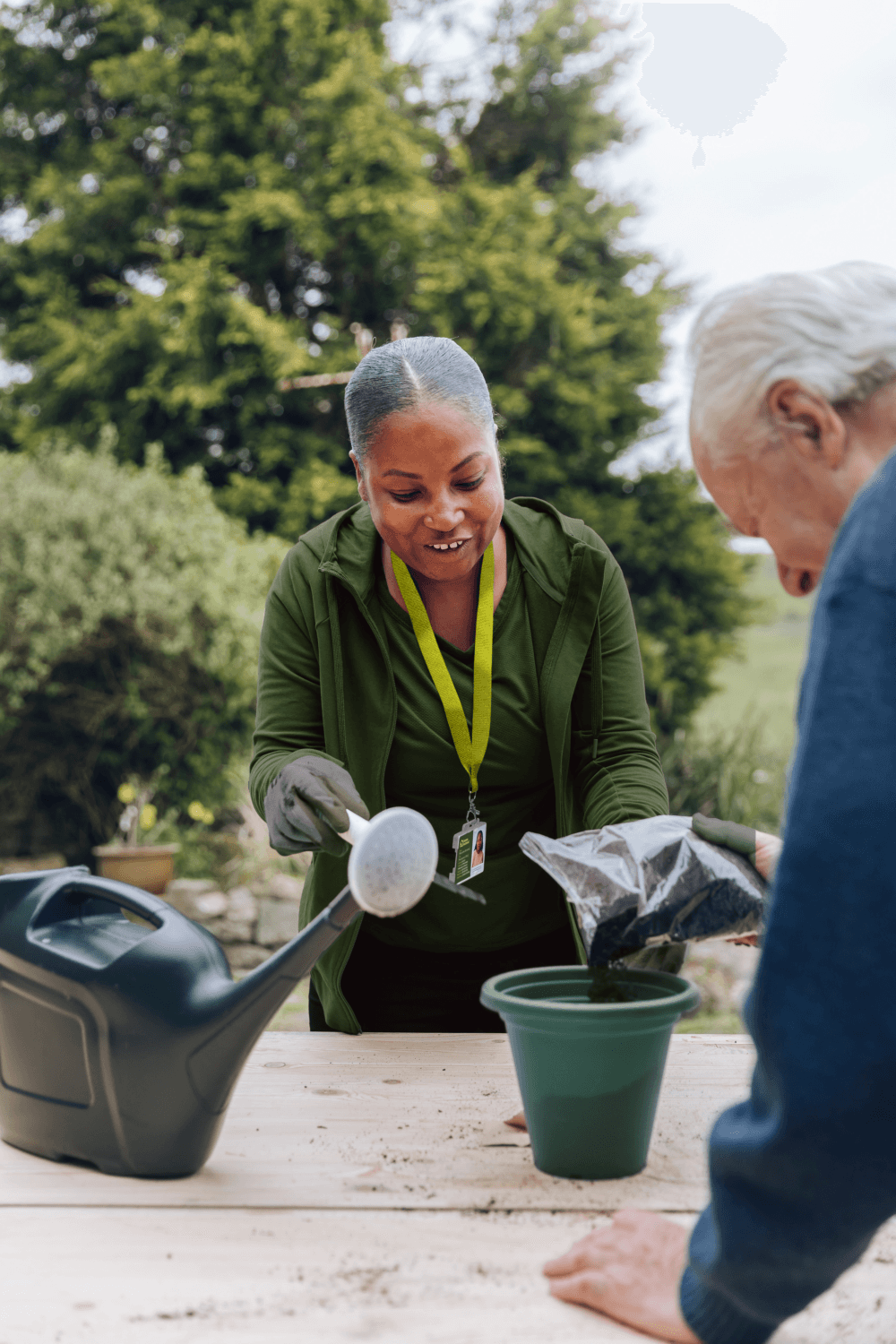
How Home Instead Dorchester Supports Social Engagement
Visiting Care with Connection at Its Heart
Our visiting care focuses not only on practical help but also on meaningful companionship. A short visit can include:
- Sharing a conversation
- Supporting attendance at a club or event
- Helping with preparation for an outing
- Enjoying a hobby together
- Encouraging gentle activity such as gardening or walking
Matching clients and Care Professionals with shared interests is especially important. A good match helps build warmth and comfort, which can lead to meaningful, long‑term connections.
Live‑In Care That Supports Daily Engagement
For those who need ongoing support, live‑in care provides consistent companionship. A Care Professional can help arrange outings, set up video calls, or accompany clients to the theatre, library, or a coffee morning.
This constant presence helps reduce loneliness and supports confidence to stay active within the community.
Including Social Goals in Personalised Care Plans
Social activity should be part of daily life, not an occasional extra. Our care plans often include:
- Encouragement to take part in hobbies
- Gentle support with technology
- Help accessing events or clubs
- Time spent enjoying shared interests
- Support to maintain contact with friends and family
Small steps, such as attending a weekly craft group or joining a book club, can lift mood and strengthen routine.
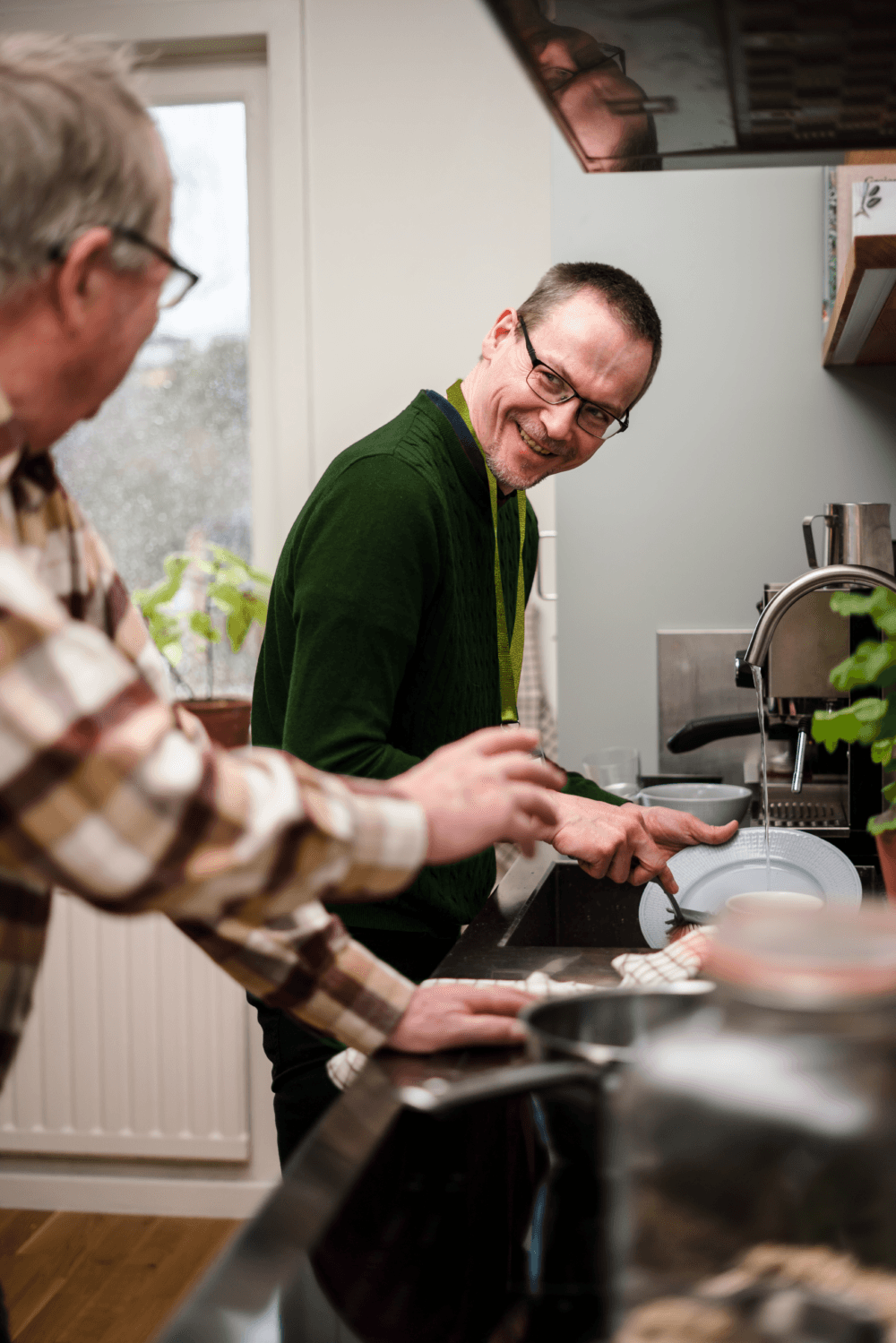
Removing Barriers to Social Connection
Older adults in Dorchester may face obstacles such as:
- Limited mobility
- Hearing or sensory challenges
- Reduced confidence following loss or bereavement
- Health conditions
- Uncertainty about technology
- Lack of transport
With support from Care Professionals, families, and community groups, many of these barriers can be eased. Help may involve arranging transport, using assistive devices, attending a local group together, or providing reassurance during social activities.
Even learning simple smartphone skills, such as video calling, can help reconnect people with distant loved ones.

Everyday Interaction Matters Too
Connection can also come from simple, everyday moments beyond organised events. Small moments count:
-
A chat during a walk through town
-
Sharing a cup of tea at home
-
Listening to a favourite piece of music
-
Writing a letter together
-
Watching a familiar film
These interactions support identity, confidence, and comfort.
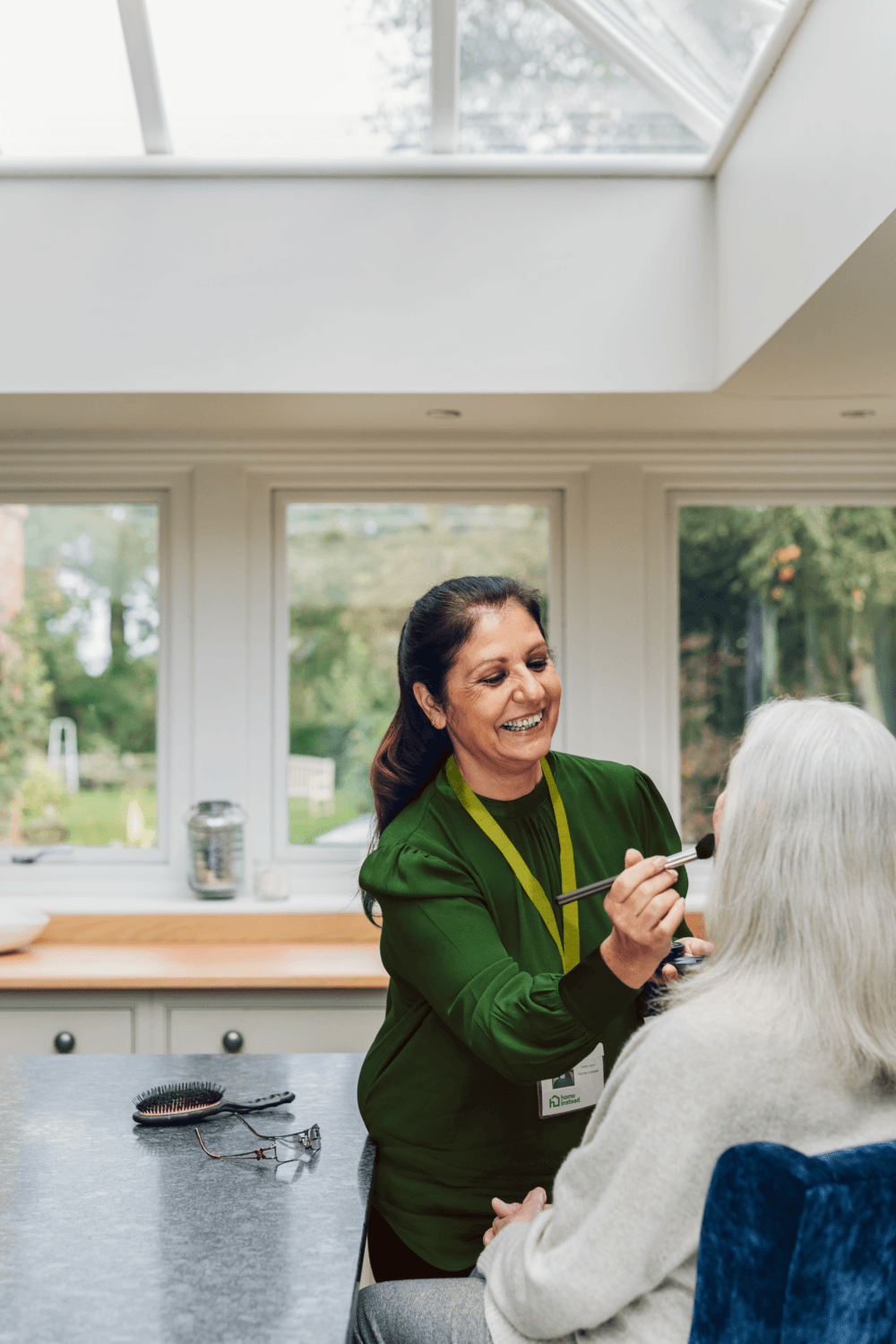
Final Thoughts
Social connection shapes well‑being in later life. For older adults in Dorchester, activities such as book clubs, indoor gardening, theatre outings, coffee mornings, and memory cafés offer meaningful ways to stay active and involved.
With the right support, from families, the local community, and caring professionals, older adults can enjoy companionship, routine, and purpose every day.
If you or a loved one would benefit from support staying connected, Home Instead Dorchester is here to help. Visit our website to learn more about our personalised companionship and care services.
Areas We Serve
Dorchester, Weymouth, Cerne Abbas, Charminster, Puddletown, Abbotsbury, Portland
BH15 4, BH16 5, BH16 ,6 BH17 7, BH18 8, BH18 9, BH19 1, BH19 2, BH19, 3 BH20 4, BH20 5, BH20 6, BH20 7, DT1 1, DT1 2, DT1 3, DT2 7, DT2 8, DT2 9, DT3 4, DT3 5, DT3 6, DT4 0, DT4 7, DT4 8, DT4 9, DT5 1, DT5 2
31 High W St, Dorchester DT1 1UP, UK